

Drug-Free • Reusable for Years • 137-Day Money-Back Guarantee
A burning foot that appears when you finally sit down. Pins and needles in your hand after a long day at a keyboard. A sharp, electric sensation traveling from your lower back into your leg. When these feelings keep returning, finding the best options for nerve discomfort is about more than avoiding medication — it's about finding practical ways to stay active, sleep better, and feel more in control of your day.
Nerve discomfort is different from ordinary muscle soreness. Muscles may ache after lifting, standing, or exercising. Nerve-related sensations are often described as tingling, numbness, burning, buzzing, shooting, or electric. They can come and go, or linger long enough to change how you work, walk, rest, and move.
Nerve pain can come from several different sources, and the pattern often points toward the cause:
A compressed nerve from posture may respond very differently than symptoms related to an old injury, diabetes, circulation concerns, or a condition affecting the spine — which is why matching your approach to the actual pattern behind your discomfort matters more than reaching for a generic remedy.
Before trying every remedy at once, pay attention to what makes symptoms better or worse. Does discomfort show up after sitting, driving, bending, crossing your legs, gripping tools, or sleeping in one position? Does it improve after a short walk, or get worse late at night? A simple note on your phone — location, sensation, timing, what came before it, what helped — turns guesswork into a repeatable pattern, and gives a clinician clearer information if you need care.
Staying in one position can irritate sensitive areas, especially around the neck, shoulders, low back, hips, wrists, and knees. If work or a commute keeps you seated, try a brief movement break every 30 to 60 minutes. Small adjustments count too — a screen at a better height may reduce neck strain, supporting your forearms while typing may take pressure off the wrists, and avoiding a wallet in a back pocket or repeatedly crossing your legs may help if symptoms run through the hip or leg.
When discomfort makes movement feel risky, the instinct is often to become less active — but complete rest can leave the body stiffer and more sensitive. Choose low-impact options that don't sharply increase symptoms: short walks, easy cycling, water exercise, or light yoga. Start below your limit — if a 20-minute walk causes a flare-up, try five to 10 minutes more often rather than quitting movement altogether. Stretching can help when tight surrounding muscles add pressure, but it should feel mild and controlled, never like you're forcing a burning or shooting sensation farther down an arm or leg.
Heat can be comforting when surrounding muscles feel tight or guarded. Cold may feel better after an activity-related flare-up or when an area feels hot and irritated. Both are temporary tools — use a cloth barrier, avoid falling asleep with either in place, and be especially careful if numbness affects your ability to sense temperature.
Nighttime nerve discomfort can turn a manageable problem into an exhausting one, since hours of sustained pressure can aggravate the neck, shoulder, hip, low back, hands, or legs. Side sleepers often benefit from a pillow between the knees and enough head support to keep the neck from dropping. If hands tingle overnight, avoid sleeping with wrists sharply bent or tucked beneath your body.
Nerves rely on the rest of the body doing its job well. Regular meals, hydration, manageable activity, and sleep shape how resilient you feel day to day. If you have diabetes or blood sugar concerns, keeping those well managed is particularly relevant, since high blood sugar can damage nerves over time. Be cautious with supplements marketed for nerve health — high doses of certain vitamins, including vitamin B6, can actually contribute to nerve symptoms, so it's smarter to discuss persistent symptoms and supplements with a qualified clinician than to self-treat.
For localized discomfort, a noninvasive wearable can be a practical part of a drug-free routine. Unlike a cream that wears off or a disposable patch that must be replaced, a reusable device can be kept on hand for recurring trouble spots such as the lower back, neck and shoulders, or knees.
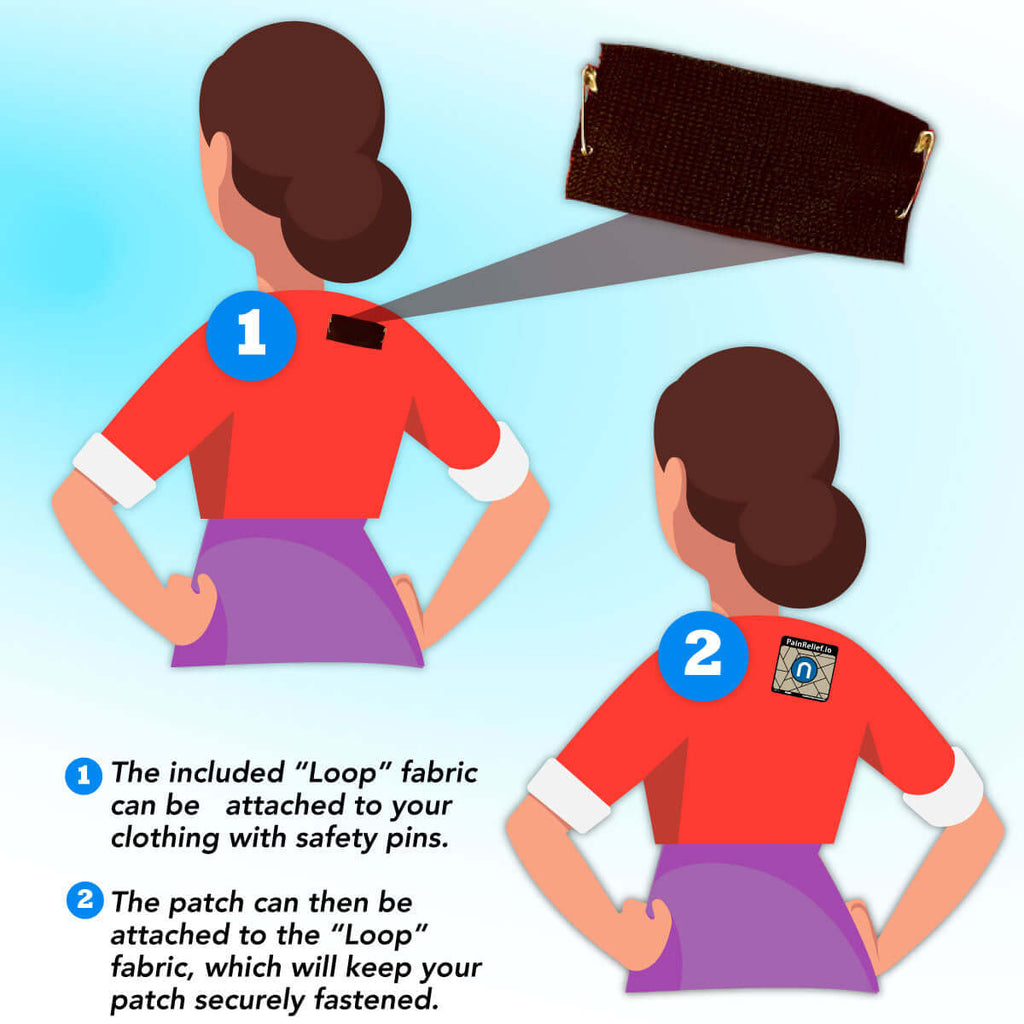
PainRelief.io® devices use patented NeuroCuple® nanocapacitive technology and are designed to be lightweight, battery-free, wire-free, and reusable. Placement matters — a wearable should be positioned according to the source area and product instructions, not simply where the sensation ends up. Discomfort that travels down the leg, for example, may be influenced by the lower back or hip rather than the leg itself.
Explore PainRelief.io® Wearables → — backed by a 137-day money-back guarantee.
Avoid repeatedly pushing through sharp, radiating pain during exercise. Avoid overly tight braces, clothing, or gear that may increase pressure. Don't rely on alcohol, unregulated remedies, or escalating doses of supplements as a substitute for finding the cause. And avoid changing everything at once — if you add a new pillow, start a stretch routine, change your workstation, and try several new products in the same week, you won't know what's actually helping.
Natural strategies are appropriate for many mild or recurring symptoms, but they don't replace an evaluation when something new, severe, or progressive is happening. Seek prompt medical care for new weakness, foot drop, loss of coordination, or trouble using a hand or leg; loss of bladder or bowel control, or numbness in the groin or inner thighs; sudden numbness or weakness on one side of the body, facial drooping, or trouble speaking; or symptoms following a significant fall, crash, or other injury.
Also schedule an appointment if tingling, burning, or numbness persists, worsens, interrupts sleep regularly, or affects your balance. A clinician can assess whether the source involves a nerve, joint, muscle, circulation issue, medication effect, vitamin deficiency, blood sugar concern, or another condition that needs specific care.
The most useful plan for nerve discomfort is rarely dramatic — it's a repeatable combination of less pressure, more comfortable movement, better recovery, and targeted support you can use when discomfort shows up.
Dealing with pain that radiates from your lower back down one leg? Read our dedicated guide to sciatica. Experiencing numbness or tingling specifically in the hand or wrist? See Wrist Pain and Carpal Tunnel: Causes and Relief.
This article is provided for general educational purposes and is not a substitute for professional medical advice, diagnosis, or treatment. Seek medical care for severe, persistent, unusual, or worsening symptoms.
Search
About Us
Terms of Service
Refund Policy
Contact Us
Protect my personal information
Affiliates: Join or Log In
Clinical
Where to Buy
Government Procurement
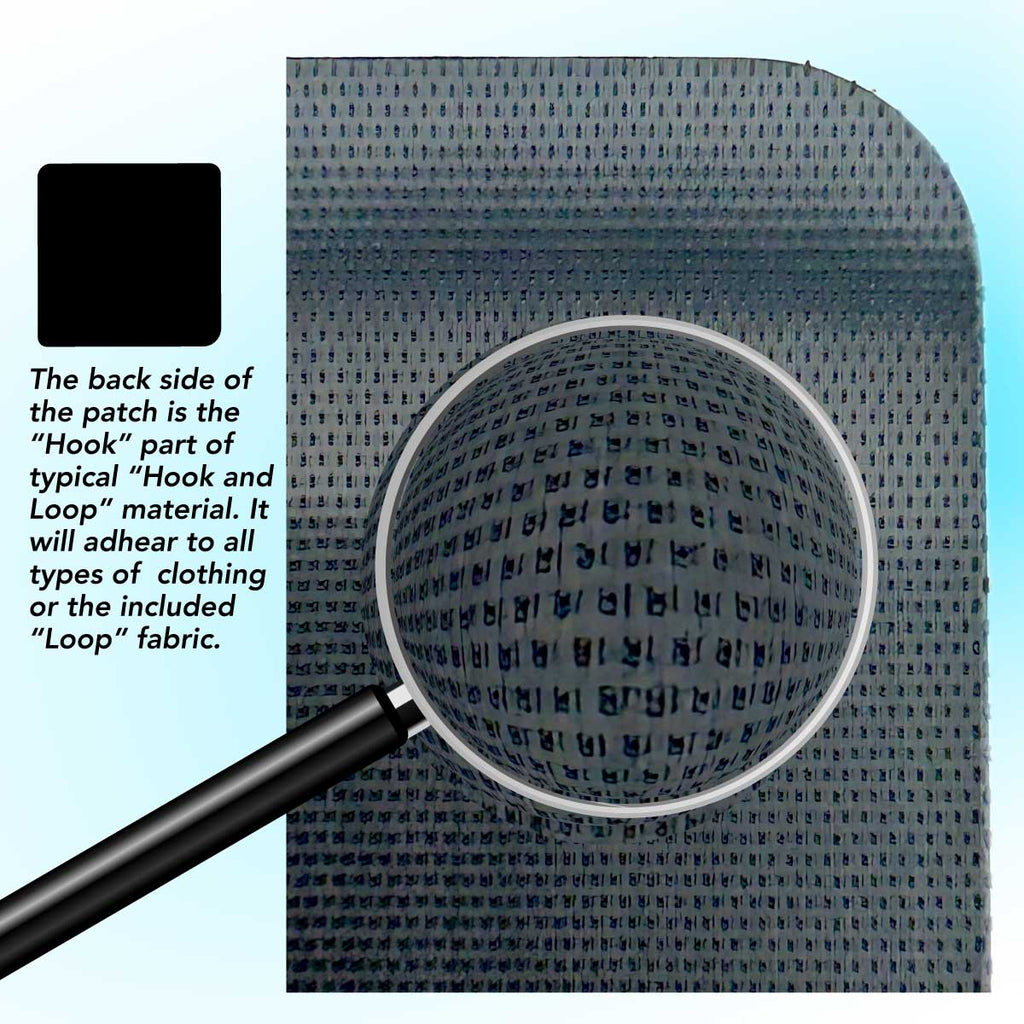
PainRelief.io® devices are designed to be simple to use. Just place the device near the area of discomfort and adjust as needed to find the position that feels most effective.
Each device is thin, reusable, wearable, and easy to use — with no batteries, no wires, no creams, and no drugs.
Inside each device is our patented NeuroCuple® layer, sealed between two durable waterproof layers. This technology is designed to work with your body’s natural bioelectrical environment in a simple, non-invasive way.
Some users report sensations such as warmth, cooling, or tingling during use, while others feel little or nothing at all.
PainRelief.io® devices are intended as general wellness products designed to support comfort, physical activity, and everyday function.