

Drug-Free • Reusable for Years • 137-Day Money-Back Guarantee
Sciatica has a distinctive feel that people who've had it tend to recognize instantly — a sharp, shooting, sometimes burning sensation that travels from the lower back or buttock down the back of one leg, occasionally reaching all the way to the foot. It can make sitting unbearable, walking awkward, and sleep hard to come by, and understanding what's actually happening helps in choosing the right approach.
Sciatica refers to irritation or compression of the sciatic nerve, the longest nerve in the body, which runs from the lower back through the buttock and down each leg. It's not itself a diagnosis so much as a description of a symptom pattern — something is putting pressure on or irritating that nerve, and the most common cause is a herniated or bulging disc in the lower spine pressing against a nerve root. Other causes include spinal stenosis (narrowing of the spinal canal), piriformis syndrome (tightness in a deep buttock muscle that can irritate the nerve), and less commonly, a spinal injury or growth.
Sciatica typically affects one side at a time. It can range from a mild ache to a sharp, electric, or burning pain, and often comes with numbness, tingling, or weakness somewhere along the path of the nerve. Symptoms are frequently worse with sitting, bending forward, coughing, or sneezing, and may ease somewhat with walking or lying down, though this varies from person to person.
Prolonged sitting is one of the most common aggravating factors, since it increases pressure on the lower spine and discs. Poor lifting mechanics — bending at the waist rather than the knees, twisting while lifting — can trigger a disc issue that leads to sciatica. Being overweight adds mechanical load to the spine, and a sedentary lifestyle can weaken the core and back muscles that normally help support it.
For sciatica caused by a disc issue or muscle tightness — the most common scenarios — gentle movement tends to help more than bed rest, which can actually prolong recovery. Walking, easy stretching, and avoiding prolonged sitting are usually recommended as first steps. Specific stretches targeting the piriformis muscle and lower back can relieve pressure on the nerve for many people, though it helps to learn these from a physical therapist rather than guessing at technique, since the wrong stretch done aggressively can sometimes aggravate symptoms.
Alternating ice and heat can ease acute flare-ups — ice tends to help more in the first day or two, with heat becoming more useful as the acute phase settles. Maintaining good posture while sitting, using a supportive chair, and standing periodically throughout the day can all reduce the ongoing pressure that keeps symptoms triggered.
Many people also find a reusable, drug-free wearable device useful as part of a broader routine for the muscular component of sciatica — particularly for tension in the lower back or buttock that's contributing to nerve irritation. PainRelief.io® devices use patented NeuroCuple® nanocapacitive technology in a lightweight, battery-free format that can be positioned over the lower back or affected buttock area, without medication or wires.
Explore PainRelief.io® Wearables → — backed by a 137-day money-back guarantee.
Once an acute flare has settled, strengthening the core and back muscles helps support the spine and can reduce how often sciatica recurs. Maintaining a healthy weight reduces mechanical stress on the lower back, and learning proper lifting technique — bending at the knees, keeping the load close to your body — protects against re-injury during everyday activities.
Most sciatica improves within several weeks with conservative care, but certain symptoms need prompt medical evaluation. Seek emergency care immediately for loss of bladder or bowel control, numbness in the groin or inner thighs (sometimes called "saddle" numbness), or progressive weakness in the leg — these can indicate a serious condition affecting the nerves at the base of the spine that may require urgent treatment.
Also see a doctor if pain is severe and not improving after a couple of weeks, follows a significant injury, comes with fever, or is accompanied by unexplained weight loss, since these patterns warrant a closer look to rule out other causes.
Dealing with general lower back pain rather than sciatica specifically? See our complete back pain relief buying guide. Looking for broader nerve pain strategies? Read Nerve Pain Relief: Natural Strategies and When to See a Doctor.
This article is provided for general educational purposes and is not a substitute for professional medical advice, diagnosis, or treatment. Seek medical care for severe, persistent, unusual, or worsening symptoms.
Search
About Us
Terms of Service
Refund Policy
Contact Us
Protect my personal information
Affiliates: Join or Log In
Clinical
Where to Buy
Government Procurement
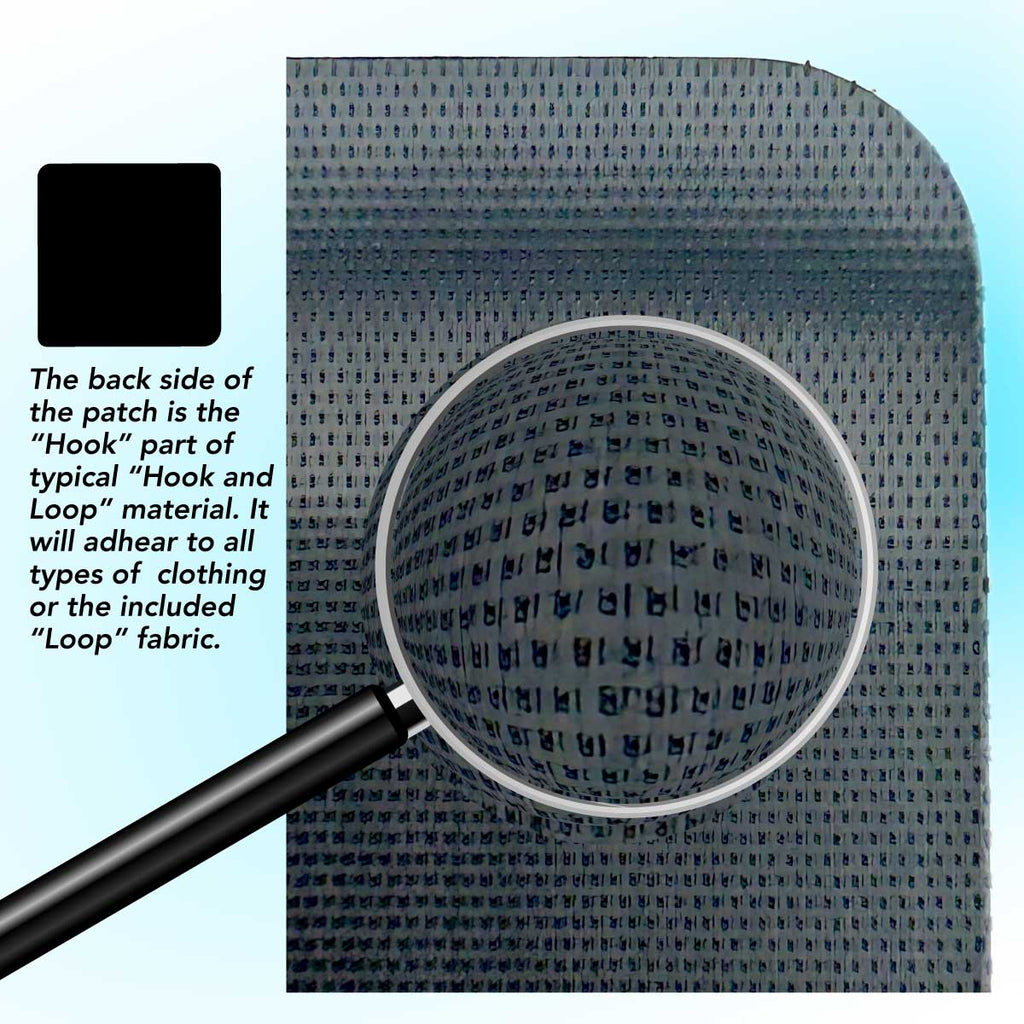
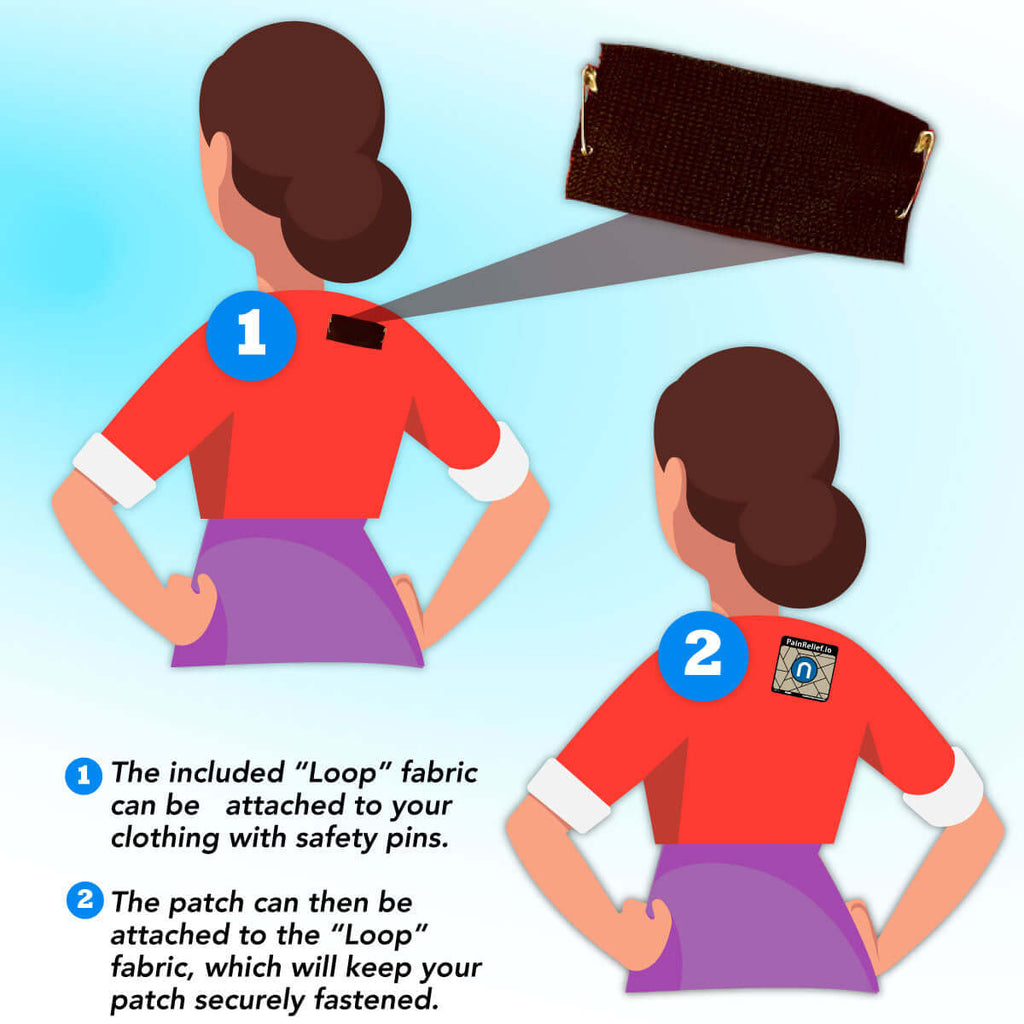
PainRelief.io® devices are designed to be simple to use. Just place the device near the area of discomfort and adjust as needed to find the position that feels most effective.
Each device is thin, reusable, wearable, and easy to use — with no batteries, no wires, no creams, and no drugs.
Inside each device is our patented NeuroCuple® layer, sealed between two durable waterproof layers. This technology is designed to work with your body’s natural bioelectrical environment in a simple, non-invasive way.
Some users report sensations such as warmth, cooling, or tingling during use, while others feel little or nothing at all.
PainRelief.io® devices are intended as general wellness products designed to support comfort, physical activity, and everyday function.