

Drug-Free • Reusable for Years • 137-Day Money-Back Guarantee
Your wrists do an enormous amount of quiet, repetitive work — typing, scrolling, gripping, lifting, texting — and it often takes very little to tip them from fine to aching. Wrist pain is common enough that most people experience it at some point, but the causes range from simple overuse to nerve compression that genuinely benefits from a specific approach.
Carpal tunnel syndrome is one of the most well-known causes, involving compression of the median nerve as it passes through a narrow tunnel of bones and ligament at the base of the wrist. It typically causes numbness, tingling, or burning in the thumb, index, and middle fingers, often worse at night or after repetitive hand use, and can progress to weakness or a tendency to drop objects if left unaddressed.
Tendinitis involves inflammation of the tendons crossing the wrist, often from repetitive motion like typing, playing an instrument, or repetitive lifting.
De Quervain's tenosynovitis affects the tendons on the thumb side of the wrist, causing pain with thumb movement and gripping — it's common among new parents from repetitive lifting motions, among other causes.
Sprains and strains can happen from a fall onto an outstretched hand or a sudden twisting motion.
Arthritis, including osteoarthritis and rheumatoid arthritis, can affect the small joints of the wrist, causing stiffness and pain that's often worse in the morning.
Prolonged computer use with poor wrist positioning — wrists bent upward or resting heavily on a hard surface — is one of the most common contributors to both carpal tunnel symptoms and general tendon irritation. Repetitive gripping activities, whether from work, hobbies, or exercise, add cumulative strain. Sleeping with the wrists bent can aggravate carpal tunnel symptoms specifically, which is part of why they're often worse at night or first thing in the morning.
For overuse-related wrist pain, reducing the repetitive strain that's driving it is the most important step — adjusting keyboard and mouse position so wrists stay neutral rather than bent, taking regular breaks from repetitive tasks, and being mindful of grip strength during activities that don't require a hard grip. A wrist splint, particularly worn at night, can help keep the wrist in a neutral position and is a commonly recommended first step for mild carpal tunnel symptoms.
Ice can help with acute flare-ups from tendinitis or a minor strain. Gentle stretching and strengthening of the forearm and wrist, once acute symptoms have settled, can improve resilience over time. Some people also add a reusable, drug-free wearable for ongoing wrist or forearm discomfort. PainRelief.io® devices use patented NeuroCuple® nanocapacitive technology in a lightweight, battery-free format that can be positioned on the wrist or forearm, without medication or wires.
Explore PainRelief.io® Wearables → — backed by a 137-day money-back guarantee.
An ergonomic keyboard and mouse, a wrist rest that supports without forcing an upward bend, and a chair height that lets your forearms stay roughly parallel to the floor while typing can all meaningfully reduce cumulative wrist strain over a workday.
See a doctor for wrist pain following a fall or injury, especially with visible deformity, significant swelling, or inability to move the wrist normally, since these can indicate a fracture. Also seek care for numbness or tingling that's persistent, worsening, or affecting your grip strength — these carpal tunnel symptoms tend to respond better to early treatment, including splinting, activity changes, or in some cases other medical interventions, than to being left unaddressed for a long period. Pain accompanied by significant swelling, warmth, redness, or fever should also be evaluated promptly.
Looking for broader nerve pain strategies beyond the wrist? Read Nerve Pain Relief: Natural Strategies and When to See a Doctor.
This article is provided for general educational purposes and is not a substitute for professional medical advice, diagnosis, or treatment. Seek medical care for severe, persistent, unusual, or worsening symptoms.
Search
About Us
Terms of Service
Refund Policy
Contact Us
Protect my personal information
Affiliates: Join or Log In
Clinical
Where to Buy
Government Procurement
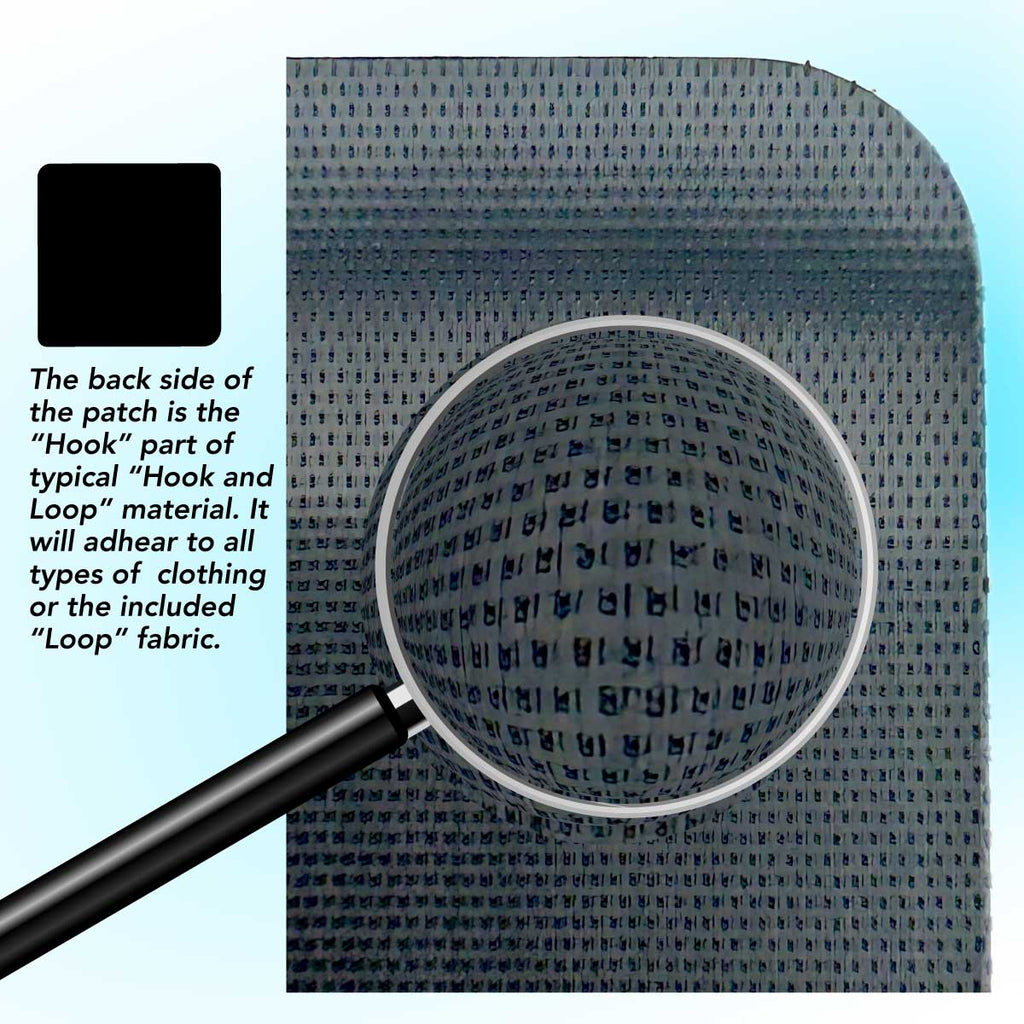
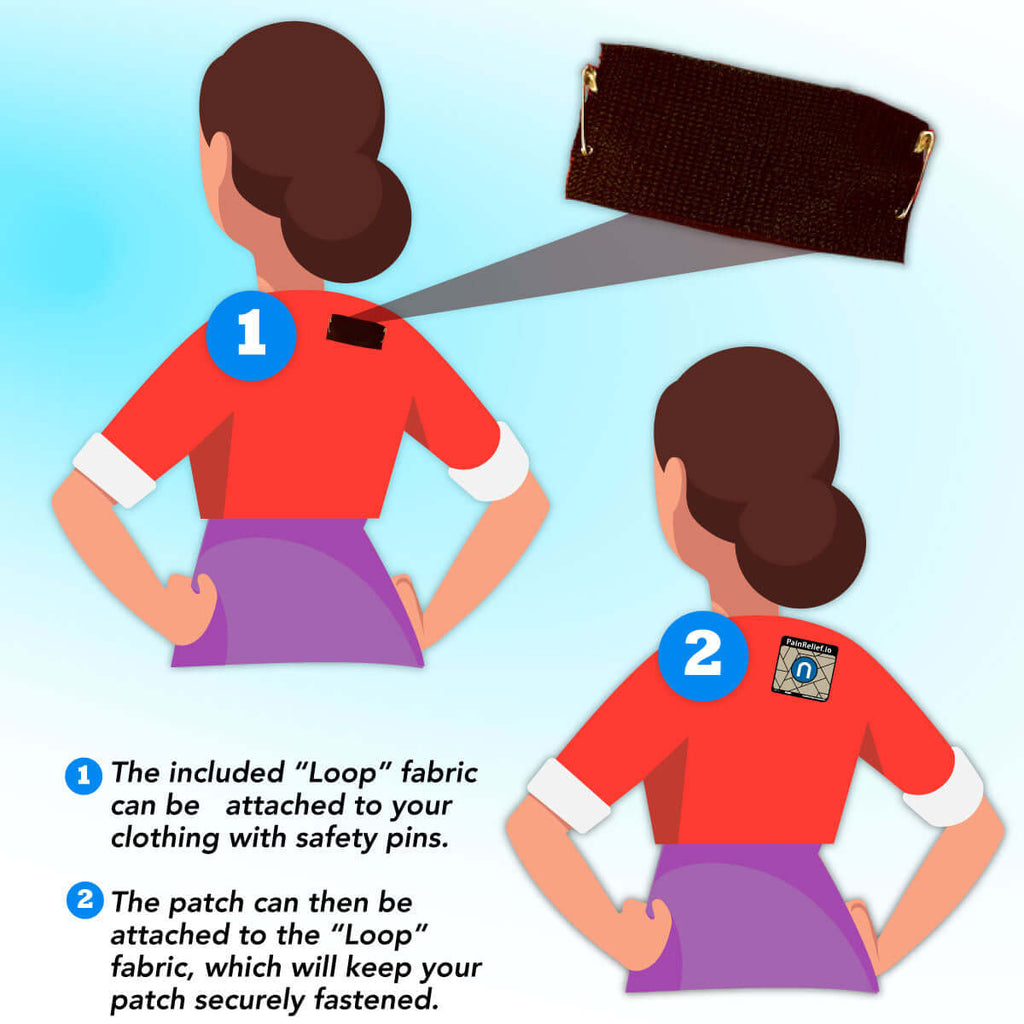
PainRelief.io® devices are designed to be simple to use. Just place the device near the area of discomfort and adjust as needed to find the position that feels most effective.
Each device is thin, reusable, wearable, and easy to use — with no batteries, no wires, no creams, and no drugs.
Inside each device is our patented NeuroCuple® layer, sealed between two durable waterproof layers. This technology is designed to work with your body’s natural bioelectrical environment in a simple, non-invasive way.
Some users report sensations such as warmth, cooling, or tingling during use, while others feel little or nothing at all.
PainRelief.io® devices are intended as general wellness products designed to support comfort, physical activity, and everyday function.