

Drug-Free • Reusable for Years • 137-Day Money-Back Guarantee
Hip pain has a way of showing up in the most inconvenient places — getting out of a car, climbing stairs, rolling over in bed, or standing up after sitting too long. Because the hip is a large, weight-bearing joint surrounded by numerous muscles and connective tissue, pain here can come from a wide range of sources, and figuring out which one you're dealing with makes a real difference in what actually helps.
Where you feel hip pain is a useful clue. Pain on the outside of the hip often points to the muscles and tendons around the joint. Pain in the groin is more often related to the hip joint itself. Pain in the buttock or lower back that radiates down the leg may actually be coming from the spine or sciatic nerve rather than the hip at all. Because these areas overlap, it's common for people to describe "hip pain" that turns out to have several possible sources.
Osteoarthritis is one of the most common causes in older adults, involving gradual wear of the cartilage that cushions the hip joint, typically causing stiffness and aching that's often worse in the morning or after periods of rest.
Bursitis involves inflammation of the fluid-filled sacs that cushion the hip, often causing pain on the outer hip that's worse when lying on that side or after repetitive activity like walking or climbing stairs.
Tendinitis affects the tendons connecting muscles to the hip bones, often from overuse in activities like running or repetitive movement.
Muscle strain can happen from sudden movements, overuse, or inadequate warm-up before activity, and typically improves with rest and gradual return to movement.
Labral tears involve damage to the cartilage ring that helps stabilize the hip joint, sometimes causing a catching or locking sensation along with pain.
Referred pain from the lower back, including sciatica, can feel like hip pain even though the actual source is a nerve issue in the spine — this is a common source of confusion when trying to self-diagnose hip discomfort.
Prolonged sitting, especially with poor posture or in a low chair, can tighten the hip flexors and contribute to stiffness. Sleeping consistently on one side, especially without support between the knees, can aggravate bursitis-type pain. Sudden increases in activity — a new running routine, an intense workout after time off — are a common trigger for strain and tendon irritation. Worn or unsupportive footwear can also change how weight moves through your hips and lower body.
For mild, everyday hip discomfort, gentle movement tends to help more than rest — short walks and easy range-of-motion exercises keep the joint from stiffening further. Avoid prolonged sitting when possible, and when you do sit for long periods, take breaks to stand and move. A pillow between the knees while side sleeping can reduce pressure on the hip in that position. Ice can help with an acute flare-up, particularly with bursitis or tendinitis, while some people find gentle heat more soothing for general stiffness.
Some people also add a reusable, drug-free wearable to their routine for ongoing hip discomfort. PainRelief.io® devices use patented NeuroCuple® nanocapacitive technology in a lightweight, battery-free format that can be positioned over the outer hip or the specific area of tenderness, without medication or a disposable replacement cycle.
Explore PainRelief.io® Wearables → — backed by a 137-day money-back guarantee.
Strengthening the muscles around the hip — particularly the glutes and core — helps distribute load more evenly and can reduce recurring strain over time. Low-impact activities like swimming, cycling, or walking are generally easier on an irritated hip than high-impact options while you're managing discomfort.
See a doctor for hip pain that follows a fall or injury, especially if you can't bear weight; pain accompanied by fever, which could suggest infection; sudden, severe pain; noticeable swelling, redness, or warmth around the joint; or pain that doesn't improve after a couple of weeks of reasonable rest and activity modification. If pain radiates down the leg with numbness, tingling, or weakness, that pattern is worth discussing with a doctor as well, since it may point to a spine-related cause rather than the hip joint itself.
Managing arthritis or want to compare braces and wearable options? See our joint pain and arthritis relief guide. If your hip pain radiates down the leg, it may be related to sciatica rather than the hip joint itself.
This article is provided for general educational purposes and is not a substitute for professional medical advice, diagnosis, or treatment. Seek medical care for severe, persistent, unusual, or worsening symptoms.
Search
About Us
Terms of Service
Refund Policy
Contact Us
Protect my personal information
Affiliates: Join or Log In
Clinical
Where to Buy
Government Procurement
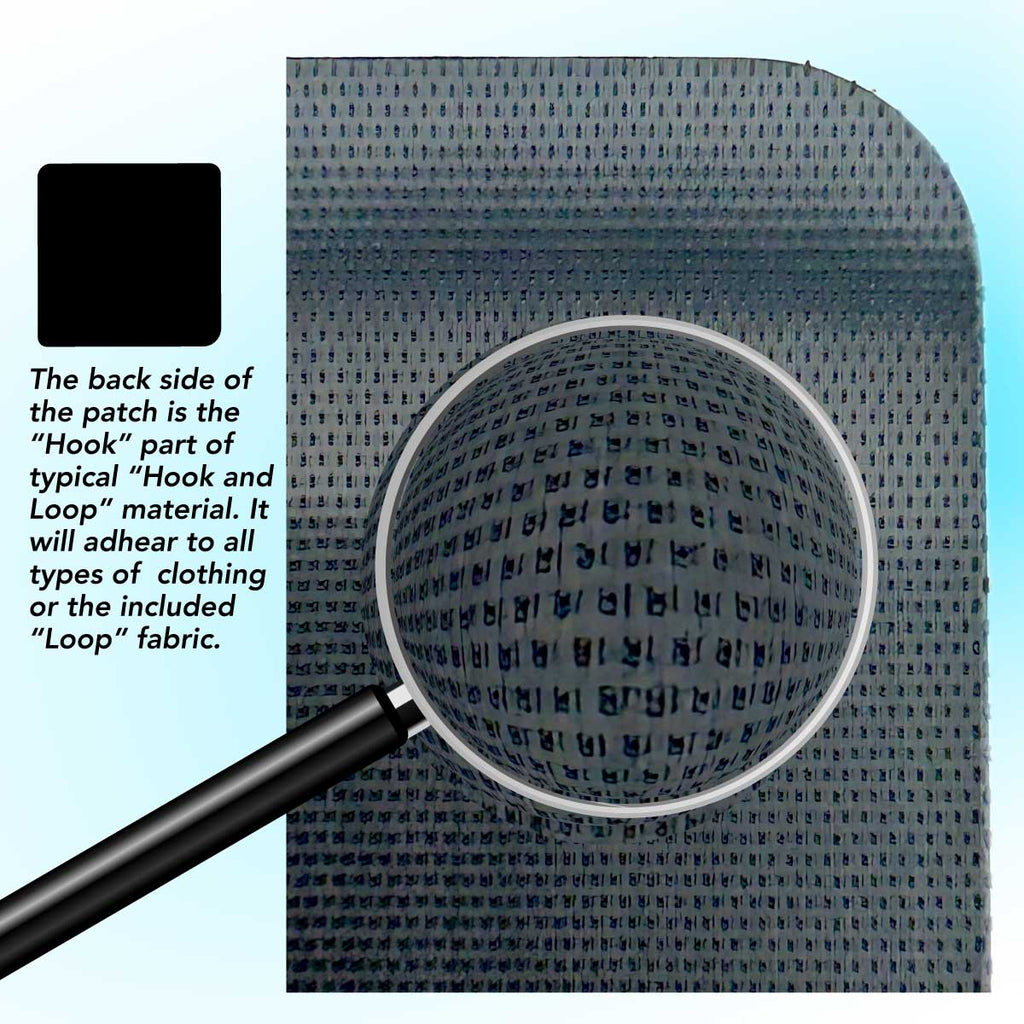
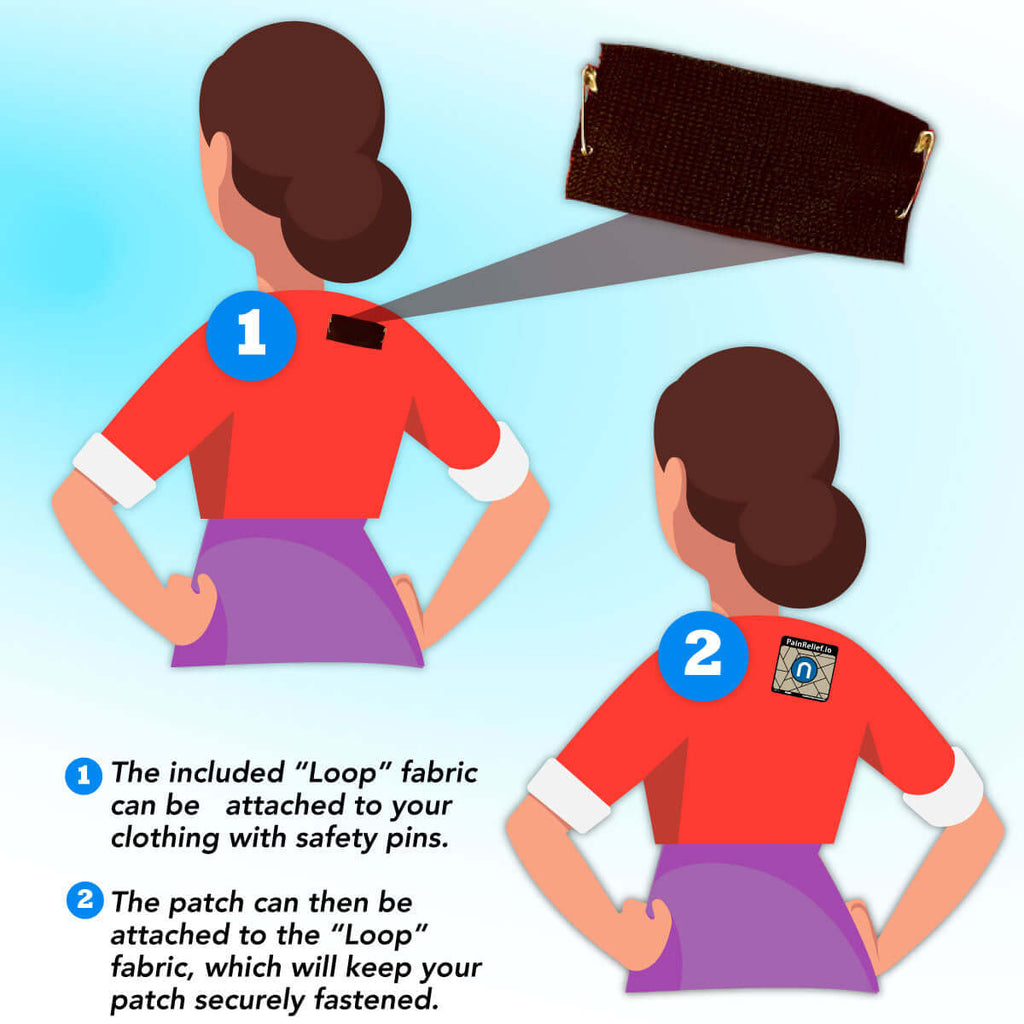
PainRelief.io® devices are designed to be simple to use. Just place the device near the area of discomfort and adjust as needed to find the position that feels most effective.
Each device is thin, reusable, wearable, and easy to use — with no batteries, no wires, no creams, and no drugs.
Inside each device is our patented NeuroCuple® layer, sealed between two durable waterproof layers. This technology is designed to work with your body’s natural bioelectrical environment in a simple, non-invasive way.
Some users report sensations such as warmth, cooling, or tingling during use, while others feel little or nothing at all.
PainRelief.io® devices are intended as general wellness products designed to support comfort, physical activity, and everyday function.