

Drug-Free • Reusable for Years • 137-Day Money-Back Guarantee
Arthritis discomfort can make ordinary movements feel like negotiations. Opening a jar, walking down stairs, typing for an hour, or getting comfortable at night may bring stiffness, aching, swelling, or a sharp reminder from a joint that's had enough.
Wearable support has evolved well beyond traditional braces and bulky wraps. Today, people have access to lightweight, reusable technologies designed to fit into everyday life while helping them stay active. This guide walks through the different types of support available and how to choose the option that matches your needs — along with practical ways to support joint mobility day to day.
Arthritis isn't a single condition. Osteoarthritis involves gradual changes within the joint over time, while inflammatory forms of arthritis involve an immune response that affects joints and sometimes the body more broadly. Both can lead to pain, stiffness, reduced mobility, and fatigue.
The effects often extend beyond the affected joint. When one knee hurts, you naturally change how you walk. Painful hands alter how you grip objects. Shoulder discomfort changes posture. Over time, these protective movements can place additional strain on surrounding muscles and joints, creating a cycle that's difficult to break — which is why having support available throughout the day, not just during a dedicated treatment session, can make a meaningful difference.
Braces remain a common choice for knees, wrists, thumbs, ankles, and elbows. A structured brace can help limit movements that aggravate painful joints while providing additional stability during activity — especially helpful when arthritis is accompanied by feelings of weakness or instability. The downside: rigid braces can become uncomfortable over long periods and aren't always practical for everyday wear. Compression sleeves offer a lighter alternative, delivering gentle pressure and warmth while allowing more freedom of movement.
When stiffness is the primary concern, warmth often feels soothing. Heated wraps, reusable heat packs, and heated gloves may help loosen surrounding muscles before activity. Heat isn't ideal for every situation, though — joints that are actively swollen, warm, or inflamed may respond better to cooling instead, and anyone with reduced sensation or circulation concerns should check with a healthcare professional before using heated devices.
A newer category of support focuses on helping manage discomfort without medication, compression, heat, batteries, or electrical stimulation. Rather than physically restricting movement, these devices are designed to work alongside the body's natural bioelectrical environment while you continue moving normally.
NeuroCuple®, available through PainRelief.io®, is a patented nanocapacitive wearable — thin, flexible, and reusable, designed to support the body's natural pain-signaling environment without drugs, adhesives that need daily replacement, electrical power, or ongoing maintenance. Many people find they can wear it comfortably throughout walking, working, exercising, traveling, or relaxing at home without significantly changing their routine.
Start by asking what's actually limiting your day. Does knee pain make climbing stairs difficult? Do stiff fingers slow your morning routine? Does wrist discomfort appear after computer work? Matching the support to the actual problem tends to produce better results than simply choosing the newest product.
If joint instability is your biggest concern, a properly fitted brace may provide the support you need. If stiffness is the primary issue, compression or therapeutic warmth may be enough. If your goal is to keep moving freely with a discreet, reusable, drug-free option that doesn't limit natural motion, a wearable like NeuroCuple® may be worth exploring. Many people find different tools serve different purposes — a supportive brace during strenuous activity, a lightweight wearable throughout the rest of the day.
Every PainRelief.io® device is backed by a 137-day money-back guarantee, giving you real time to find the placement and routine that works for you.
Wearable support works best alongside habits that keep joints moving well. Gentle, regular movement — walking, swimming, cycling, or other low-impact activity — helps maintain range of motion and can reduce stiffness more effectively than staying still. Simple daily mobility work, like slow range-of-motion movements for affected joints, can help maintain flexibility without overloading sensitive areas.
Strengthening the muscles around a joint reduces the load the joint itself has to bear — stronger quadriceps support an arthritic knee, stronger shoulder muscles support an irritated shoulder. Pacing activity throughout the day, rather than pushing through a task in one long stretch, also helps prevent the flare-ups that come from overdoing it on a good day. Weight management, when relevant, reduces mechanical stress on weight-bearing joints like the knees and hips, and consistent, quality sleep supports the body's overall capacity to manage inflammation and discomfort.
Sudden or severe joint pain, significant swelling, redness, fever, injury, numbness, unexplained weakness, or inability to bear weight deserves prompt medical evaluation. If you have inflammatory arthritis, wearable support should complement — not replace — the treatment plan developed with your healthcare provider.
There's no single solution that's right for every person with joint pain or arthritis. The most effective approach is usually the one that's comfortable enough to wear consistently, portable enough to use anywhere, and simple enough to become part of a daily routine.
Dealing with hip pain specifically, including causes beyond arthritis? Read Hip Pain: Common Causes and Drug-Free Relief Options.
This article is provided for general educational purposes and is not a substitute for professional medical advice, diagnosis, or treatment. Seek medical care for severe, persistent, unusual, or worsening symptoms.
Search
About Us
Terms of Service
Refund Policy
Contact Us
Protect my personal information
Affiliates: Join or Log In
Clinical
Where to Buy
Government Procurement
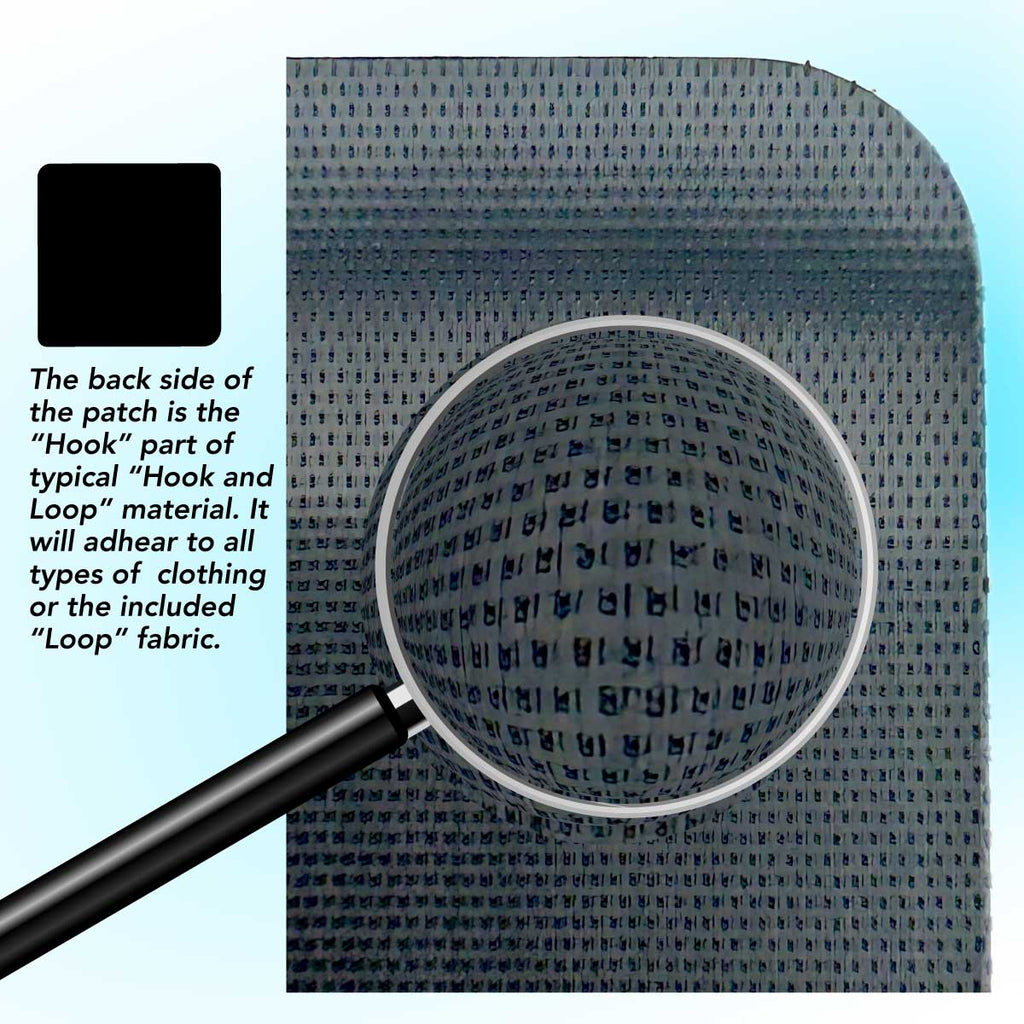
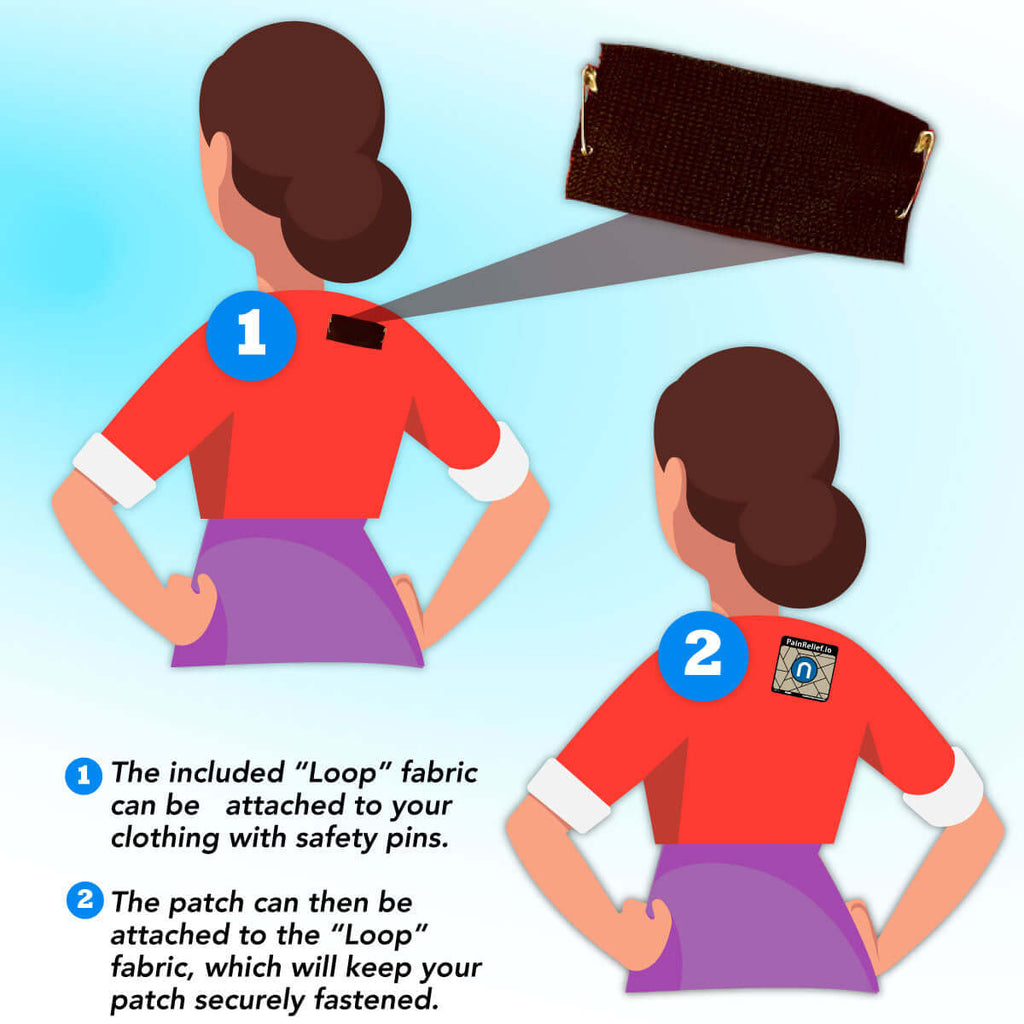
PainRelief.io® devices are designed to be simple to use. Just place the device near the area of discomfort and adjust as needed to find the position that feels most effective.
Each device is thin, reusable, wearable, and easy to use — with no batteries, no wires, no creams, and no drugs.
Inside each device is our patented NeuroCuple® layer, sealed between two durable waterproof layers. This technology is designed to work with your body’s natural bioelectrical environment in a simple, non-invasive way.
Some users report sensations such as warmth, cooling, or tingling during use, while others feel little or nothing at all.
PainRelief.io® devices are intended as general wellness products designed to support comfort, physical activity, and everyday function.