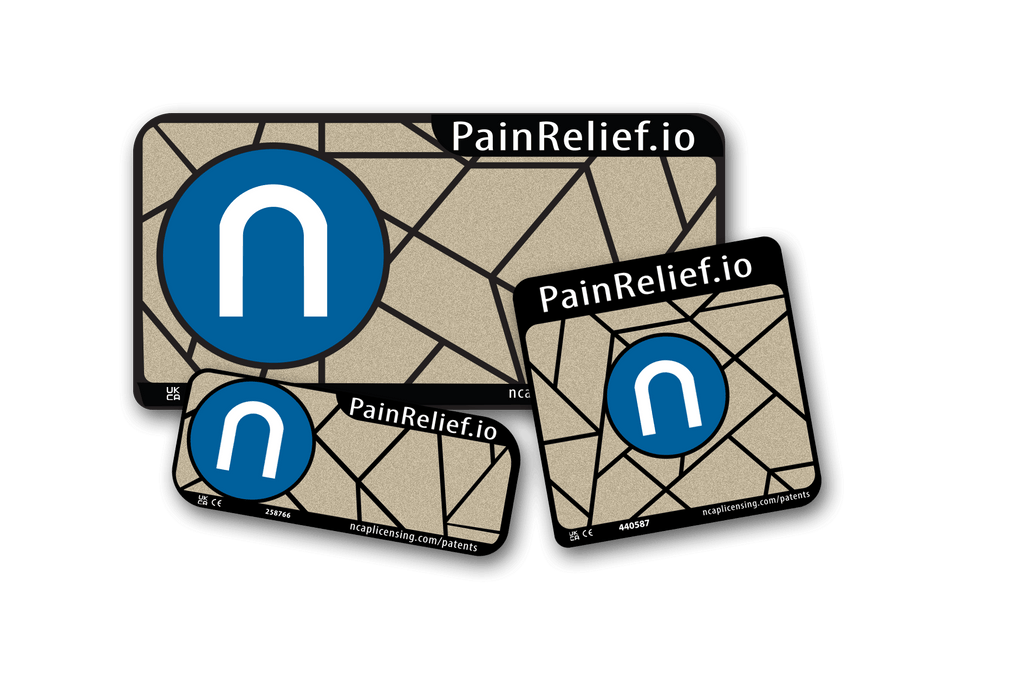

Drug-Free • Reusable for Years • 137-Day Money-Back Guarantee
You notice it when the day slows down. The lower back tightens after a long shift. The knee starts complaining after a workout. The headache that felt manageable at noon is still there at dinner. For many people, the first instinct is a pill. But if you are searching for an alternative to pain medication, you are probably looking for something you can use more often, with fewer trade-offs, and without building your whole routine around drugs.
That search makes sense. Pain is rarely just a one-time inconvenience. It shows up during work, while driving, during sleep, and in the middle of ordinary tasks that should not feel hard. The right drug-free option can help you respond faster, use fewer medications, and feel more in control of recurring pain.
Medication has a place, and for some situations it is necessary. But many people start looking for other options because pain keeps coming back. Temporary relief can be useful, yet it does not always fit the reality of chronic back pain, joint stiffness, menstrual cramps, TMJ tension, headaches, or post-exercise soreness that returns again and again.
There are also practical concerns. Some people want to avoid stomach irritation, drowsiness, rebound headaches, or the simple frustration of taking something that wears off before the day is over. Others are trying to reduce how often they rely on over-the-counter pain relievers. In those cases, an alternative to pain medication is not about rejecting medicine. It is about adding tools that support relief in a more sustainable way.
Pain also has a pattern. It often builds around movement, posture, inflammation, nerve sensitivity, muscle guarding, or repeated strain. That means relief can come from more than one direction. The best non-drug approach often depends on where the pain is, how often it happens, and whether the goal is fast support, long-term management, or both.
A useful option should do more than sound natural or gentle. It should be practical enough to use when pain actually happens. That means it needs to fit daily life, not add a complicated routine that gets abandoned after three days.
In real-world terms, the best alternatives tend to share a few qualities. They are easy to apply, safe for repeated use, targeted to the painful area, and realistic for ongoing pain patterns. They also work best when they match the type of discomfort involved. Tight muscles do not always respond the same way as nerve irritation. Menstrual cramps are not managed exactly like shoulder tension. Headaches often need a different strategy than knee pain after activity.
This is why one-size-fits-all pain advice usually falls short. A heating pad may help one person, while another gets better relief from a wearable device, gentle movement, or a change in body mechanics.
Heat is one of the most familiar choices. It can relax tight muscles, increase local circulation, and help areas that feel stiff or guarded, especially the lower back, neck, and shoulders. The trade-off is that heat is not always convenient outside the house, and it may not be the best fit for every kind of pain.
Cold therapy can be helpful when soreness follows activity or when an area feels aggravated and inflamed. It is often used for fresh flare-ups, overuse, or exercise-related discomfort. Some people love it, others do not tolerate it well, and the effect can be short-lived.
Stretching and gentle movement can be surprisingly effective, especially when pain is tied to tension, stiffness, or long periods of sitting. This is one of the most overlooked options because it is simple. Still, simple does not mean easy. If movement is too aggressive or poorly timed, it can make symptoms worse. The key is controlled, pain-aware motion, not pushing through discomfort.
Massage and manual therapies may help with muscle tension, trigger points, and stress-related pain patterns. They can bring real relief, but the results vary, and the benefit may fade quickly if the underlying strain keeps returning.
Mind-body approaches matter more than many people expect. Stress can increase muscle tension and make pain feel louder. Breathing exercises, relaxation training, and better sleep habits are not instant fixes, but they can lower the overall intensity and frequency of pain flares over time.
Then there are wearable pain relief devices. These are especially appealing for people who want targeted support without taking a pill, applying a cream, or staying plugged into a machine. A well-designed wearable can be used while working, walking, resting, or handling daily tasks, which makes it more realistic for recurring pain.
For many adults dealing with repeat pain, convenience is not a small detail. It is the difference between something you try once and something you actually keep using. A wearable device can support relief right at the site of discomfort, whether that is the low back, knee, neck, jaw, shoulder, or temple area.
This is one reason noninvasive wearable technology has become a strong alternative to pain medication. Instead of asking you to time doses or reapply a product throughout the day, it offers a body-area-based approach. That matters because pain is often local, even when the reasons behind it are more complex.
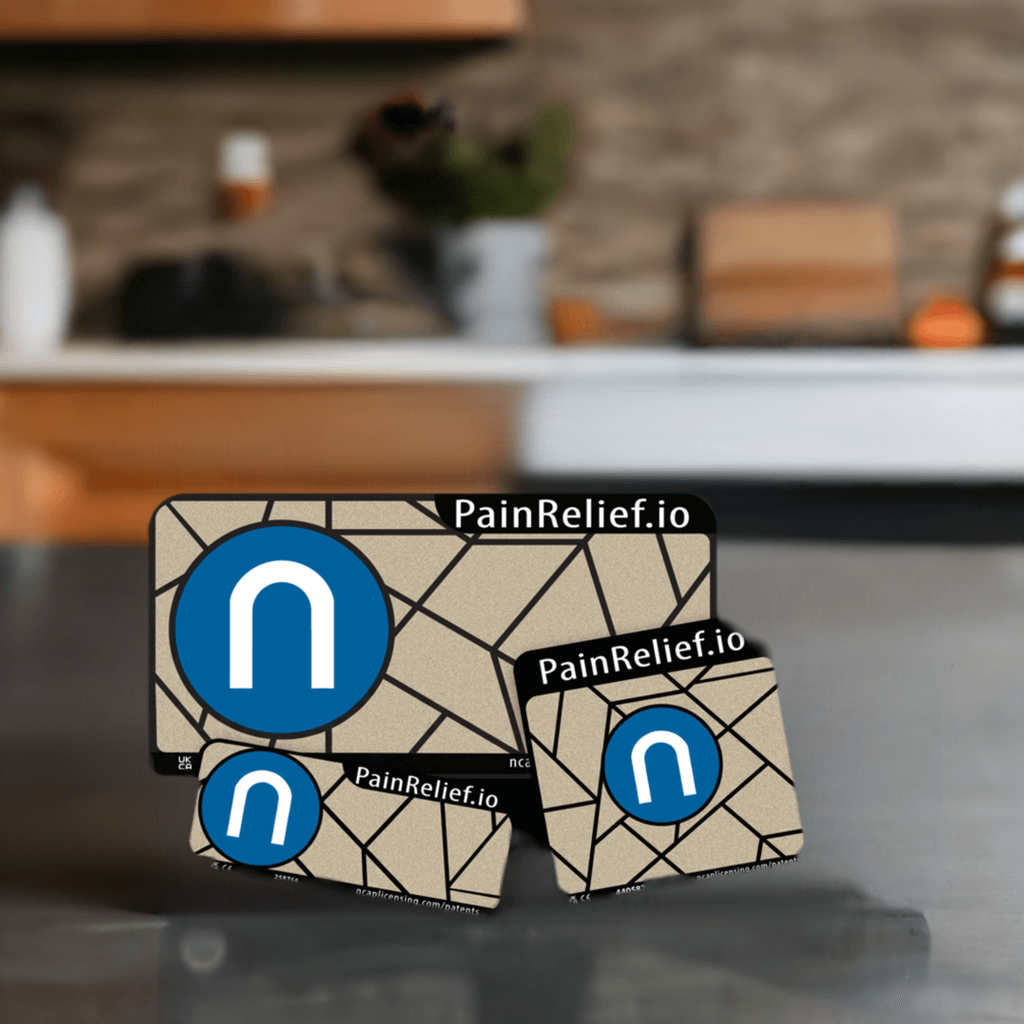
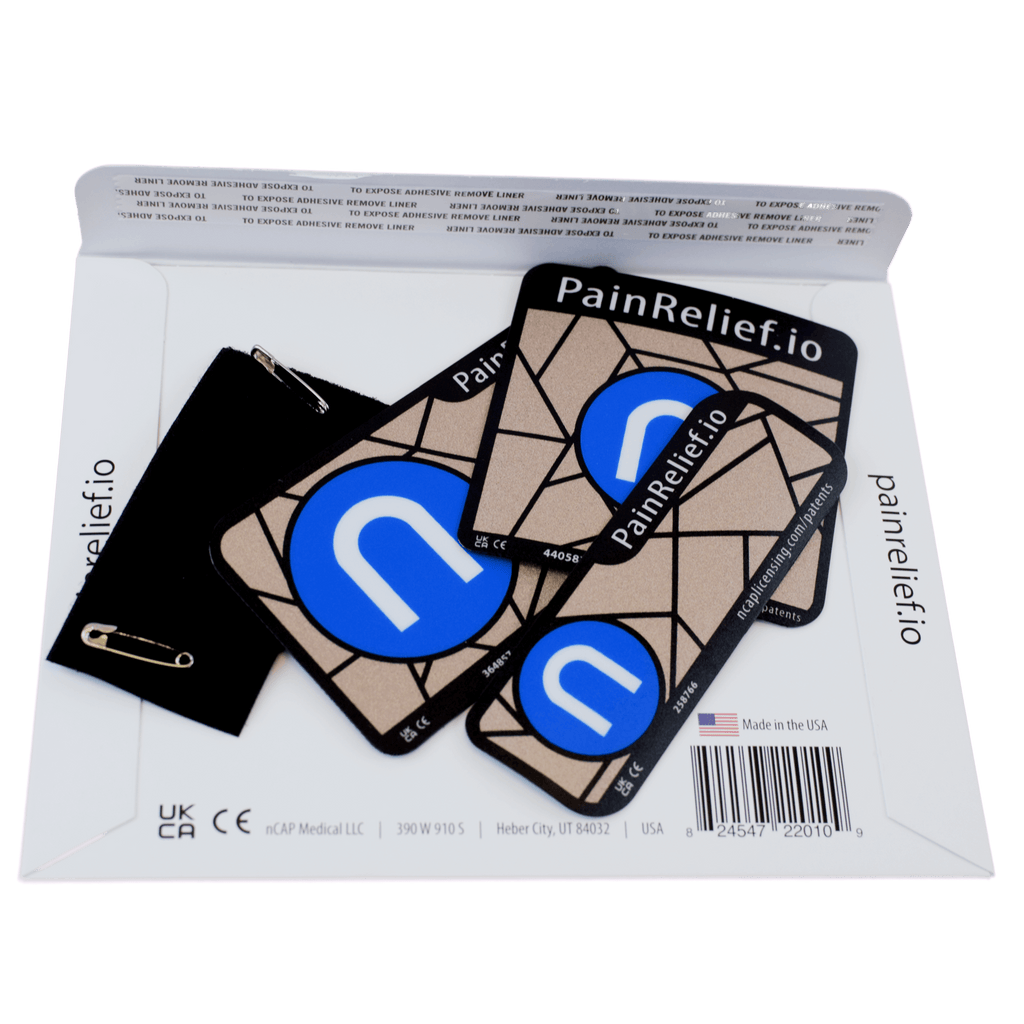
At PainRelief.io®, this approach centers on reusable wearable devices powered by patented NeuroCuple® nanocapacitive technology. The practical appeal is straightforward: drug-free support, no batteries, no wires, and targeted placement based on where pain shows up. For people who want something they can use again and again, that combination is hard to ignore.
The reusability piece matters more than it may seem. Disposable patches, topical products, and single-use solutions can become expensive and inconvenient. A reusable option is better aligned with how pain often behaves in real life. If discomfort is recurring, your relief strategy should be ready to recur too.
The honest answer is that no pain solution works the same way for every body or every condition. That includes both medications and non-drug approaches. What helps menstrual cramps may not be enough for migraine-related pain. What supports mild knee soreness after activity may not fully address long-standing nerve discomfort.
That does not mean drug-free options are limited. It means matching matters. Heat may be great for stiffness. Gentle movement may be better for sedentary back pain. A wearable device may be the practical choice for all-day support during work or travel. In some cases, people use a combination approach, such as posture changes, movement, and targeted wearable relief.
It is also worth saying clearly that persistent, severe, or unexplained pain deserves medical attention. Pain that suddenly changes, spreads, or interferes with function in a major way should not be brushed off. Drug-free relief tools are valuable, but they are not a substitute for diagnosis when something more serious may be going on.
Start with the pattern, not just the pain level. Ask where the discomfort happens, what tends to trigger it, how often it returns, and whether you need relief at home only or throughout the day. Someone with occasional post-workout soreness may need something different from someone managing daily neck tension at a desk job.
Next, think about usability. If a method only works when you are lying down in the living room, it may not help much during commuting, errands, or work hours. People are more consistent with options that are simple, portable, and easy to repeat.
Finally, consider whether the solution supports long-term use. This is where reusable, noninvasive products often make more sense than options that are messy, disposable, or difficult to fit into a normal schedule. Relief should not feel like another chore.
A good alternative to pain medication is not just about avoiding pills. It is about finding a method you will actually use when pain shows up on a Tuesday afternoon, during a bad night of sleep, after a long shift, or in the middle of a flare that has happened before. The more realistic the solution is, the more likely it becomes part of your routine.
The goal is not to win a debate between natural relief and medication. The goal is to have more than one way to respond when your body asks for help. When a drug-free option gives you targeted, repeatable support, pain stops dictating quite so much of the day.
Search
Terms of Service
Refund Policy
Contact Us
Protect my personal information
Affiliates: Join or Log In
PATENTS
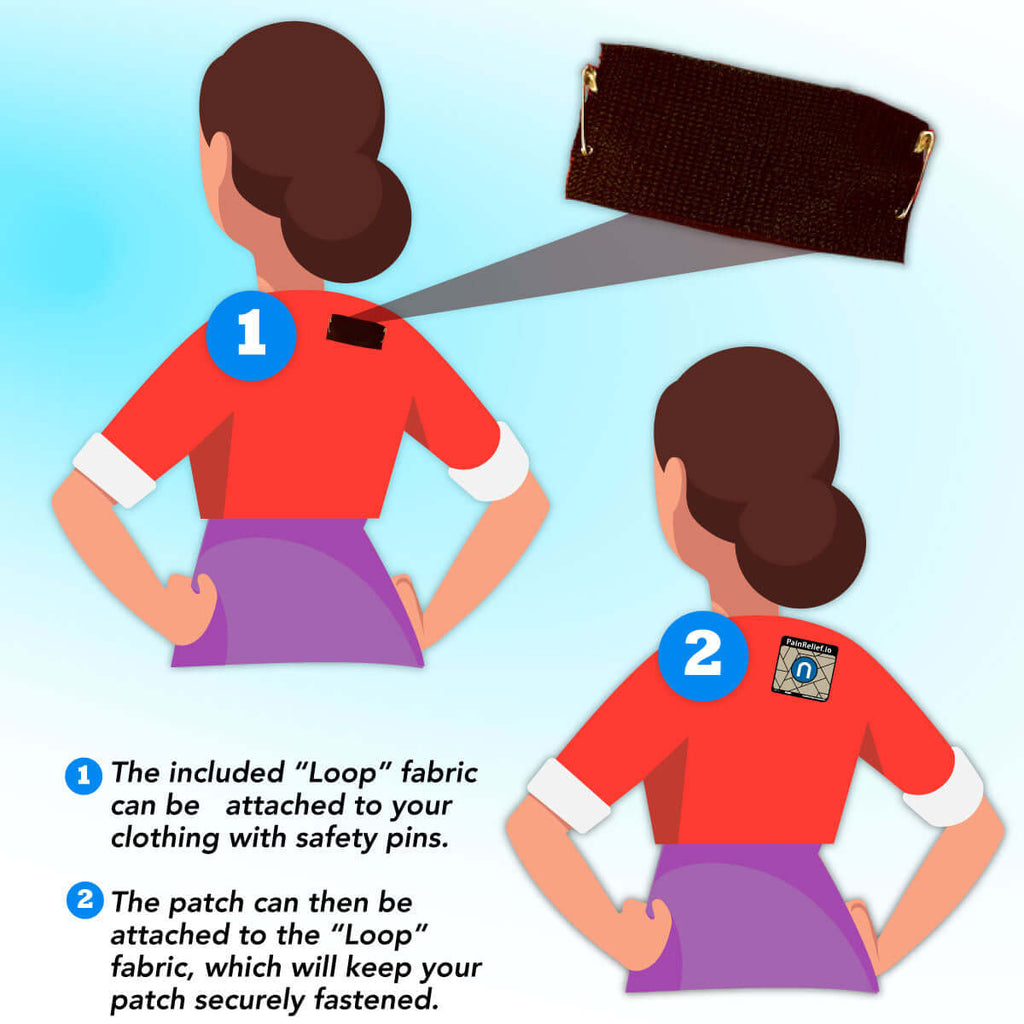
PainRelief.io® devices are designed to be simple to use. Just place the device near the area of discomfort and adjust as needed to find the position that feels most effective.
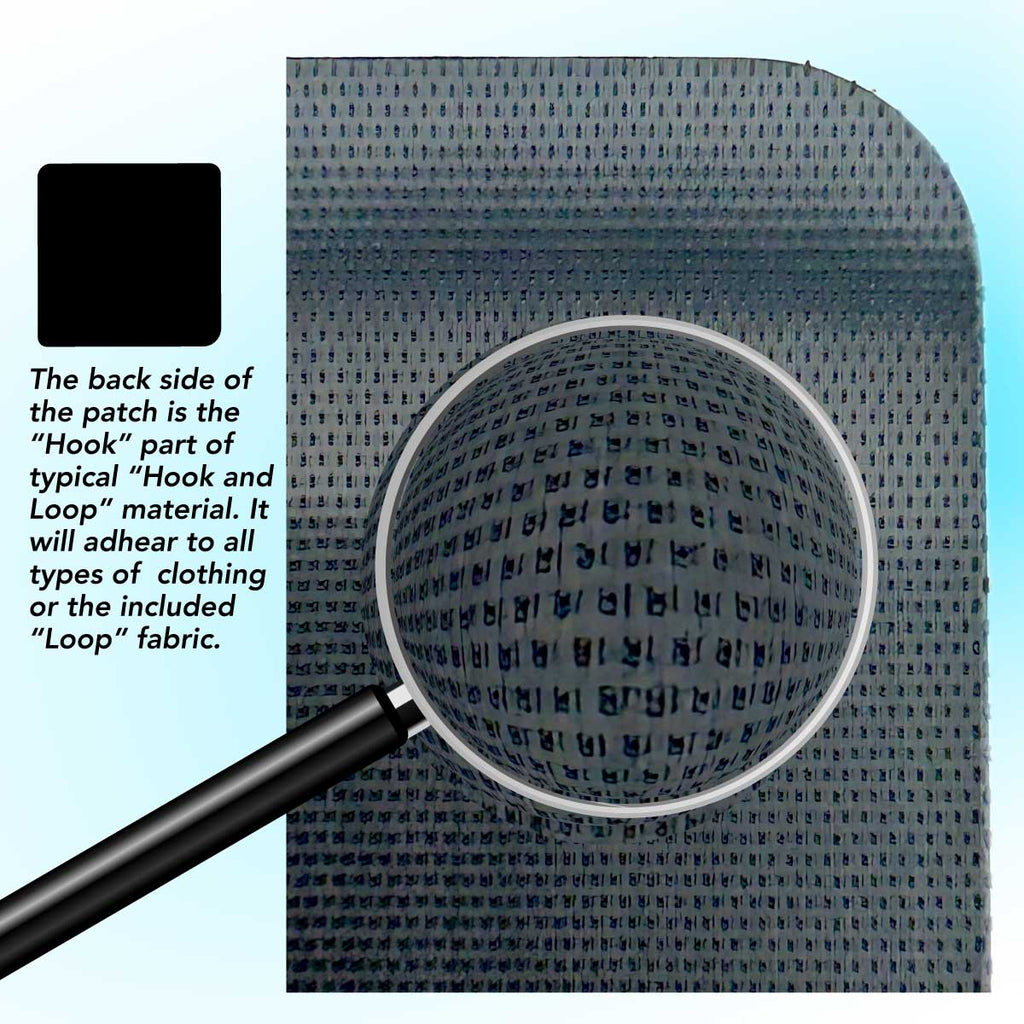
Each device is thin, reusable, wearable, and easy to use — with no batteries, no wires, no creams, and no drugs.
Inside each device is our patented NeuroCuple® layer, sealed between two durable waterproof layers. This technology is designed to work with your body’s natural bioelectrical environment in a simple, non-invasive way.
Some users report sensations such as warmth, cooling, or tingling during use, while others feel little or nothing at all.
PainRelief.io® devices are intended as general wellness products designed to support comfort, physical activity, and everyday function.