
Drug-Free • Reusable for Years • 137-Day Money-Back Guarantee
That moment when a patch helps for a few hours, then ends up peeled off, dried out, and in the trash is exactly why many people start comparing reusable pain patch vs disposable patches. If your pain shows up day after day - lower back strain, knee discomfort, neck tension, headaches, cramps, or jaw pain - the real question is not just what feels good once. It is what makes sense to use again and again.
For some people, disposable patches are a familiar first step. They are easy to find, simple to apply, and often marketed for quick relief. But when pain is recurring, the limits start to show. Rebuying the same product, dealing with strong scents or skin irritation, and timing your day around how long a patch lasts can get old fast.
A reusable option changes the conversation. Instead of relying on a one-time application that loses usefulness after a single wear, a reusable pain relief patch is designed for repeated use. That matters if you are trying to reduce waste, control long-term costs, and avoid building your pain routine around creams, pills, or heat packs.
At the most basic level, disposable patches are made to be used once and thrown away. Many work by delivering ingredients through the skin, creating a cooling or warming sensation, or sticking medicated material over the painful area for a limited time. Their value is immediate convenience.
Reusable patches are built around repeat wear. Instead of being consumed in one use, they are meant to keep serving the same purpose over time. Depending on the product, that may mean a fabric-based wearable, a structured patch that does not rely on creams or medication, or a technology-driven solution designed to interact with the body without batteries or topical ingredients.
This difference affects more than price. It changes how you think about pain management. A disposable patch is often a short-term purchase. A reusable patch is closer to a long-term tool.
Disposable patches are not automatically the wrong choice. If you have occasional soreness after a workout, a temporary stiff neck after travel, or a rare flare-up you do not expect to repeat, a single-use patch can feel practical. You buy it, use it, and move on.
They can also appeal to people who want a very specific sensation, such as menthol cooling or heat. For some users, that sensory effect is part of what makes the product feel helpful.
The trade-off is that the benefit often ends when the ingredients wear off, the adhesive weakens, or the patch needs to be removed. If your pain is frequent, you are back to buying another box and starting over.
Recurring pain exposes the weak points of single-use products quickly. Cost is one of the biggest. A product that feels inexpensive at first can become expensive when you are using it several times a week, every week.
Skin tolerance is another issue. Some people do fine with topical ingredients. Others get redness, itching, or irritation, especially with repeated use or on sensitive areas like the neck, temples, or jawline. Strong odors can also be a problem if you are wearing a patch at work, in public, or around family members who are sensitive to scent.
Then there is the simple fact that disposable products create a cycle of dependency on replacement. If you rely on them often, running out becomes part of the problem.
If pain is part of your routine, reusability is not just a convenience feature. It can be the difference between a relief option you actually keep using and one you abandon after a few weeks.
A reusable patch can offer better long-term value because the purchase is not tied to one wear. It also tends to fit better into a drug-free lifestyle. For people trying to reduce dependence on over-the-counter pain relievers, avoid topical ingredients, or move away from short-lived solutions, a reusable design makes more sense.
This is especially true for pain that returns in predictable patterns. Menstrual cramps, desk-related neck and shoulder tension, repetitive strain, arthritis discomfort, and old injury flare-ups are rarely one-time events. A product you can use repeatedly without constant reordering better matches how real pain behaves.
The best pain relief product is the one you will actually wear. That sounds obvious, but comfort often gets overlooked.
Disposable patches can feel fine for a short period, but some become less comfortable as they dry out, pull at the skin, or lose adhesion around joints and moving areas. Knees, shoulders, lower back, and jawline are not always easy places for a one-time patch to stay put.
Reusable patches vary, but strong design matters here. A lightweight, wire-free, battery-free format has practical advantages because it does not add bulk or force you to manage charging, cords, or ongoing maintenance. That can be especially useful if you want to wear a patch while working, resting, traveling, or doing light daily activity.
For many people, comfort is not about softness alone. It is about whether the solution feels easy enough to become part of normal life.
One of the biggest differences in reusable pain patch vs disposable patches is how relief is delivered.
Many disposable patches rely on ingredients such as menthol, capsaicin, lidocaine, or heat-generating materials. That approach can be useful, but it also means the patch is dependent on a consumable effect. Once the ingredients are spent, the product is finished.
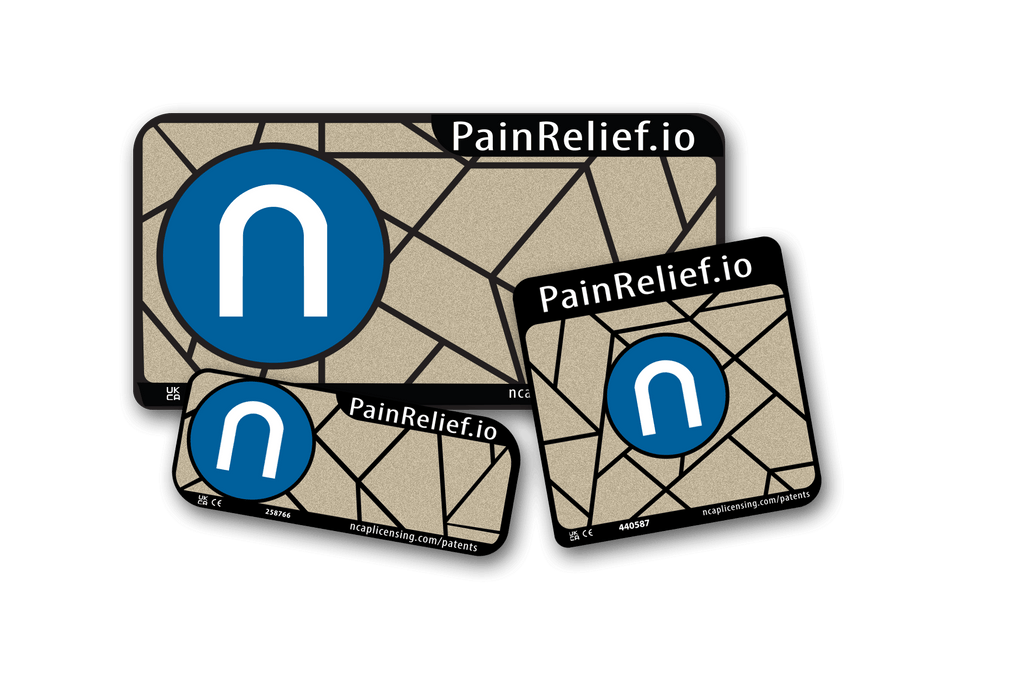
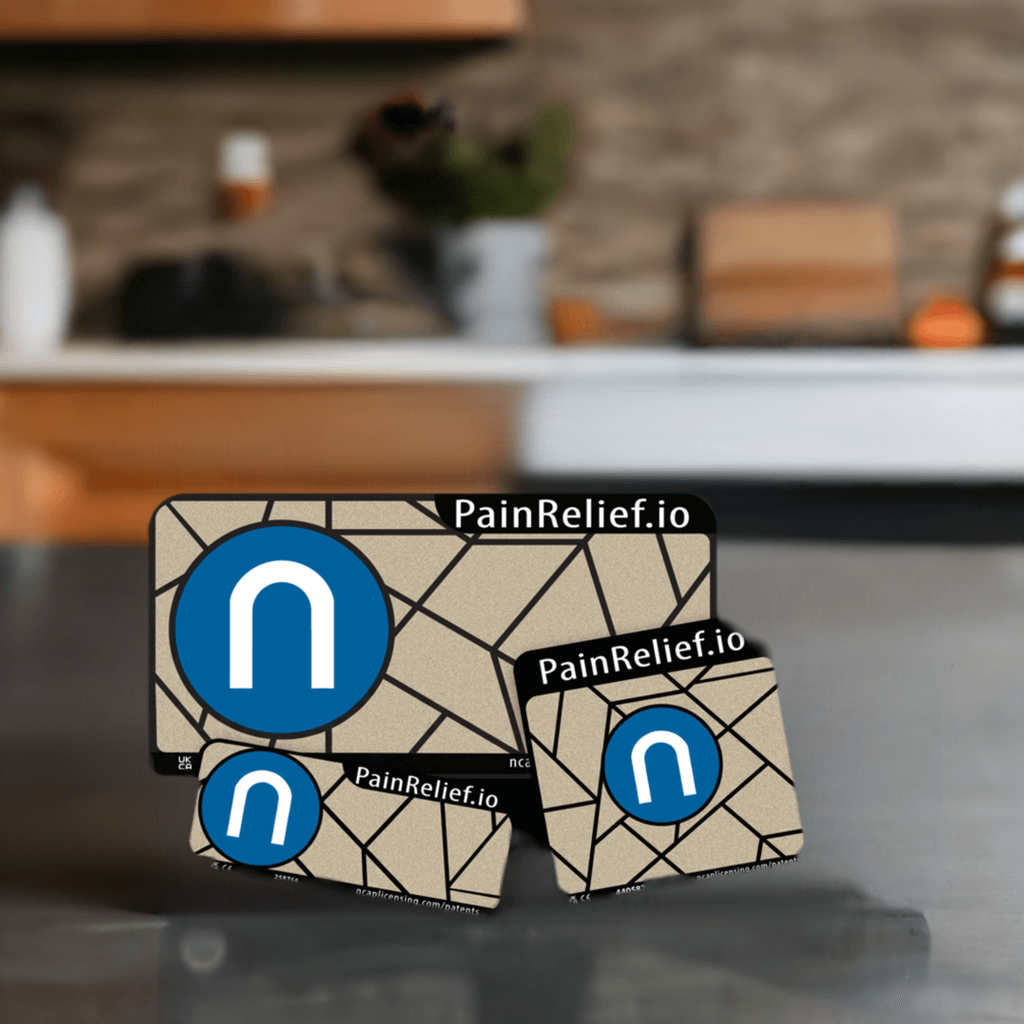
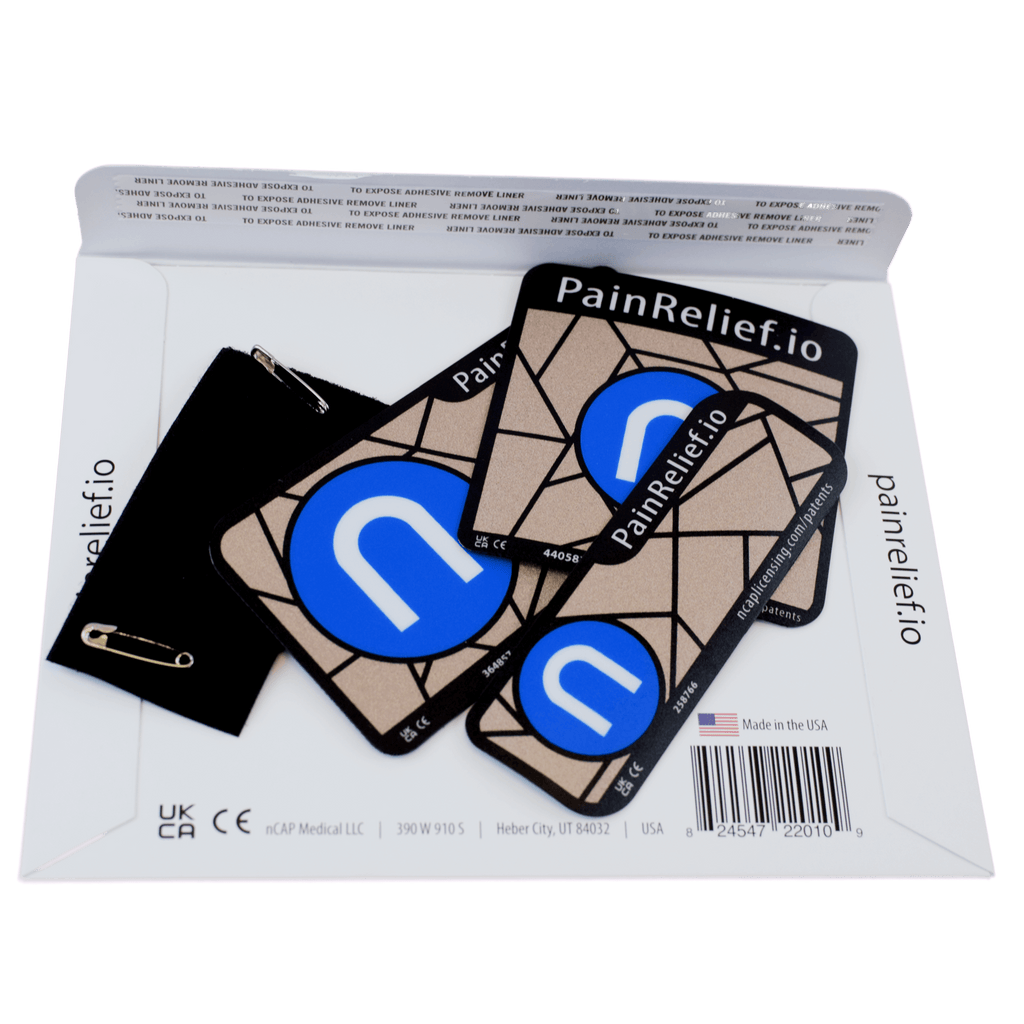
Some reusable options take a different path. Rather than using medication, heat, or scent, they are designed to work with the body in a drug-free way. PainRelief.io®, for example, centers its reusable wearable patches around patented NeuroCuple nanocapacitive technology, a battery-free and wire-free approach built for repeat use across different body areas.
That distinction matters for people who want relief without adding another topical product to their routine. It also matters if you are sensitive to ingredients or simply tired of products that smell medicinal and end up in the trash after one day.
Single-use patches often win the first-purchase comparison. Reusable patches often win the long-term math.
If you only need relief once in a while, the cost difference may not matter much. But if pain is recurring, weekly replacement adds up quickly. A box here and another box there can turn into a steady monthly expense.
A reusable patch asks you to think beyond the next flare-up. It is less about the cheapest moment and more about total value over time. For chronic pain sufferers and anyone managing repeat discomfort, that shift in perspective is usually where reusable products start to look much more practical.
It depends on the pattern of your pain.
For occasional soreness, travel stiffness, or a short-term issue you do not expect to revisit, disposable patches can be enough. They are simple and familiar.
For chronic back pain, joint discomfort, nerve irritation, recurring headaches, menstrual cramps, TMJ pain, or frequent shoulder tension, a reusable patch often fits better. These are not one-off problems. They tend to come back, and using a throwaway product every time can feel like managing symptoms on a loop instead of building a more sustainable routine.
Placement also matters. If you need a patch for different body areas at different times, reusable solutions designed by size or use case can offer more flexibility than a generic box of single-use patches.
Start with three questions. How often does your pain come back? Do you want a drug-free option? And are you looking for a quick purchase or a longer-term solution?
If your pain is rare and you do not mind ingredients, a disposable patch may be enough. If your pain is recurring, you want to avoid medication or topical actives, and you care about long-term usability, a reusable patch is usually the better fit.
The smartest choice is the one that matches your actual life, not just the label on the box. Pain has a way of repeating itself. Your relief option should be ready for that.
If you are tired of temporary fixes, look for something built to stay in your routine, not something designed to be used once and forgotten.
Search
Terms of Service
Refund Policy
Contact Us
Protect my personal information
Affiliates: Join or Log In
PATENTS
PainRelief.io® devices are designed to be simple to use. Just place the device near the area of discomfort and adjust as needed to find the position that feels most effective.
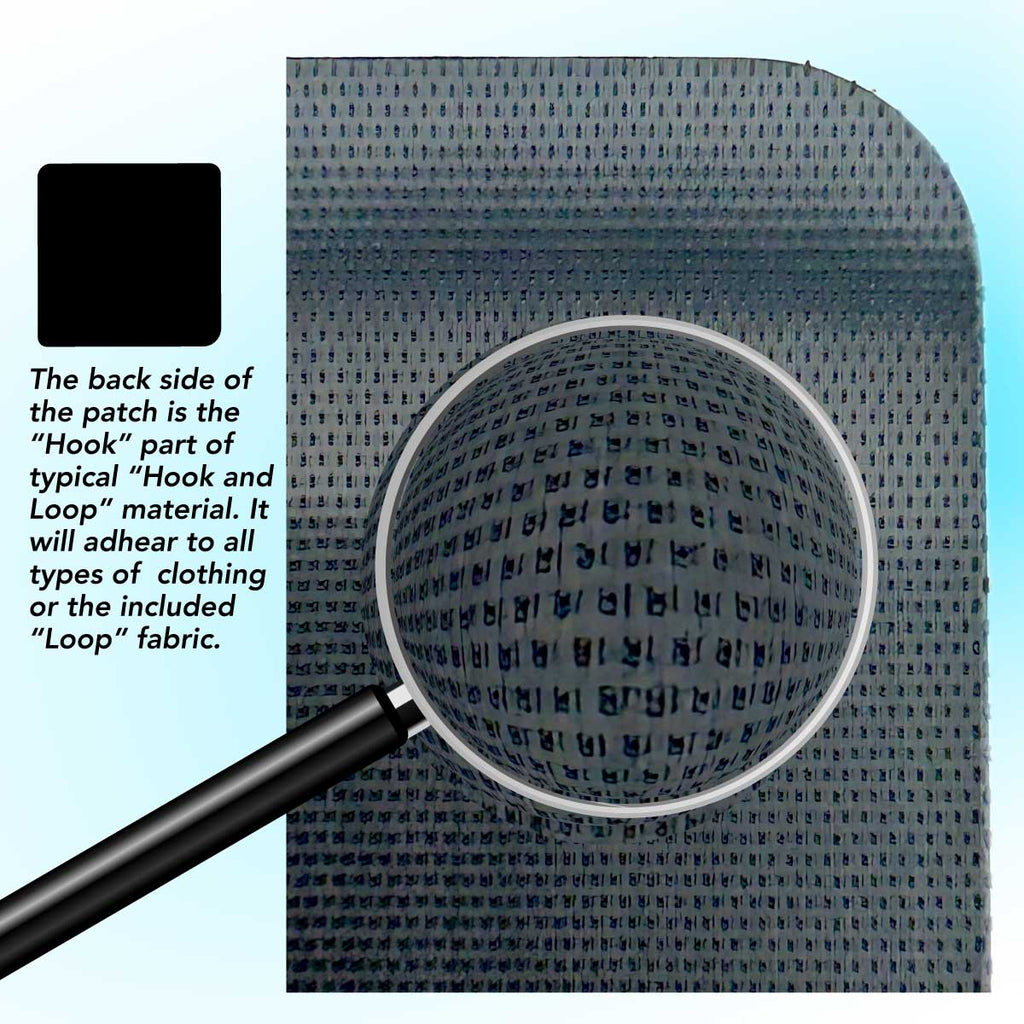
Each device is thin, reusable, wearable, and easy to use — with no batteries, no wires, no creams, and no drugs.
Inside each device is our patented NeuroCuple® layer, sealed between two durable waterproof layers. This technology is designed to work with your body’s natural bioelectrical environment in a simple, non-invasive way.
Some users report sensations such as warmth, cooling, or tingling during use, while others feel little or nothing at all.
PainRelief.io® devices are intended as general wellness products designed to support comfort, physical activity, and everyday function.