

That stiff, pulling ache in your lower back rarely shows up at a convenient time. It hits when you are driving, sitting through work, trying to sleep, or bending down to pick something up. For many people, back pain patches seem like an easy answer because they are simple, familiar, and available almost everywhere. The real question is whether they match the kind of relief you need - and how long that relief actually lasts.
Most back pain patches fall into a few categories. Some use heat to relax tight muscles and create a soothing sensation. Others deliver topical ingredients such as menthol, lidocaine, or capsaicin through the skin. A few are designed more for support or compression than actual pain relief.
That difference matters because back pain is not one thing. Sometimes it is muscle tension from sitting too long. Sometimes it is overuse after exercise, a flare-up from an old injury, irritation around nerves, or ongoing chronic discomfort that keeps returning. A patch that feels good on the surface may still do very little for the deeper reason your pain keeps coming back.
This is where expectations often get off track. Many people buy a patch hoping for sustained relief, then find that the effect is mild, temporary, or tied to an ingredient that fades after a few hours. That does not mean patches never help. It means the type of patch and the type of pain need to line up.
For short-term comfort, back pain patches can make sense. A heating patch may help if your back feels tight after yard work, travel, or a long day at a desk. A cooling or numbing patch may feel useful when the area is irritated and you want a fast, low-effort option.
They are also convenient. You stick one on, go about your day, and do not need to think much about it. For someone who wants a quick option before a commute or while sitting through a meeting, that simplicity has real value.
The trade-off is that convenience is not always the same as lasting relief. Disposable patches are usually designed for temporary use. Once the active ingredient wears off or the heat fades, the benefit often fades too. If your pain is frequent, you can end up cycling through patch after patch without really changing the pattern.
The biggest limitation is that most patches are short-lived by design. Heat patches cool down. Topical patches run out of active ingredient. Adhesives loosen with movement, sweat, or body hair. And if you have sensitive skin, repeated use can become its own problem.
There is also the question of what you are trying to avoid. Many people specifically search for drug-free pain relief because they are tired of pills, side effects, or temporary fixes. Some back pain patches still rely on medicated ingredients, which may not fit that goal.
Cost can sneak up, too. One disposable patch may seem inexpensive, but repeat use adds up quickly if your back pain is part of your weekly routine instead of a once-in-a-while issue.
If you only need occasional comfort after a long flight or a weekend project, a disposable patch may be enough. But if your pain shows up several times a week, interrupts sleep, limits activity, or keeps returning in the same area, it makes sense to think beyond a one-time stick-on solution.
For recurring back pain, many people are not just looking for a sensation like heat or cooling. They want something they can use again and again, without depending on medication, messy creams, cords, batteries, or single-use products. That is where reusable wearable pain relief options have become much more relevant.
This comparison matters because the two options solve different problems.
Traditional back pain patches are often about short-term symptom masking. They may warm, cool, or numb the area for a limited period. Reusable drug-free wearables are more about ongoing support for people who want a noninvasive option they can keep using over time.
A reusable wearable also changes the value equation. Instead of buying a new patch every time your back tightens up, you have a tool you can apply repeatedly. For people managing chronic pain, work-related strain, post-workout soreness, or daily lower back tension, that difference is practical, not just theoretical.
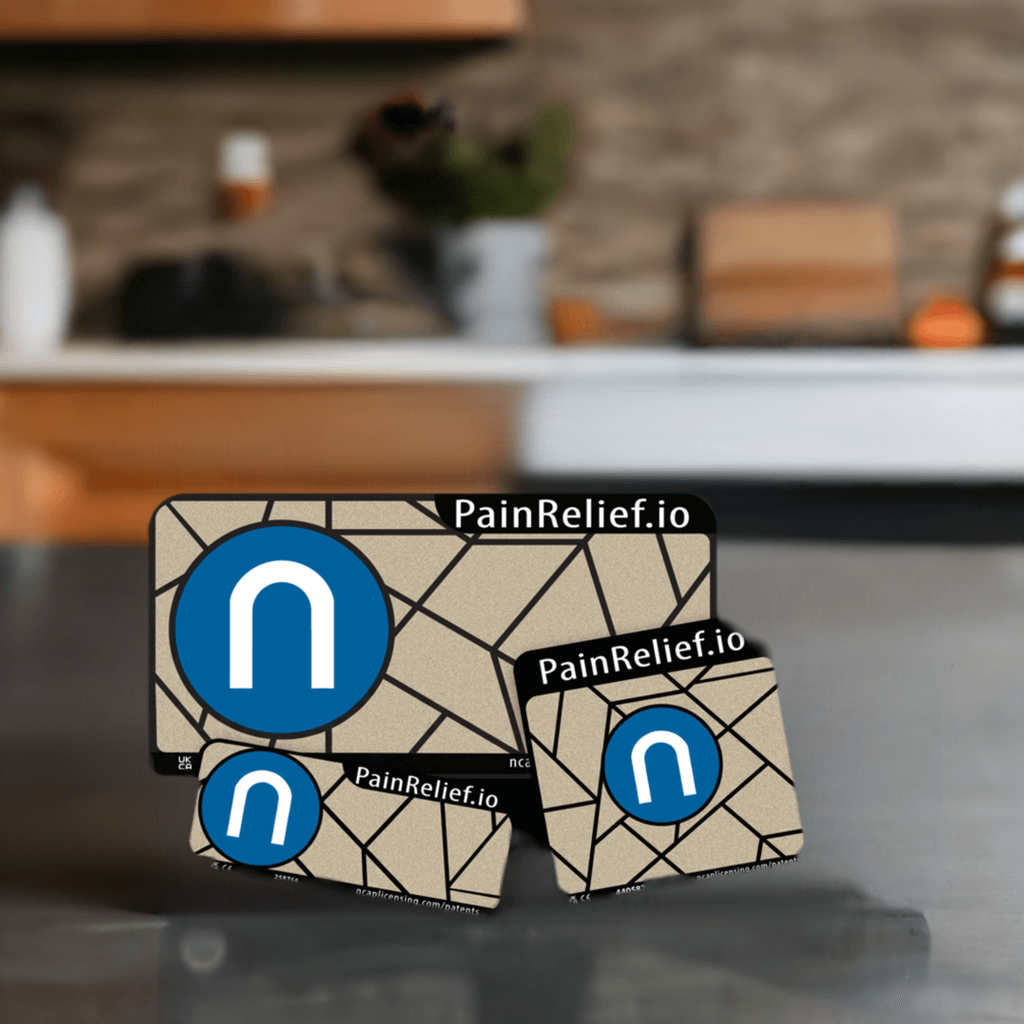
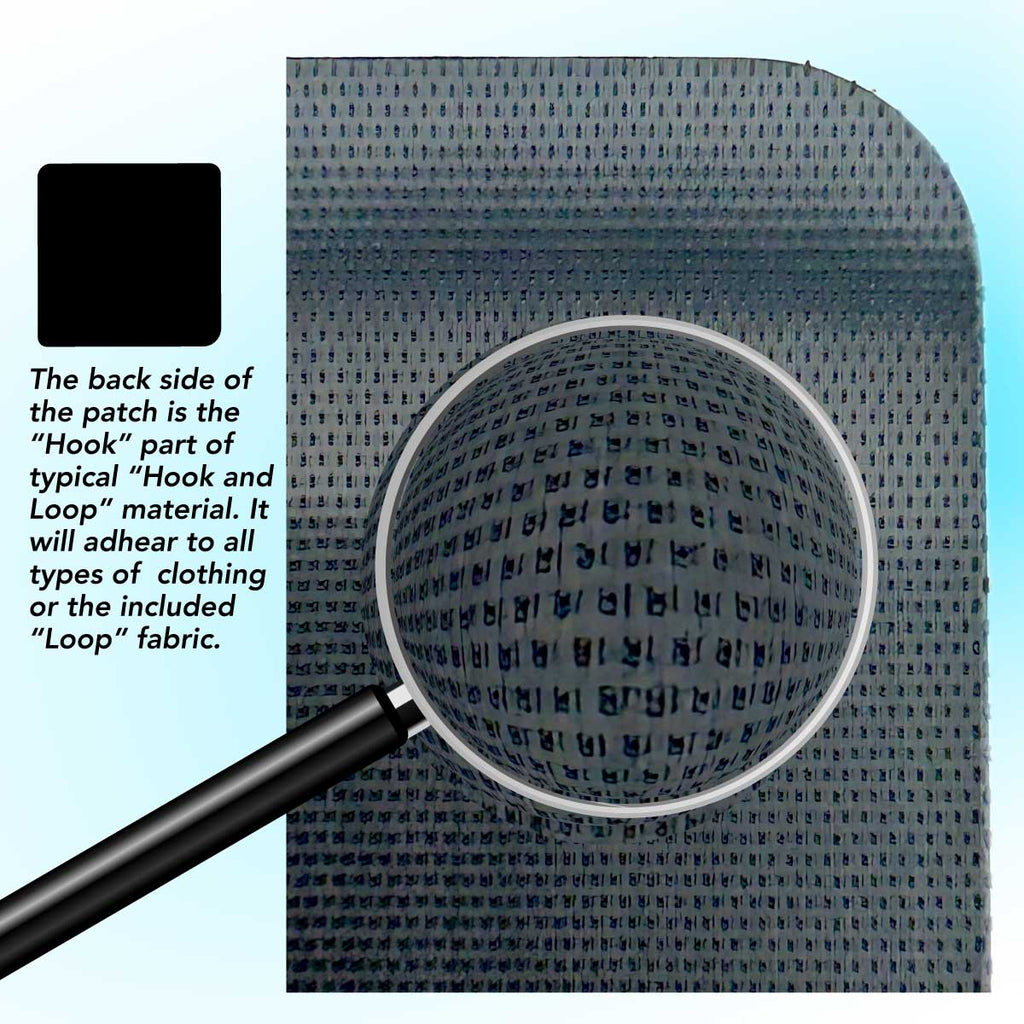
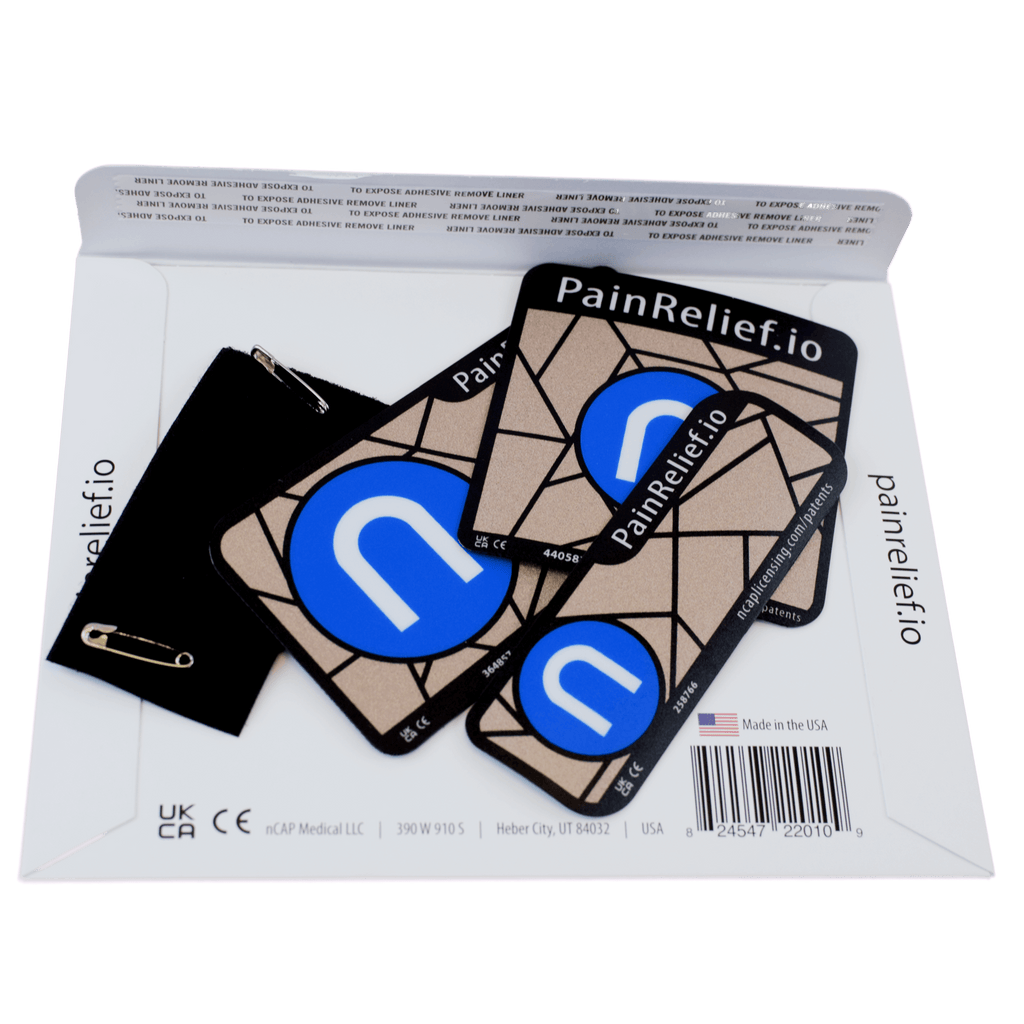
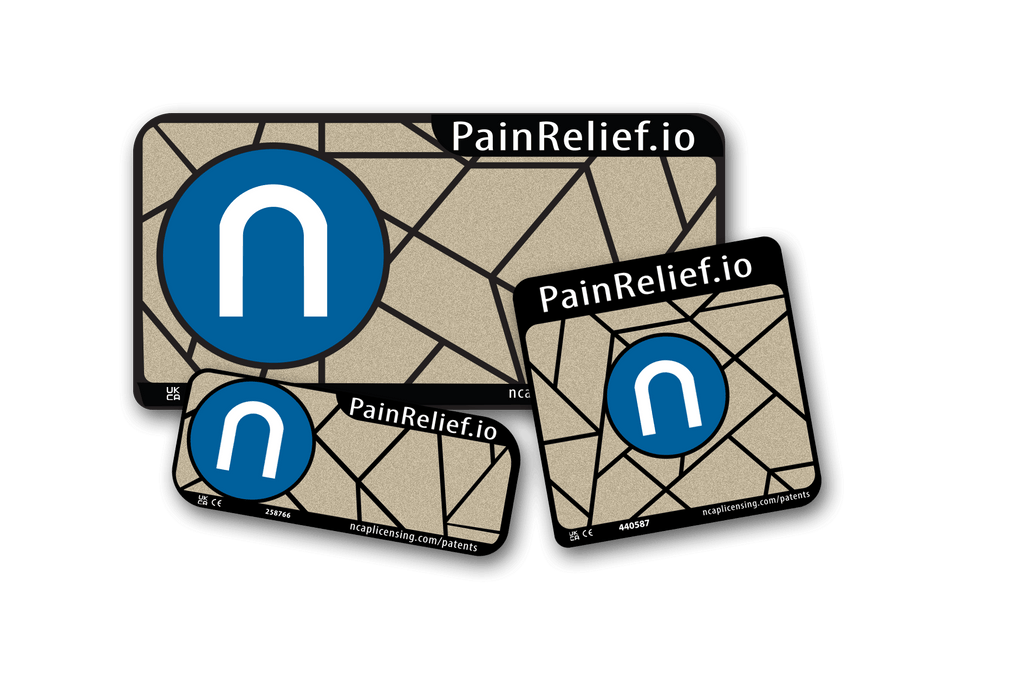
PainRelief.io® approaches this category with patented NeuroCuple® nanocapacitive technology in a reusable, battery-free, wire-free format. That matters for people who want something simple enough to wear during normal life, without creams, heating elements, or disposable refills. It is a different approach from the standard patch model, and for some users that makes more sense than constantly replacing single-use products.
Back pain has a habit of becoming a cycle. You feel better, get busy, move the wrong way, sit too long, sleep awkwardly, and it starts all over again. That pattern is one reason so many people end up frustrated with temporary products. Relief that only lasts until the patch wears off can be helpful in the moment, but it may not fit real life if the pain keeps returning.
This is especially true for lower back pain. The lower back is involved in almost everything - walking, sitting, lifting, driving, and getting out of bed. Because the area is under constant demand, relief solutions need to be practical enough for repeated use.
That does not mean one product works for everyone. Some people still prefer heat. Others want a medication-free option they can wear discreetly under clothing. Some need broad coverage, while others want to target one side of the lower back or a specific trigger point. The best choice depends on how often the pain shows up, how localized it is, and whether you are looking for temporary comfort or a longer-term routine.
Start with frequency. If your pain is occasional, a disposable patch may be fine. If you are reaching for relief every few days, reusability becomes much more important.
Next, think about ingredients. If you are sensitive to topical products, dislike strong smells, or want to avoid medication, read the label carefully. Many patches are not as simple as they look.
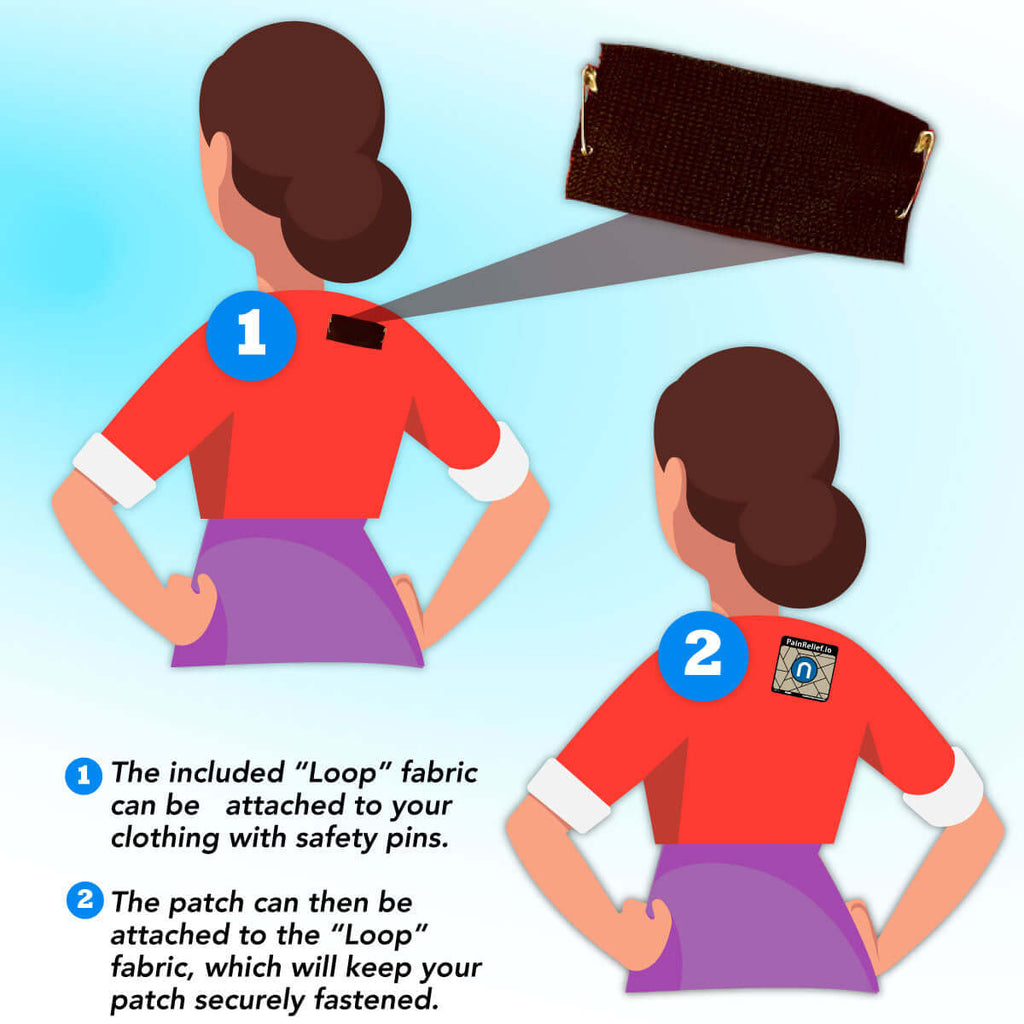
Then consider wearability. Does it stay in place while you move? Can you sit, drive, or work with it on? Is it easy to position on the lower back without help? A product that sounds good but is annoying to wear usually ends up in a drawer.
Finally, think about the bigger pattern. If your back pain is severe, persistent, spreading, or accompanied by numbness, weakness, fever, or bladder or bowel changes, self-treatment is not enough. That is a point to get medical evaluation, because not every kind of back pain should be managed at home.
Most people searching for back pain relief are not actually searching for adhesive. They are searching for a way to get through the day with less disruption. They want to work, sleep, bend, travel, exercise, and move without planning everything around discomfort.
That is why the conversation around back pain patches has shifted. The category still has a place, especially for quick short-term use. But more people now want relief options that are drug-free, noninvasive, reusable, and realistic for everyday life. They want less trial and error, fewer consumables, and more control.
If that sounds familiar, it may help to stop asking which patch is strongest and start asking which solution fits the way your pain actually behaves.
A useful pain relief tool should make life feel more manageable, not create one more thing you have to keep replacing.