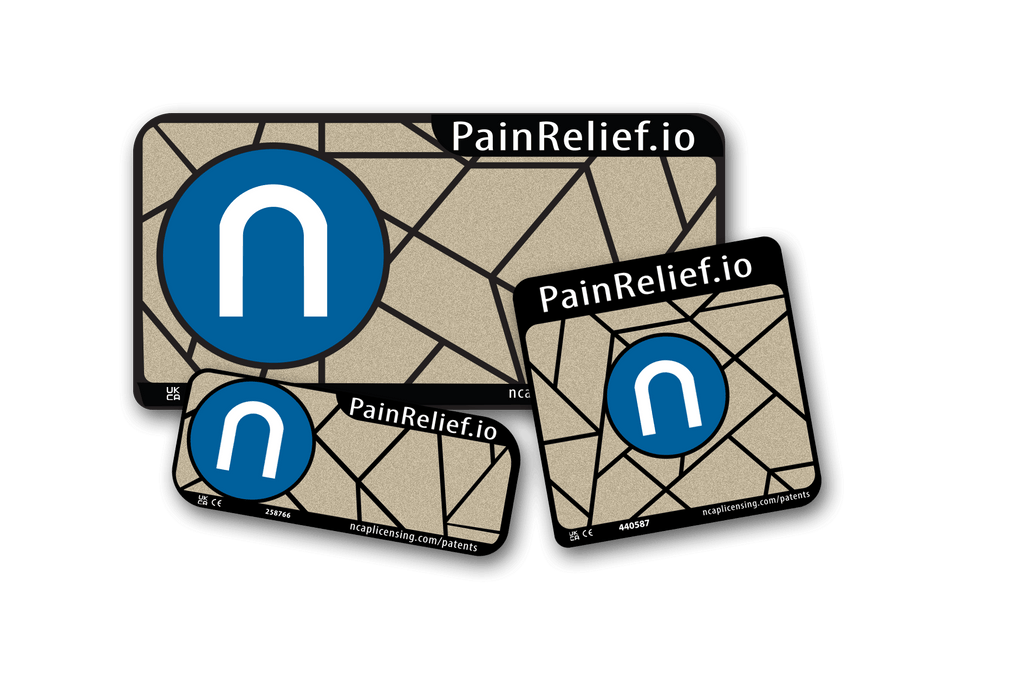

Drug-Free • Reusable for Years • 137-Day Money-Back Guarantee
A disposable patch that warms the skin or delivers medication is easy to understand. A reusable pain patch can feel more mysterious. So when people ask, how do reusable pain patches work, they are usually really asking a bigger question - how can something thin, wearable, and drug-free make a painful area feel better?
The answer depends on the type of patch. Reusable pain patches are not all built on the same idea, and that matters. Some rely on pressure, some on materials designed to interact with the body’s electrical environment, and some are closer to wearable support devices than traditional topical patches. If you are comparing options, the key is understanding what the patch is actually doing once it touches your skin.
Most reusable pain patches are designed to change the local environment around pain without adding medication into the body. That makes them different from medicated patches that deliver ingredients through the skin, and different from heat patches that mainly raise tissue temperature for a short period.
In practical terms, a reusable patch usually works by staying in place over the area that hurts and creating a physical or bioelectrical interaction at the skin’s surface. The goal is to support the body’s own pain-signaling process in a different way. Depending on the technology, that may mean influencing sensory input, reducing aggravation from movement, or interacting with the body’s naturally occurring electrical signals.
This is why two patches that look similar can feel very different in use. One may provide only mild support or compression. Another may be designed to work with the body’s electrical field and may not feel hot, cold, or medicinal at all. For many people, that lack of obvious sensation is what creates doubt at first. We tend to expect pain relief to tingle, burn, smell like menthol, or feel warm. Reusable wearables often do not work that way.
The broad category includes a few different approaches. Fabric-based support patches may help by stabilizing an area or reducing strain during movement. Magnetic-style products claim to influence local discomfort through embedded materials, though effectiveness can vary widely by product and user.
Then there are drug-free wearable patches built around conductive or capacitive materials. These are designed to interact with the body’s bioelectrical environment rather than release a substance. That distinction is important because the body is electrical as well as chemical. Nerves communicate through electrical impulses, muscles contract through electrical activity, and pain signaling is tied to that same system.
When a reusable patch is built for bioelectrical interaction, the idea is not to force the body to do something unnatural. It is to create a passive interface at the skin that may help settle or redirect disruptive signaling around a painful area. In simple terms, the patch is designed to work with what your body is already doing.
Creams aim to create a sensation or deliver active ingredients. Heat pads warm tissue and can relax stiff muscles, but they are often bulky, temporary, and tied to cords, batteries, or single-use packs. Pain medication works systemically, which means it affects the body beyond the exact spot that hurts.
A reusable wearable patch with bioelectrical technology is more targeted. You place it where the pain is, and it stays there while you move through your day. There is no drug to absorb, no smell, and no battery to charge. For someone trying to avoid pills or repeated disposable products, that can be a meaningful shift.
That does not mean every patch works for every type of pain. Muscle soreness after a workout, nerve discomfort, joint pain, menstrual cramps, and chronic back pain can each respond differently. Placement, patch design, and consistency of use all matter. The better the patch matches the body area and pain pattern, the more likely it is to be useful.
Pain is not always just a tissue problem. Sometimes the tissue has already calmed down, but the pain keeps showing up. Sometimes movement, pressure, stress, inflammation, or nerve irritation keeps the signaling cycle active. That is one reason pain can persist or return even when you are resting, stretching, or trying multiple short-term fixes.
A reusable patch designed around nanocapacitive or similar bioelectrical principles aims to create a passive energy interface between the skin and the underlying signaling environment. The patch does not inject anything into the body. It does not power itself with a battery. Instead, it uses its material properties to interact with the body’s own electrical field.
This approach is appealing because it is noninvasive and simple. You apply the patch over or near the painful area and let it work while you sit, walk, sleep, commute, or go about normal activity. For many users, that matters as much as the technology itself. A pain solution only helps if you will actually use it consistently.
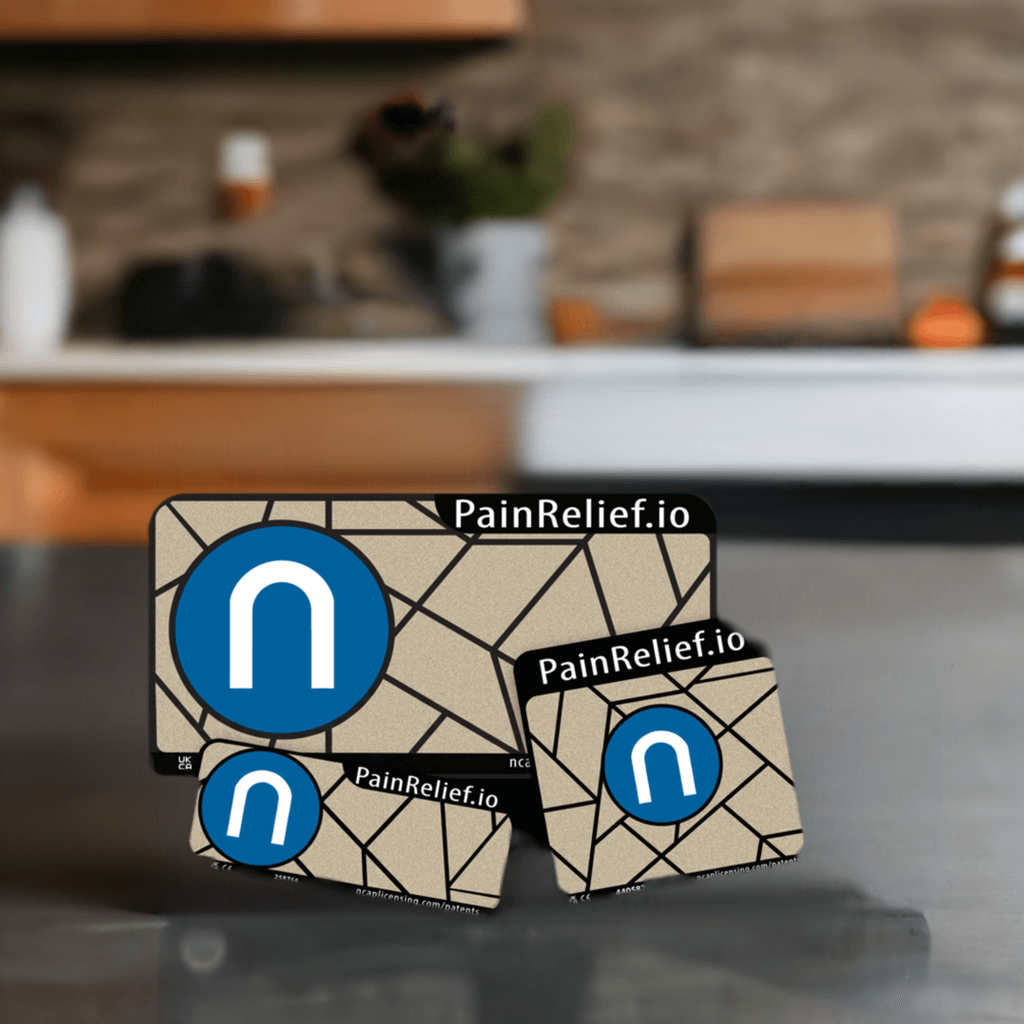
PainRelief.io® uses patented NeuroCuple® nanocapacitive technology for this reason. The concept is to provide drug-free, battery-free, wire-free support that can be used again and again across common pain areas like the back, knee, neck, shoulders, jaw, temples, and abdomen.
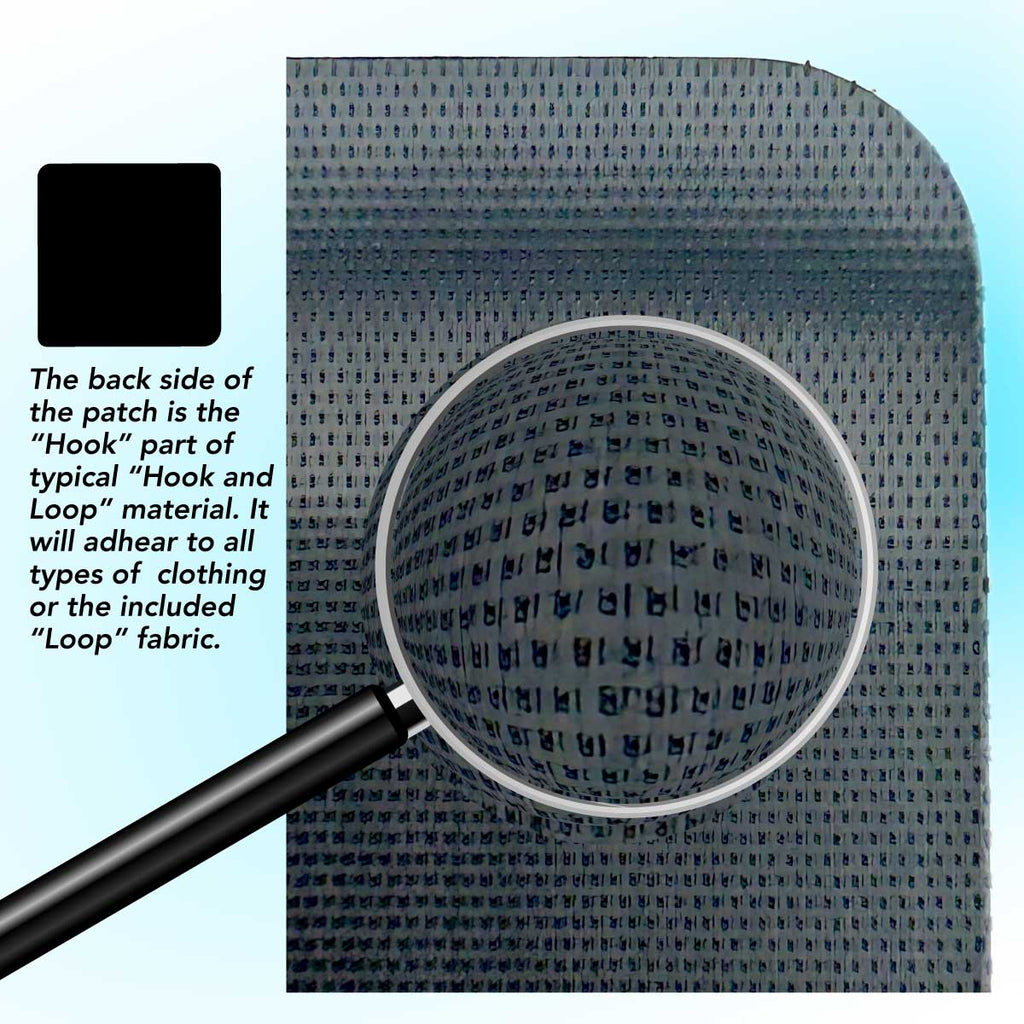
This depends on the patch design and how you care for it. A true reusable patch is built to be worn multiple times, but reusability has limits. Skin oils, sweat, body hair, lotion, and repeated handling can reduce adhesion over time. Some products solve this with washable adhesive surfaces or replaceable covers, while others are meant to be used with a wrap or sleeve.
The technology layer and the adhesive layer are not always the same thing. A patch may still have functional material integrity even if the stickiness needs maintenance. That is why following the product’s care instructions matters more than people expect.
Placement matters too. A patch on a low-movement area may stay put for hours, while one placed over a highly mobile joint may lift sooner unless the shape and size are right for that body part. That is one reason body-area-specific sizing can make a real difference. A lower back patch, for example, should behave differently than a patch meant for the temple or jaw.
The biggest variables are the type of pain, exact placement, and expectations. If the painful area is broad, using a patch that is too small may not give the same result as a better-matched size. If pain radiates, the best placement may be near the source rather than directly on the most intense spot. And if someone expects the patch to feel like ice, heat, or menthol, they may assume it is not doing anything when it simply works more quietly.
Timing also matters. Some people notice change quickly, while others need repeated use to judge whether the patch is helping their daily pattern of pain. Chronic pain especially is rarely a one-variable problem. Sleep, posture, stress, inflammation, repetitive movement, and past injury can all shape the experience.
That is why reusable patches are best seen as a practical tool, not magic. They can be a strong fit for people who want targeted, drug-free support they can wear regularly. They may be less satisfying for someone who only wants an intense temporary sensation or expects one product to solve every kind of pain in exactly the same way.
For many people, yes - especially if they are tired of cycling through creams, disposable heat wraps, or frequent medication use. Reusability changes the value equation. Instead of using something once and throwing it away, you have a wearable option designed for repeated use over time.
That matters most for recurring pain. If your back tightens up at work, your knee acts up on stairs, your shoulders tense by evening, or cramps return every month, a reusable patch can make more sense than a short-lived solution you have to keep replacing. The convenience is part of the relief story.
The best question is not just whether reusable pain patches work. It is whether a specific patch uses a technology that fits your goals, your pain pattern, and your preference for drug-free care. When the answer is yes, a simple patch can become one of the easiest tools to keep within reach - not because it looks dramatic, but because it fits real life.
Search
Terms of Service
Refund Policy
Contact Us
Protect my personal information
Affiliates: Join or Log In
PATENTS
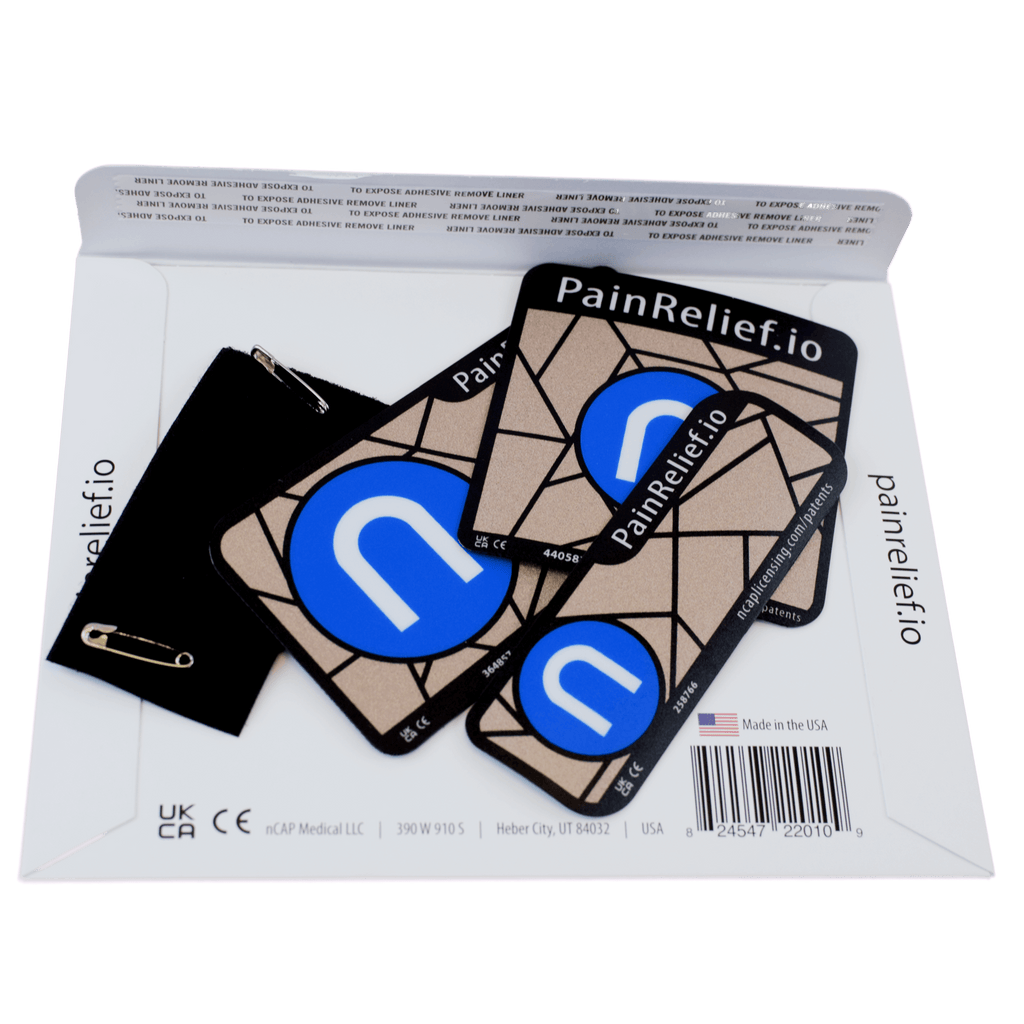
PainRelief.io® devices are designed to be simple to use. Just place the device near the area of discomfort and adjust as needed to find the position that feels most effective.
Each device is thin, reusable, wearable, and easy to use — with no batteries, no wires, no creams, and no drugs.
Inside each device is our patented NeuroCuple® layer, sealed between two durable waterproof layers. This technology is designed to work with your body’s natural bioelectrical environment in a simple, non-invasive way.
Some users report sensations such as warmth, cooling, or tingling during use, while others feel little or nothing at all.
PainRelief.io® devices are intended as general wellness products designed to support comfort, physical activity, and everyday function.