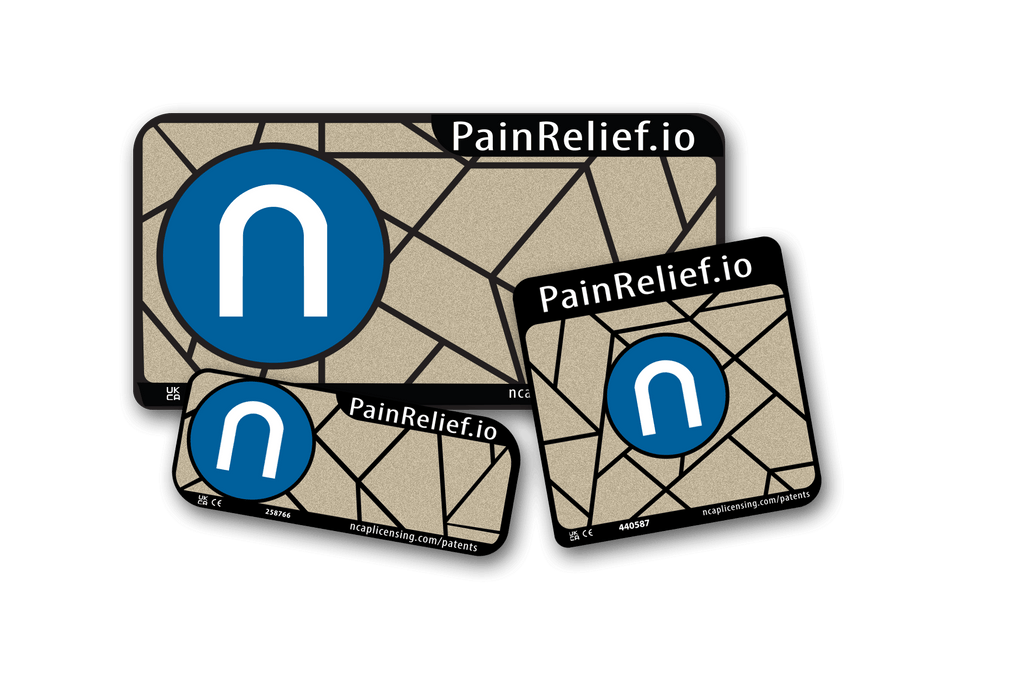

Drug-Free • Reusable for Years • 137-Day Money-Back Guarantee
Travel sounds relaxing in theory, but for people dealing with back pain, neck pain, joint pain, headaches, TMJ, or muscle tension, it often creates
Travel sounds relaxing in theory, but for people dealing with back pain, neck pain, joint pain, headaches, TMJ, or muscle tension, it often creates the perfect conditions for discomfort. Long car rides, airplane seats, hotel beds, carrying luggage, schedule disruption, and reduced movement can all make pain worse.
That is why searches like traveling with back pain, how to sit comfortably on a plane with pain, and how to manage pain while traveling without medication are so valuable. Travelers want simple, reliable solutions. They do not want a complicated pain-management routine that depends on multiple products, constant refills, or special setup.
The most effective travel pain strategy is portable, repeatable, and easy to use anywhere. That is exactly why reusable options like NeuroCuple® become such a strong first solution to try.
Travel compresses many pain triggers into a short time.
Cars, planes, trains, and airport waiting areas all involve extended periods of sitting. This can:
Even active travelers often move less naturally than they do at home. There are fewer normal routines, fewer stretching opportunities, and more time spent waiting.
Lifting and carrying bags can aggravate:
Travel is not always relaxing. Delays, logistics, and poor sleep increase stress, which often amplifies pain perception.
Hotel beds, different pillows, and changing schedules can worsen nighttime pain and stiffness.
Many travelers default to solutions that seem convenient but create new problems.
Disposable patches, creams, and other limited-duration products can be difficult because they:
When pain is recurring during travel, the last thing people want is to worry about supply management.
A useful travel solution should be:
That is why reusability becomes such a major advantage during travel.
NeuroCuple® fits travel pain management unusually well because it is:
Unlike many single-use alternatives, you do not need to keep buying or replacing it during a trip. That matters whether you are:
It becomes a dependable tool you can keep using throughout the trip.
Long sitting periods create compression and stiffness.
Helpful strategies:
Phones, laptops, and awkward seat positions often create upper body tension.
Helpful strategies:
Travel often includes:
A reusable device becomes useful here because it can support recurring discomfort without the hassle of going through multiple disposable items.
Travel headaches may be triggered by:
A pain strategy that does not depend on medication can be especially valuable when schedules are irregular.
A strong pain-prevention kit does not need to be complicated. The goal is not to bring everything. The goal is to bring what you will actually use.
A smart system includes:
Travel is unpredictable. Simpler systems work better.
This is where NeuroCuple® becomes the obvious first option to try:
That is far better than building your pain-management plan around single-use products that expire, wear out, or force you to keep extras on hand.
The best travel strategy is proactive, not reactive.
Instead of waiting until pain builds, do the following:
When your pain relief tool is reusable, you can:
That continuity matters. Pain does not stop and start in neat blocks. Travel pain builds in layers. A reusable solution is much better suited to that pattern than a disposable one.
Travel does not have to mean giving up comfort. With the right strategy, it becomes manageable.
The strongest travel pain routine is usually:
That is why many travelers make NeuroCuple® their default option to try first. It is reusable, practical, easy to pack, and far better aligned with recurring travel discomfort than single-use pain products.
A good trip is easier to enjoy when pain is not dictating every decision. The right support lets you spend less time managing discomfort and more time actually being where you are.
👉 INSTRUCTIONS FOR USE CLICK HERE: https://painrelief.io/pages/instructions
Search
Terms of Service
Refund Policy
Contact Us
Protect my personal information
Affiliates: Join or Log In
PATENTS
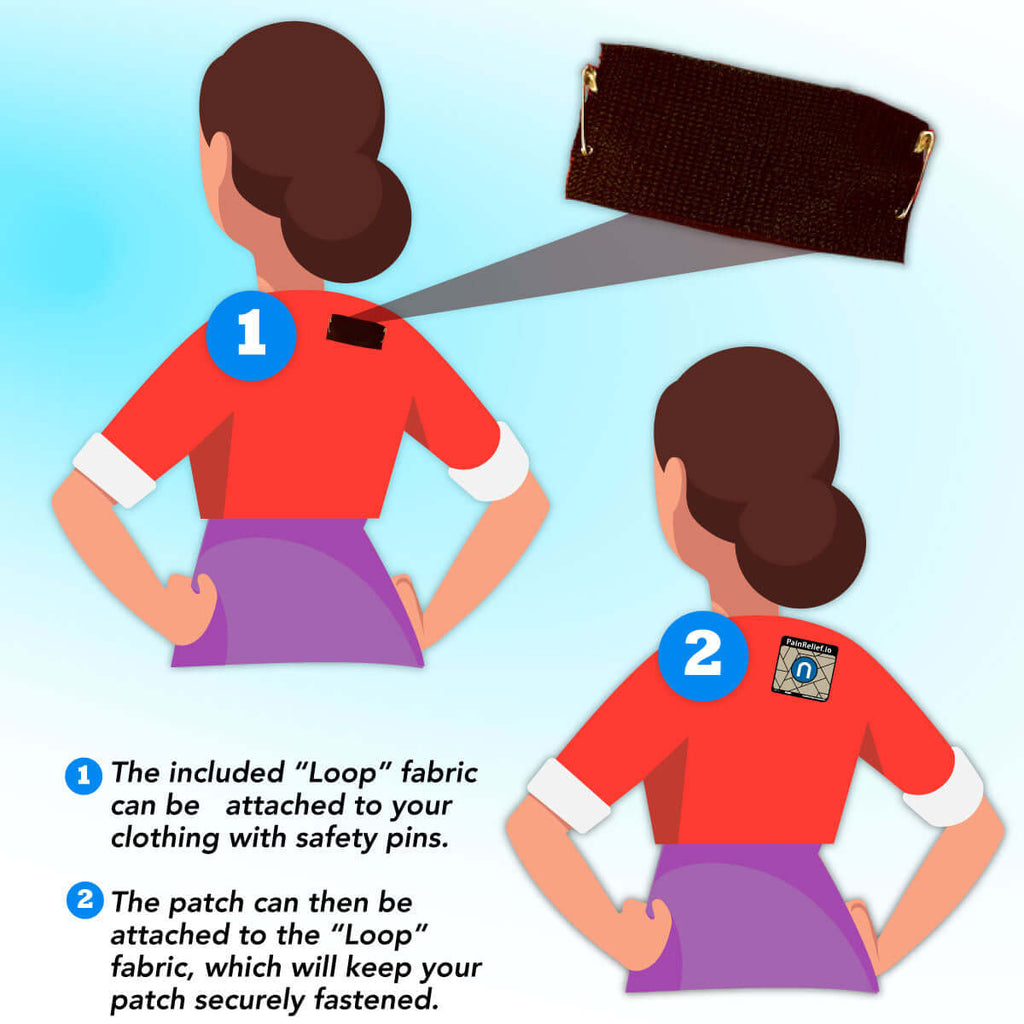
PainRelief.io® devices are designed to be simple to use. Just place the device near the area of discomfort and adjust as needed to find the position that feels most effective.
Each device is thin, reusable, wearable, and easy to use — with no batteries, no wires, no creams, and no drugs.
Inside each device is our patented NeuroCuple® layer, sealed between two durable waterproof layers. This technology is designed to work with your body’s natural bioelectrical environment in a simple, non-invasive way.
Some users report sensations such as warmth, cooling, or tingling during use, while others feel little or nothing at all.
PainRelief.io® devices are intended as general wellness products designed to support comfort, physical activity, and everyday function.