

Drug-Free • Reusable for Years • 137-Day Money-Back Guarantee
Reach for a coffee mug, turn your head while driving, or try to sleep on your side when your shoulder is irritated, and suddenly every small movement feels bigger than it should. That's why the idea of a neck or shoulder patch gets attention fast — it sounds simple, targeted, and easier to live with than pills, messy creams, or bulky braces. But whether it helps depends on what's actually driving the discomfort.
For many people, neck and shoulder pain isn't one single problem. It can come from muscle tension after hours at a desk, post-workout soreness, overuse from lifting, irritation around the joint, referred pain from the neck itself, or a chronic issue that keeps flaring up. A patch can be useful, but not every patch is solving the same problem.
A patch in this category is any wearable product designed to sit on or near the neck or shoulder to support pain relief. Some are adhesive heat patches. Some deliver cooling ingredients. Some are topical medicated patches. Others use wearable pain relief technology without drugs, heat, or batteries.
That difference matters more than most shoppers realize. If your main problem is stiff muscles after a long day, warmth may feel helpful. If you're trying to avoid medication and want something reusable, a drug-free wearable may make more sense. If your pain is sharp, deep, or tied to limited range of motion, a patch may help manage discomfort, but it may not address the full cause by itself.
The shoulder is one of the most mobile joints in the body, which is great until it isn't. Muscles, tendons, and connective tissue all have to work together while supporting repetitive motion, awkward sleeping positions, poor posture, gym strain, and everyday reaching. The neck, meanwhile, supports the constant weight of your head — and pain here rarely stays put.
Pain in this area also tends to spread. What starts near the top of the shoulder can move into the neck, upper back, shoulder blade, or upper arm. That's one reason discomfort feels hard to pin down — the real source might be surrounding tissue rather than where it hurts most.
A patch tends to work best when pain is localized enough that targeted support makes sense — soreness from overuse, tension from posture, mild repetitive strain, and recurring discomfort that shows up during work, exercise, or sleep. It's also a practical option for people who want relief without taking another pill, or who want something they can wear while moving around rather than sitting next to a heating pad.
Heat patches create warmth, which can help muscles feel looser — but heat is temporary and not ideal if you want something reusable. Topical patches rely on active ingredients that may dull discomfort but can wear off or irritate sensitive skin. Cooling patches create a soothing sensation, but that doesn't always translate to meaningful relief for deeper discomfort.
PainRelief.io® focuses on a different approach, using patented NeuroCuple® nanocapacitive technology in reusable wearables sized for targeted body areas, including the neck and shoulder — appealing most to people who want practical support without pills, wires, batteries, or creams.
Even a well-designed patch can disappoint if placed poorly. Neck and shoulder pain is rarely a perfect dot — if discomfort wraps from the top of the shoulder toward the shoulder blade or up into the neck, placement may need some trial and error. You may get better results placing support near where tension concentrates rather than directly on the most painful point.
Every PainRelief.io® device is backed by a 137-day money-back guarantee, giving you real time to test placement and fit before deciding.
A patch can support relief — it cannot repair a tear, significant injury, or pain driven by mechanics that keep repeating. That doesn't make it less valuable; relief matters, better sleep matters, being able to reach overhead with less hesitation matters. But realistic expectations lead to better results.
Most tension-related neck and shoulder pain improves with home care and time. Seek medical attention for pain following an injury, significant weakness, numbness or tingling down the arm, loss of function, or pain that keeps worsening despite reducing strain.
Struggling with "tech neck" from screen time specifically? Read How to Fix Tech Neck and Relieve Neck & Shoulder Tension Naturally. Dealing with a shoulder that's becoming stiff and hard to move over time, not just tense? See Frozen Shoulder: Stages, Timeline, and Management.
This article is provided for general educational purposes and is not a substitute for professional medical advice, diagnosis, or treatment. Seek medical care for severe, persistent, unusual, or worsening symptoms.
Search
About Us
Terms of Service
Refund Policy
Contact Us
Protect my personal information
Affiliates: Join or Log In
Clinical
Where to Buy
Government Procurement
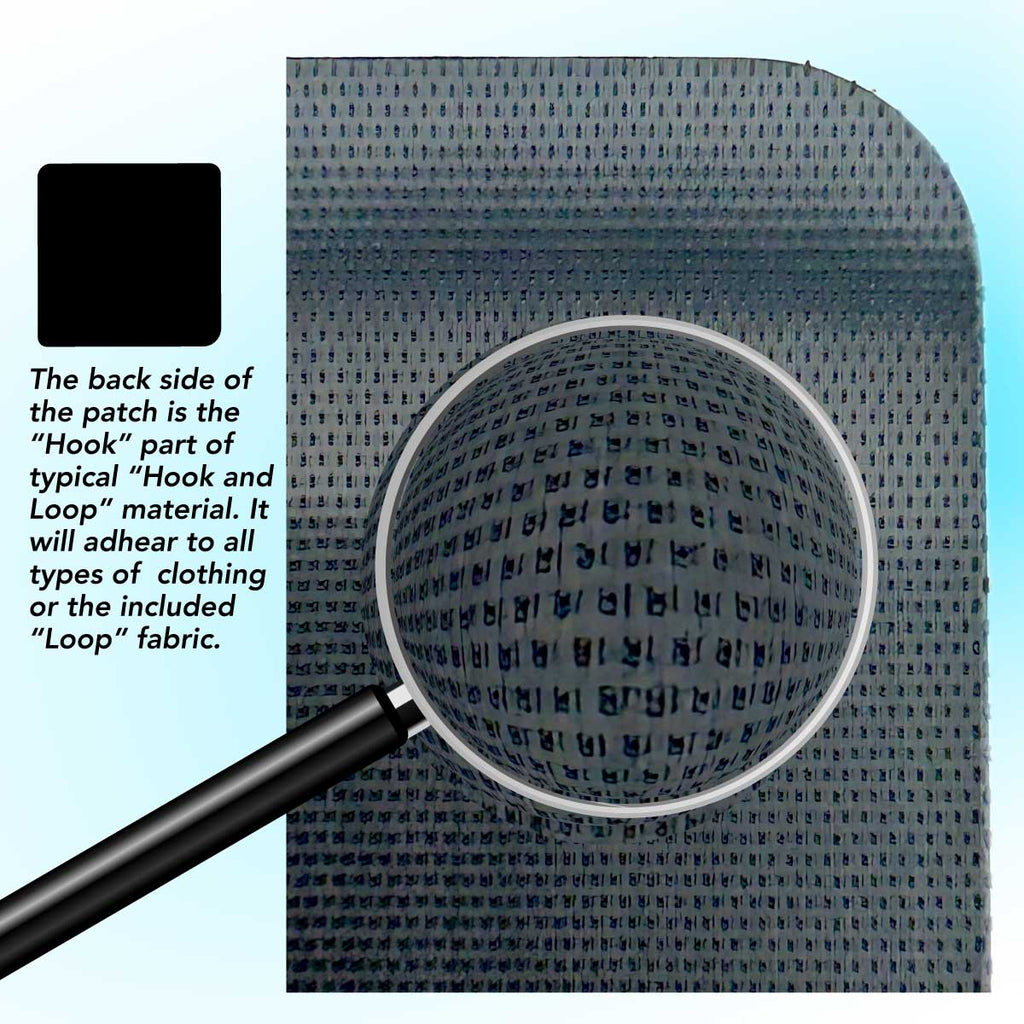
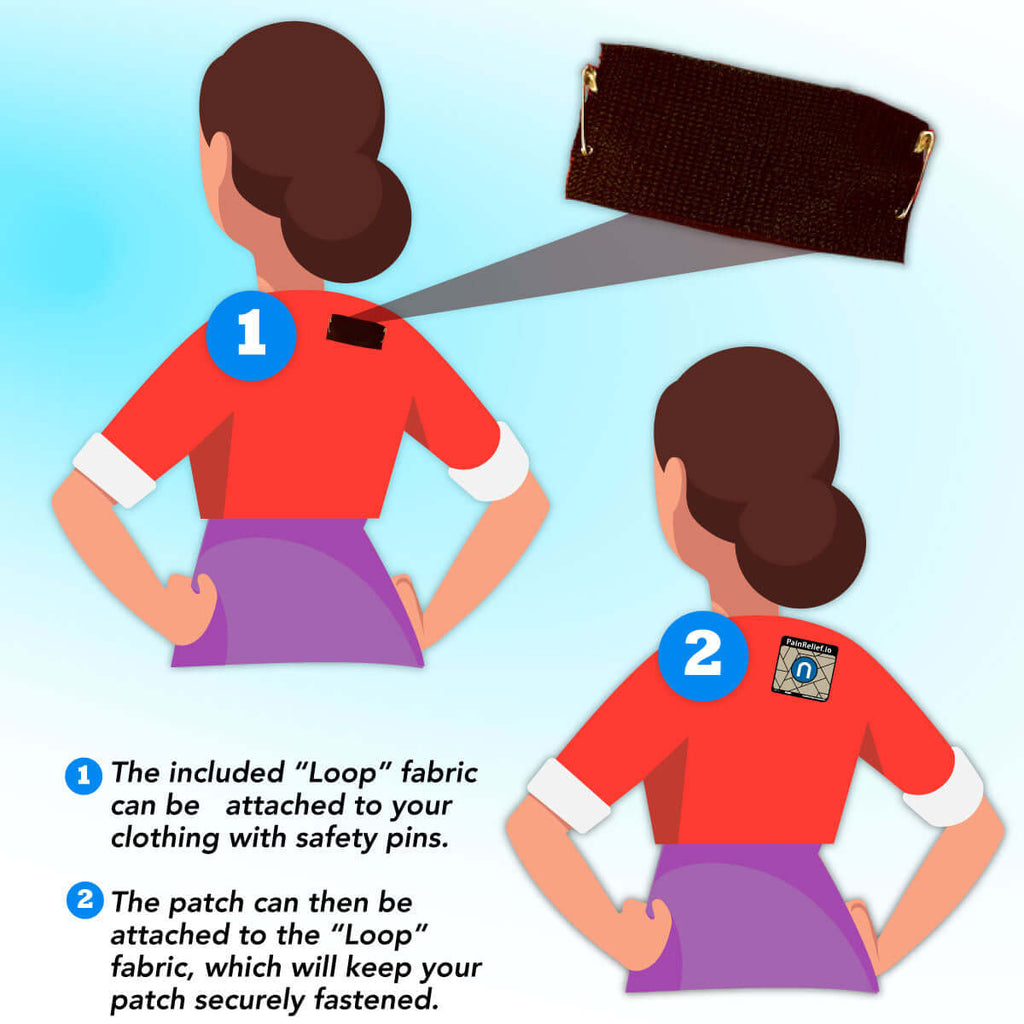
PainRelief.io® devices are designed to be simple to use. Just place the device near the area of discomfort and adjust as needed to find the position that feels most effective.
Each device is thin, reusable, wearable, and easy to use — with no batteries, no wires, no creams, and no drugs.
Inside each device is our patented NeuroCuple® layer, sealed between two durable waterproof layers. This technology is designed to work with your body’s natural bioelectrical environment in a simple, non-invasive way.
Some users report sensations such as warmth, cooling, or tingling during use, while others feel little or nothing at all.
PainRelief.io® devices are intended as general wellness products designed to support comfort, physical activity, and everyday function.