

Drug-Free • Reusable for Years • 137-Day Money-Back Guarantee
If you spend hours a day on a computer, phone, or tablet, you've likely experienced it: tightness in your neck, stiffness in your shoulders, and a slow-building ache that worsens as the day goes on. This pattern — often called "tech neck" — has become one of the most common modern pain issues, and it responds well to simple, consistent changes once you understand what's actually happening in your body.
Tech neck refers to strain caused by forward head posture, where your head shifts in front of your shoulders instead of stacking directly above them. Your head weighs roughly 10 to 12 pounds in a neutral position — but that effective load increases dramatically as your head tilts forward. At a 15-degree tilt, the force on your neck is roughly 27 pounds. At 30 degrees, it's around 40 pounds. At 60 degrees — the angle many people unconsciously adopt looking down at a phone — it climbs to roughly 60 pounds. That's a massive, repeated daily load on muscles and connective tissue never designed to carry it for hours at a stretch.
Common symptoms include neck stiffness, shoulder tightness, upper back discomfort, headaches, and reduced range of motion. These tend to build gradually, which is exactly why so many people don't address the cause until the discomfort is already significant.
This is the fastest, highest-impact change available. Your screen should sit at eye level, about an arm's length away, positioned directly in front of you rather than off to one side. If you work from a laptop, consider a stand and external keyboard so the screen can be raised without forcing your hands into an awkward position.
Trying to hold perfect posture all day isn't realistic — a better approach is a quick, repeatable reset every 30 to 60 minutes: roll your shoulders back, let your ears line up over your shoulders, and consciously relax your neck. The goal isn't perfection, it's interrupting the same static position before it compounds into pain.
Weak muscles allow poor posture to persist by default. Focus on the upper back, shoulders, and core — as these muscles get stronger, holding a more neutral position becomes less effortful and easier to sustain without thinking about it.
Tight muscles pull your body out of alignment even when you're trying to sit well. A few minutes daily of chest-opening stretches, gentle neck side stretches, and shoulder mobility movements can meaningfully offset hours of forward-leaning posture.
Static positions are the actual problem, more than any single posture flaw. Every hour, stand up, move your arms through their full range, and take a short walk if you can. Even a minute or two changes the loading pattern enough to matter.
Many people carry tension without realizing it — raised shoulders, a clenched jaw, shallow breathing. Checking in on these patterns periodically throughout the day, and consciously releasing them, reduces the baseline tension your neck and shoulders are working against.
For recurring neck and shoulder pain, many people add a wearable, drug-free device to their routine rather than relying only on posture changes. Because tech neck is a daily, repeating pattern rather than a one-time injury, disposable solutions become impractical fast — the cost and inconsistency of replacing a patch every day or two adds up quickly.
PainRelief.io® wearables use patented NeuroCuple® nanocapacitive technology in a reusable, battery-free format that fits naturally into a daily routine — placed near the area of tension, without chemicals, wires, or a replacement cycle to manage.
Explore PainRelief.io® Wearables → — backed by a 137-day money-back guarantee.
Keep screens at eye level, avoid prolonged phone use held below eye level, build movement into your day rather than treating it as an afterthought, and maintain periodic awareness of your posture rather than only noticing it once pain has already started.
Left unaddressed, tech neck can progress into chronic pain, reduced mobility, more frequent headaches, and lasting changes to posture that become harder to reverse the longer they're reinforced. The earlier you interrupt the pattern, the easier it is to correct.
Most tech-neck-related discomfort responds well to the strategies above. Seek medical attention if you experience numbness or tingling down the arm, significant weakness, pain following an injury, or symptoms that keep worsening despite consistent changes to posture and habits.
Comparing patches and wearable options for neck and shoulder pain generally? See our complete neck and shoulder pain relief buying guide.
This article is provided for general educational purposes and is not a substitute for professional medical advice, diagnosis, or treatment. Seek medical care for severe, persistent, unusual, or worsening symptoms.
Search
About Us
Terms of Service
Refund Policy
Contact Us
Protect my personal information
Affiliates: Join or Log In
Clinical
Where to Buy
Government Procurement
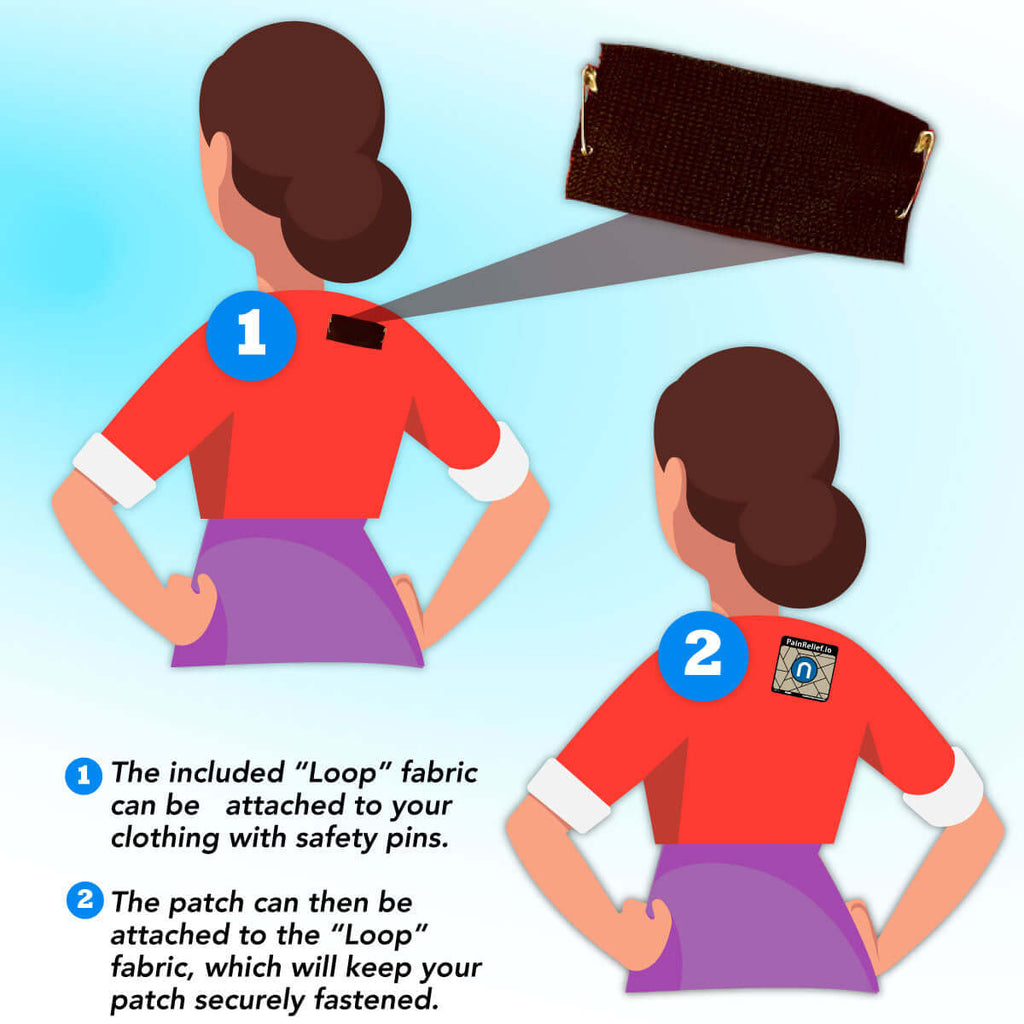
PainRelief.io® devices are designed to be simple to use. Just place the device near the area of discomfort and adjust as needed to find the position that feels most effective.
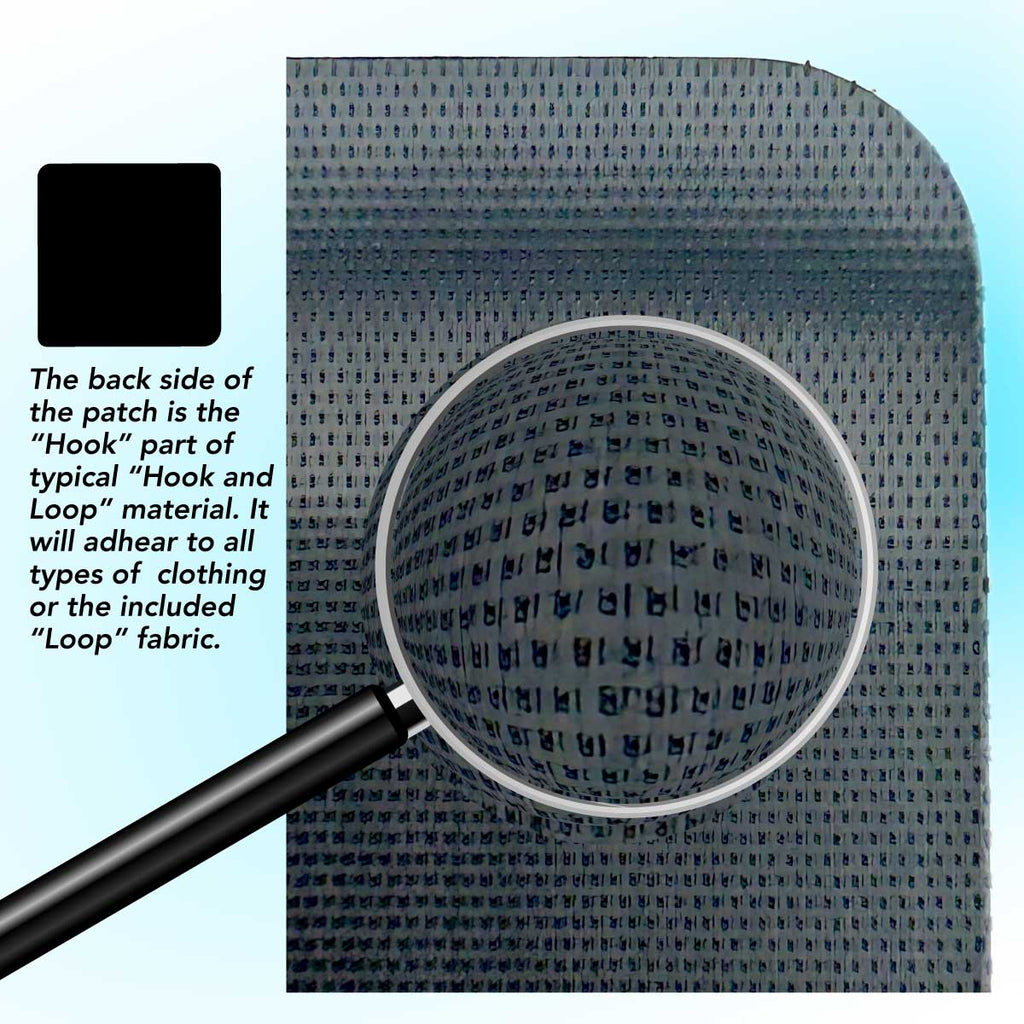
Each device is thin, reusable, wearable, and easy to use — with no batteries, no wires, no creams, and no drugs.
Inside each device is our patented NeuroCuple® layer, sealed between two durable waterproof layers. This technology is designed to work with your body’s natural bioelectrical environment in a simple, non-invasive way.
Some users report sensations such as warmth, cooling, or tingling during use, while others feel little or nothing at all.
PainRelief.io® devices are intended as general wellness products designed to support comfort, physical activity, and everyday function.