
Livraison et retours gratuits au-dessus de 100 $ !
The moment pain shows up in the middle of a workday, a workout, or a full night of trying to sleep, convenience stops being a nice extra. It becomes the whole point. That is why interest in a wire free pain relief patch keeps growing. People want support they can wear under a shirt, move with, and use without plugging in, charging up, or dealing with another bottle, tube, or disposable strip.
A good patch in this category is not trying to look futuristic for the sake of it. The real value is simpler than that. It removes friction. If pain support is easy to use, comfortable to wear, and ready when you need it, you are much more likely to actually use it consistently.
Most pain relief options ask for a trade-off. Creams can be messy and short-lived. Oral medications may help, but plenty of people want to use them less often or avoid relying on them for everyday discomfort. Traditional wearable devices can add cords, batteries, controls, and a level of setup that feels like too much when your back is already acting up.
A wire free pain relief patch is built around a different idea. Instead of adding more steps, it aims to make relief support feel almost invisible in daily life. You place it where discomfort is happening, wear it through normal movement, and remove it when you are done. No charging schedule. No tangled leads. No wondering whether the battery is dead when you need it most.
That matters more than many people realize. The best wellness tools are often the ones that fit into real life without asking you to reorganize your day around them.
Wire-free sounds like a convenience feature, but it affects much more than portability. It changes where and when a patch can realistically be used.
If you are dealing with lower back pain, shoulder strain, knee discomfort, TMJ tension, or menstrual pain, the last thing you want is a device that shifts around every time you bend, sit, or walk. Wires can catch on clothing, limit movement, and make a product feel clinical instead of practical. A battery pack can turn a slim wearable into something bulky and noticeable.
A wire-free patch has a better chance of becoming part of your routine because it stays simple. You can wear it while commuting, working at a desk, doing chores, or recovering after activity. For many people, that consistency is the difference between a product they use once and a product they reach for again and again.
This is where shoppers need to slow down a little. The term “pain relief patch” covers a lot of different products, and they are not interchangeable.
Some patches rely on ingredients such as menthol, camphor, or lidocaine. Those can create a cooling, warming, or numbing effect, but they are usually disposable and often temporary. They may also irritate sensitive skin or leave behind odor and residue.
Other patches are designed as drug-free wearable devices. Rather than delivering a topical ingredient into the skin, they are built around physical or bioelectrical interaction with the body. That difference matters if you are looking for something reusable, cleaner to wear, and easier to keep on hand long term.
For shoppers who want a noninvasive option without batteries or medication, the technology behind the patch is not a small detail. It is the product.
Start with the basics: does it match the kind of pain you actually have? A patch that works well on a broad area like the low back may not be the right shape or size for the jaw, wrist, or knee. Body-area fit matters because wearability matters.
Then look at whether the patch is reusable or disposable. A cheap single-use patch can feel affordable until you realize you are replacing it constantly. A reusable patch can offer much better long-term value if it holds up well and performs consistently.
Comfort is another factor people underestimate. If a patch feels stiff, bulky, or awkward under clothing, you will probably stop wearing it. The same goes for anything that depends on charging, app pairing, or a control unit clipped to your waistband. Simplicity is part of performance.
Finally, pay attention to whether the brand explains how the product works in plain language. You should not need a technical manual just to understand what you are putting on your body. Clear explanations, patented technology, and a risk-reducing return window are all signs that a company is prepared to stand behind what it makes.
These patches are especially appealing for recurring, localized discomfort. Think back pain that flares up at your desk, soreness in a knee after long walks, neck tension from travel, headaches tied to muscle tightness, or cramps that make it hard to focus on anything else.
They also make sense for people who are tired of cycling through short-term fixes. If you have already tried creams that wear off fast, heating pads that keep you stuck in one place, or disposable patches that add up in cost, a reusable wire-free option can feel like a more practical next step.
That said, expectations matter. A patch is not a cure-all, and no honest brand should frame it that way. Pain has different causes, different levels of severity, and different triggers. The right wearable support can be very helpful, but results can depend on placement, consistency, body area, and the nature of the discomfort itself.
In a crowded category, a lot of products sound similar at first glance. Words like “drug-free” and “wearable” appear everywhere. What separates one product from another is whether there is original technology behind it or just marketing around a familiar format.
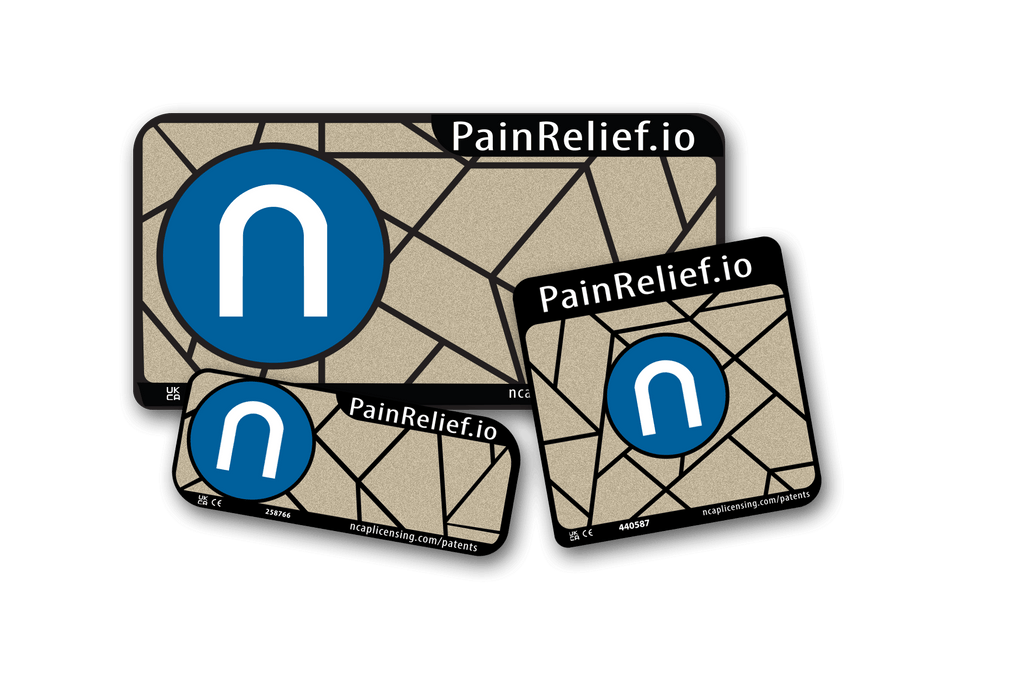
That is one reason patented systems matter. They signal that the product is based on something specific, not just a generic adhesive patch with broad claims. In the case of PainRelief.io, the foundation is patented NeuroCuple nanotechnology developed to interact with the body’s bioelectrical environment in a noninvasive, battery-free format. For consumers, the takeaway is straightforward: the design is meant to do more than simply stick to the skin.
You do not have to be an engineer to care about that. You just need to know whether a patch was built with intention and whether that design supports real-world use.
One of the smartest ways to shop this category is to ignore generic promises and focus on placement. Where is the discomfort? How large is the affected area? Will you be wearing the patch while moving, sitting, sleeping, or working?
A patch for the lower back may need broader coverage. A patch for the jaw or temple area needs a very different fit. Shoulder and knee use each come with their own wearability challenges. When brands organize options by body area and pain type, they are usually making the process easier for the customer, not more complicated.
This practical approach is often better than chasing whichever product claims to work for everything. Broad versatility is useful, but fit still matters.
A wire free pain relief patch is a strong fit for many adults, but it is not automatically the best first move for every situation. If your pain is sudden, severe, worsening, or tied to a possible injury that has not been evaluated, it makes sense to get medical guidance instead of guessing.
It is also fair to be cautious if a product offers big promises with no explanation, no inventor or patent credibility, and no meaningful return policy. A confident brand should not need mystery to make its case.
For everyone else, the key question is pretty simple: do you want pain support that is reusable, drug-free, and easy enough to wear in real life? If the answer is yes, a wire-free patch is not just a trend. It is a smarter format for the way most people actually live.
Pain relief does not have to arrive in a pill bottle, a greasy tube, or a device that looks harder to manage than the pain itself. Sometimes the best solution is the one you can place, wear, and forget about while getting on with your day.
Recherche
Terms of Service
Refund Policy
Contact Us
Ne pas vendre ou partager mes informations personnelles
Affiliates: Join or Log In
PATENTS
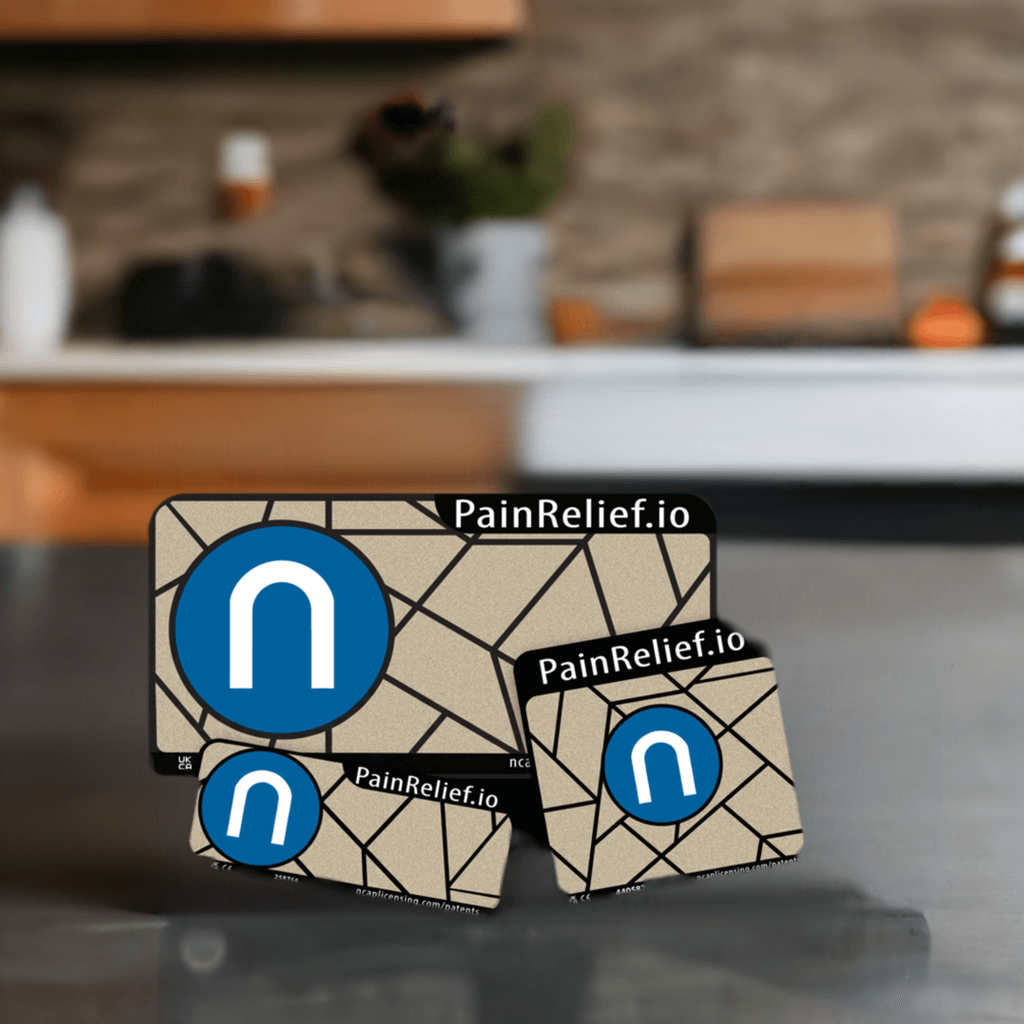
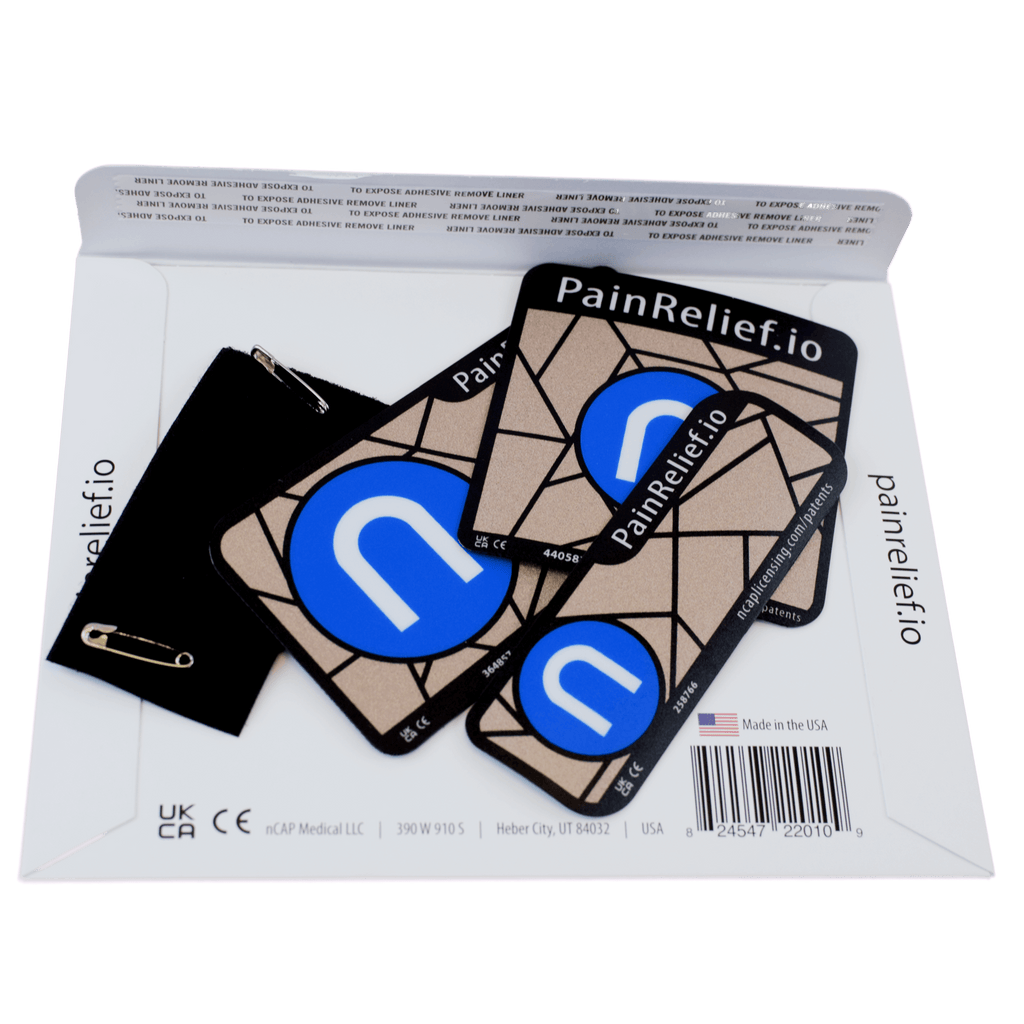
C'est simple à utiliser ! Placez simplement l'appareil au-dessus de votre douleur - Entre la douleur et le cerveau (tm) - et votre douleur commencera à s'estomper en quelques minutes. Le tout dans un appareil portable fin, réutilisable. Pas de piles, pas de fils, pas d'huiles malodorantes, pas de médicaments et ça agit rapidement !!
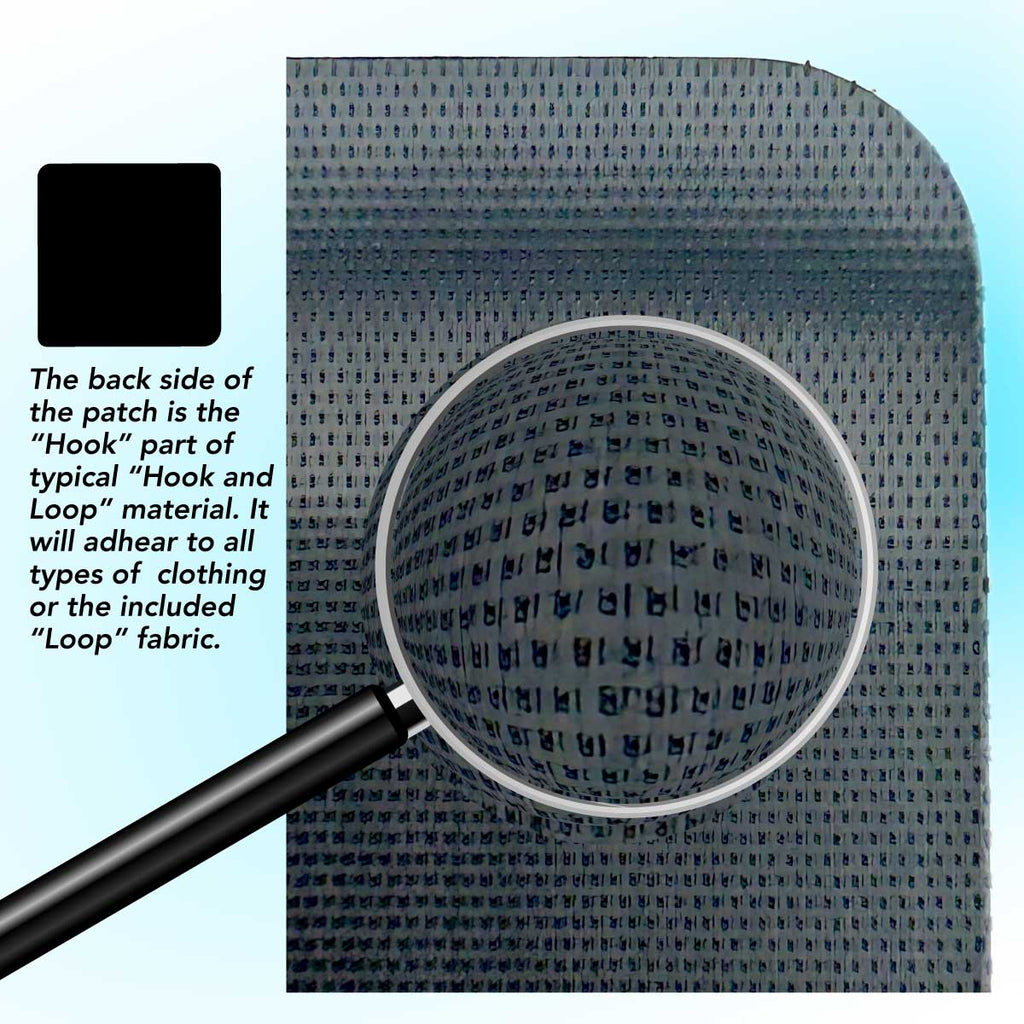
L'appareil est construit avec notre couche brevetée Neurocuple® scellée entre deux couches imperméables. Une fois placée au bon endroit, la couche Neurocuple® est activée directement par l'énergie du corps de l'utilisateur. Après quelques minutes, une sensation de chaud, de froid ou de picotement est ressentie par l'utilisateur à mesure que la douleur s'estompe.
L'appareil PainRelief.io® est un produit de bien-être général qui aide à promouvoir l'activité physique chez les utilisateurs souffrant de douleurs chroniques et intermittentes, ce qui, dans le cadre d'un mode de vie sain, peut aider à vivre avec ces conditions et peut retarder l'apparition des handicaps associés.