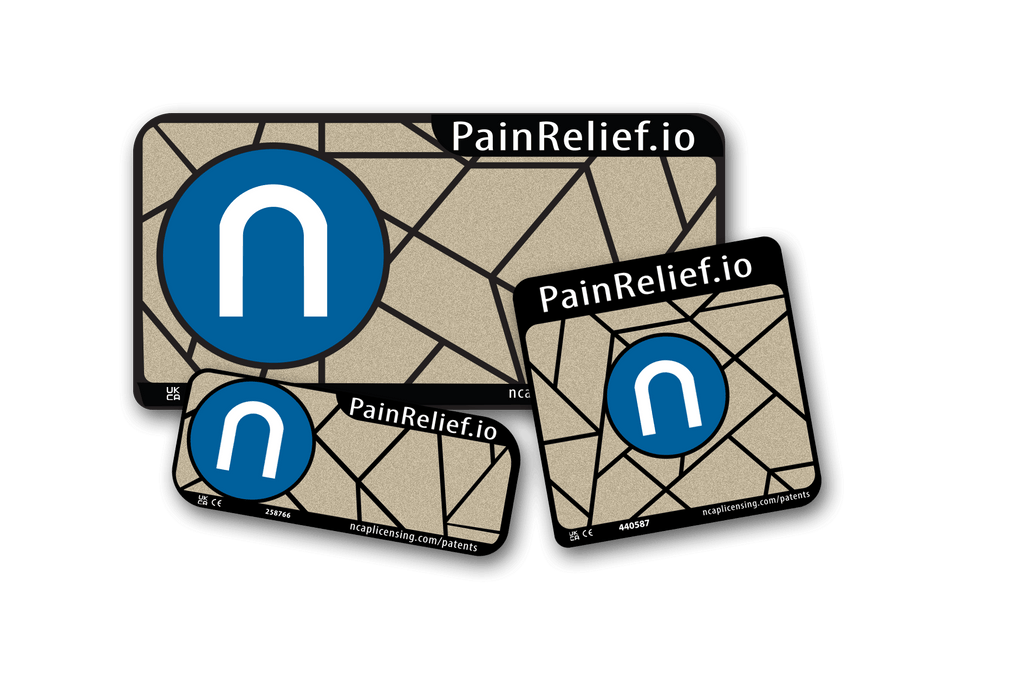

Drug-Free • Reusable for Years • 137-Day Money-Back Guarantee
You feel it when you twist wrong getting out of the car, when your jaw tightens through a stressful afternoon, or when your lower back starts complaining halfway through the workday. A reusable pain relief device appeals in those moments for one simple reason: you want support that is easy to reach for, easy to wear, and not built around another pill, another cream, or another single-use patch.
That shift matters. More people are looking for noninvasive options that fit real life, not complicated routines. If discomfort shows up often enough to interrupt sleep, workouts, workdays, or basic movement, convenience stops being a nice extra and starts becoming part of the solution.
Most pain relief tools fall into one of two camps. They are either fast but disposable, like patches and topicals, or they are more involved, like powered gadgets that need charging, setup, and regular maintenance. A reusable pain relief device sits in a different lane. It is designed to be worn when and where you need support, then used again and again.
That changes the value equation. If you deal with recurring discomfort, the real question is not just whether something helps once. It is whether you will actually keep using it. Reusability matters because pain is rarely a one-time event. Back strain returns. Headaches revisit. Knees flare after long walks. Menstrual pain comes on a cycle. A device you can keep on hand for years makes more practical sense than starting from scratch every time.
There is also a lifestyle advantage. Drug-free support gives people another option when they want to reduce how often they lean on medication or messy topical products. That does not mean every method works the same for every person. It means many people want a tool they can wear discreetly, without planning their day around dosing schedules, odors, battery life, or adhesive waste.
Not every product marketed as reusable delivers the same experience. In this category, reusability should mean more than using something twice before performance drops off. It should mean durable construction, reliable wearability, and a design simple enough that you do not hesitate to use it.
A strong reusable device should also avoid adding friction. If it needs constant charging, frequent replacement parts, or an instruction manual you have to reread every time, it may not stay in your routine. The best options tend to feel almost invisible from a usability standpoint. You place them where the discomfort is, go about your day, and keep the product ready for the next time you need it.
This is where battery-free and wire-free design becomes more than a convenience feature. It removes common points of failure. No charging cable to lose. No dead battery when pain shows up unexpectedly. No app to pair. Simplicity is not a downgrade here. It is often the reason a device gets used consistently.
Pain support is rarely one-size-fits-all because discomfort shows up differently across the body. A good reusable pain relief device should make sense across common use cases without becoming confusing.
For lower back discomfort, wearability is everything. If the device shifts too much or feels bulky under clothing, people tend to stop using it. For shoulders, neck tension, or TMJ discomfort, placement precision matters more because the painful area can be smaller and more specific. For knees, elbows, and other joints, flexibility matters because the body area moves constantly. For menstrual discomfort or abdominal soreness, comfort during longer wear becomes a key factor.
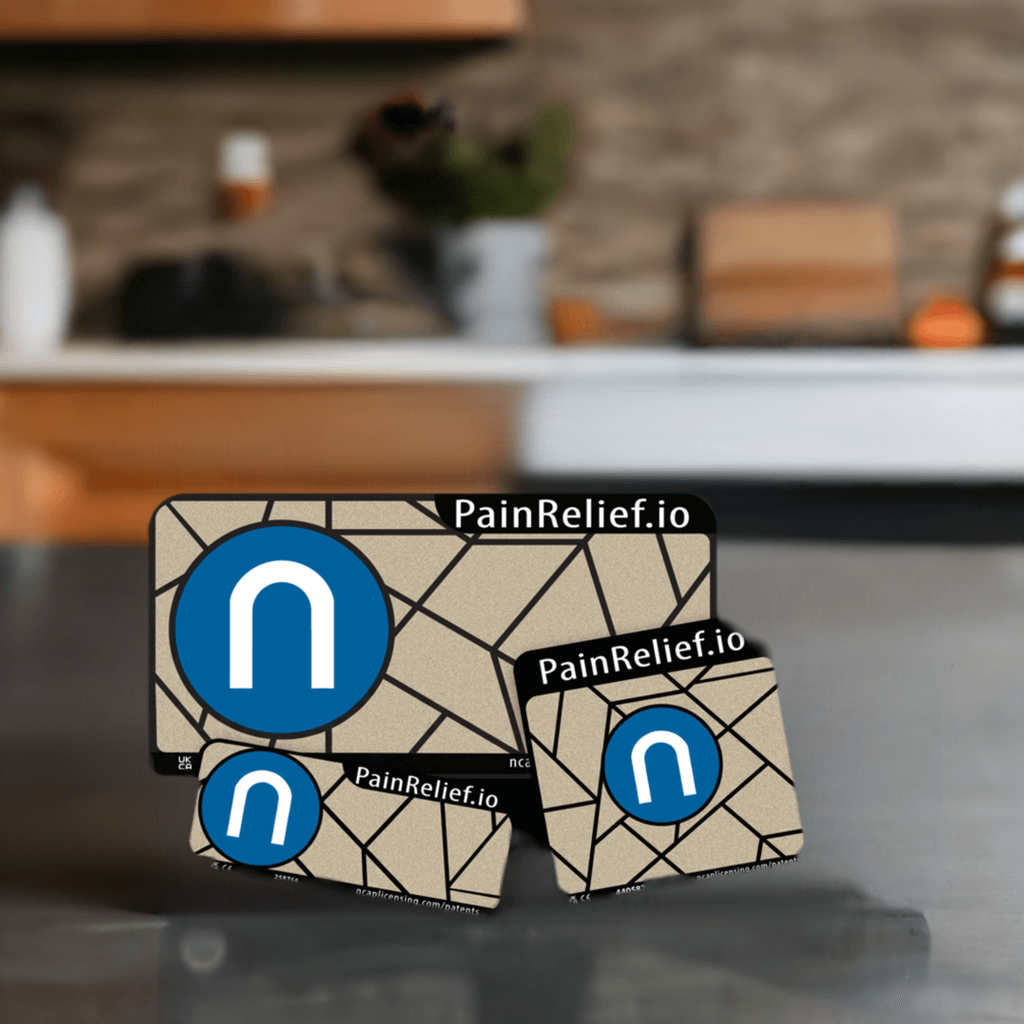
That is why size and body-area matching make such a difference. Consumers do better when they are not guessing which format belongs on which part of the body. A smaller device may suit a more localized issue like jaw discomfort or a temple-area headache, while a larger format may make more sense for broader lower back or hip-area support. The easier the match, the lower the uncertainty.
When a device is drug-free, people naturally want to know what is actually doing the work. That is a fair question. A credible answer should be clear, not overloaded with jargon.
The body operates in a bioelectrical environment. That is not marketing language. It is part of how signals move through the nervous system. Some reusable pain relief devices are designed around interacting with that environment rather than delivering chemicals, heat, or electrical stimulation from a powered source. That distinction is important because it explains why a device can be noninvasive, battery-free, and still purpose-built for pain support.
In an invention-led category, patented technology matters because it separates original engineering from lookalike products. Consumers have seen too many wellness claims built on vague language. A patented approach gives people something more concrete to evaluate. It does not mean every person will have the exact same experience, because pain is personal and bodies vary. But it does give the product category more legitimacy than copycat solutions with no technical foundation.
PainRelief.io is built around that inventor-led model, using patented NeuroCuple® nanotechnology in wearable formats designed for repeat use across a wide range of pain points. That focus on original technology, rather than disposable relief, is a big part of why reusable support is gaining attention.
There are plenty of times when a reusable option makes more sense than the alternatives. If your discomfort is recurring, the long-term cost and hassle of throwaway solutions add up quickly. If your skin is sensitive, creams and gels may be irritating or simply unpleasant. If you want support at work, while traveling, or during daily movement, a low-profile wearable has obvious advantages.
That said, the right choice depends on your habits and expectations. If you want something that feels high-tech because it vibrates, heats, or buzzes, a passive wearable may seem too simple at first glance. If you want an option you can apply in seconds and forget about, that same simplicity becomes the selling point. Ease of use is not flashy, but it is powerful when pain is part of regular life.
It also depends on what kind of relief routine you are building. Some people want a single go-to tool. Others use wearable support alongside stretching, physical therapy, hydration, sleep improvements, or physician-guided care. A reusable device does not need to replace everything else to be worth having. Often its role is to give you one more dependable option you can use without much friction.
A smart purchase starts with honesty about your pain pattern. Is the discomfort broad or localized? Daily or occasional? Triggered by movement, stress, workouts, or your cycle? Those answers shape what size, shape, and placement style will be most useful.
Then look at practical details. Can the device be worn comfortably under regular clothing? Is it designed for the body area that bothers you most? Does it require charging, refills, or replacement components? Is there a clear explanation of how it works, not just a promise that it does? And just as important, is there enough reassurance built into the purchase, like a meaningful trial period, to reduce the risk of guessing wrong?
That last point matters more than brands sometimes admit. With pain relief, confidence often comes after use, not before. A generous trial window signals that the company understands the hesitation people feel when they have tried several things already.
The most useful pain relief product is often not the most dramatic one. It is the one you keep nearby, understand how to use, and feel comfortable reaching for again. That is the real promise of a reusable pain relief device. It is not built around one intense moment of relief. It is built around repeatability.
For people managing recurring back pain, sore joints, headaches, menstrual discomfort, TMJ tension, or everyday muscle strain, repeatability is what turns a product into part of life. You do not need another complicated system. You need something credible, wearable, and ready when the discomfort returns.
If a pain relief option can reduce hassle while giving you drug-free support you can use again and again, that is not a minor convenience. It is often the difference between trying something once and actually making it part of how you take care of yourself.
Search
Terms of Service
Refund Policy
Contact Us
Protect my personal information
Affiliates: Join or Log In
PATENTS
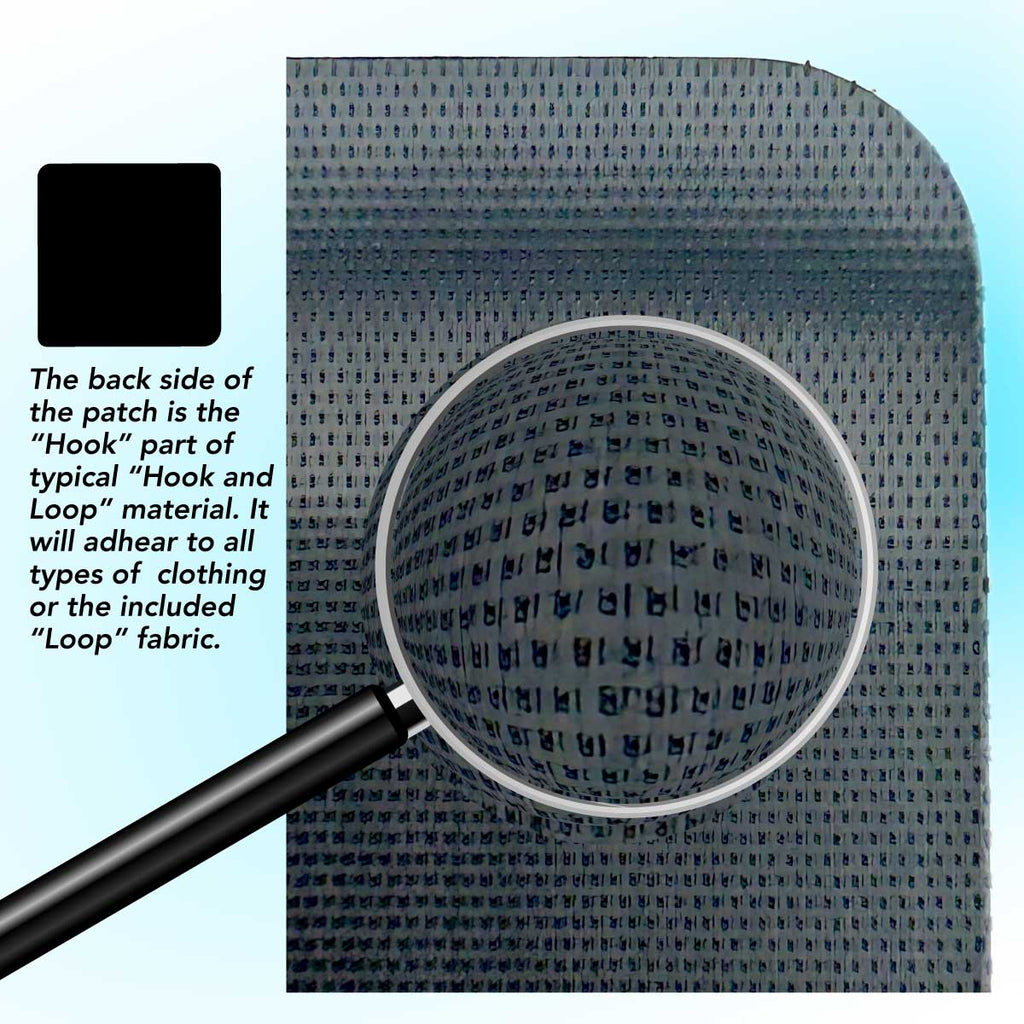
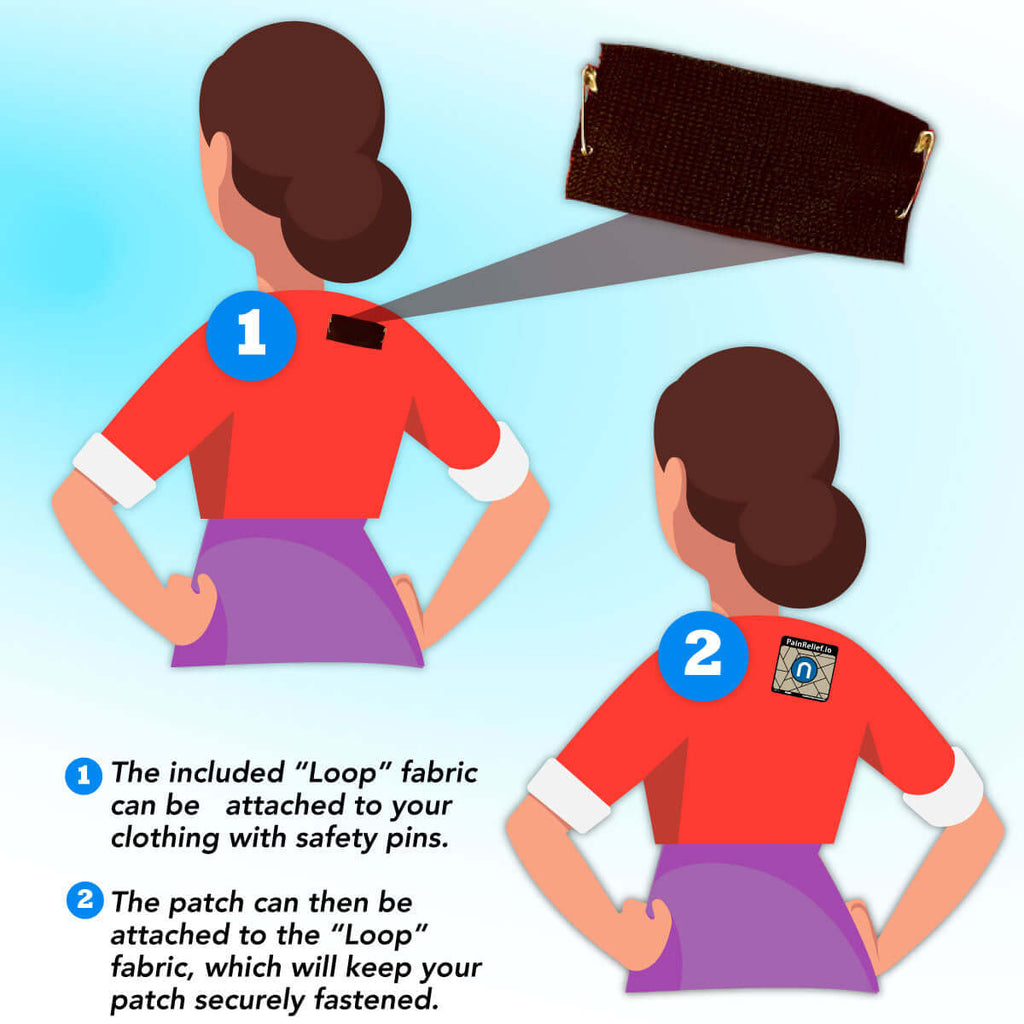
PainRelief.io® devices are designed to be simple to use. Just place the device near the area of discomfort and adjust as needed to find the position that feels most effective.
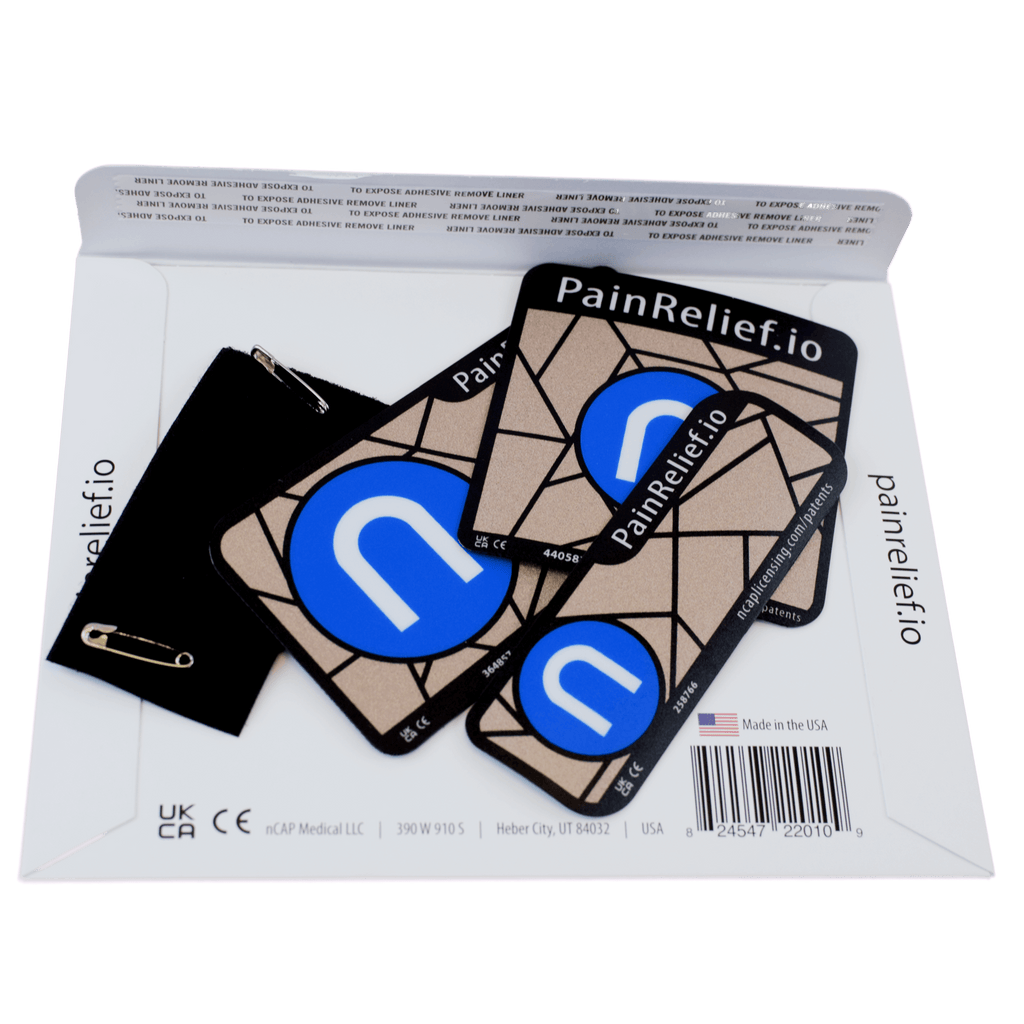
Each device is thin, reusable, wearable, and easy to use — with no batteries, no wires, no creams, and no drugs.
Inside each device is our patented NeuroCuple® layer, sealed between two durable waterproof layers. This technology is designed to work with your body’s natural bioelectrical environment in a simple, non-invasive way.
Some users report sensations such as warmth, cooling, or tingling during use, while others feel little or nothing at all.
PainRelief.io® devices are intended as general wellness products designed to support comfort, physical activity, and everyday function.