
Livraison et retours gratuits au-dessus de 100 $ !
Knee pain has a way of interrupting the ordinary moments first - stairs, getting out of the car, standing up after sitting too long. If you are searching for how to use pain patch for knees, the goal usually is not just relief. It is getting through the day with less stiffness, less distraction, and less dependence on pills or messy creams.
A pain patch can help, but the details matter. Placement, skin prep, wear time, and the source of your pain all affect whether it feels useful or disappointing. And if you are comparing disposable patches to reusable drug-free wearables, that matters too. Knee pain is rarely one-size-fits-all.
Start by figuring out where your pain is most noticeable. Some people feel it directly over the kneecap, while others feel it along the inner knee, outer knee, or just below the joint. A patch works best when it is placed over or around the area that consistently hurts, not just where the pain seems to travel in the moment.
Before applying anything, clean and dry the skin. Lotion, sweat, and body oil can interfere with adhesion. If the patch is adhesive, smooth it onto the skin without stretching it too tightly. On a moving joint like the knee, too much tension can cause peeling or uncomfortable pulling once you start walking.
For many users, the best placement is slightly above, below, or to either side of the kneecap rather than directly across the center if the patch is large and stiff. The reason is practical. The knee bends constantly, and a patch that sits across the highest-motion area may wrinkle, lift, or feel restrictive. If the product is flexible, direct placement over the sorest spot may work fine. If it is larger or more rigid, positioning it adjacent to the main pain point often gives a better fit.
Wear time depends on the type of patch. Disposable topical patches may be designed for several hours and often contain ingredients such as menthol, lidocaine, or capsaicin. Reusable drug-free patches or wearable pain relief devices may be designed for repeated daily use without medication. Always follow the product instructions, especially if the patch contains active ingredients. More time does not always mean better results.
Knee pain can come from several structures at once, which is why placement is often the difference between "this helps" and "this does nothing." If your pain is on the inside of the knee, place the patch to match that area rather than centering everything over the kneecap. If it flares after exercise below the kneecap, target the patellar tendon area. If it feels general and achy from arthritis or daily wear and tear, many people prefer coverage around the joint rather than one tiny point.
This is also where expectations need to stay realistic. A patch may help reduce discomfort, but it will not correct instability, major swelling, or structural damage. If your knee locks, gives out, looks visibly swollen, or pain started after a significant injury, a patch should not be your only plan.
For pain above the kneecap, place the patch where the quad tendon meets the knee. For pain below the kneecap, position it over the sore tendon area without wrapping so tightly that bending becomes awkward. For inner or outer knee pain, align the patch with that side of the joint. Some users do better with two smaller applications around the knee instead of one larger one over the center.
That is one reason many people eventually move away from traditional single-use pain patches. Knees are curved, active, and awkward to cover well. A reusable format shaped for flexible placement can be easier to live with day after day.
A few simple habits can improve comfort and performance. Apply the patch to clean, fully dry skin. If you just showered, wait until the area is no longer damp or warm. If you have a lot of hair on the knee, trimming can help adhesion, though shaving right before application may make the skin more sensitive.
Once the patch is on, give it a minute to settle before moving around a lot. If the edges lift immediately, the skin may still be oily or the location may be too high-motion for that patch style. Pressing harder usually does not solve the issue for long.
After use, remove the patch gently. If it is adhesive and your skin is prone to irritation, pulling it off slowly after warming the area with your hand can help. Check the skin for redness, itching, or rash. Mild temporary marks from adhesive are common, but persistent irritation means you should stop using that product or switch to a non-topical option.
Not all pain patches work the same way, and that is where confusion starts. Some rely on topical ingredients that create a cooling, warming, or numbing effect. Others are drug-free and designed to interact with the body’s electrical environment rather than delivering medication through the skin.
A medicated patch may make sense if you want short-term symptom relief and you tolerate topical ingredients well. The trade-off is that disposable patches run out, some have a noticeable odor, and certain formulas can irritate sensitive skin. They also may not be ideal if you are trying to reduce reliance on recurring medication-based solutions.
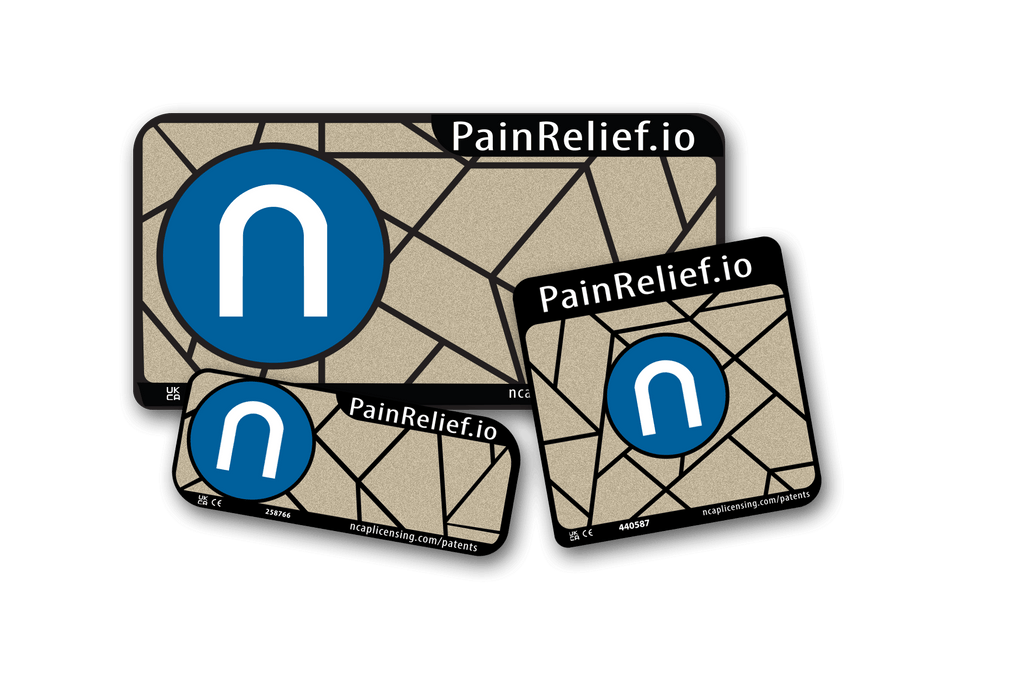
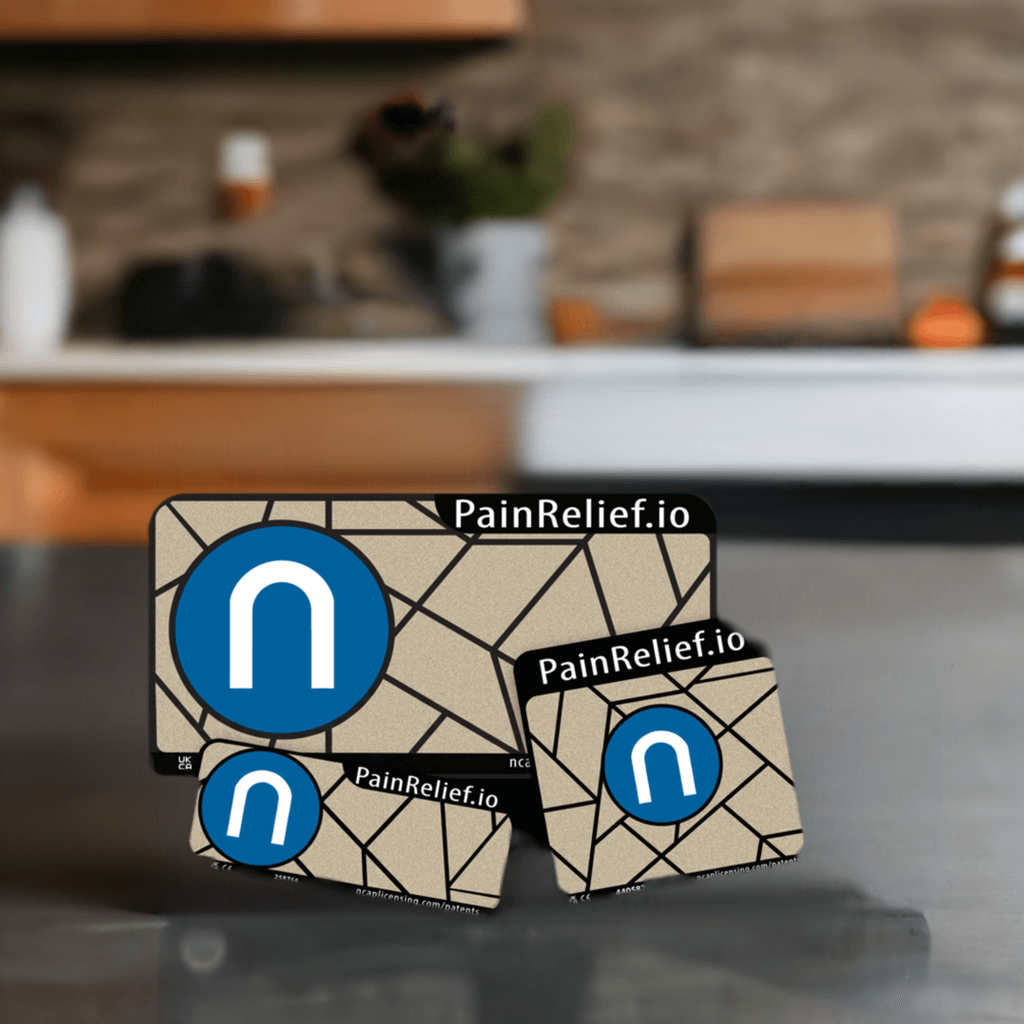
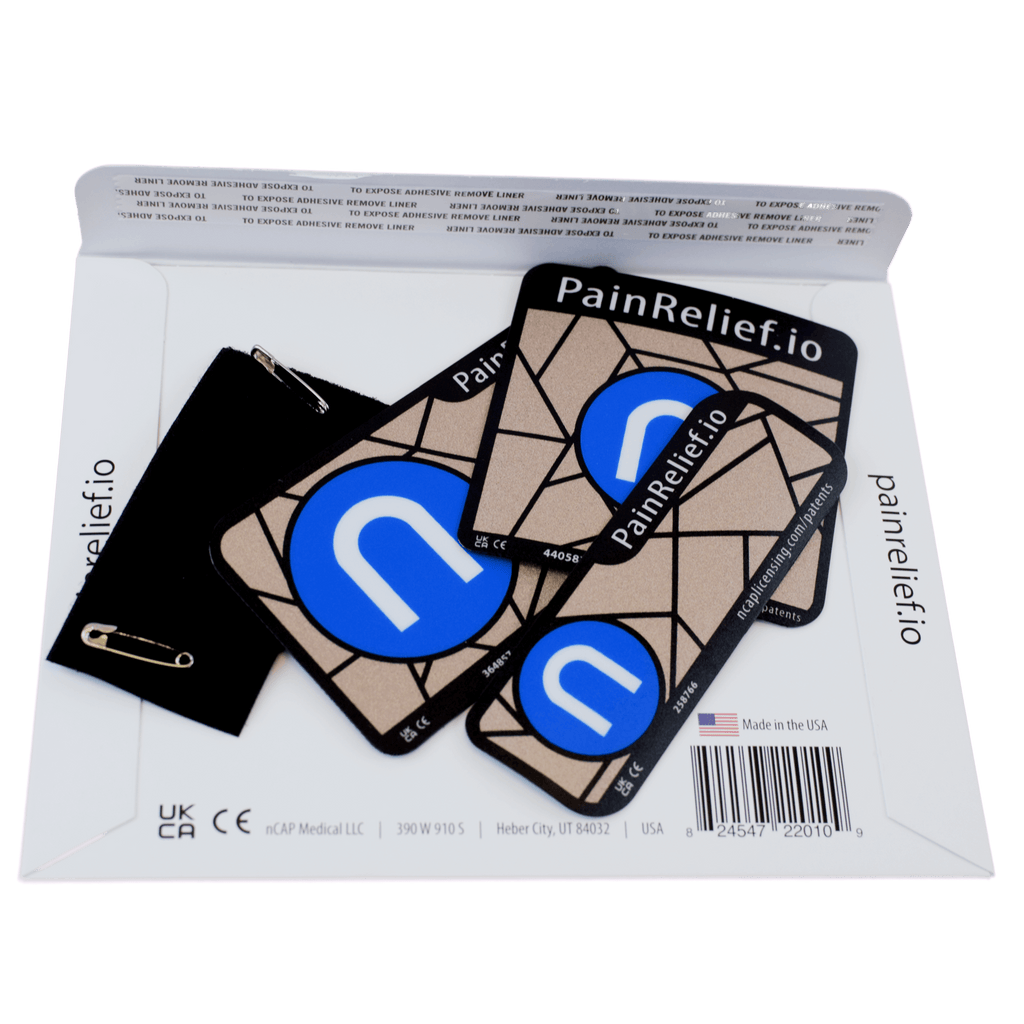
A reusable drug-free pain relief patch or wearable may appeal more if you want something you can use again and again without creams, heat, or pills. This approach is especially attractive for people with recurring knee pain from arthritis, overuse, work demands, or everyday mobility strain. PainRelief.io® focuses on that category - wearable, battery-free, drug-free relief designed for repeated use rather than one-time masking.
The right choice depends on what you value most. Fast cooling sensation, numbing support, all-day reusability, skin sensitivity, and budget all matter. Knee pain that shows up once after a long hike is different from knee pain you manage every morning.
The most common mistake is treating the knee like a flat surface. It is not. If a patch keeps peeling off, the issue may be less about the adhesive and more about placement over a bending point. Shift it slightly to the side or above and test how it feels while sitting, standing, and walking.
Another mistake is using a patch as a substitute for paying attention to the pain pattern. If your knee hurts after long periods of sitting, your placement may need to support the front of the joint. If it spikes on stairs, the lower front knee may be more relevant. A little observation helps you apply the patch more strategically.
People also overdo it. More patches, longer wear, or combining multiple topical products does not always improve relief and can increase skin irritation. With any pain solution, especially around a frequently moving joint, consistency tends to work better than excess.
Sometimes the question is not just how to use pain patch for knees, but whether a patch is the right tool for the kind of pain you have. If pain is mild to moderate and tied to activity, strain, stiffness, or chronic irritation, a patch may be a practical part of daily management. If the knee is hot, sharply swollen, unstable, or newly injured, you may need medical evaluation first.
It also may not be enough if your routine keeps aggravating the joint. Long shifts standing, repetitive kneeling, intense training, or weak surrounding muscles can keep knee pain cycling. A patch can support relief, but it works best when paired with smarter movement, better recovery, and fewer repeat triggers where possible.
That does not mean you need an elaborate plan. It may be as simple as using support during your most painful times of day, adjusting activity, and choosing a reusable option you will actually keep using instead of a disposable product that sits in a drawer.
The best knee pain solution is usually the one you can use consistently, comfortably, and without adding more friction to your day. If a pain patch helps you move easier, sleep better, or rely less on short-term fixes, that is a meaningful step forward.
Recherche
Terms of Service
Refund Policy
Contact Us
Ne pas vendre ou partager mes informations personnelles
Affiliates: Join or Log In
PATENTS
C'est simple à utiliser ! Placez simplement l'appareil au-dessus de votre douleur - Entre la douleur et le cerveau (tm) - et votre douleur commencera à s'estomper en quelques minutes. Le tout dans un appareil portable fin, réutilisable. Pas de piles, pas de fils, pas d'huiles malodorantes, pas de médicaments et ça agit rapidement !!
L'appareil est construit avec notre couche brevetée Neurocuple® scellée entre deux couches imperméables. Une fois placée au bon endroit, la couche Neurocuple® est activée directement par l'énergie du corps de l'utilisateur. Après quelques minutes, une sensation de chaud, de froid ou de picotement est ressentie par l'utilisateur à mesure que la douleur s'estompe.
L'appareil PainRelief.io® est un produit de bien-être général qui aide à promouvoir l'activité physique chez les utilisateurs souffrant de douleurs chroniques et intermittentes, ce qui, dans le cadre d'un mode de vie sain, peut aider à vivre avec ces conditions et peut retarder l'apparition des handicaps associés.