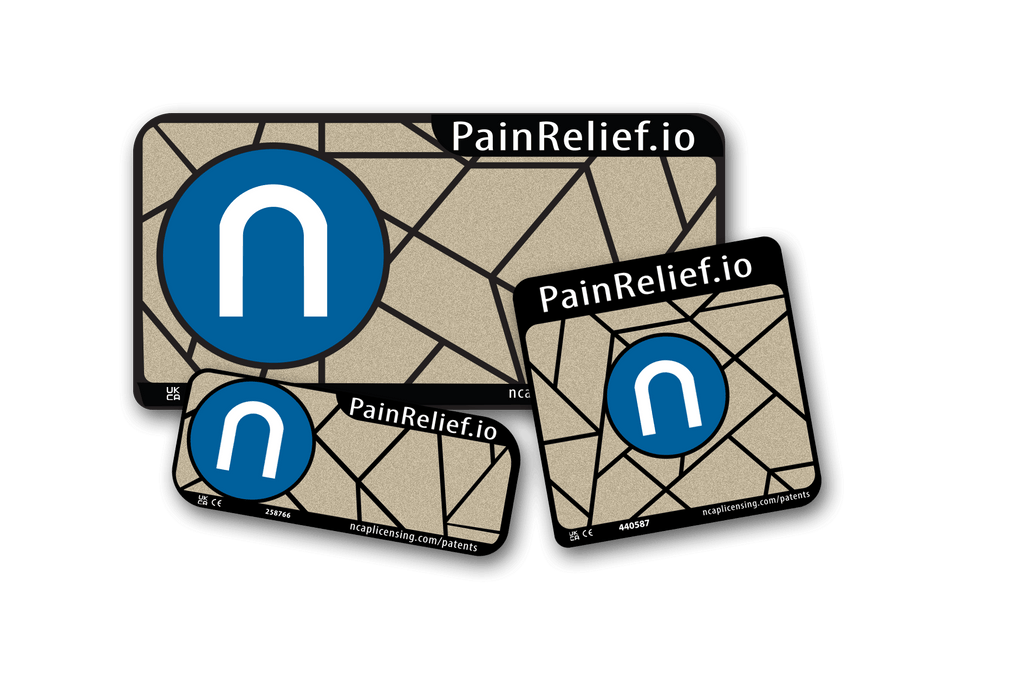

Drug-Free • Reusable for Years • 137-Day Money-Back Guarantee
A lot of pain products promise relief. Far fewer explain why they should work, how they differ from the next option on the shelf, or what makes one device more credible than another. That is where patented pain relief devices stand out. A patent does not automatically mean a product is right for every person or every type of pain, but it does signal that the underlying technology is distinct enough to be recognized and protected.
For anyone trying to manage back pain, knee pain, headaches, cramps, TMJ discomfort, or lingering muscle tension without reaching for another pill, that difference matters. When pain keeps returning, the real question is not just whether a product feels convenient. It is whether the device is built on an original mechanism, designed for repeat use, and practical enough to become part of daily life.
In simple terms, patented pain relief devices are products built around technology, design, or methods that have been granted patent protection. That protection is important because it separates a true invention from a generic lookalike. In a crowded pain relief market, that can help consumers cut through vague claims and focus on whether a product brings something genuinely different to the table.
That said, a patent is not the same thing as a cure. It does not guarantee that every user will get the same result, and it does not erase the fact that pain is personal. A person with occasional shoulder tension may respond differently than someone dealing with chronic nerve discomfort or arthritis. Still, a patented device often gives you a clearer starting point because there is a defined technology behind it rather than a copycat concept with little explanation.
Pain relief is one of those categories where products can start to look interchangeable. Adhesive patches, wraps, braces, gels, heating products, and wearable gadgets all compete for attention. When everything claims to be easy, effective, and natural, it becomes harder to tell what is actually unique.
Patents help answer that problem. They suggest that a company has invested in developing a specific approach instead of repackaging a familiar idea. That can matter if you are trying to move beyond short-term fixes. Many people are not looking for one more disposable patch or temporary distraction. They want something they can use again and again without building their routine around medication, messy creams, cords, or charging cycles.
A patented device can also reflect a stronger level of product focus. Brands that build around protected technology often spend more time explaining how the device is meant to interact with the body, where it should be placed, and which pain scenarios it is intended to address. For shoppers, that clarity is useful. It makes it easier to match the product to real-world pain instead of guessing based on marketing language.
Not all devices work the same way. Some rely on heat. Others use electrical stimulation, compression, vibration, or light. Some are active devices that require batteries, settings, and regular charging. Others are passive wearables designed to work without wires or power sources.
This is where the trade-offs start to matter.
A powered device may offer adjustable intensity, which some users like. But it may also be bulky, less convenient under clothing, or harder to use on the go. Heat can feel soothing, but the effect may fade quickly once the session ends. Creams and topical products may be easy to find, yet they can be messy, strongly scented, or limited to short-term use.
Some patented wearables take a different route by working with the body’s own bioelectrical environment. Instead of heating, numbing, or forcing sensation through stimulation, these devices are designed to interact with the electrical signals around the area of discomfort. That approach appeals to people who want drug-free support without batteries, wires, or repeated purchases of disposable products.
For many adults managing recurring pain, practicality is not a small detail. A solution only helps if you will actually use it during work, errands, travel, exercise recovery, or while resting at home.
The best device for one pain issue may not be the best choice for another. That is why body area and pain pattern matter.
Lower back pain often calls for broader coverage and a wearable format that stays put while sitting, walking, or moving through the day. Knee pain usually benefits from a size and shape that can target the joint without making movement awkward. Headaches, migraines, and TMJ discomfort require a more precise fit because the temples and jaw are smaller, more sensitive areas. Menstrual cramps and abdominal tension raise another practical issue: comfort during longer wear.
This is one reason many consumers now prefer reusable wearable devices that come in different sizes or configurations. It is not just about convenience. It is about getting the right amount of coverage in the right place. A one-size-fits-all solution sounds simple, but pain rarely works that way.
When evaluating a device, it helps to think less about broad promises and more about your own pain pattern. Is the pain constant or intermittent? Localized or spread out? Triggered by posture, movement, stress, exercise, or monthly cycles? The more clearly a product maps to those use cases, the easier it is to judge whether it fits your routine.
A smart buying decision usually comes down to four things: credibility, usability, reusability, and fit.
Credibility starts with whether the brand explains the technology in plain language. If a company leans heavily on hype but says little about how the device works, that is worth noticing. A patented technology should be understandable even if the underlying science is complex.
Usability matters because pain relief should not create more friction. If a device needs charging, setup, replacement parts, or time carved out for each session, ask yourself whether that matches your life. Many people stop using otherwise decent products because they are inconvenient.
Reusability matters for both cost and consistency. Disposable solutions can add up fast. A reusable option may make more sense for recurring issues like chronic back tension, headaches, or menstrual cramps that show up week after week or month after month.
Fit is about matching the device to both your body and your pain. The best technology in the world is not especially helpful if it is too large for the jaw, too small for the lower back, or too awkward to wear during normal activity.
For some people, drug-free relief is a preference. For others, it feels like a necessity.
Maybe they are tired of cycling through over-the-counter pain relievers. Maybe they want to avoid side effects, minimize dependency on medication, or use something they can keep close at hand throughout the day. Maybe they have tried heating pads, braces, creams, and patches and found that each one solved one problem while creating another.
That is why the rise of patented wearable pain technology is getting attention. It speaks to a real shift in what consumers want: more control, less interruption, and options that fit real life. A battery-free, wire-free, reusable format can be especially appealing because it removes barriers. You do not have to plan around charging or keep buying replacements just to maintain your routine.
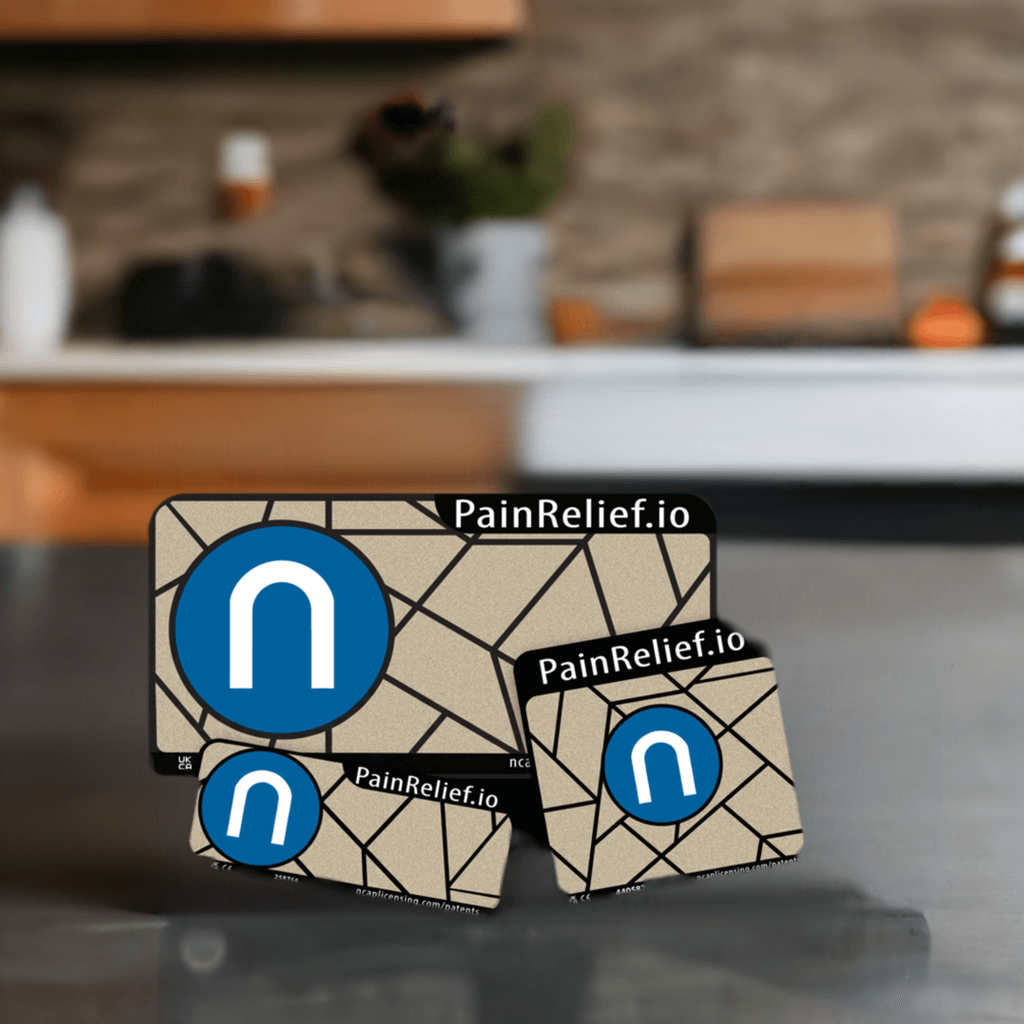
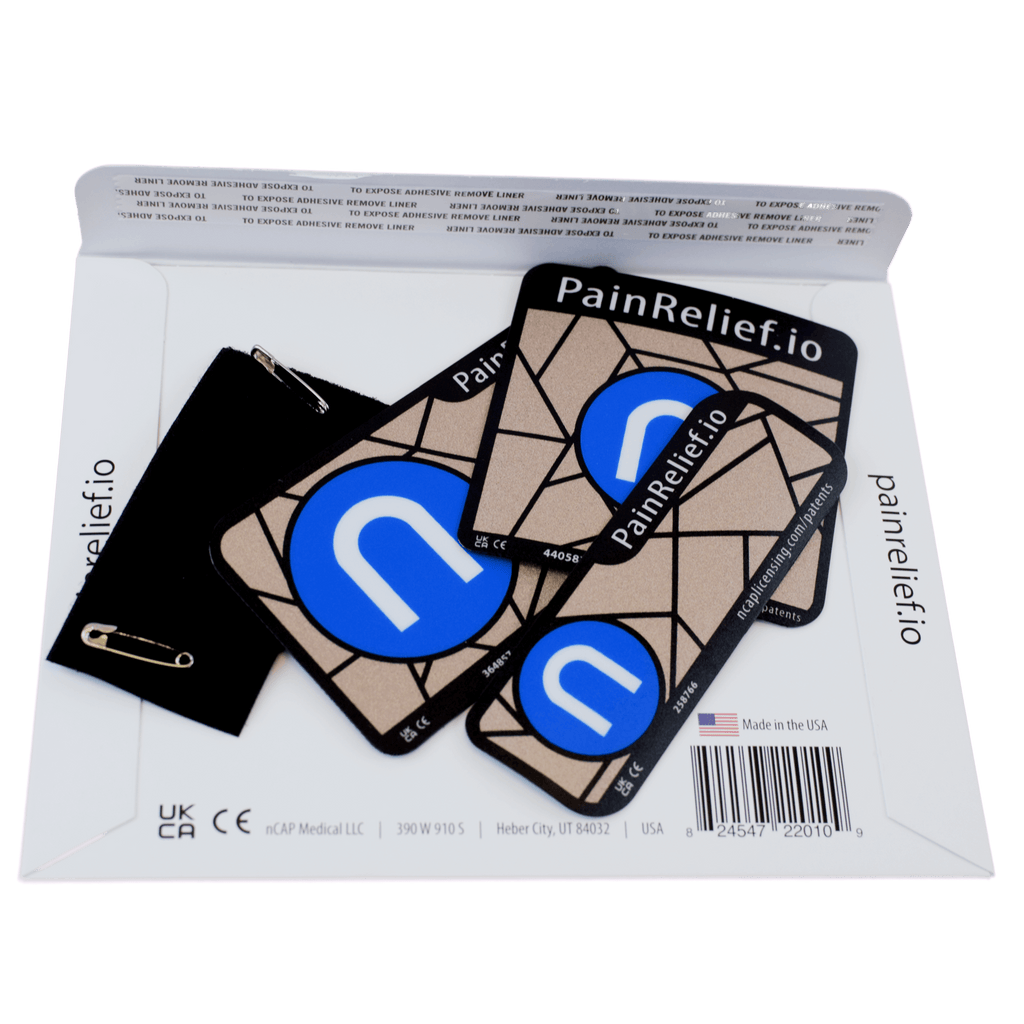
PainRelief.io® is one example of how this category has evolved. Its approach centers on patented NeuroCuple® nanocapacitive technology and body-area-specific wearables designed for repeated use across a wide range of pain scenarios. That kind of structure matters because it helps people shop based on where they hurt and how they live, not just on broad claims.
The most useful pain relief device is not always the one with the most features. Often, it is the one you can actually use consistently.
If you are dealing with recurring discomfort, look for a solution that is simple enough to keep nearby, comfortable enough to wear when needed, and credible enough to trust over time. Patented pain relief devices can be appealing because they offer something more defined than a generic wellness product. They suggest an original approach, and in a market full of repeated ideas, that is a meaningful distinction.
Pain may be common, but your routine is specific. The right device should meet you there - at your desk, on the couch, after a workout, during a headache, or in the middle of a normal day that pain has interrupted one too many times. When a product is built around that reality, relief feels a lot more practical.
Search
Terms of Service
Refund Policy
Contact Us
Protect my personal information
Affiliates: Join or Log In
PATENTS
PainRelief.io® devices are designed to be simple to use. Just place the device near the area of discomfort and adjust as needed to find the position that feels most effective.
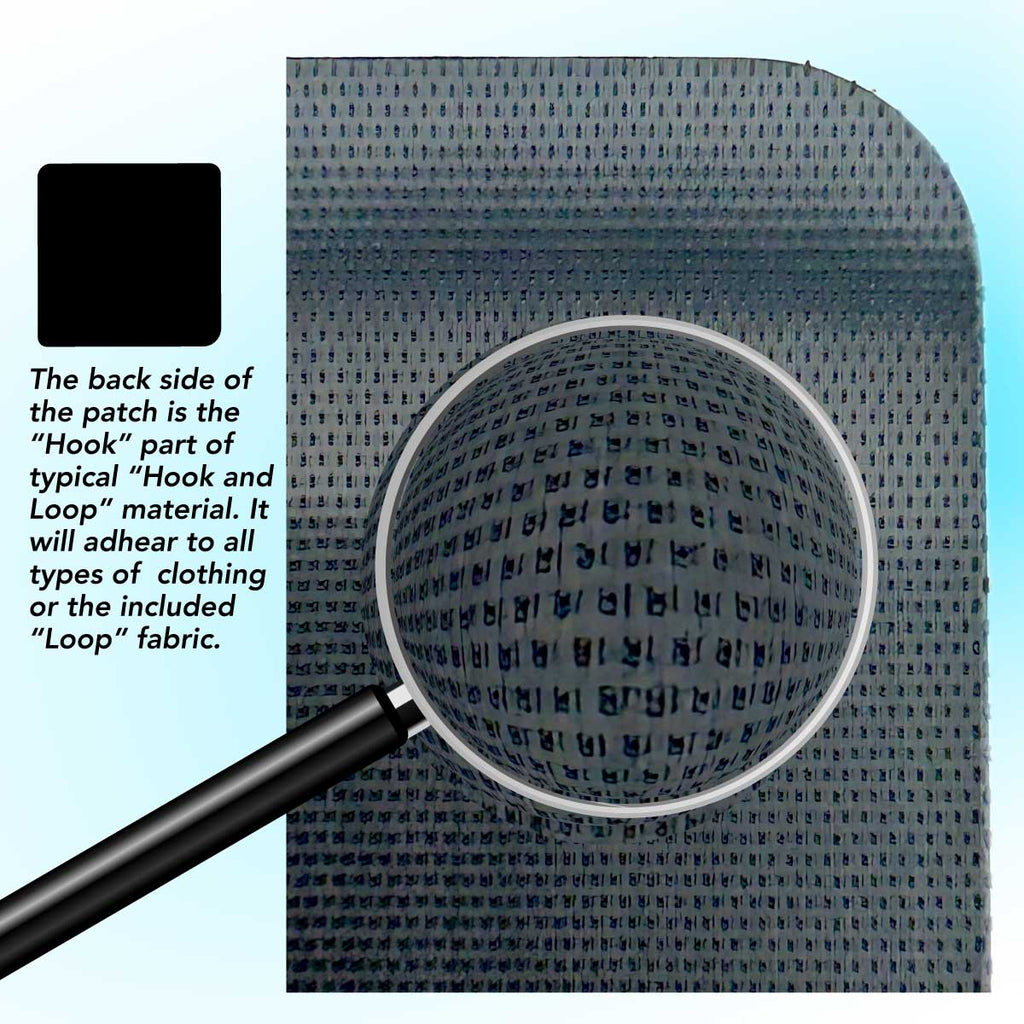
Each device is thin, reusable, wearable, and easy to use — with no batteries, no wires, no creams, and no drugs.
Inside each device is our patented NeuroCuple® layer, sealed between two durable waterproof layers. This technology is designed to work with your body’s natural bioelectrical environment in a simple, non-invasive way.
Some users report sensations such as warmth, cooling, or tingling during use, while others feel little or nothing at all.
PainRelief.io® devices are intended as general wellness products designed to support comfort, physical activity, and everyday function.