

A knee that hurts after a run, leg day, a long hike, or a pickup game can make even a short walk downstairs feel like a problem. Learning how to relieve knee pain after exercise starts with recognizing that post-workout pain is not always the same thing. Sometimes it is ordinary soreness from asking more of your muscles and joints. Other times, it is your body asking for a change in load, form, recovery, or medical attention.
The goal is not to push through every ache. It is to calm irritation, protect the joint, and return to movement with more confidence - without automatically reaching for pills.
Muscle soreness around the knee often develops gradually in the 12 to 48 hours after a new or harder workout. You may feel stiffness in the quads, hamstrings, calves, or the tissues surrounding the joint. This can happen after hills, squats, lunges, jumping, or a sudden jump in walking or running mileage.
Pain that is sharp, pinpointed, or sudden is different. So is pain that began with a twist, a pop, a fall, or an awkward landing. Pain at the front of the knee is common with activities that repeatedly bend the joint under load, such as stairs, cycling, and running. Pain on the inside or outside may reflect irritation from overuse, mechanics, or an injury that deserves evaluation.
You do not need a diagnosis to take sensible first steps. But the pattern matters. A dull ache that improves as you move gently calls for a different response than a knee that buckles, locks, or swells quickly.
For mild pain that is not tied to a clear injury, start by reducing the aggravating activity for a few days. This does not always mean complete rest. If running hurts, consider a comfortable walk, easy swimming, or another low-impact movement that does not increase pain during or afterward. Total inactivity can leave the knee and supporting muscles feeling stiffer.
Cold can be useful when the knee feels warm, puffy, or newly irritated after activity. Use a cold pack wrapped in a thin towel for about 15 to 20 minutes at a time. Heat may feel better for stiffness or muscle tightness, particularly before gentle mobility work. Neither is a cure, and the better choice is often the one that gives you meaningful, short-term comfort.
Elevating the leg can help if there is mild swelling. A light compression sleeve may also feel supportive, but it should not cause numbness, tingling, color changes, or increased pain. A sleeve can provide comfort; it cannot correct an underlying injury or replace a plan to rebuild strength.
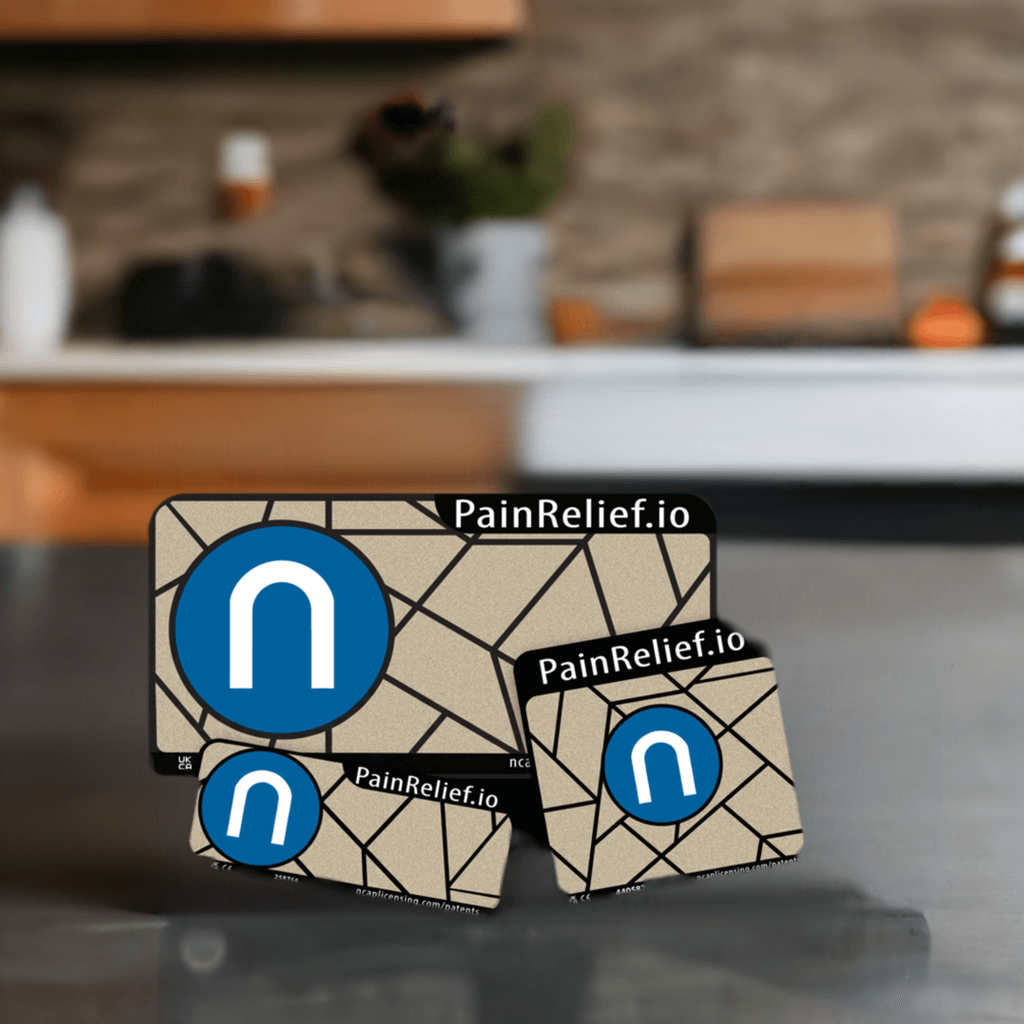
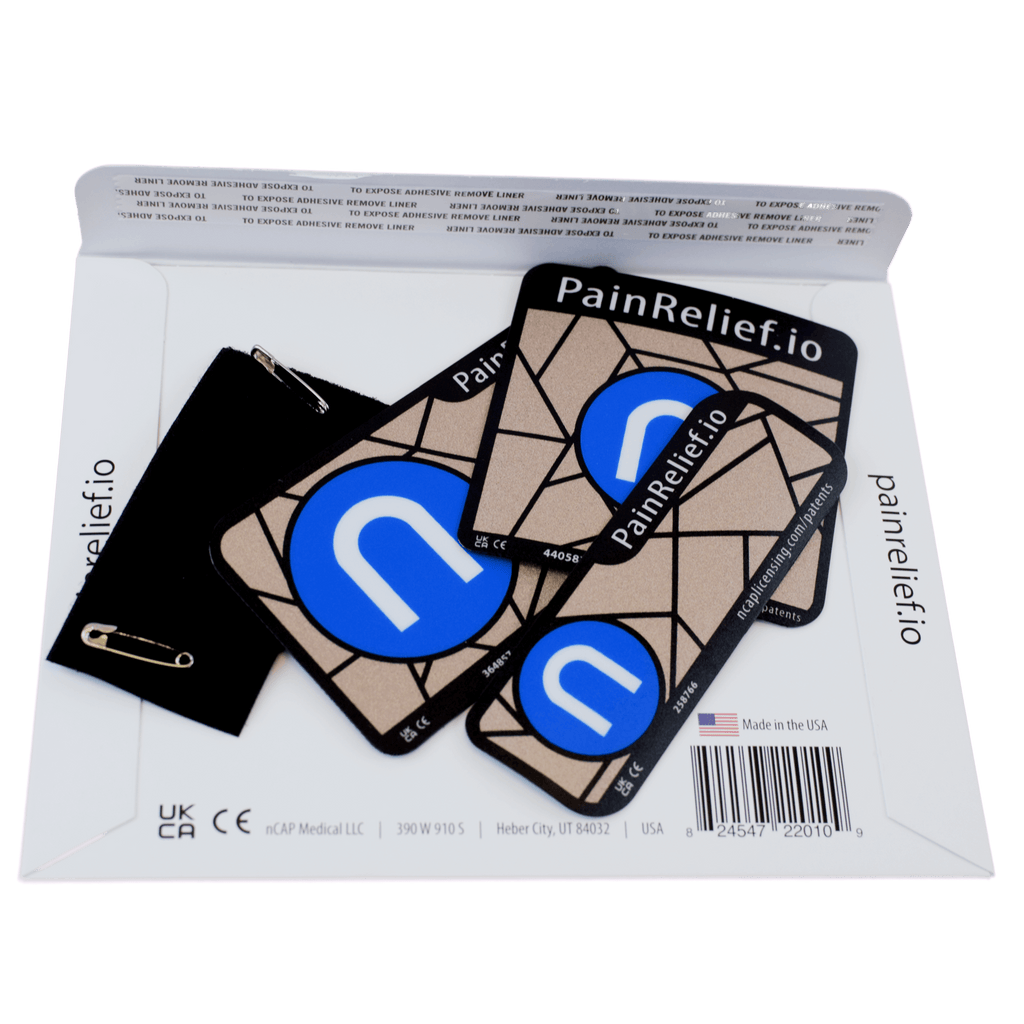
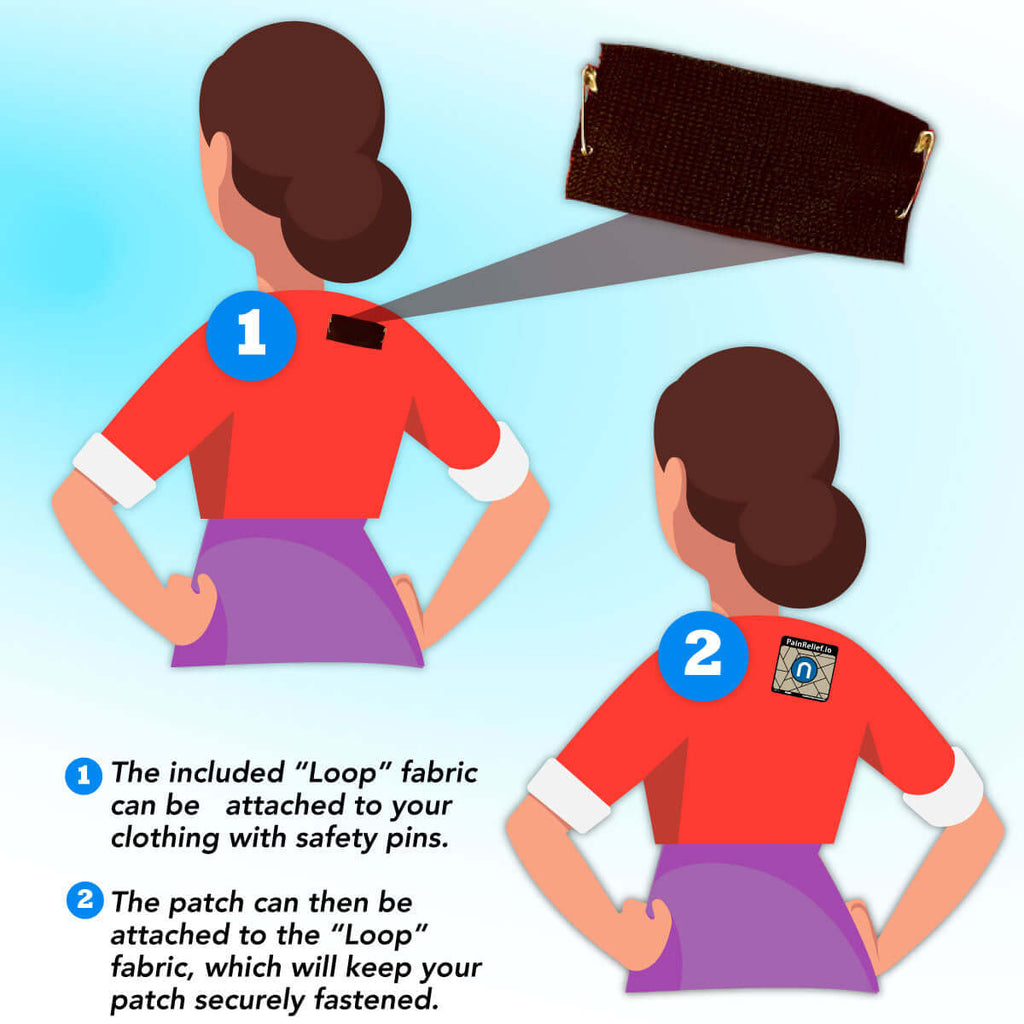
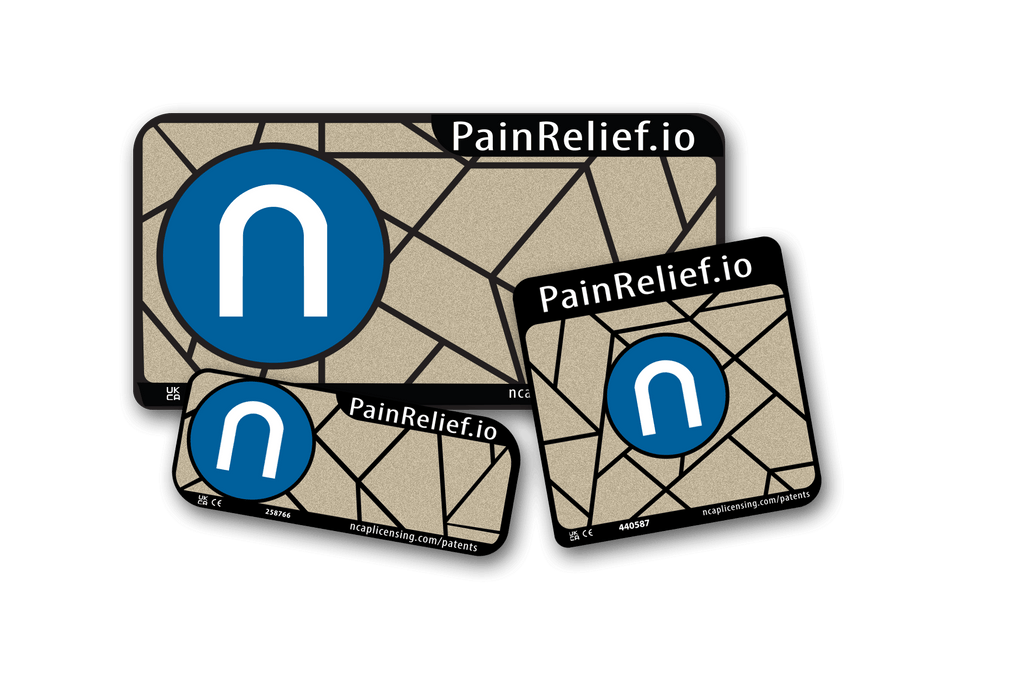
For people who want a drug-free option they can use repeatedly, a wearable pain relief device may be part of a recovery routine. PainRelief.io® devices use patented NeuroCuple® nanocapacitive technology and are designed to be worn directly over the area of discomfort, without batteries, wires, creams, or medication. Pain relief tools can make it easier to rest or move comfortably, but they work best alongside sensible activity changes rather than as permission to keep overloading an irritated knee.
Once sharp pain and significant swelling have settled, gentle motion is usually more helpful than guarding the knee all day. Try slowly bending and straightening the knee within a comfortable range. Short, easy walks on level ground can also help reduce the stiff, stuck feeling that often follows a hard workout.
Then look beyond the knee itself. The hips, glutes, quads, hamstrings, calves, feet, and ankles all influence how force travels through the joint. When one area is weak, fatigued, or restricted, the knee may take on more work than it can comfortably handle.
Start with low-pain exercises such as quad sets, straight-leg raises, glute bridges, calf raises, and controlled sit-to-stands from a chair. The right exercise depends on where the pain is and what triggered it. For example, a deep squat may be too much during an irritated phase, while a shallow sit-to-stand is tolerable. Use pain as feedback: mild discomfort that settles quickly may be acceptable, but sharp pain or symptoms that linger into the next day are signs to scale back.
Knee pain after exercise often has a simple cause: too much, too soon. Maybe you added hills and distance in the same week, returned to pickleball after months away, or increased squat weight while also adding more training days. Joints and tendons adapt to load, but they generally need gradual exposure.
Review recent changes honestly. Consider whether you increased duration, intensity, frequency, terrain, weight, or range of motion. Even a new pair of shoes or a change from treadmill running to pavement can alter how your knee feels.
Technique can matter, too. During squats, lunges, step-ups, and landing drills, aim for controlled movement rather than letting the knee collapse inward or rush forward under fatigue. You do not need perfect form at every moment, but repeated loss of control is useful information. Reducing the depth, lowering the load, slowing the repetition, or working with a qualified physical therapist or trainer can help.
Recovery is part of training, not time lost from training. Sleep, enough protein and overall nutrition, hydration, and planned easier days all influence how well your body handles exercise. If your knee flares after every workout, the problem may be less about a single exercise and more about the total demands placed on your body each week.
Avoid testing the knee over and over with the exact movement that caused the pain. Repeatedly running up stairs, doing deep lunges, or forcing a painful bend can keep an irritated area reactive. At the same time, avoid assuming that every ache means you must stop all activity indefinitely.
Be cautious with aggressive stretching. Stretching can feel good when surrounding muscles are tight, but forcing the knee into a painful position is unlikely to help. The same goes for foam rolling directly over a tender joint. Focus instead on gentle mobility and the muscles around the knee.
Medication may be appropriate for some people, but it is not risk-free or right for everyone. If you use over-the-counter pain relievers, follow the label and discuss regular use with a healthcare professional, especially if you have kidney disease, stomach ulcers, heart concerns, take blood thinners, or have other medical conditions. Drug-free comfort measures give many people another option while they address the source of recurring pain.
Most mild overuse discomfort improves with activity changes and time. However, certain symptoms should not be treated as ordinary workout soreness. Seek prompt medical care if you have:
A calmer knee is usually built through small decisions: reduce the movement that provokes pain, keep moving in ways your body tolerates, rebuild strength gradually, and respect warning signs. The most useful recovery plan is the one that helps you return to the activities you enjoy without asking your knee to pay for them afterward.