
Livraison et retours gratuits au-dessus de 100 $ !
That tight, aching feeling at the hinge of your jaw rarely stays in one place. TMJ discomfort can spread into your cheeks, temples, ears, neck, and even your shoulders, turning meals, conversations, and sleep into daily friction. If you are looking for drug free pain relief for TMJ, the goal is usually not just to feel better for an hour. It is to find something you can actually live with, repeat, and trust.
TMJ pain is frustrating because it is rarely caused by one thing alone. For some people, it starts with clenching during stress. For others, it builds from bite issues, muscle overuse, poor posture, headaches, sleep problems, or a recent dental procedure. That is why the best non-drug approach is usually practical rather than perfect. You are trying to reduce irritation, calm overworked tissue, and support the body in a way that fits real life.
A lot of TMJ advice sounds good on paper but falls apart by day three. If a solution is too complicated, too messy, or too short-lived, most people stop using it. Real relief has to meet a higher standard. It should be noninvasive, simple to use, and easy to repeat when symptoms flare.
That matters because TMJ discomfort often comes in cycles. You might feel mostly fine for a week, then wake up after a stressful night with jaw tightness, facial soreness, and a headache behind the eyes. In that kind of pattern, consistency matters more than intensity. Small, repeatable actions often work better than occasional big interventions.
There is also a trade-off to keep in mind. Fast comfort is helpful, but temporary comfort is not the same as long-term support. Drug-free options tend to work best when they lower the day-to-day load on the joint and surrounding muscles instead of trying to overpower symptoms.
TMJ discomfort often improves when you stop feeding the cycle. That sounds simple, but many people clench without realizing it. During the day, the jaw should usually be relaxed, with the lips together and the teeth slightly apart. If your molars are touching all afternoon while you work, drive, or scroll, your jaw muscles are doing overtime.
Food texture matters too. Tough bagels, chewy candy, large sandwiches, and steaks can all aggravate a sensitive jaw. This does not mean you need a permanent soft-food diet. It means that during a flare, giving the joint a break can make a noticeable difference. Smaller bites, softer meals, and avoiding wide opening can calm irritation faster than people expect.
Posture is another overlooked trigger. Forward head posture changes how the jaw and neck muscles share tension. If you spend long hours at a desk, your TMJ pain may not be just a jaw issue. It may be a jaw-neck-shoulder issue. Sometimes adjusting screen height, relaxing the shoulders, and taking brief movement breaks reduces facial tension more than another round of stretching.
People often ask whether heat or cold is better. The honest answer is that it depends on what your body is doing. If the area feels tight, stiff, or locked up, gentle heat often helps muscles let go. If the joint feels inflamed, sharp, or irritated after heavy chewing, cold may feel better. Some people use both at different times of day.
Jaw movement can help, but this is where caution matters. Aggressive stretching is not always better. If opening and closing the mouth creates clicking, catching, or pain, forcing range of motion can make the joint angrier. Controlled movement is usually the better path. Slow, small exercises focused on alignment and relaxation tend to be more useful than dramatic stretches.
Massage can also help, especially for the masseter muscles at the sides of the jaw and the temples. The key is gentle pressure. If you press hard enough to create guarding, you may leave the area more reactive than before.
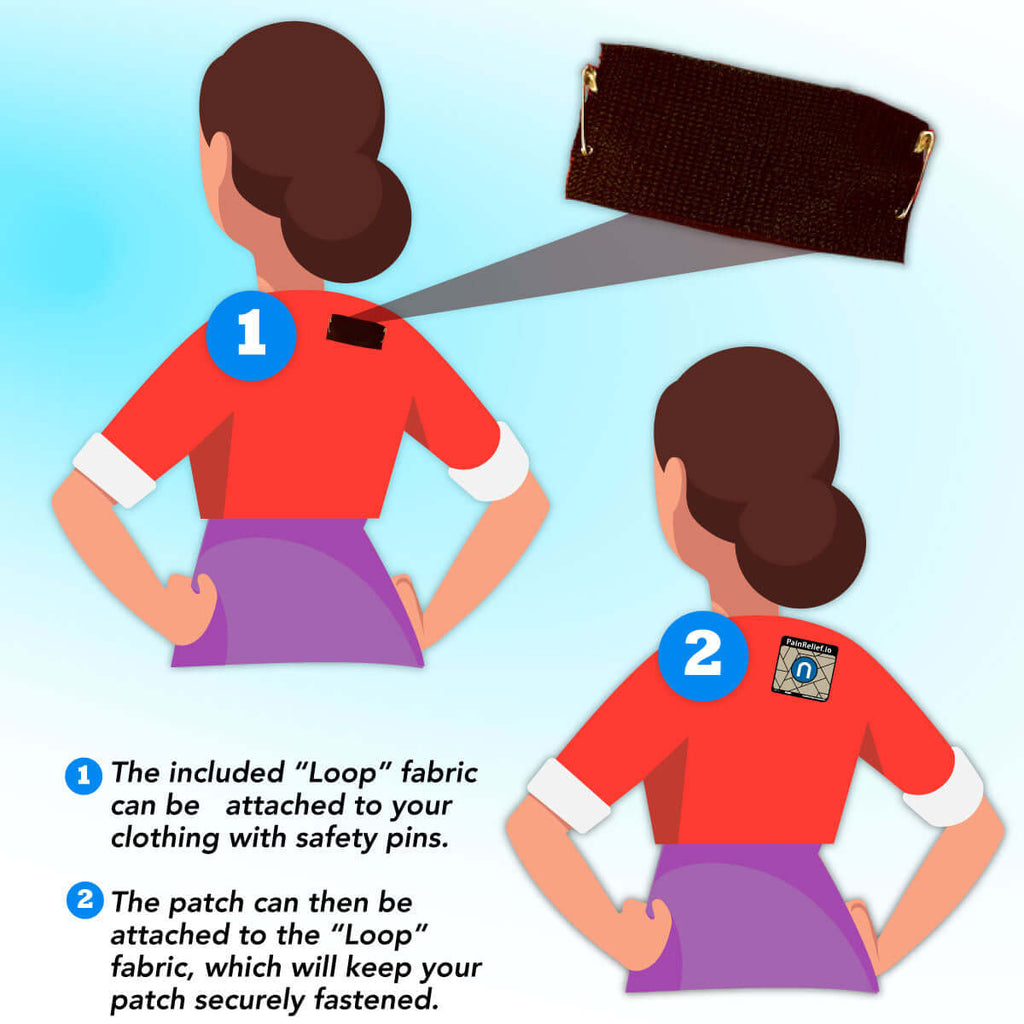
One challenge with TMJ discomfort is location. You cannot exactly stop using your jaw. You talk, eat, swallow, and make facial expressions all day. That is why wearable, noninvasive support can be appealing. Instead of relying on a cream that wears off or a medication you may not want to take regularly, a reusable wearable can become part of your routine.
For people who want drug free pain relief for TMJ, this kind of support is often less about dramatic interruption and more about steady, practical relief. The best options are easy to place, comfortable to wear, and simple enough to use at work, at home, or while resting. If it takes batteries, cords, charging schedules, or a complicated setup, many people will not stick with it.
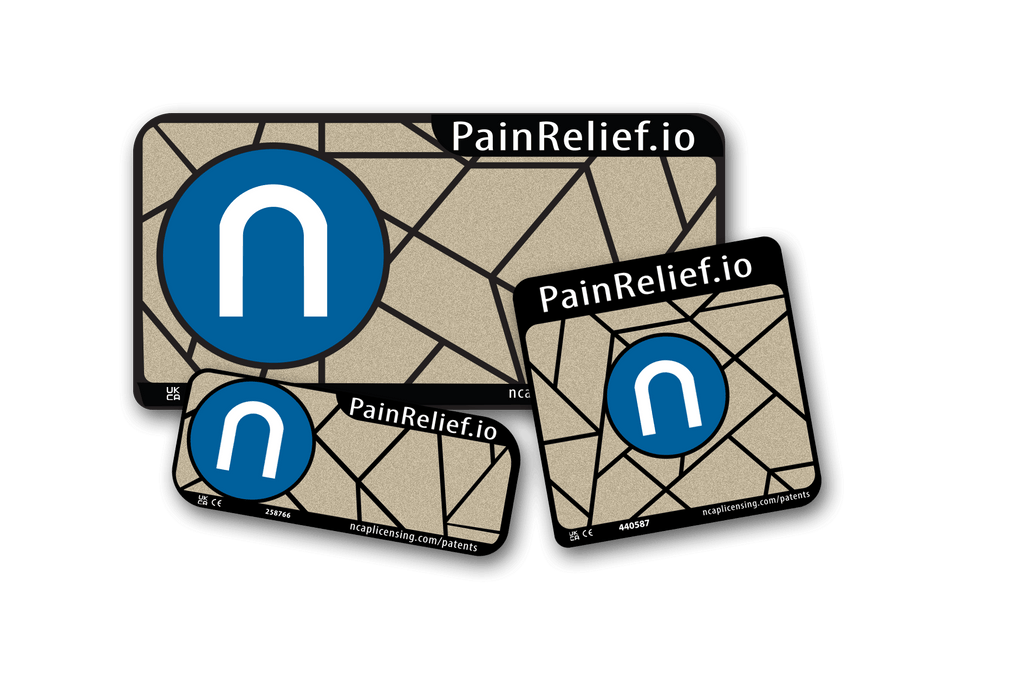
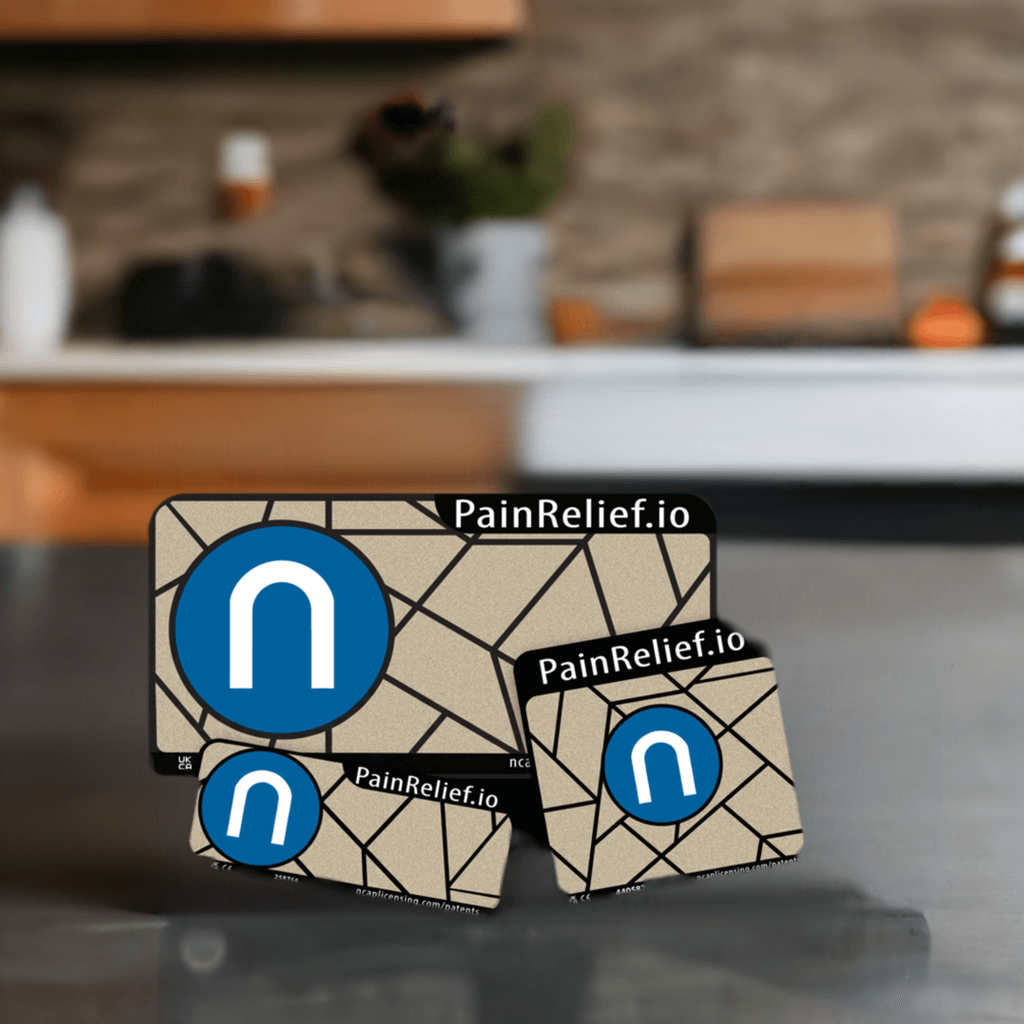
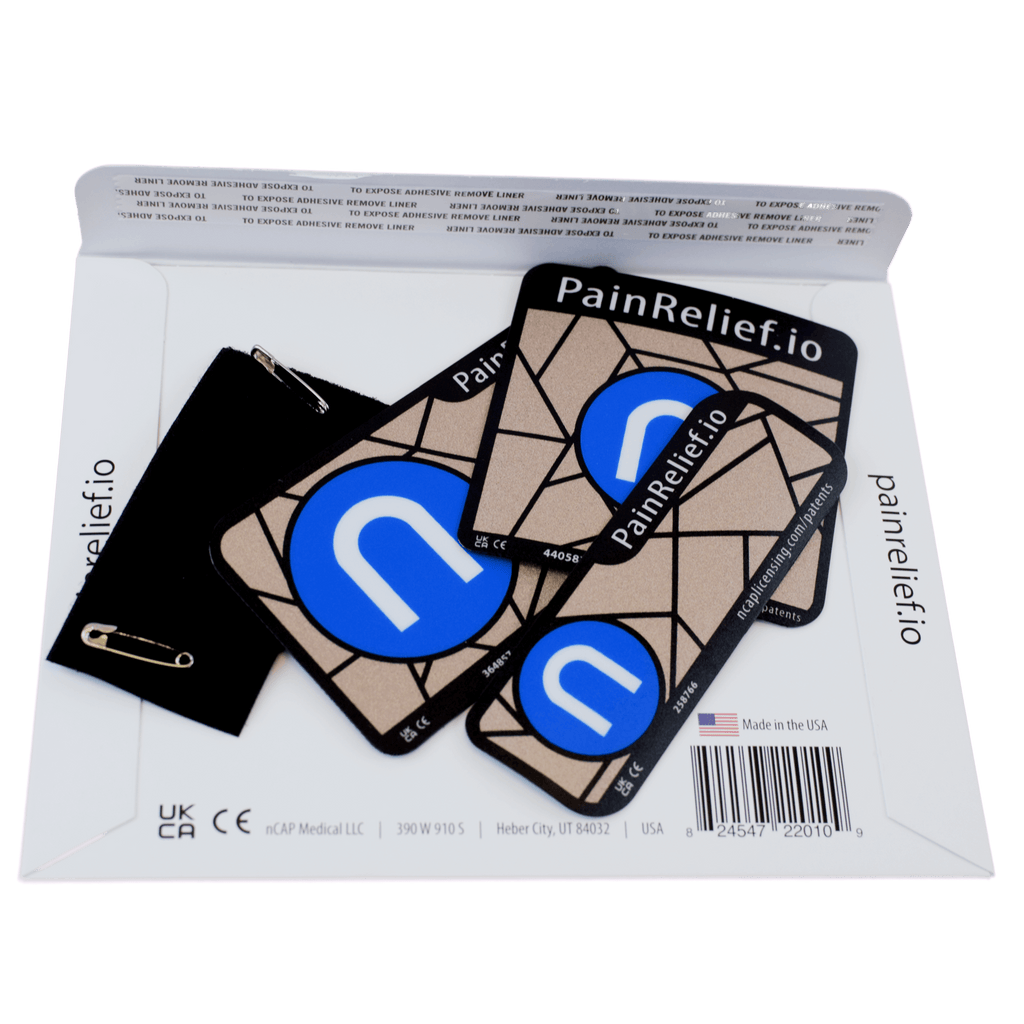
PainRelief.io is built around that reality. Its reusable, battery-free wearable devices use patented NeuroCuple nanotechnology designed to interact with the body’s bioelectrical environment without drugs, topical ingredients, or invasive steps. For TMJ discomfort, that matters because the easier a tool is to use consistently, the more likely it becomes part of your actual pain routine rather than something left in a drawer.
TMJ pain is rarely a one-time event. Even if symptoms improve, they can return during stress, travel, poor sleep, dental work, or periods of heavy clenching. Disposable products may seem convenient at first, but repeat use gets expensive and inconvenient fast. A reusable option changes the value equation.
It also changes behavior. When relief is available without needing to reorder, reapply, or keep a medicine cabinet stocked, people tend to use it earlier in the cycle. That can be a real advantage. Waiting until the jaw is fully flared often means more tension, more guarding, and more discomfort radiating into the head and neck.
This does not mean every reusable tool works for every person. TMJ is personal. Some people have mostly muscular tension. Others have more joint-specific symptoms, night grinding, or a history of injury. But when a product is noninvasive, easy to wear, and reusable for years, it fits the stop-start nature of TMJ better than many short-term fixes do.
Drug-free relief can do a lot, but there are moments when a broader plan is the smarter move. If you wake up with severe jaw pain every morning, a nighttime grinding issue may need attention. If your bite changed suddenly, your jaw locks, or you cannot open your mouth normally, it is worth getting evaluated. The same goes for pain linked to trauma, swelling, or symptoms that seem to be getting progressively worse.
A good non-drug approach is not anti-medical. It is practical. It gives you options you can use every day while helping you notice when something deeper may be going on.
For many people, the most effective routine is layered. They avoid the chewing habits that keep the area irritated, improve posture during the day, use heat or cold based on symptoms, and add a wearable form of support when pain is recurring or disruptive. None of that is flashy. That is exactly why it works for real life.
There is no prize for choosing the most complicated solution. TMJ discomfort responds best to approaches that lower strain, fit into your routine, and can be repeated without much effort. If your current plan depends on willpower, perfect posture, and remembering six exercises at exactly the right time, it may be asking too much.
A better approach is often simpler. Reduce the habits that overload the jaw. Use gentle comfort strategies that match your symptoms. Choose support that is noninvasive and easy to use again and again. Give it enough consistency to matter.
The jaw is a small area, but it can disrupt a lot when it hurts. Relief does not have to come from a bottle to be real, and it does not have to be complicated to be worth trusting.
Recherche
Terms of Service
Refund Policy
Contact Us
Ne pas vendre ou partager mes informations personnelles
Affiliates: Join or Log In
PATENTS
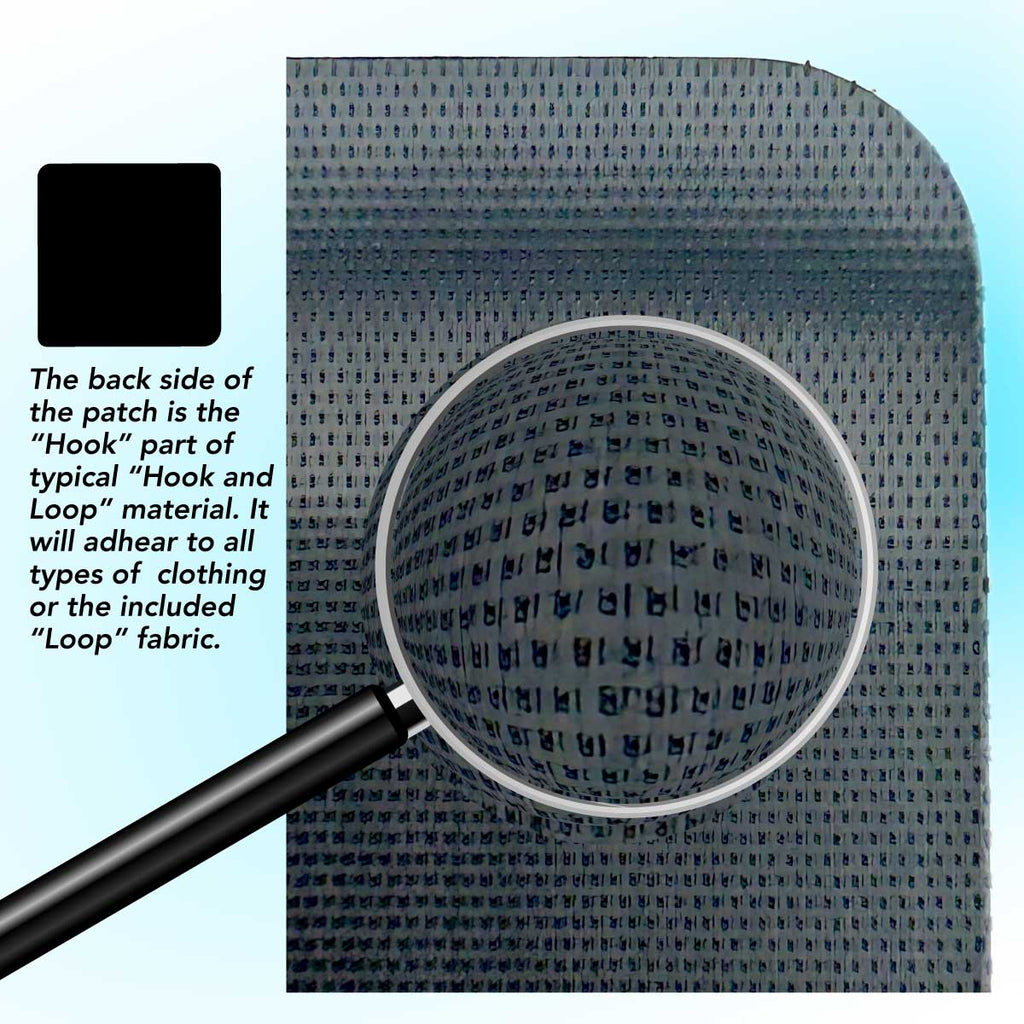
C'est simple à utiliser ! Placez simplement l'appareil au-dessus de votre douleur - Entre la douleur et le cerveau (tm) - et votre douleur commencera à s'estomper en quelques minutes. Le tout dans un appareil portable fin, réutilisable. Pas de piles, pas de fils, pas d'huiles malodorantes, pas de médicaments et ça agit rapidement !!
L'appareil est construit avec notre couche brevetée Neurocuple® scellée entre deux couches imperméables. Une fois placée au bon endroit, la couche Neurocuple® est activée directement par l'énergie du corps de l'utilisateur. Après quelques minutes, une sensation de chaud, de froid ou de picotement est ressentie par l'utilisateur à mesure que la douleur s'estompe.
L'appareil PainRelief.io® est un produit de bien-être général qui aide à promouvoir l'activité physique chez les utilisateurs souffrant de douleurs chroniques et intermittentes, ce qui, dans le cadre d'un mode de vie sain, peut aider à vivre avec ces conditions et peut retarder l'apparition des handicaps associés.