
Livraison et retours gratuits au-dessus de 100 $ !
Joint pain has a way of shrinking your day. A sore knee changes how you take the stairs. A stiff hand makes simple tasks annoying. An aching shoulder can follow you from work to sleep. That is why so many people start looking for drug free pain relief for joint pain - not as a trend, but as a practical way to stay moving without relying on pills, messy creams, or temporary fixes.
The good news is that non-drug options are no longer limited to ice packs and wishful thinking. There are now several proven and promising ways to support painful joints, and the best choice often depends on what kind of pain you are dealing with, where it shows up, and how you want relief to fit into your routine.
Joint pain is not one single problem. Sometimes it is tied to overuse, like a wrist that flares after long hours at a keyboard or a knee that complains after a weekend project. Sometimes it is linked to age-related wear, inflammation, old injuries, or repetitive strain. The source matters because relief that helps one person may do very little for someone else.
That is also why the most useful approach is rarely all-or-nothing. Some people do well with movement-based support. Others want a wearable option they can use while working, walking, or sleeping. Many people want both. The real goal is not to chase a miracle. It is to lower interference, improve comfort, and make daily movement feel possible again.
When a joint hurts, people often respond in extremes. They either push through it or stop moving completely. Neither approach tends to work for long. Joints usually do better with smart support - enough activity to prevent stiffness, enough rest to avoid piling on irritation.
Gentle mobility is often the first place to start. Slow range-of-motion work can help a painful joint feel less guarded. This is especially true in the morning, when stiffness tends to be worse. A few controlled movements done consistently can be more helpful than an occasional hard workout.
Heat and cold can also play a role, though it depends on the situation. Cold is often useful after activity or during a flare when the joint feels hot, swollen, or irritated. Heat tends to help when the bigger problem is tightness and stiffness. Neither one is a permanent answer, but both can be part of a practical routine.
Bracing and compression are another option. Some people get meaningful support from stabilizing a joint during repetitive activity. The trade-off is that too much dependence on bracing can sometimes lead to less natural movement or muscle engagement. Used selectively, though, support wear can make a noticeable difference.
This is where the category has changed. A lot of people want relief that does not require planning their whole day around it. They want something clean, simple, and reusable. They do not want to reapply creams, track dosing, or carry around a tangle of battery packs and chargers.
Wearable, noninvasive devices are gaining attention for exactly that reason. The right device is easy to place over or near the problem area, comfortable enough to wear during normal activity, and simple enough that it does not become another chore.
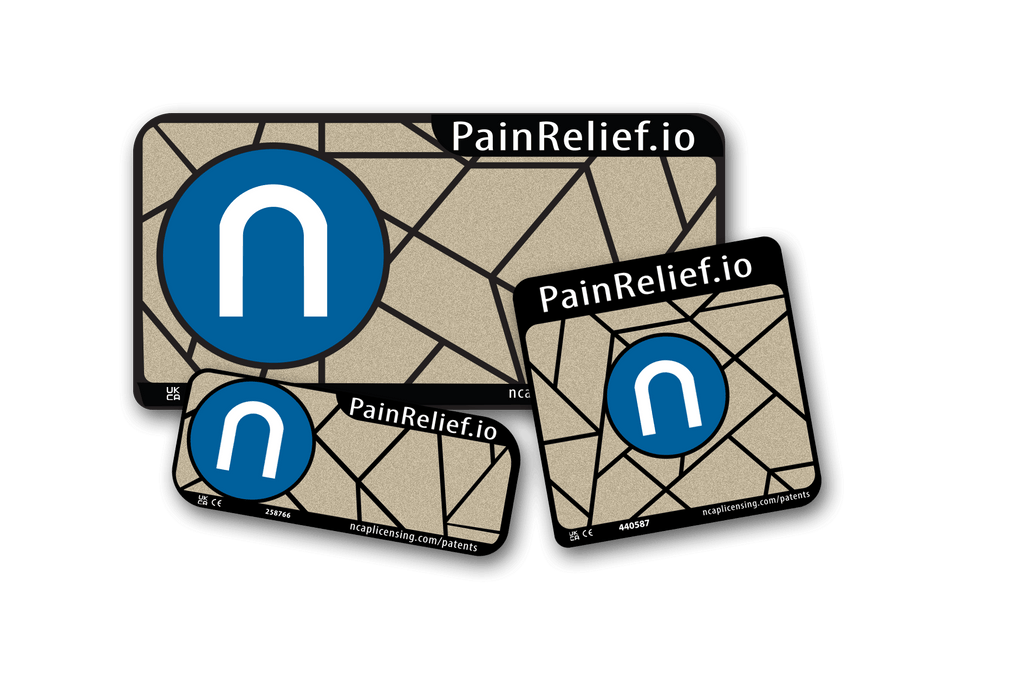
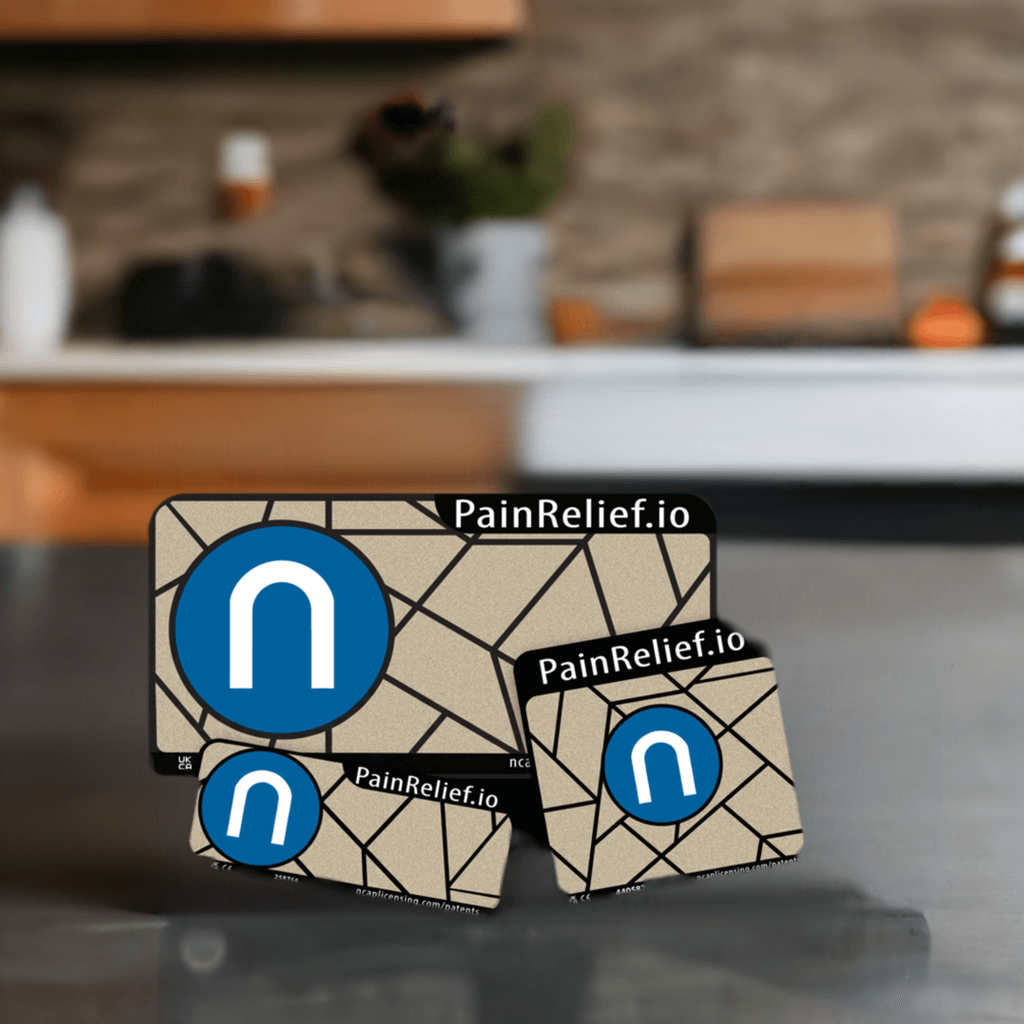
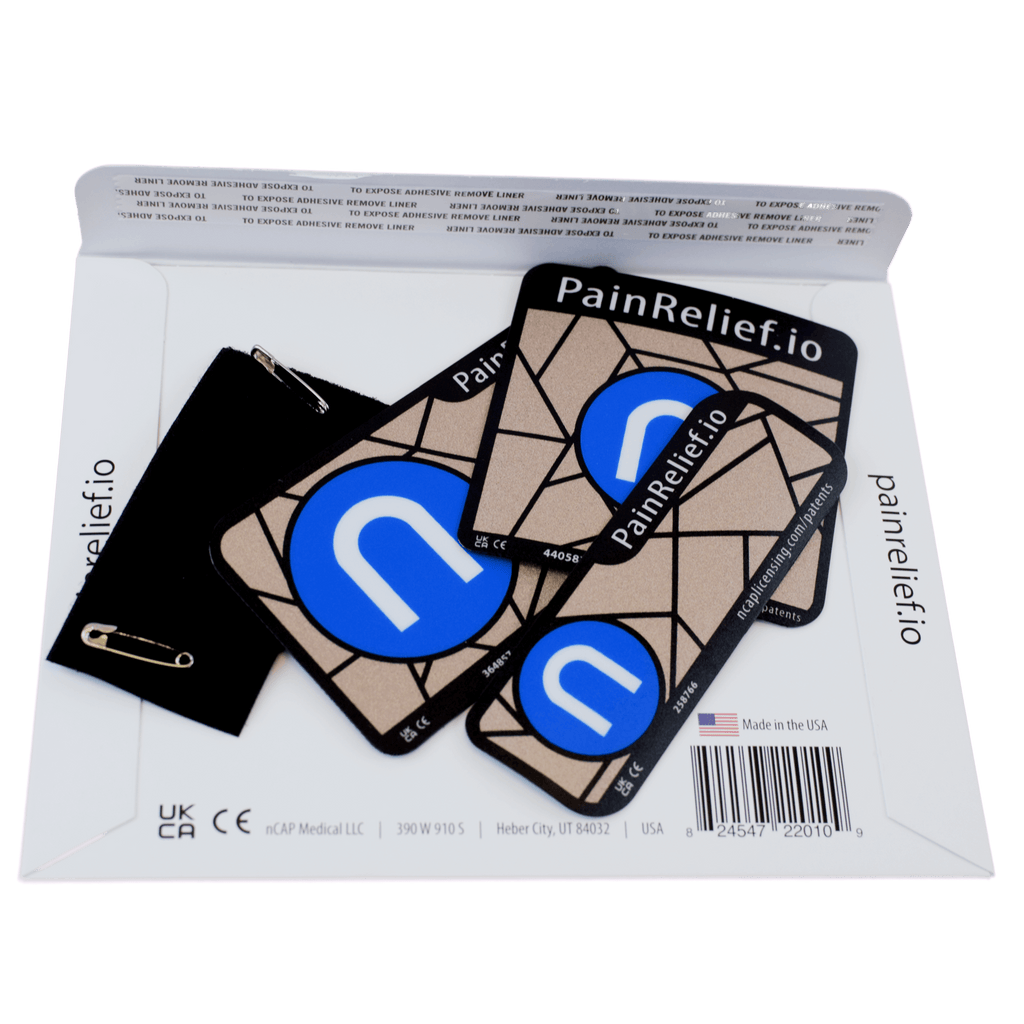
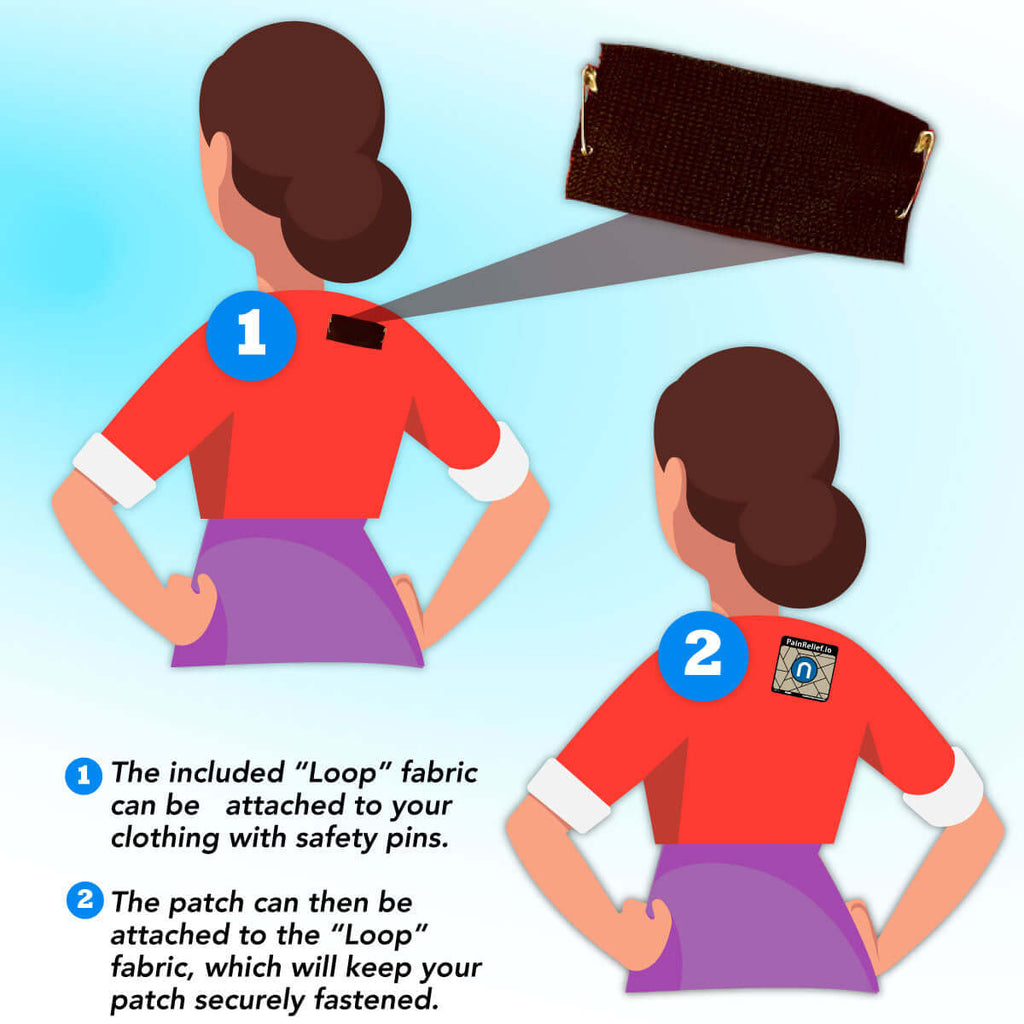
PainRelief.io built its approach around that everyday reality. Its reusable, battery-free wearable devices use patented NeuroCuple nanotechnology designed to work with the body’s bioelectrical environment. For people looking for joint support without drugs, that matters. You are not trying to numb your way through the day. You are choosing a noninvasive option that can be used again and again, without prescriptions, cords, or daily waste.
That said, wearable relief is not a one-size-fits-all category. Placement matters. Body area matters. Pain pattern matters. A joint that hurts only during activity may call for a different usage routine than one that aches at night or feels stiff first thing in the morning.
If you are comparing drug-free choices, the most useful question is not just “Does it work?” It is “Will I actually use it consistently?” Relief tools only help if they fit real life.
Topicals can feel soothing, but many wear off quickly and need frequent reapplication. Ice and heat can absolutely help, but they are time-bound and stationary. Exercise is valuable, but it takes patience and does not always provide immediate comfort. Wearable devices can fill an important gap because they can be used during normal movement rather than only before or after discomfort shows up.
The trade-off is that not every joint problem responds the same way. A severely swollen joint, a new injury, or pain that comes with instability, redness, or loss of function deserves medical evaluation. Drug-free relief is a meaningful category, but it is not a substitute for diagnosis when something more serious may be happening.
A painful knee is different from a painful finger joint. A shoulder moves differently than an ankle. That sounds obvious, but it is often overlooked when people shop for relief.
Knees and ankles usually need solutions that stay in place during walking and stairs. Hands and wrists need something that does not interfere too much with grip and daily tasks. Shoulders and elbows often benefit from placement that accounts for movement patterns rather than just chasing the exact point of pain.
This is one reason body-area-specific sizing and placement guidance make such a difference. If a device is designed with real use cases in mind, it reduces guesswork. That may sound small, but for someone already dealing with pain, simple matters. The easier it is to match a product to the way a joint actually behaves, the more likely it is to become part of a routine.
A reusable joint pain solution should earn its place by being practical. First, it should be easy to use correctly without a steep learning curve. Second, it should be comfortable enough for repeated wear. Third, it should hold up over time. A product that works once but becomes expensive or inconvenient to maintain stops being a smart alternative.
This is where reusability becomes more than a budget issue. It is also about consistency. A tool you can keep using for years is very different from one you ration or replace constantly. If your pain is recurring, long-term usability is part of the value.
You should also pay attention to whether the product depends on batteries, wires, adhesives, or consumable parts. The more complicated the setup, the more opportunities there are to stop using it. People in pain generally want less friction, not more.
The most effective drug-free strategy is often layered. You might use gentle mobility in the morning, wear a support device during activity, and use heat later when stiffness sets in. That is not overcomplicating things. It is matching the tool to the moment.
A realistic routine also leaves room for fluctuation. Some days are better than others. A joint that feels manageable on Monday may flare on Thursday. That does not mean your plan failed. It means joint pain is often variable, especially when overuse, inflammation, stress, weather changes, or sleep disruption are involved.
The goal is to have relief options that are simple enough to keep using when life gets busy. If a method only works under ideal conditions, it is probably not strong enough for real life.
For many adults, drug-free relief is not about rejecting medicine across the board. It is about reducing dependence on it for everyday aches, recurring flare-ups, and activity-related discomfort. That is a practical, measured decision.
It can make particular sense if you are sensitive to medications, tired of short-lived topical relief, trying to avoid adding another daily product, or looking for something you can use regularly without building your routine around it. It also makes sense if your pain is chronic enough to need support, but not so severe that you want every answer to start with another pill.
There is real value in a solution that respects how people actually live. Something noninvasive. Something reusable. Something easy to place, easy to wear, and easy to reach for when a joint starts changing how you move.
Joint pain may be common, but that does not make it minor. If a better option helps you keep walking, working, sleeping, or simply using your hands without thinking about pain every minute, that is not small relief. That is your day opening back up a little - and sometimes that is exactly where progress starts.
Recherche
Terms of Service
Refund Policy
Contact Us
Ne pas vendre ou partager mes informations personnelles
Affiliates: Join or Log In
PATENTS
C'est simple à utiliser ! Placez simplement l'appareil au-dessus de votre douleur - Entre la douleur et le cerveau (tm) - et votre douleur commencera à s'estomper en quelques minutes. Le tout dans un appareil portable fin, réutilisable. Pas de piles, pas de fils, pas d'huiles malodorantes, pas de médicaments et ça agit rapidement !!
L'appareil est construit avec notre couche brevetée Neurocuple® scellée entre deux couches imperméables. Une fois placée au bon endroit, la couche Neurocuple® est activée directement par l'énergie du corps de l'utilisateur. Après quelques minutes, une sensation de chaud, de froid ou de picotement est ressentie par l'utilisateur à mesure que la douleur s'estompe.
L'appareil PainRelief.io® est un produit de bien-être général qui aide à promouvoir l'activité physique chez les utilisateurs souffrant de douleurs chroniques et intermittentes, ce qui, dans le cadre d'un mode de vie sain, peut aider à vivre avec ces conditions et peut retarder l'apparition des handicaps associés.