
Livraison et retours gratuits au-dessus de 100 $ !
Back pain has a way of taking over ordinary moments. You feel it when you roll out of bed, reach for the laundry basket, sit through a long drive, or try to relax at the end of the day. That is why so many people start looking for drug free pain relief for back pain - not as a trend, but as a practical way to function without constantly reaching for pills, creams, or short-term fixes.
The challenge is that “drug-free” can mean a lot of different things. Some options help because they improve movement. Some calm irritated tissue. Some make daily activity more manageable. And some sound promising but do not hold up in real life. If you are trying to sort through the noise, it helps to start with a simple question: what kind of back pain are you actually dealing with?
Back pain is not one single problem. For one person, it shows up as a tight lower back after yard work. For another, it is ongoing stiffness from too many hours at a desk. For someone else, it is a flare that keeps returning after an old injury. The best non-drug approach depends on whether the main issue is muscle tension, joint irritation, inflammation, overuse, or a mix of several factors.
That is why no honest article should promise one magic answer. Drug-free relief works best when it matches the pattern of your pain and fits your routine well enough that you will actually use it.
For many adults, the goal is not to pretend the back will never hurt again. The real goal is to reduce the intensity, shorten flare-ups, and make everyday movement easier without adding more complexity to your life.
Movement is often the first place to look, even when your instinct is to stay still. Gentle walking, light stretching, and position changes can help prevent stiffness from building on top of pain. That said, movement has trade-offs. If you push into sharp pain, you can make a flare worse. The sweet spot is usually light, steady motion that keeps the area from locking up.
Heat can also be useful, especially for tight muscles and morning stiffness. A heating pad or warm shower can make the back feel looser and more cooperative. Ice tends to make more sense when pain follows recent strain or obvious inflammation. Neither one is a cure, but both can help you get through the hardest part of a flare.
Hands-on support matters too. Some people get relief from massage, mobility work, or physical therapy-guided exercises. These approaches can be valuable because they do more than mask discomfort. They can improve how the body moves and handles load. Still, they require time, consistency, and often repeat appointments, which is not realistic for everyone.
Then there are wearable options. This is where many people find the most practical day-to-day support, because wearables can go with you while you work, walk, drive, or rest. The best ones do not depend on medication, messy ingredients, batteries, or a complicated setup. They are simple enough to become part of real life, which matters more than most people realize.
Back pain rarely happens on a schedule. It shows up during commutes, workdays, chores, workouts, and weekends. Relief that only works when you are lying down in one room at home may help a little, but it does not solve the larger problem.
That is why wearable support stands out. If a device is light, noninvasive, and easy to place over the area that hurts, it has a better chance of being used consistently. Consistency is what often separates something that sounds good from something that genuinely helps.
This is also where people get frustrated with disposable patches and topical products. They can be inconvenient, messy, or short-lived. Medication may help in the moment, but many shoppers are specifically looking to reduce how often they rely on it. A reusable, drug-free option can make more sense when back pain is recurring rather than rare.
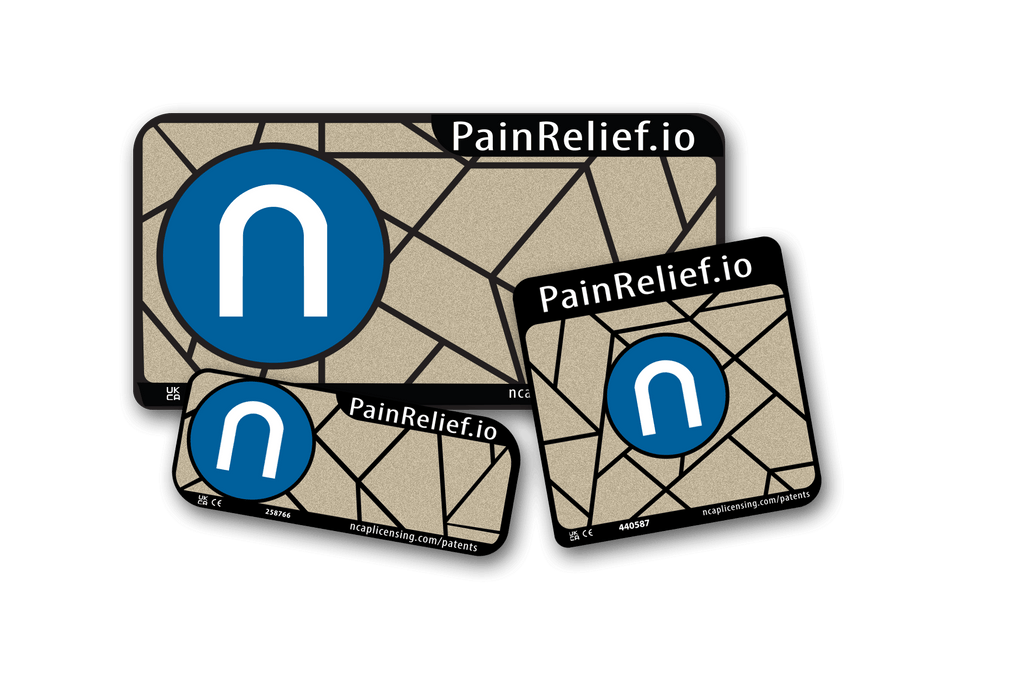
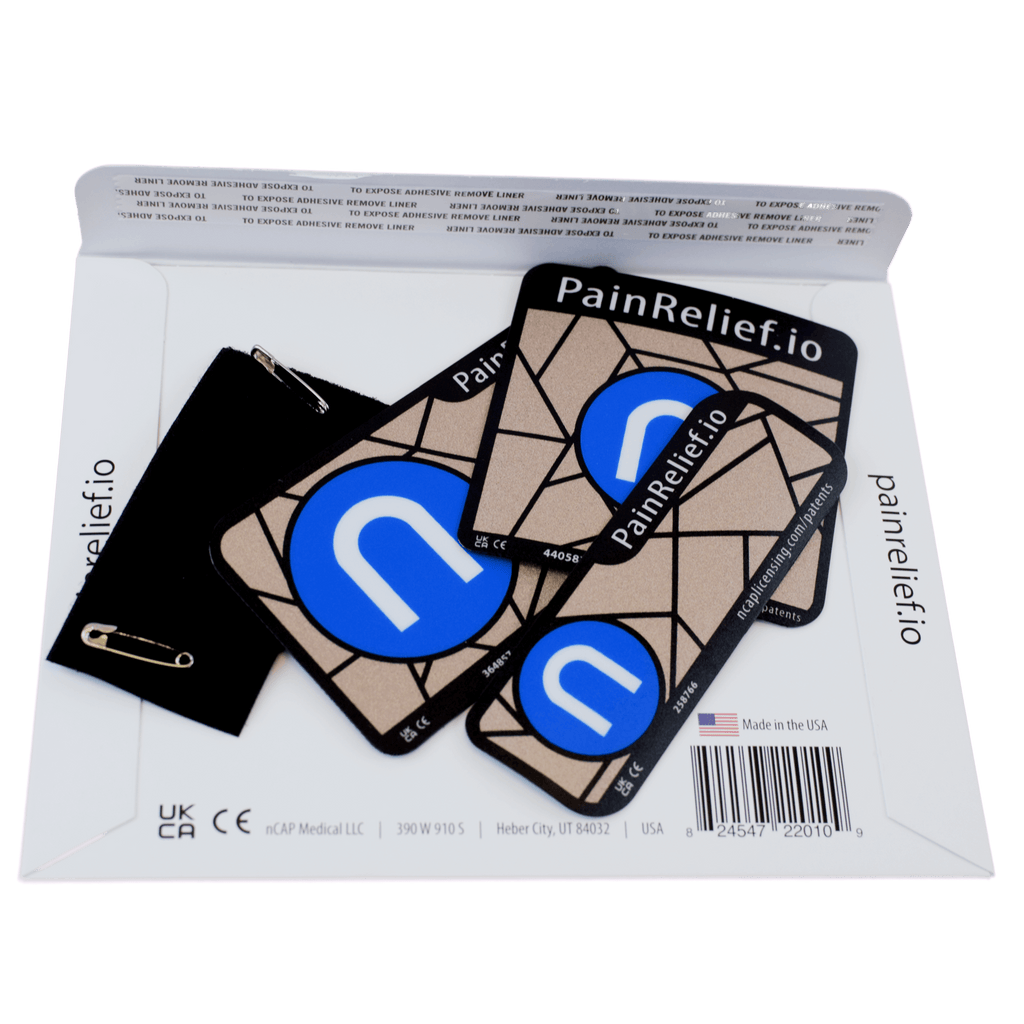
PainRelief.io was built around a straightforward idea: drug-free support should be easy to use again and again. Its reusable wearable devices are powered by patented NeuroCuple nanotechnology and designed to work with the body’s bioelectrical environment, without batteries, wires, creams, or medication.
That simplicity matters. When your back hurts, you do not want one more complicated thing to manage. You want something you can place where it is needed, wear through normal activity, and keep using over time. For adults dealing with recurring lower back strain, post-activity soreness, desk-related tension, or daily stiffness, that kind of design is not just convenient. It is the whole point.
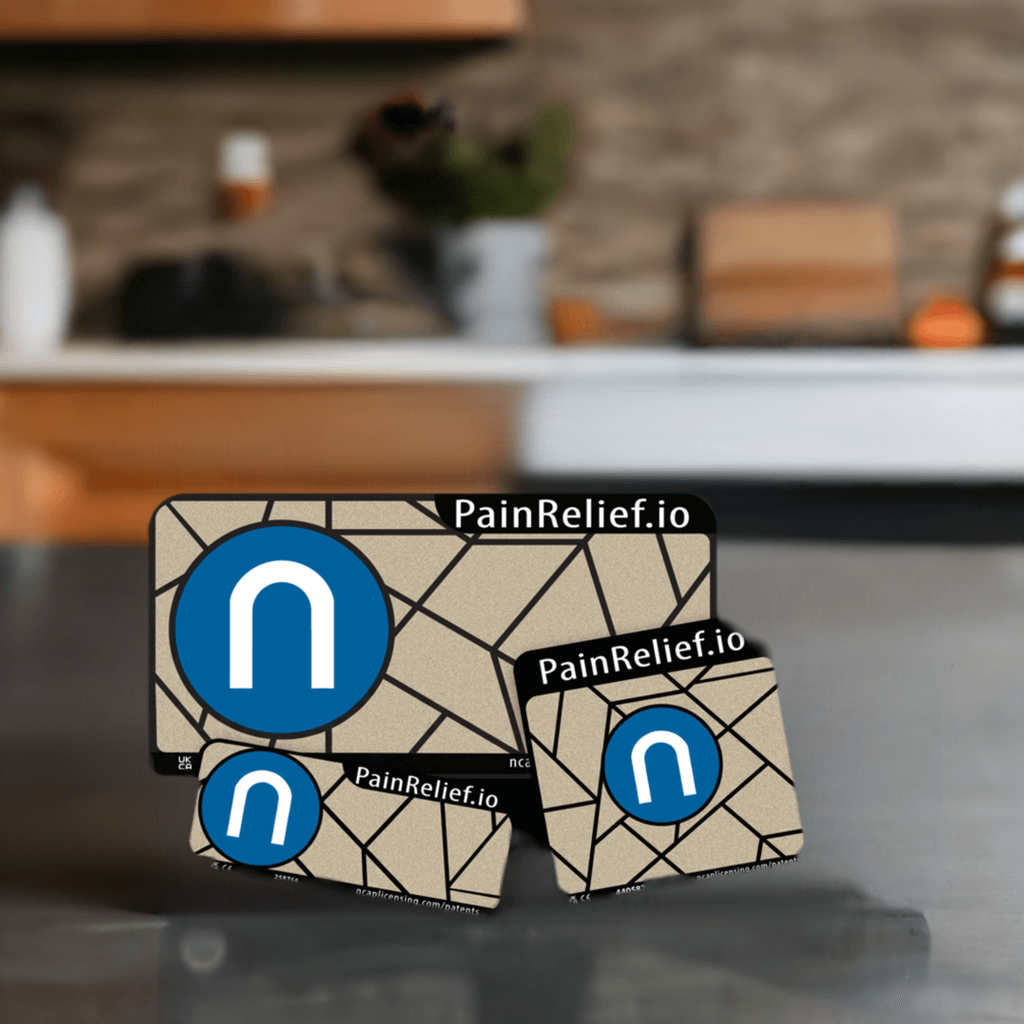
The brand’s format-by-body-area approach is also practical. Back pain shoppers are not forced to decode a confusing catalog. Device sizes are matched to use cases, which helps reduce guesswork around placement and fit. That may sound like a small detail, but when people are already dealing with pain, clarity builds trust.
A realistic expectation is important. Drug-free support does not always feel dramatic or instant in the same way medication can. Often, the value is that your back feels calmer, less reactive, and easier to live with over the course of a day. You may notice you can sit longer, move with less guarding, or recover more smoothly after activity.
Some people respond quickly. Others need repeated use and a little experimentation with placement, timing, and routine. That does not mean the method is failing. It means back pain is personal, and even good solutions often require some adjustment.
It also helps to think beyond pain intensity alone. Good support can mean fewer interruptions, better sleep, more confidence during movement, and less dependence on short-term coping habits. Those are meaningful wins, especially for people whose discomfort is chronic or cyclical.
If your back pain is occasional and clearly tied to overdoing it, simple tools like rest, walking, heat, and light stretching may be enough. If it keeps returning, especially during work, travel, or daily tasks, a wearable solution may be more useful because it supports you during the times pain usually shows up.
Reusability is worth paying attention to. A product you can use for years offers a different kind of value than a box of disposables that needs constant replacement. Ease of use matters too. If it requires charging, pairing, refilling, or messy application, there is a good chance it will end up in a drawer.
Trust signals matter as well. When comparing products, look for clear explanations, practical placement guidance, and evidence that the technology is original rather than generic. A long money-back guarantee can also reduce the pressure of trying something new, especially if you have already spent money on products that overpromised and underdelivered.
Drug-free relief can be a strong part of a back pain plan, but it is not a replacement for medical attention when something more serious may be going on. If pain follows a major injury, shoots down the leg with numbness or weakness, or affects bladder or bowel function, it is time to get evaluated promptly.
For less urgent but persistent pain, the smarter approach is often layered support. That might mean improving posture and movement habits, using a wearable device during flare-prone times, and getting professional guidance if the pattern is not improving. There is no conflict between being proactive at home and knowing when to bring in more help.
The bigger point is this: living with back pain should not force you into an all-or-nothing choice between doing nothing and taking more medication. There is a wide middle ground, and that is where many of the most useful solutions live.
If you are looking for a practical next step, start with the option you can realistically use when pain actually happens. The best relief is rarely the most complicated. It is the support you trust enough to keep within reach and simple enough to use the moment your back asks for help.
Recherche
Terms of Service
Refund Policy
Contact Us
Ne pas vendre ou partager mes informations personnelles
Affiliates: Join or Log In
PATENTS
C'est simple à utiliser ! Placez simplement l'appareil au-dessus de votre douleur - Entre la douleur et le cerveau (tm) - et votre douleur commencera à s'estomper en quelques minutes. Le tout dans un appareil portable fin, réutilisable. Pas de piles, pas de fils, pas d'huiles malodorantes, pas de médicaments et ça agit rapidement !!
L'appareil est construit avec notre couche brevetée Neurocuple® scellée entre deux couches imperméables. Une fois placée au bon endroit, la couche Neurocuple® est activée directement par l'énergie du corps de l'utilisateur. Après quelques minutes, une sensation de chaud, de froid ou de picotement est ressentie par l'utilisateur à mesure que la douleur s'estompe.
L'appareil PainRelief.io® est un produit de bien-être général qui aide à promouvoir l'activité physique chez les utilisateurs souffrant de douleurs chroniques et intermittentes, ce qui, dans le cadre d'un mode de vie sain, peut aider à vivre avec ces conditions et peut retarder l'apparition des handicaps associés.