
Livraison et retours gratuits au-dessus de 100 $ !
You notice breast soreness at the same time life feels especially heavy - poor sleep, a packed schedule, constant tension, maybe a cycle that already feels off. That raises a fair question: can stress make your breast hurt? In many cases, yes, stress can play a role. Not always directly, and not always by itself, but it can absolutely contribute to breast discomfort.
That matters because breast pain can feel alarming, even when the cause is not serious. For many women, the pain is real, recurring, and frustrating precisely because it seems to show up without a clear injury. Stress is one of those factors that can quietly influence how your body feels, how your hormones shift, and how sensitive your nervous system becomes.
Breast pain, also called mastalgia, is common. It can show up as tenderness, heaviness, aching, burning, or a sharp sore spot. Some women feel it in one breast, some in both, and some notice it extending into the armpit or chest wall.
Stress does not create every type of breast pain, but it can make pain more likely or more noticeable. When you are under ongoing stress, your body does not just react emotionally. It changes physically. Stress hormones can affect sleep, muscle tension, inflammation, and hormone balance. Together, those shifts can make the breast area feel more sensitive.
There is also a practical issue: many people say "breast pain" when the discomfort is actually coming from nearby muscles, fascia, ribs, or the chest wall. If your shoulders are tight, your posture is collapsing forward, and your upper body is tense all day, the pain can feel like it is inside the breast even when the source is around it.
So the short answer is yes - stress can make your breast hurt. But the fuller answer is that stress may be one piece of a larger picture.
One of the biggest ways stress affects pain is through the nervous system. When stress stays high, the body can remain in a more guarded, reactive state. Muscles tighten. Sleep gets lighter. Pain thresholds often drop. Sensations that might have been minor start to feel harder to ignore.
Hormones are another piece. Breast tissue is sensitive to hormonal shifts, especially around the menstrual cycle. Stress can influence the hormones that regulate your cycle, which may make cyclical breast tenderness feel worse or arrive at unusual times. Some women notice more soreness before a period during stressful months, or breast tenderness when their cycle is delayed or irregular.
Then there is muscle tension. Stress commonly settles in the neck, shoulders, upper back, and chest. Tight pectoral muscles and irritated tissue around the rib cage can refer pain into the breast area. If you spend hours at a desk, clench your jaw, or carry tension in your upper body, that discomfort can build gradually.
Caffeine, poor sleep, and reduced recovery can add to the problem. During stressful periods, people often sleep less, drink more coffee, and move less. None of that guarantees breast pain, but it can make a sensitive area feel worse.
There is no single pattern, but stress-related discomfort often comes with a few clues. The pain may flare during emotionally intense periods. It may feel more diffuse than sharply localized. It may come with shoulder tightness, neck tension, or chest soreness. Sometimes it changes throughout the day rather than staying constant.
For some women, the breast feels tender to touch, heavy, or achy without any obvious skin change or lump. Others describe a pulling or burning sensation that seems to overlap with muscular tension in the chest.
That said, pain patterns can overlap. Hormonal breast pain, muscle tension, costochondritis, and irritation from bras or exercise can all feel similar. That is why context matters. If the soreness tends to show up during high-stress weeks and improves when your body settles down, stress is more likely to be involved.
Stress is not the only explanation, and it should not be used to dismiss persistent symptoms. Cyclical hormonal changes are one of the most common causes of breast pain. Many women feel swelling, fullness, or tenderness in the days before a period.
Noncyclical breast pain can come from cysts, fibrocystic breast changes, medications, poorly fitting bras, pregnancy, breastfeeding, or prior surgery. Sometimes the pain is not in the breast tissue at all. It may come from the chest wall, a strained muscle, or irritation where the ribs meet the breastbone.
This is where the trade-off matters: it can be reassuring to know stress may play a role, but self-reassurance should not replace evaluation if something feels new, focal, or persistent.
Most breast pain is not caused by cancer, but some situations deserve medical attention sooner rather than later. If you notice a new lump, skin dimpling, nipple discharge that is bloody or unusual, redness with warmth, swelling in one area, or pain that stays focused in one spot and does not improve, it is worth getting checked.
You should also contact a clinician if the pain keeps returning, interferes with sleep, or feels different from your usual cycle-related soreness. The goal is not panic. It is clarity. Getting answers can reduce anxiety, which may also reduce pain.
If stress is part of the problem, the best approach is usually not one dramatic fix. It is reducing the physical load on the body while calming the system that is amplifying the discomfort.
Start with the simplest variables. Supportive bras can make a real difference, especially if soreness is triggered by movement. If your chest, shoulders, or upper back feel tight, gentle stretching and posture changes may help more than you expect. Heat is useful for some people, while others prefer soothing touch or light massage around the chest and shoulder area rather than directly over a tender spot.
Sleep matters more than most people want to hear. A stressed, underslept body is often more pain-sensitive. Even small improvements in sleep consistency can lower overall body tension.
It also helps to reduce what keeps your nervous system switched on. That could mean short walks, slower breathing, less caffeine, fewer hours hunched over a screen, or a more realistic recovery routine during high-stress weeks. None of these are instant cures, but they can lower the background intensity that keeps pain going.
For women trying to avoid repeated medication use, drug-free options for surrounding muscle and tension discomfort may also be worth considering, especially when breast soreness seems tied to chest wall, shoulder, or upper back tension. In cases like that, addressing the nearby pain source can be more useful than focusing only on the breast itself.
Yes, and this is a common pattern. If you already tend to get cyclical breast tenderness, stress can make that normal monthly discomfort feel more intense. Part of that is hormonal. Part of it is nervous system sensitivity. Part of it is how stress changes sleep, inflammation, and muscle guarding.
Think of stress less as a single cause and more as an amplifier. If breast tissue is already more sensitive during part of your cycle, stress can turn the volume up.
When breast pain shows up, the question is not only "what caused this?" It is also "what is keeping this going?" In some women, the answer is clearly hormonal. In others, it is muscle tension, poor sleep, stress overload, and pain sensitivity all working together.
That is why paying attention to patterns can be so helpful. Notice when the pain appears, how long it lasts, whether it tracks with your cycle, and whether it comes with upper body tension or high-stress periods. Those details make it easier to decide whether simple supportive care makes sense or whether it is time to get evaluated.
Breast pain can be unsettling, but it is often your body asking for a closer look at stress, tension, hormones, and recovery - not just the sore area itself. If something feels off, trust that signal and get it checked. If stress seems to be part of the story, reducing strain on your body is not a small thing. It is often where relief begins.
Recherche
Terms of Service
Refund Policy
Contact Us
Ne pas vendre ou partager mes informations personnelles
Affiliates: Join or Log In
PATENTS
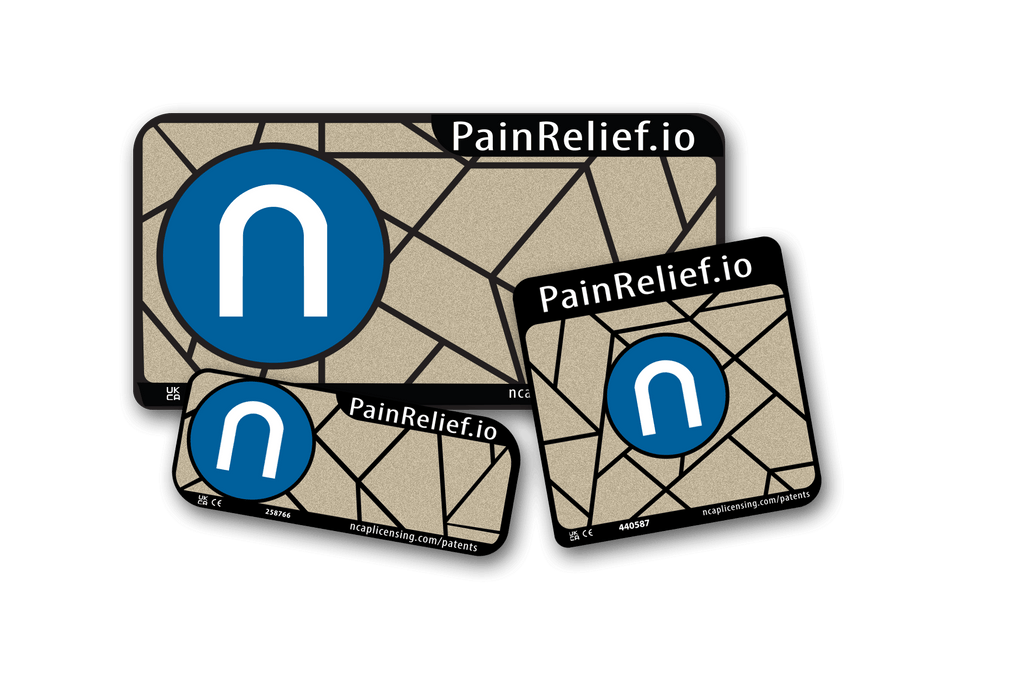
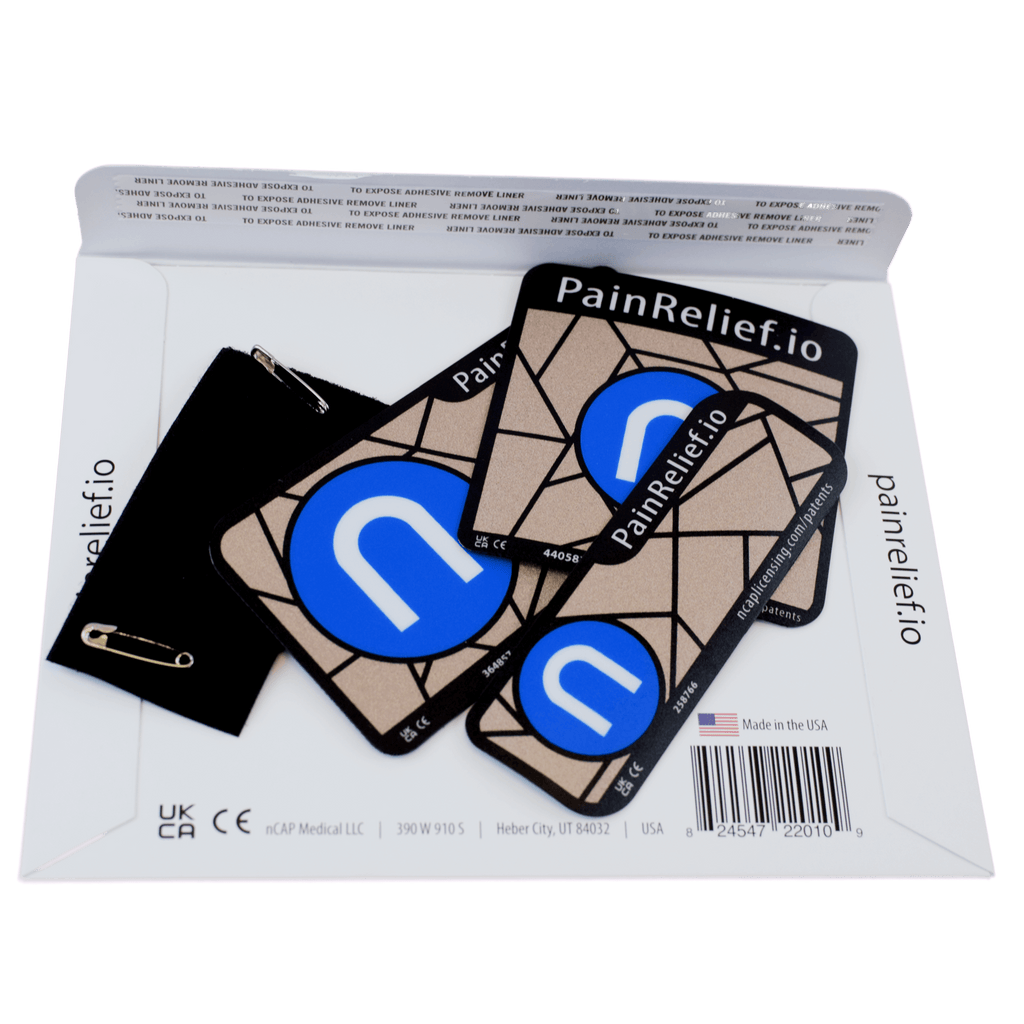
C'est simple à utiliser ! Placez simplement l'appareil au-dessus de votre douleur - Entre la douleur et le cerveau (tm) - et votre douleur commencera à s'estomper en quelques minutes. Le tout dans un appareil portable fin, réutilisable. Pas de piles, pas de fils, pas d'huiles malodorantes, pas de médicaments et ça agit rapidement !!
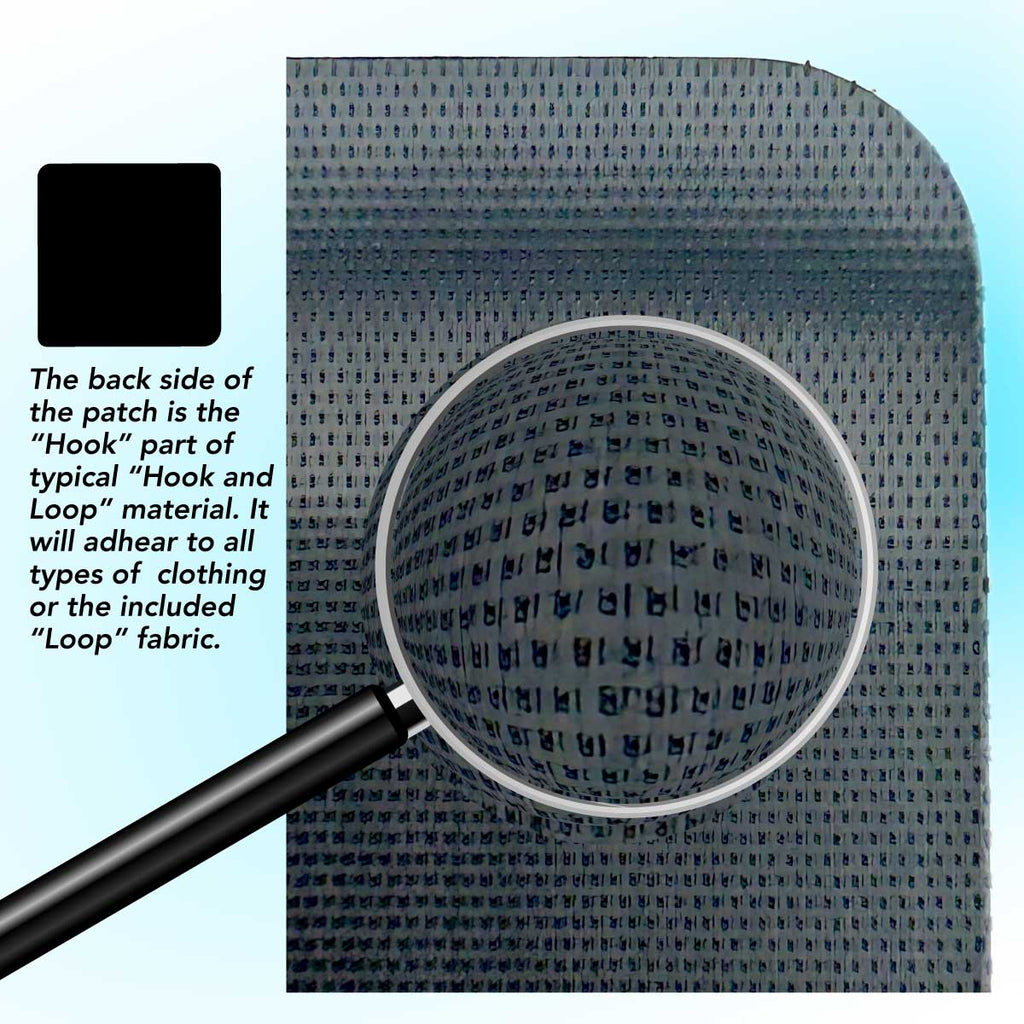
L'appareil est construit avec notre couche brevetée Neurocuple® scellée entre deux couches imperméables. Une fois placée au bon endroit, la couche Neurocuple® est activée directement par l'énergie du corps de l'utilisateur. Après quelques minutes, une sensation de chaud, de froid ou de picotement est ressentie par l'utilisateur à mesure que la douleur s'estompe.
L'appareil PainRelief.io® est un produit de bien-être général qui aide à promouvoir l'activité physique chez les utilisateurs souffrant de douleurs chroniques et intermittentes, ce qui, dans le cadre d'un mode de vie sain, peut aider à vivre avec ces conditions et peut retarder l'apparition des handicaps associés.