

Knee pain has a way of taking over ordinary moments. Walking downstairs, standing up from the couch, getting through a workout, or simply making it through a workday can all feel harder than they should. That is why so many people search for the best pain relief patches for knees - not because they want another gimmick, but because they want something simple that helps them keep moving.
The catch is that not all knee patches work the same way. Some rely on menthol or lidocaine. Some create heat. Some are disposable and designed for short-term use. Others are reusable, drug-free wearables made to support daily pain management without creams, pills, or a heating pad wrapped around your leg.
A good knee patch is not just about how strong it feels in the first ten minutes. It needs to match the kind of pain you have, the amount of time you need relief, and how you actually live.
If your knee pain flares up after exercise, a cooling patch may feel better than heat. If stiffness is your main problem, warmth may be more helpful. If you deal with recurring discomfort from arthritis, overuse, or long hours on your feet, a reusable option can make more sense than buying disposable patches over and over.
The best choice usually comes down to five practical questions. Does it target the area well? Can you wear it comfortably while moving? Does it rely on medication or topical ingredients? Is it reusable or one-and-done? And does the relief last long enough to matter in real life?
These are some of the most common options on the market. They create a cooling sensation that can temporarily distract from pain and soreness. Many people like them for post-workout discomfort, mild strain, or general achiness.
The trade-off is that the sensation is often doing most of the work. For some users, that cooling effect feels great. For others, it fades quickly or is not enough for deeper joint discomfort.
Lidocaine patches use a numbing ingredient to reduce pain signals in the area. They can be appealing if you want stronger temporary relief without taking an oral pain reliever.
But lidocaine is still a drug-based approach, and it is not right for everyone. Some people want to avoid active ingredients altogether, especially if they are already managing other medications or have sensitive skin.
Heat patches are commonly used when the knee feels stiff, tight, or sore from overuse. Warmth can help the area feel looser, especially before light movement or during periods of inactivity.
The downside is that heat does not fit every situation. If your knee is swollen, irritated, or freshly aggravated, more heat may not be the answer. It depends on whether your pain responds better to calming, cooling, or simple support.
These often combine ingredients like camphor, capsicum, or plant-based extracts. Some people prefer them because they sound more natural than traditional OTC options.
Still, natural does not automatically mean better. These patches can have strong smells, leave residue, or irritate sensitive skin. Results also vary a lot from person to person.
This category stands apart because it is not based on heating, cooling, or delivering medication through the skin. Instead, these patches are designed to interact with the body in a different way and are often built for repeat use.
For people looking to avoid disposable products, messy creams, or repeated medication use, this can be a more practical long-term option. It is especially relevant for recurring knee pain that shows up during work, walking, sleep, or exercise recovery.
If your knees ache after yard work, workouts, or long days on your feet, menthol patches can provide a fast cooling sensation. They are easy to find and simple to use.
They are usually best for temporary, surface-level relief. If your discomfort is chronic or tied to deeper joint irritation, they may not hold up for long.
These are often chosen when pain feels sharp, distracting, or hard to ignore. They can be useful for short windows when you want to take the edge off.
The limitation is that they are not a reusable, drug-free solution. If your goal is ongoing knee support without active ingredients, this category may fall short.
Heat works well for some forms of knee discomfort, especially when the joint feels rigid rather than inflamed. A warming patch may help before gentle movement or during sedentary parts of the day.
Fit matters here. Knees bend, twist, and shift constantly, so bulky heat patches do not always stay comfortable.
These appeal to shoppers who want something other than a standard pain reliever. Some users find them helpful for mild to moderate recurring discomfort.
That said, skin sensitivity is a real factor. A patch that feels fine on one person may feel too intense on another, especially around a moving joint like the knee.
Some patches are made with shape and placement in mind, which matters more than many people realize. A flat patch that works on the back may peel or bunch at the knee.
When comparing options, look at how well the patch conforms around the kneecap or along the sides of the joint. Comfort during movement is a big part of whether you will actually keep using it.
For people dealing with repeated flare-ups, reusable wearables can be more realistic than relying on single-use patches every day. This is where drug-free technology becomes especially compelling.
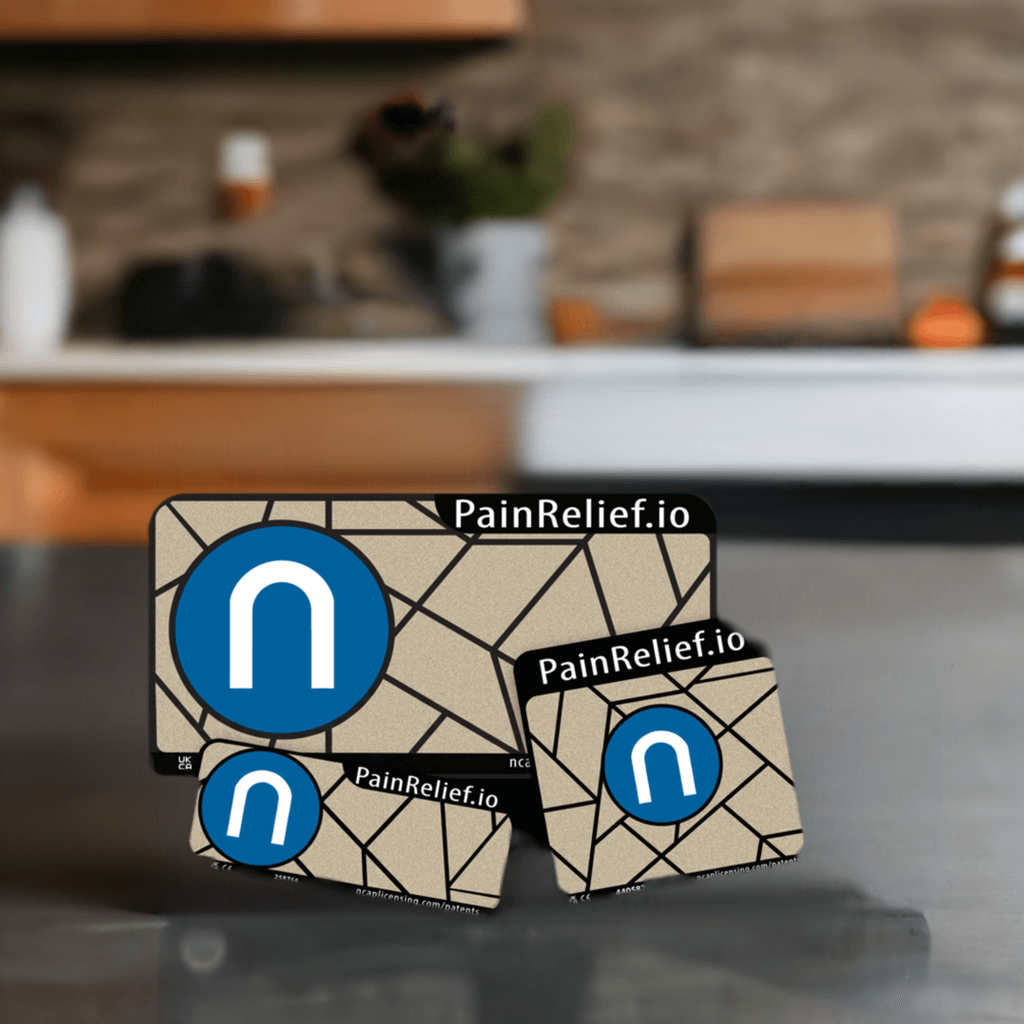
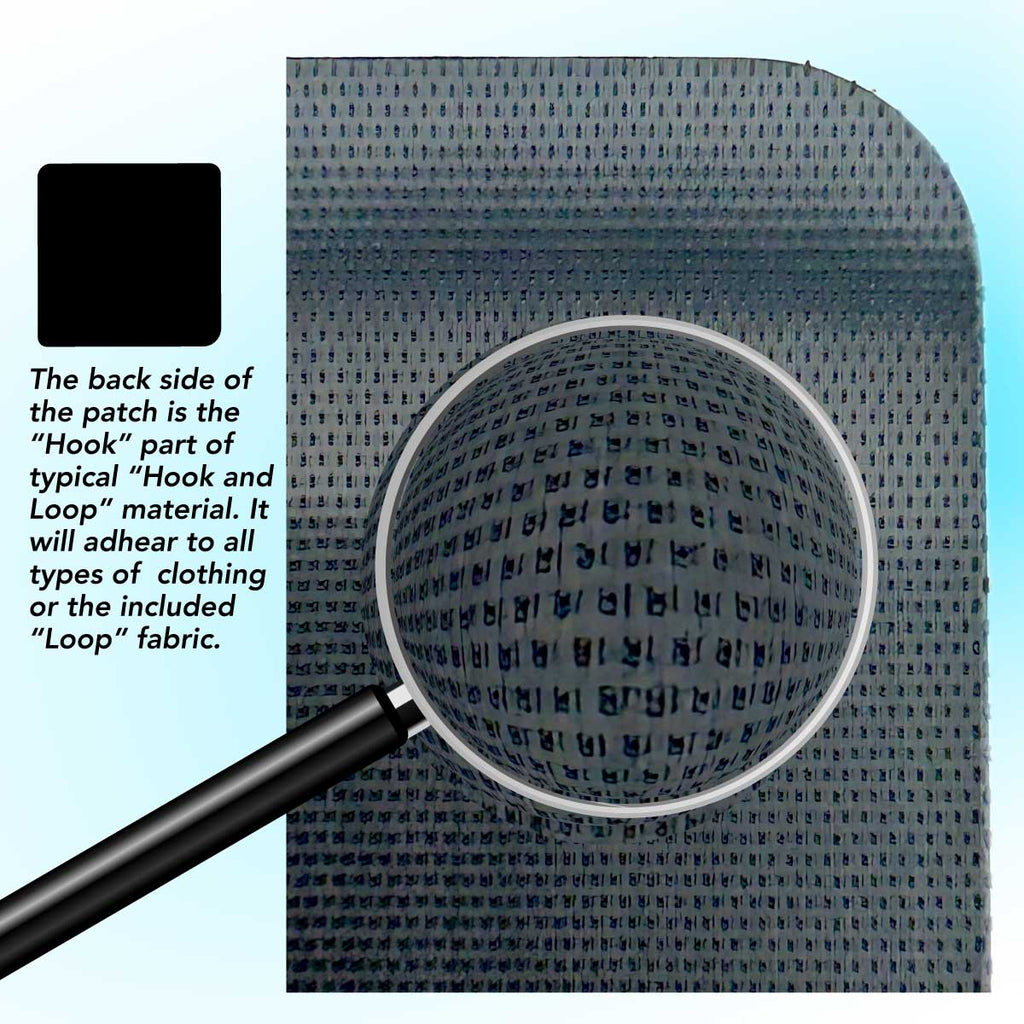
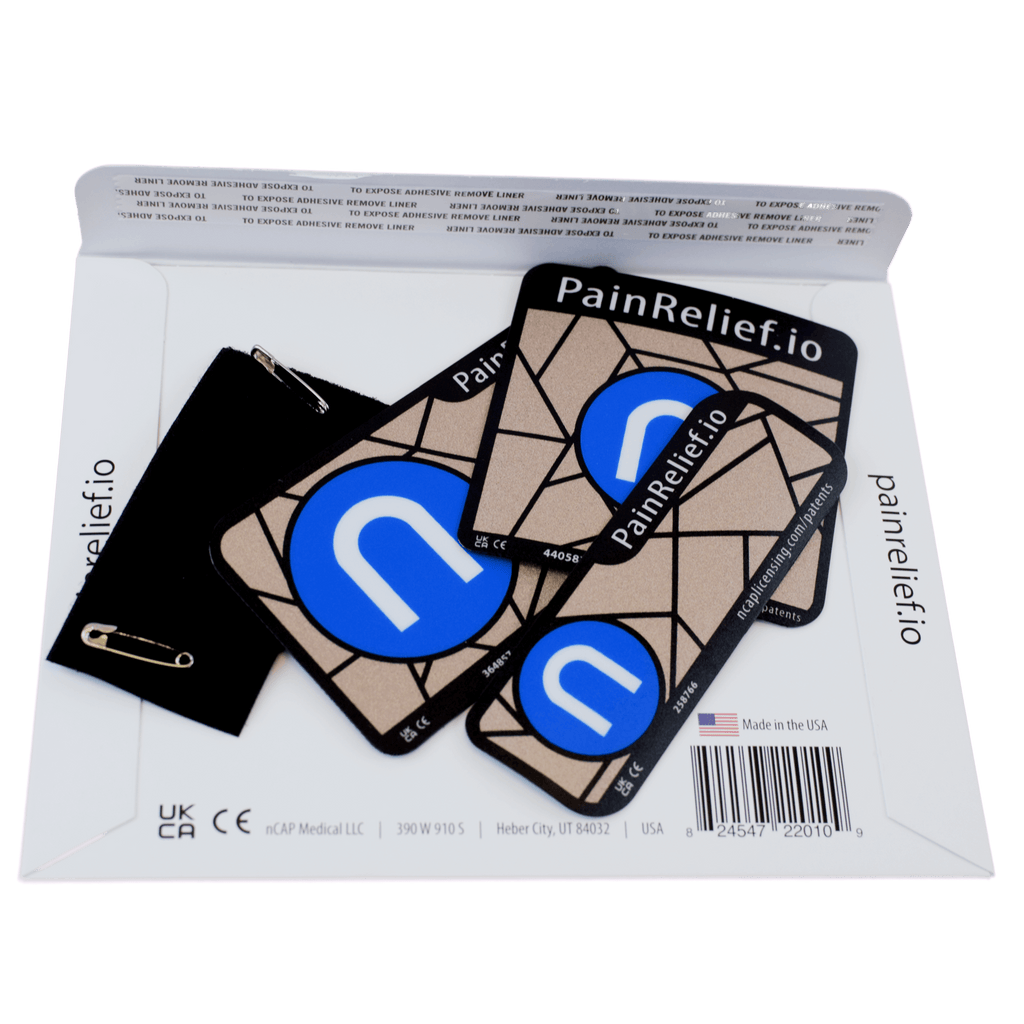
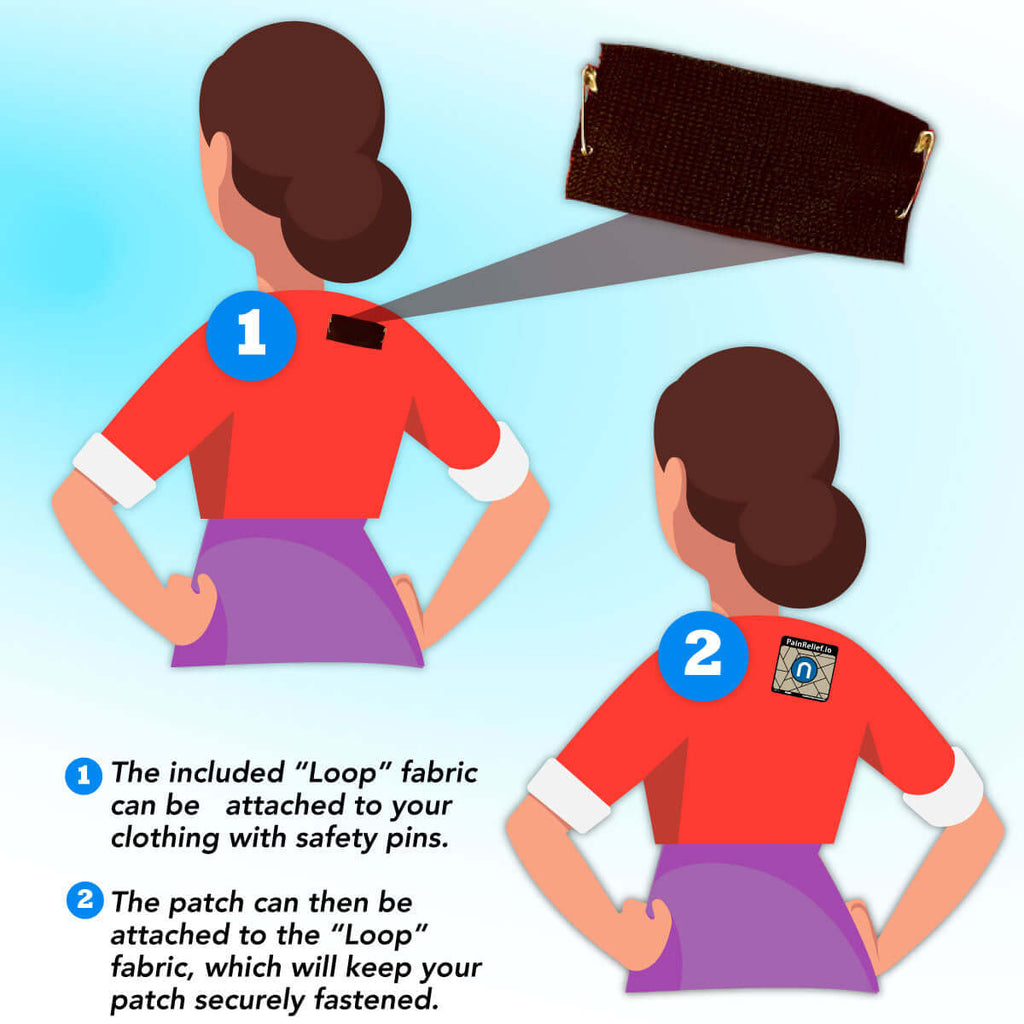
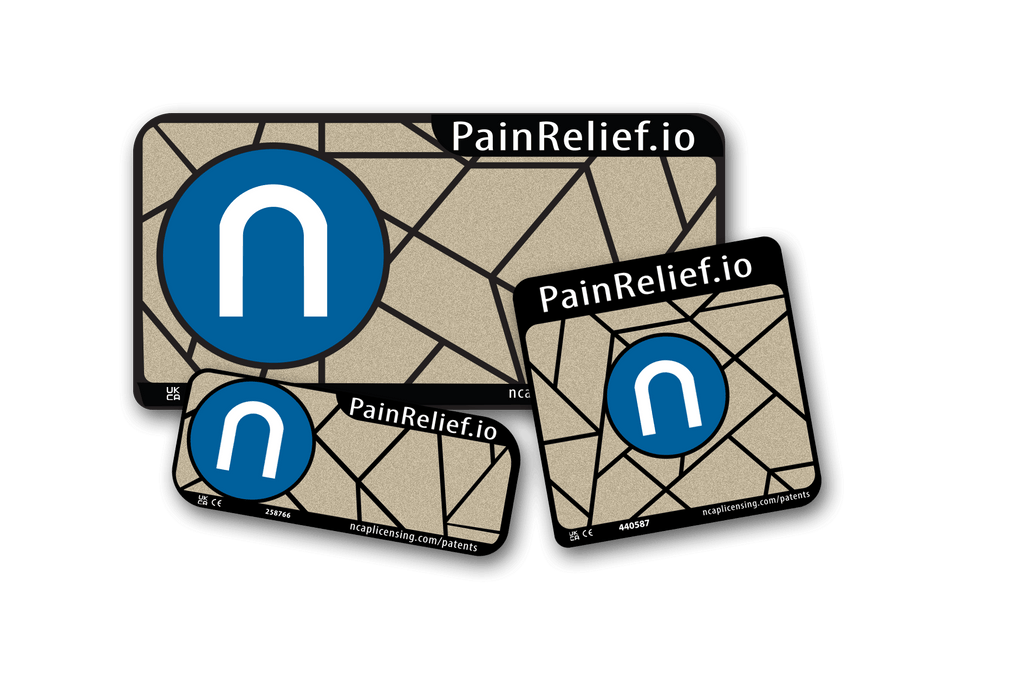
PainRelief.io® offers reusable, battery-free, wire-free wearable patches powered by patented NeuroCuple® nanocapacitive technology. Instead of using drugs, heat, or topical ingredients, these wearables are designed to support the body’s bioelectrical environment. For someone who wants a noninvasive option they can use again and again, that is a meaningful difference.
Knee pain is not always centered in one exact spot. Sometimes it is around the kneecap. Sometimes it runs along the inner or outer side of the joint. Sometimes the discomfort seems to sit above or below the knee.
A multi-piece setup can help you place support where you actually feel it, rather than forcing one oversized patch to do everything. This can be especially useful when pain patterns shift.
The best patch depends on what your pain feels like and how often it shows up. If you only need occasional relief after activity, a disposable cooling or heating patch may be enough. If your knee bothers you several times a week, cost and convenience start to matter more.
It also helps to think about what you are trying to avoid. Some people are fine with topical ingredients but do not want pills. Others want to skip medication entirely. Some are tired of sticky residue, strong odors, or products they have to keep repurchasing.
If your knee pain is tied to arthritis, repetitive strain, old injuries, or daily wear and tear, a reusable drug-free patch may be the more practical path. If it is a short-term flare after a hard hike or pickup game, a simple cooling patch might be all you need.
Even a good patch can disappoint if it is placed poorly. Knee pain often spreads beyond the exact center of the joint, so the best placement is not always directly on the kneecap.
Many people feel discomfort along the sides of the knee, above the joint, or just below it near the tendon area. A patch that allows flexible placement usually gives you a better chance of targeting what actually hurts. This is one reason reusable wearable formats can be helpful - they are often easier to position intentionally rather than just sticking on wherever there is room.
Patches can be helpful, but they are not magic. If your knee is severely swollen, unstable, locking, or painful after a fall, you may be dealing with something that needs medical evaluation. The same goes for redness, warmth, or pain that keeps getting worse instead of improving.
For everyday knee pain, though, the right patch can be part of a smarter routine. It can help you stay active, reduce dependence on short-term fixes, and make recurring discomfort easier to manage without turning every flare-up into a bigger setback.
Knee pain tends to wear people down because it interrupts so many small parts of daily life. The most useful patch is the one you will actually use consistently - and that fits your body, your routine, and your goals for relief.