

Lower back pain rarely sits in one perfect square. It can spread across the beltline, sit just above one hip, or settle into a small spot that flares when you stand, bend, or twist. That is why the question what patch size fits lower back is less about a single universal answer and more about matching the patch to your pain pattern, your body, and how you plan to wear it.
For many people, a medium or larger patch works best for the lower back because the area itself is broad and mobile. A very small patch can help if your discomfort is concentrated in one exact point, but it may feel too limited if your pain spreads across both sides of the spine or wraps into the upper hips. In practical terms, the best size is the one that covers the main pain zone without extending so far that it bunches, lifts, or becomes awkward during daily movement.
That trade-off matters. More coverage sounds better, but oversized patches can be less comfortable on a part of the body that bends all day. Too small, and you may miss the area where pain actually radiates. Too large, and you may get coverage you do not need while making placement harder.
The lower back is not a flat, still surface. It flexes when you sit, rotates when you reach, and stretches when you stand up from a chair. That makes patch sizing more important here than on smaller, more stable areas like the wrist or temple.
Pain in the lower back is also often less precise than people expect. Some feel it right over the spine. Others feel it on one side, near the sacroiliac area, or just above the glutes. If your pain shifts through the day, a patch that only covers the center may not feel like enough. If your pain stays in one compact spot, a bigger patch may not add much benefit.
This is why body area matters more than labels like small, medium, or large. You are not choosing a patch based on a product category. You are choosing based on where your pain starts, where it spreads, and how much of that area needs consistent coverage.
Start by mapping your pain with your hand, not your eyes. If you can cover the sore area with two or three fingers, a smaller patch may be enough. If your whole palm fits over the discomfort and there is still tenderness around it, you probably need a medium size. If you use both hands to show where the ache sits across the lower back, larger coverage usually makes more sense.
The next question is whether your pain is central or side-specific. Central pain near the spine can sometimes be managed with a narrower patch, especially if the discomfort feels localized. Pain that sits off to one side or runs from the spine toward the hip often benefits from a shape or size that gives you more lateral coverage.
Then think about motion. If you need to wear the patch while driving, working, walking, or doing household tasks, comfort during movement matters as much as total surface area. A patch that covers the right region but constantly pulls at the edges is not the right fit.
A smaller patch can be a good choice when the pain is very specific. That might mean one trigger point after a workout, one irritated spot near the top of the pelvis, or a concentrated area that flares after long periods of sitting.
Smaller patches are often easier to position with precision. They can also feel less intrusive under clothing and may stay more comfortable if you are bending frequently. For people with leaner frames or shorter torsos, a compact option may actually fit the lower back better than a larger one.
The limitation is coverage. If the discomfort spreads even a few inches beyond the main site, a small patch can feel like it is chasing the pain rather than covering it.
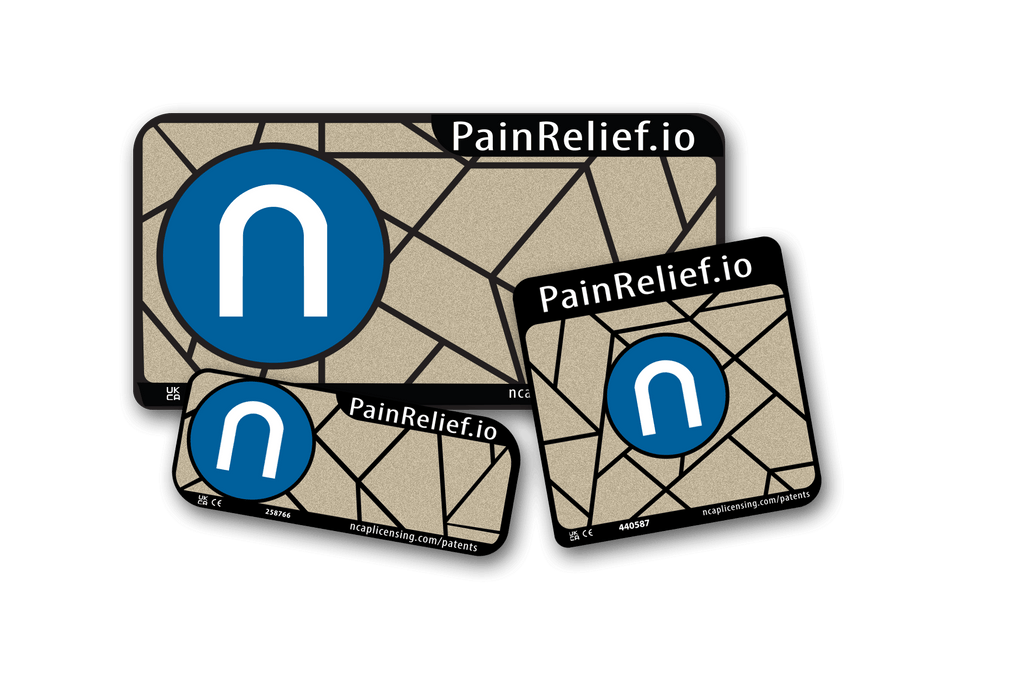
For many adults, a medium patch lands in the sweet spot for lower back use. It offers enough coverage for common pain patterns without becoming difficult to place or wear. If your pain sits across a broad section of the lumbar area but does not wrap too far into both sides, this size is often the most balanced option.
A medium patch is also useful when pain is not perfectly symmetrical. You can place it to favor the side that hurts most while still covering part of the surrounding area. That flexibility matters when back pain is affected by posture, overuse, or old injuries that do not present the same way every day.
If your lower back pain spans a wide area, a larger patch or multi-piece setup is usually the better answer. This is common for people who describe their pain as a band across the back, stiffness after prolonged standing, or soreness that reaches from the center outward.
Larger coverage can also help when pain seems diffuse rather than pinpointed. Instead of trying to identify one exact placement spot, you cover the broader pain field. For some users, that feels more practical and less frustrating.
Still, bigger is not automatically better. A patch that extends too far into the waistline, upper glute area, or side body may shift more during sitting and twisting. If you are between sizes, it often makes sense to choose the size that fully covers the pain area with a little margin, not excessive extra surface.
Radiating pain changes the decision. If the ache starts in the lower back but travels into one hip or buttock, one centered patch may not be enough. In that case, a wider patch or two smaller pieces may give you better placement control.
This is one of those situations where modular coverage can outperform a single large patch. One piece can sit over the main lower back pain, while another targets the area where the discomfort spreads. That can be especially helpful when the painful path is angled rather than wide.
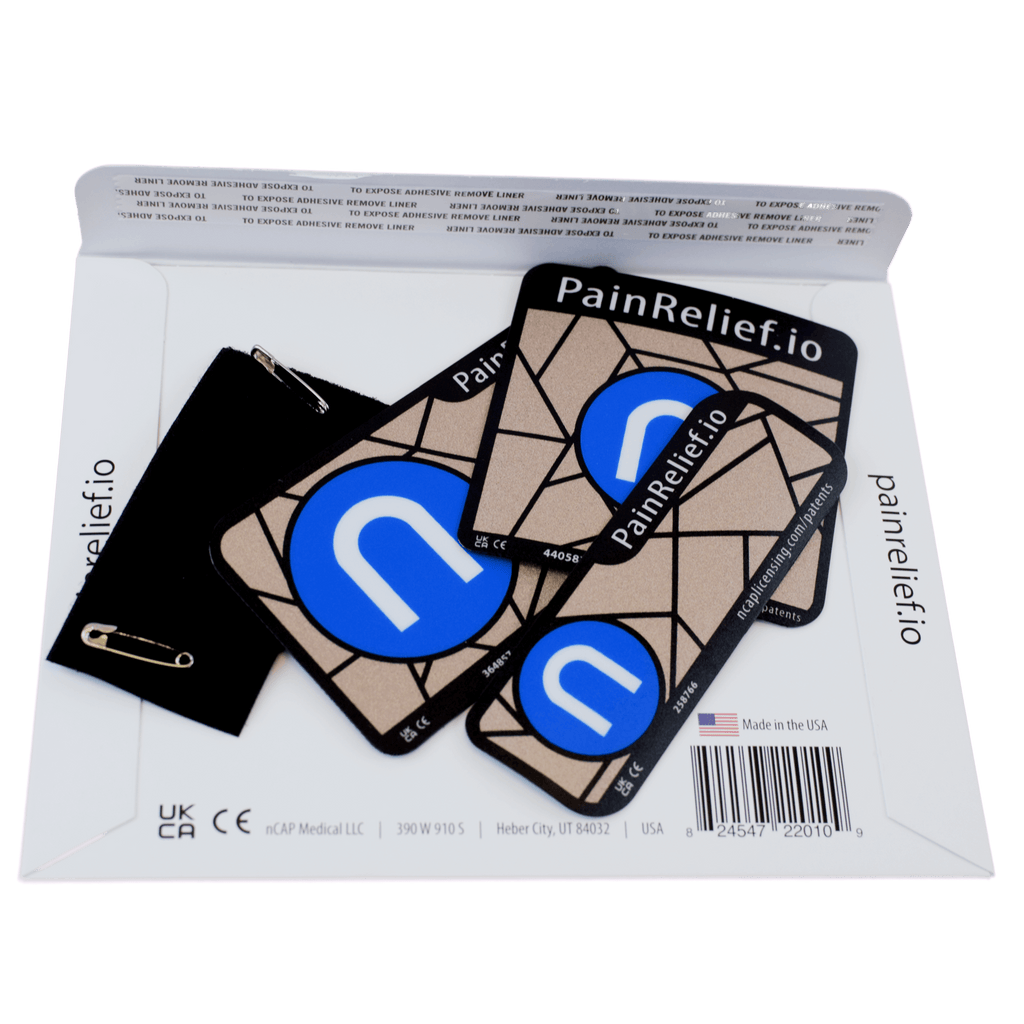
For brands that offer multiple size formats, this is where body-area-based options become useful. PainRelief.io® approaches sizing by where the pain occurs and how it is used in real life, which tends to make more sense than assuming one shape fits every back.
People often focus on dimensions and forget fit. Two people can use the same patch size and have very different experiences depending on torso length, waist shape, skin movement, and whether they are sitting or standing most of the day.
A good lower back patch should sit flat over the target area and stay comfortable through normal movement. If it creases deeply, catches on clothing, or overlaps areas you do not need to cover, the size may be wrong even if the measurements look right on paper.
That is why trial and adjustment are normal. If your first placement does not feel quite right, it does not always mean the product failed. It may mean the coverage area or position needs refinement.
One mistake is choosing the smallest patch possible to save material or keep things discreet. That can work for very focused pain, but lower back discomfort often needs more coverage than people assume.
Another mistake is going oversized because the back feels like a large body area. If the patch is too large for your frame or your pain pattern, it may become harder to wear consistently. Consistent use tends to matter more than maximum size.
A third mistake is ignoring where the pain actually peaks. Many people say their whole lower back hurts, but when asked to point to the worst area, they identify one side or one narrow band. That detail should guide the choice.
If your pain is small and specific, start small. If it covers a palm-sized region, start medium. If it spreads across the lower back or radiates into nearby areas, look for larger or multi-piece coverage.
And if you are between two options, choose the one that matches your pain map rather than your assumption about your body size. Lower back pain is about coverage quality, not just patch dimensions.
The right patch size should feel like it was chosen for how your pain behaves on a real day - when you get out of bed, sit at your desk, load groceries, or try to relax at night. When the size matches the area, relief feels simpler, and using it again tomorrow feels realistic.