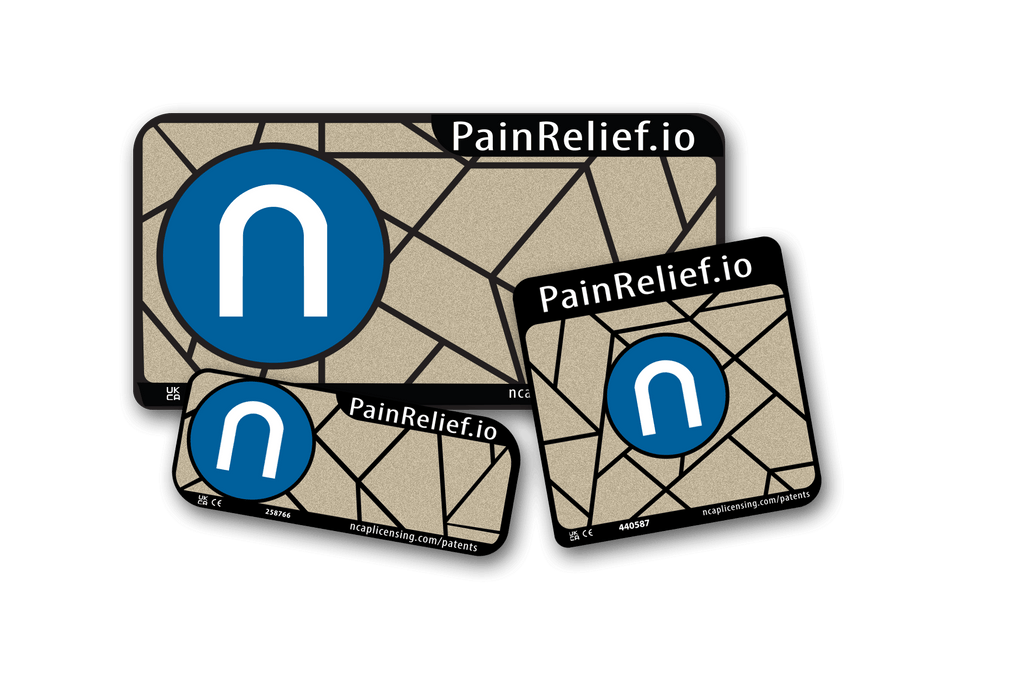

Drug-Free • Reusable for Years • 137-Day Money-Back Guarantee
A lot of people search for pain relief after they have already tried the usual cycle - pills, creams, heat, rest, and then more of the same when the pain comes back. That is exactly why nanotechnology patches have gained attention. They promise a different approach: wearable, targeted support that does not rely on medication, messy topicals, or bulky devices.
That promise is appealing, but it also raises fair questions. What are nanotechnology patches, exactly? Do they all work the same way? And are they a serious option for everyday pain, or just another wellness trend with a high-tech label?
Nanotechnology patches are wearable patches or thin flexible devices that use very small-scale engineered materials or structures as part of their design. In pain relief, that usually means the patch is not acting like a medicated patch that delivers a drug through the skin. Instead, it is designed to interact with the body in another way, often through physical, electrical, thermal, or material-based properties.
That distinction matters. Many consumers hear the word "patch" and assume adhesive medication. But a nanotechnology-based patch may be drug-free and still intended for pain support. Depending on the product, it may work by reflecting or interacting with the body's signals, using conductive or capacitive materials, or creating a localized effect without chemicals entering the bloodstream.
This is one reason the category can feel confusing. "Nanotechnology" sounds precise, but it covers a wide range of designs. Some products are truly built around patented material science. Others use the term loosely because it sounds advanced. If you are shopping carefully, the technology behind the patch matters more than the buzzword on the packaging.
Traditional pain patches usually fall into two groups. The first are medicated patches, which use ingredients such as menthol, lidocaine, or other active compounds. The second are simple adhesive warming or cooling formats that create a temporary sensory effect.
Nanotechnology patches are different because they are often designed as drug-free wearables. For people who want to reduce reliance on medication, that can be a major benefit. You are not dealing with repeated chemical exposure, strong scents, sticky residue from creams, or the short wear time of many disposable options.
There is also a practical advantage. Pain is often not a one-time event. Back pain returns after long workdays. Knee pain shows up during exercise or stairs. Neck tension builds from posture, stress, and screen time. A reusable patch or wearable approach makes more sense for recurring discomfort than something you throw away after one use.
That said, not every person needs the same type of relief. If someone wants a heating sensation for 20 minutes, a heat patch may be enough. If someone is dealing with recurring pain week after week, they may care more about comfort, reusability, placement flexibility, and whether the product fits into daily life.
This is the most important point to understand before buying. Two products can both be called nanotechnology patches and still function in very different ways.
Some are designed around advanced materials that interact with the body's bioelectrical environment. That matters because the body constantly sends electrical signals through nerves and tissues. Pain itself is closely tied to signaling. A patch built to influence that signaling environment may aim to support relief without drugs, batteries, or external stimulation.
Other products may rely more on pressure, insulation, or a mild skin-level effect. Those approaches are not automatically bad, but they are different. If a company cannot clearly explain what the patch is doing and why its materials matter, that is worth noticing.
Pain is often described in simple physical terms - tight muscles, inflamed joints, overworked tissue. Those are real factors, but they are only part of the picture. Pain also involves communication between the body and the nervous system. That is one reason two people with similar physical strain can experience very different levels of discomfort.
A growing number of wearable pain technologies are built around this idea. Instead of adding a drug or forcing a strong external input, they aim to work with the body's existing signals. PainRelief.io® uses patented NeuroCuple® nanocapacitive technology in this way, offering a battery-free and wire-free option for people who want targeted support they can use again and again.
The appeal of these patches is not limited to one condition. People often look at them when pain is localized, recurring, and disruptive enough to affect work, movement, sleep, or focus.
Back pain is one of the most common examples because it tends to flare during sitting, lifting, commuting, or standing for long periods. Joint pain is another, especially in knees, shoulders, and hands where movement is constant and support needs to be practical. People also look for drug-free options for neck tension, headaches, migraines, menstrual cramps, jaw pain, and post-workout soreness.
The key phrase there is "look for." A patch is not a cure-all. Some people feel clear relief quickly. Others need to test placement, wear time, or whether the technology matches the type of discomfort they are dealing with. Pain from nerve irritation, muscle tension, inflammation, and chronic conditions does not always respond the same way.
That does not make the category ineffective. It just means realistic expectations matter. The best wearable pain solutions are usually part of a broader strategy that may also include movement, rest, hydration, posture changes, or professional care when needed.
If you are comparing products, it helps to think beyond marketing language. First, look at whether the patch is drug-free or medicated. Those are very different experiences and suit different preferences.
Next, consider whether it is reusable. Disposable pain patches can become expensive and inconvenient if you use them often. Reusable wearables tend to make more sense for chronic or recurring pain.
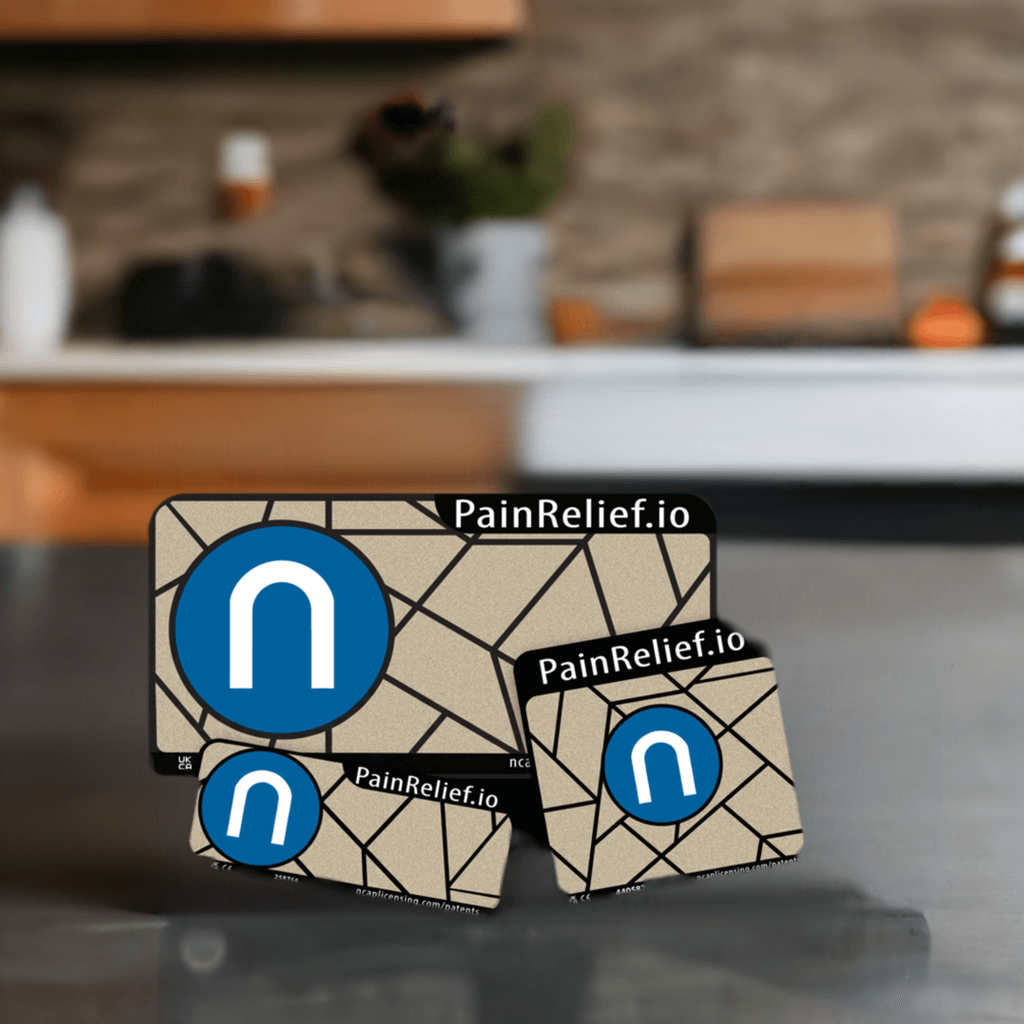
Then look at wearability. A patch can sound impressive on paper but still fail in real life if it is bulky, stiff, or hard to place on the body area that actually hurts. Size options matter. So does whether the product is easy to wear under clothing, during work, or while resting.
Finally, look for clarity around the technology itself. If the company mentions patented materials, inventor-led development, or a specific mechanism, that is generally more credible than vague claims about "energy" with no explanation behind them.
For many people, yes - especially if the goal is to find a drug-free pain relief option that is simple, noninvasive, and easy to use repeatedly. They are particularly worth considering if you are tired of cycling through disposable patches, topical creams, and short-term fixes that do not fit well into daily life.
Still, the right answer depends on what you want from the product. If you need a prescription-strength treatment, this category may not be the right fit. If you want a practical tool for recurring discomfort that supports everyday function without adding medication, it may be a much better fit.
That difference is why expectations should stay grounded. A good patch should offer a realistic path to support, not a miracle claim. The more severe, persistent, or medically complex the pain is, the more important it is to pair any at-home solution with appropriate guidance.
What makes this category interesting is not just the technology. It is what the technology represents. More people want pain relief that gives them control without making them dependent on pills, complicated devices, or constant replacement products.
That is where nanotechnology patches have real potential. At their best, they combine modern material science with everyday usability. They can be lightweight, targeted, reusable, and easy to keep on hand for the moments when pain tries to take over your day.
If you are considering one, do not focus only on the word "nano." Focus on whether the product is clear about how it works, practical enough to use consistently, and built for the kind of pain you actually live with. The best pain relief tool is not the one with the flashiest label. It is the one you will trust, use, and reach for when relief needs to feel possible again.
Search
Terms of Service
Refund Policy
Contact Us
Protect my personal information
Affiliates: Join or Log In
PATENTS
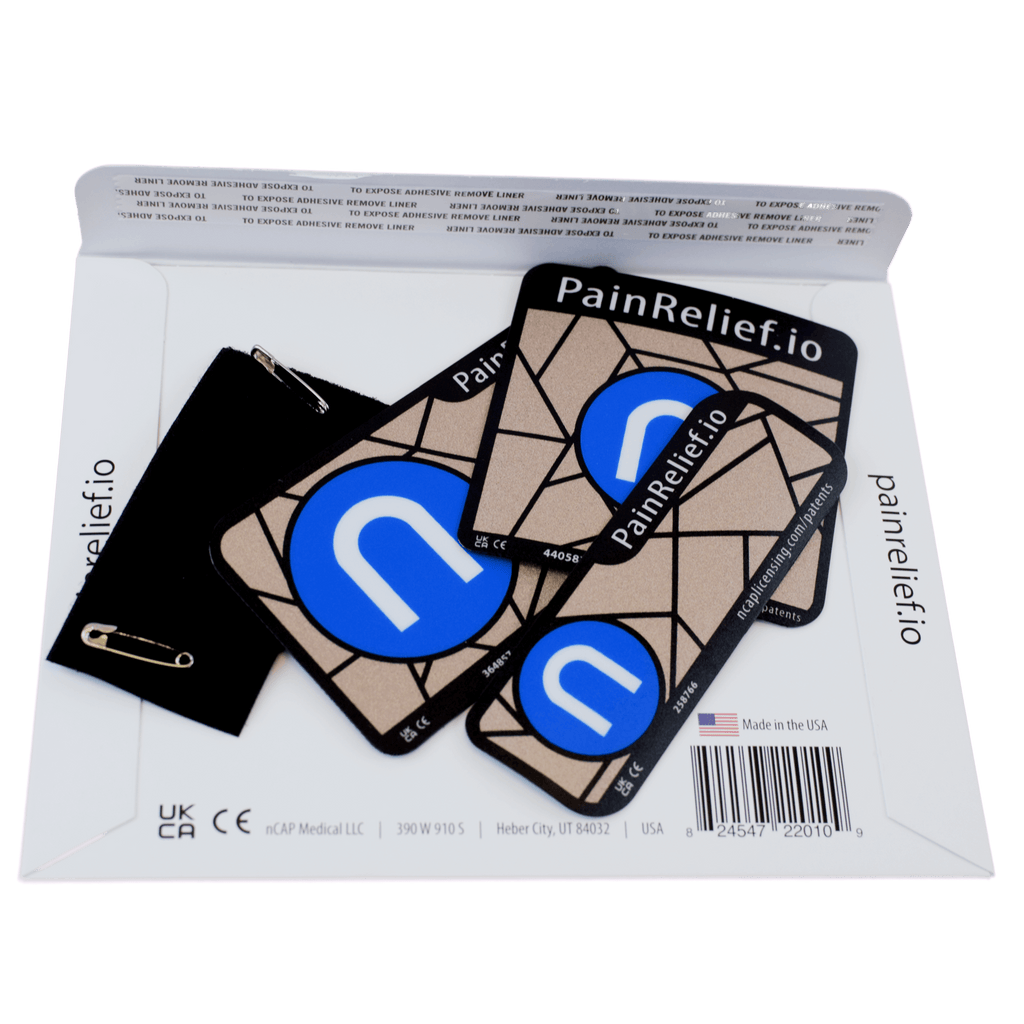
PainRelief.io® devices are designed to be simple to use. Just place the device near the area of discomfort and adjust as needed to find the position that feels most effective.
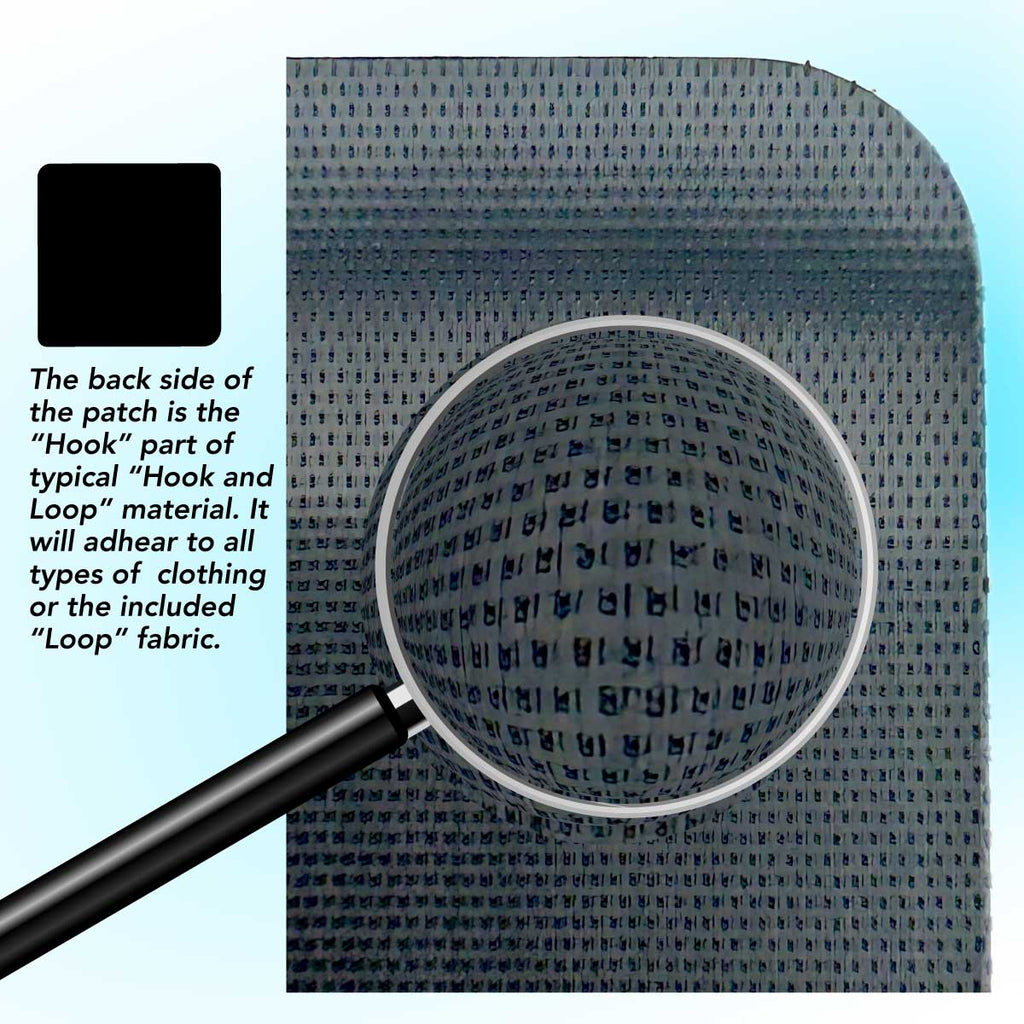
Each device is thin, reusable, wearable, and easy to use — with no batteries, no wires, no creams, and no drugs.
Inside each device is our patented NeuroCuple® layer, sealed between two durable waterproof layers. This technology is designed to work with your body’s natural bioelectrical environment in a simple, non-invasive way.
Some users report sensations such as warmth, cooling, or tingling during use, while others feel little or nothing at all.
PainRelief.io® devices are intended as general wellness products designed to support comfort, physical activity, and everyday function.