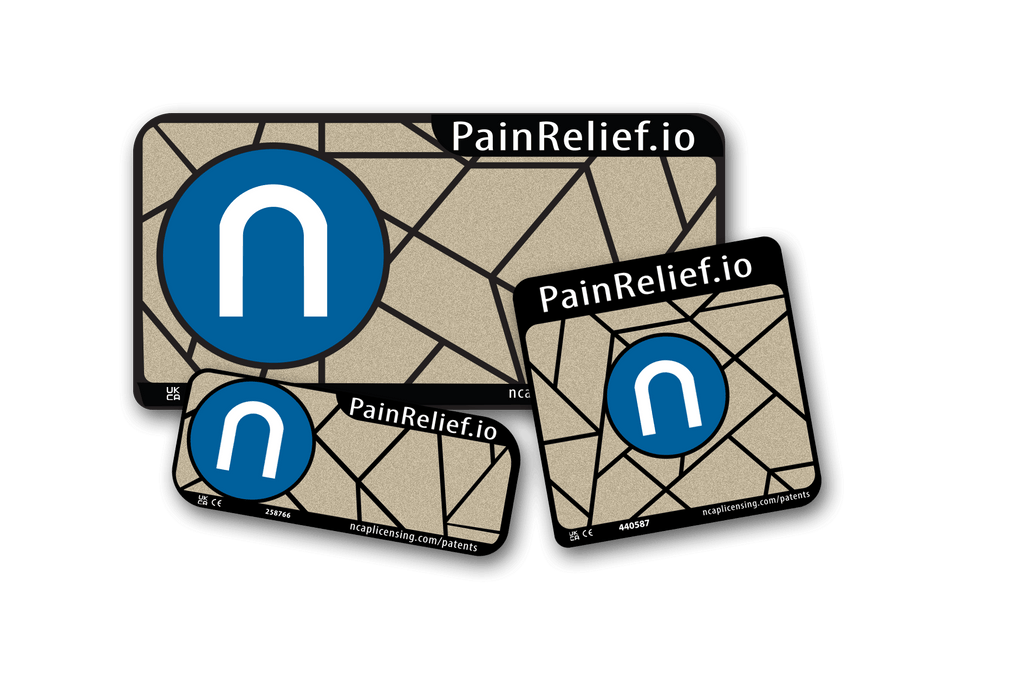

Drug-Free • Reusable for Years • 137-Day Money-Back Guarantee
If you have ever stood in the pain relief aisle comparing patches, one question matters fast: do pain relief patches contain medication? The short answer is some do, and some do not. That difference affects how they work, how long you can use them, what side effects you might face, and whether they fit your goal of finding a drug-free option.
For many people, a patch sounds simple. You stick it on, hope the pain settles down, and get on with your day. But "pain relief patch" is a broad category, and two products that look similar on the shelf can work in completely different ways.
No. Some pain relief patches contain active medicinal ingredients, while others rely on non-drug methods such as cooling agents, heat-style sensations, or wearable technology. That is why reading the label matters.
Medicated patches usually include ingredients intended to create a specific effect in the body or on the skin. Common examples include lidocaine, menthol, methyl salicylate, capsaicin, or prescription-level drugs in certain cases. These ingredients may numb, cool, warm, or interrupt pain signals for a period of time.
Non-medicated patches do not deliver a drug through the skin. Instead, they may use materials or technology designed to support relief without medication. Some are adhesive heat patches. Others are reusable wearable products designed to interact with the body's own electrical environment rather than add chemicals, creams, or drugs.
That distinction matters most for people trying to avoid medication, reduce repeat exposure to topical ingredients, or find something they can use more regularly without the same concerns that come with drug-based products.
When people ask whether pain relief patches contain medication, they are usually thinking of one product type. In reality, there are several.
These are the most common store-bought options. They often use ingredients like menthol or lidocaine. Menthol creates a cooling sensation that can temporarily distract from pain. Lidocaine is a numbing agent used in certain strengths for localized relief.
Some patches also include methyl salicylate, which is related to aspirin-like topical pain relief. Capsaicin patches are another category. These use a compound associated with chili peppers and may create a warming or burning sensation that changes how pain is perceived.
Some pain patches are prescription-only and contain stronger medication. These are used under medical supervision for more serious or specific pain situations. Because they involve systemic or potent ingredients, they are not the same as a simple wellness patch picked up at a pharmacy.
These products do not rely on pharmaceutical ingredients. Some provide warmth. Others use material-based or patented technology approaches intended to support relief without pills, creams, injections, or topical drugs. For people looking for long-term, reusable support, this category is often the most appealing.
Most medicated patches work by delivering an active ingredient to the skin surface or nearby tissues. That does not always mean the medication reaches the whole body in a major way, but it does mean the patch depends on a drug ingredient to create its effect.
The mechanism depends on the ingredient. Lidocaine works by numbing nerve activity in a targeted area. Menthol works more through sensation, creating a cooling effect that can reduce discomfort perception. Capsaicin can alter how pain signals are processed over time, though it is not comfortable for everyone.
For short-term aches, that can be useful. A sore shoulder after yard work or a stiff lower back after travel may respond well to a temporary medicated patch. But if pain is recurring, daily, or spread across different body areas, medication-based patches can start to feel limited. You may need to replace them often, watch ingredient exposure, or avoid using them too frequently on sensitive skin.
A lot of pain sufferers are not just asking what works. They are asking what they can keep using.
That is where the medication question becomes practical. If your pain shows up every week, every workout, every period, or every morning when you get out of bed, a disposable patch with active ingredients may not feel like the best long-term fit. Some people want to avoid side effects. Others want to reduce dependence on painkillers in any form. Some are simply tired of rotating through creams, pills, heating pads, and temporary fixes.
Non-medicated options appeal because they give people another lane. Instead of adding more substances to the body, they focus on physical support, wearable convenience, or interaction with the body's natural signals. For a wellness-minded consumer, that often feels more aligned with the goal of sustainable pain management.
Yes, but the word "work" needs context. Pain is not one thing. Muscle strain, joint irritation, headaches, menstrual cramps, and nerve discomfort do not all respond the same way. A patch that helps one person with neck tension may do very little for another person with severe inflammation.
That is true for medicated and non-medicated products alike. Pain relief is rarely one-size-fits-all.
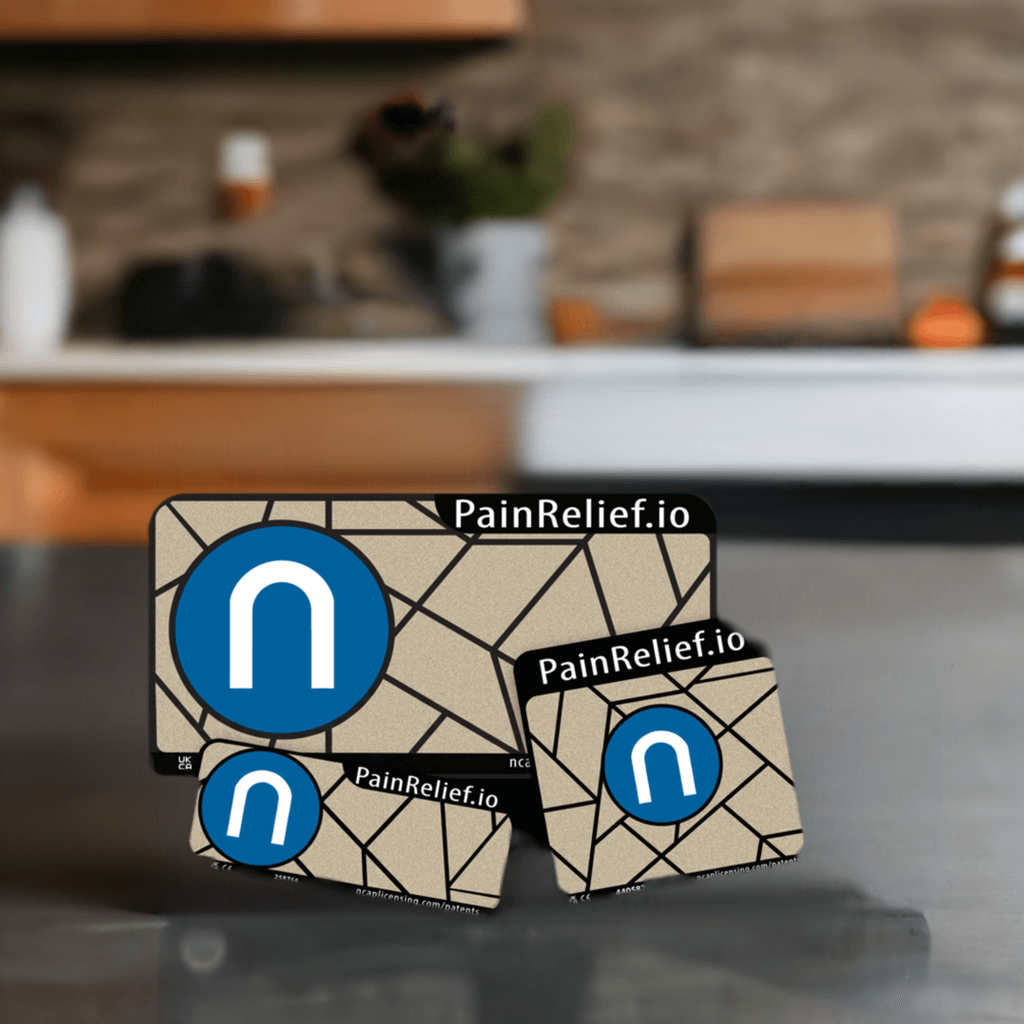
What non-medicated patches offer is a different approach. Instead of using an active drug ingredient, they may support the body through thermal effect, pressure-free wearability, or technology designed around the bioelectrical nature of pain signaling. PainRelief.io®, for example, centers its reusable wearables around patented NeuroCuple® nanocapacitive technology for people seeking relief without medication.
For consumers who want something simple, reusable, and noninvasive, that can be a meaningful shift. The patch is no longer just a disposable delivery system for an ingredient. It becomes a tool you can wear again and again as part of a broader pain management routine.
If you are trying to figure out whether a patch contains medication, the package usually tells you quickly once you know where to look.
Start with the active ingredients section. If you see lidocaine, menthol, methyl salicylate, capsaicin, or another listed drug ingredient, it is a medicated patch. If there is no active drug listed and the product describes itself as drug-free, that is your first signal it belongs in the non-medicated category.
Also look for usage warnings. Medicated patches often include more detailed cautions about skin reactions, timing, drug interactions, or age restrictions. That does not make them bad. It just reflects the fact that medicinal ingredients come with more considerations.
Then think about your actual use case. If you need occasional short-term help after activity, a medicated patch may be enough. If you are dealing with recurring back pain, knee pain, TMJ discomfort, headaches, or cramps, a reusable drug-free approach may be easier to live with.
This is where trade-offs matter. Medicated patches can be convenient, but many are built for temporary relief. That may be fine for a minor flare-up. It is less ideal when pain keeps returning and you are searching for something you can build into daily life.
Drug-free options are often more appealing for repeat use, especially when they are reusable and easy to place on different body areas. They may also fit better for people who are sensitive to topical ingredients or simply do not want another medication in the mix.
Still, there is no single right answer for everyone. Some people use medicated products occasionally and a non-drug wearable more regularly. Others want to avoid medication completely. The better question is not only whether a patch contains medication, but whether its method matches your comfort level, your pain pattern, and your long-term goals.
Pain patches are often marketed like quick fixes, but the real decision is bigger than that. You are choosing between approaches. One adds an active ingredient. The other avoids medication and leans on physical or technological support.
If your goal is simple short-term symptom relief, a medicated patch may be enough. If your goal is to manage recurring pain without relying on pills, creams, or disposable drug products, a non-medicated option may make more sense.
The best patch is not the one with the loudest claim on the box. It is the one that fits how you actually live with pain - today, next week, and months from now.
Search
Terms of Service
Refund Policy
Contact Us
Protect my personal information
Affiliates: Join or Log In
PATENTS
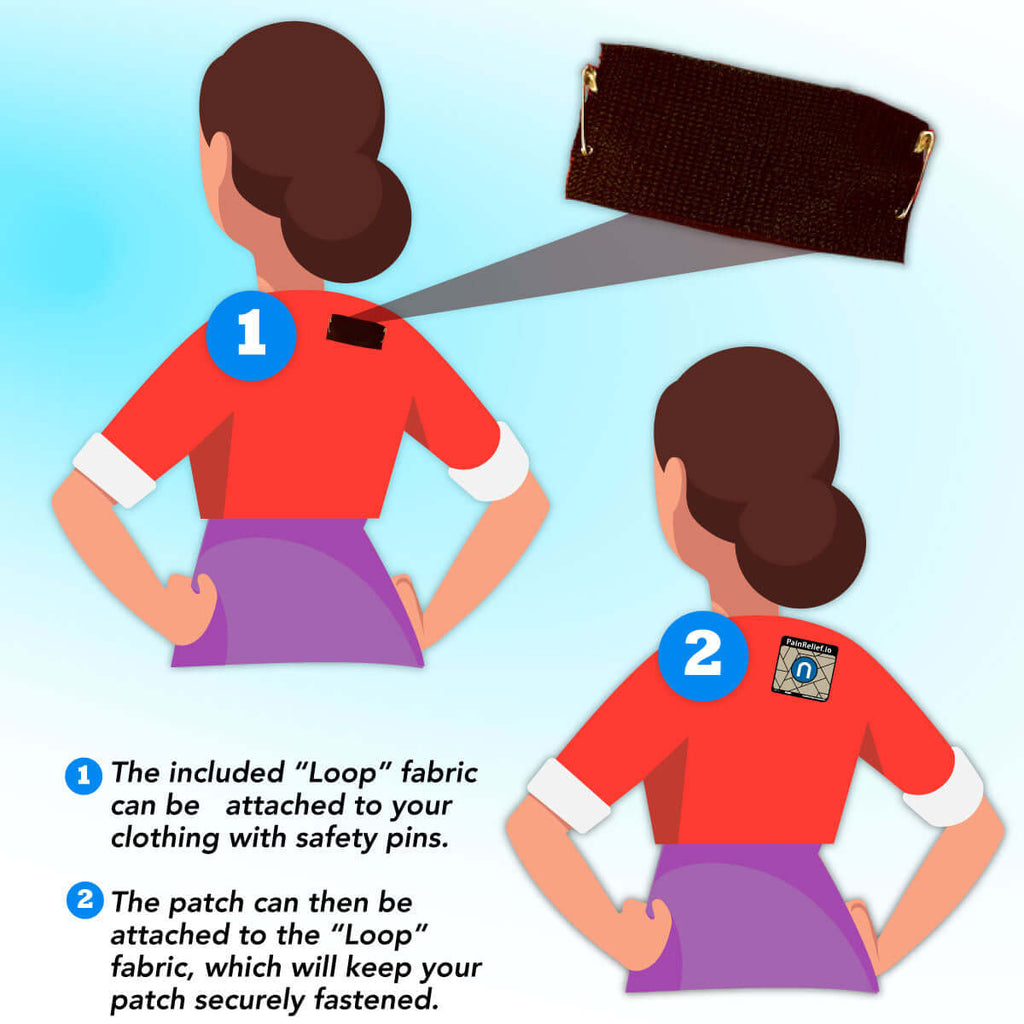
PainRelief.io® devices are designed to be simple to use. Just place the device near the area of discomfort and adjust as needed to find the position that feels most effective.
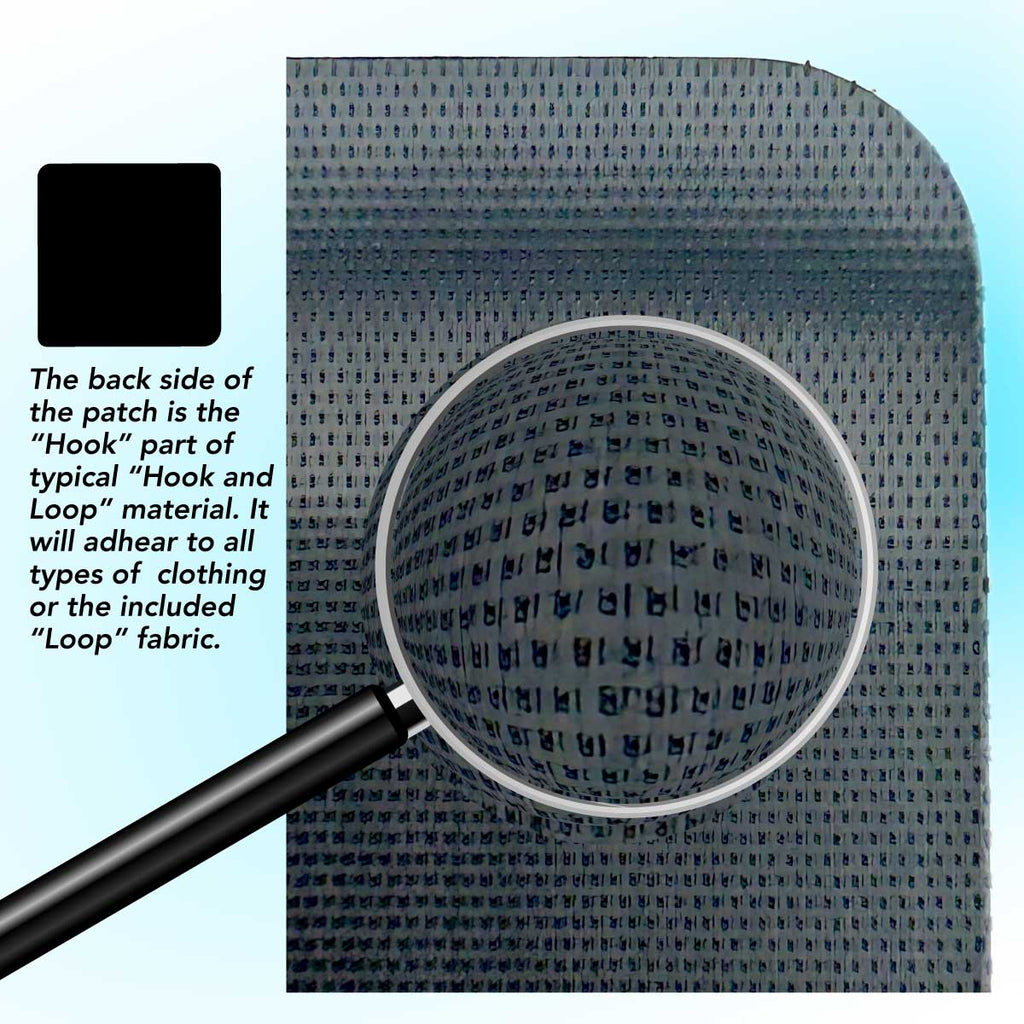
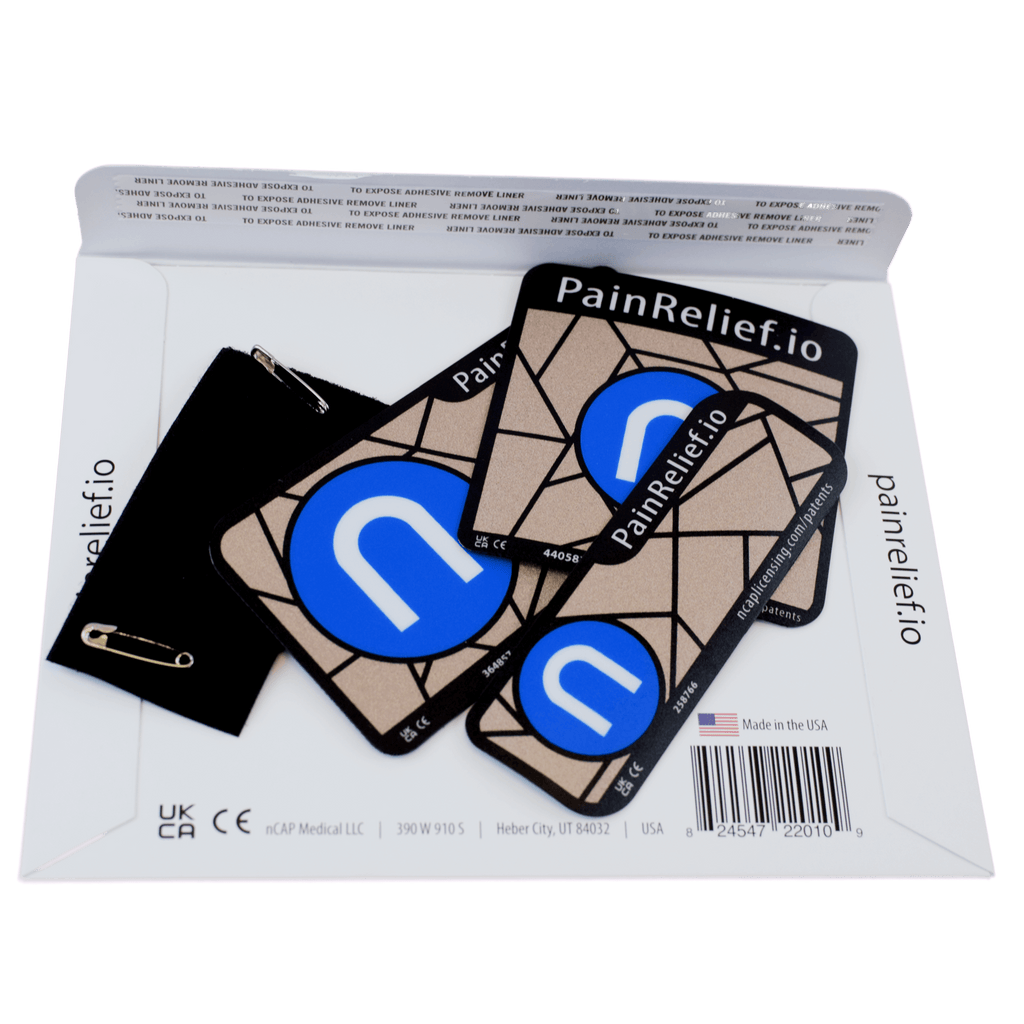
Each device is thin, reusable, wearable, and easy to use — with no batteries, no wires, no creams, and no drugs.
Inside each device is our patented NeuroCuple® layer, sealed between two durable waterproof layers. This technology is designed to work with your body’s natural bioelectrical environment in a simple, non-invasive way.
Some users report sensations such as warmth, cooling, or tingling during use, while others feel little or nothing at all.
PainRelief.io® devices are intended as general wellness products designed to support comfort, physical activity, and everyday function.