

A lot of period advice skips the part people actually feel every month - the mix of bleeding, cramping, irritation, fatigue, and the need to keep moving through work, school, errands, and sleep. That is why menstrual hygiene management matters. It is not only about cleanliness. It is about staying comfortable, reducing irritation, lowering infection risk, and building a routine that supports your body instead of adding more stress.
For many people, the hardest part is not knowing what they are "supposed" to do. It is figuring out what works for their flow, skin, schedule, and pain level. A good plan is practical. It helps you manage blood flow safely, change products on time, protect skin, and handle cramps without feeling like your whole day has to stop.
Menstrual hygiene management is the everyday process of handling your period in a way that is clean, safe, and realistic for your life. That includes using menstrual products correctly, washing hands before and after changes, cleaning the genital area gently, and having access to privacy, water, and supplies.
It also includes comfort. If a product leaks, rubs, traps heat, or leaves you feeling damp for hours, that affects hygiene too. Skin that stays moist or irritated is more likely to become uncomfortable. The same goes for people who deal with heavy flow, long work shifts, travel, sports, or recurring cramps that make product changes harder to stay on top of.
This is where a lot of period education falls short. Hygiene is often treated as a checklist, but in real life it is tied to pain, mobility, stress, and routine. If cramps are strong enough to keep you curled up, even walking to the bathroom to change a pad can feel like a chore. A better approach looks at the whole picture.
There is no single best period product for everyone. The right choice depends on your flow, anatomy, skin sensitivity, activity level, and how often you can comfortably change products during the day.
Pads are simple and familiar, and they can be a strong option for overnight use or for people who do not want internal products. The trade-off is that some pads trap heat and moisture, especially in hot weather or during exercise. If you notice chafing or itching, the issue may be the material, fragrance, or the length of time between changes.
Tampons can feel more discreet and may work well for sports and active days. But they need to be changed on schedule. Wearing one too long increases health risks and can leave you feeling dry or irritated. If tampons are uncomfortable every time, that is useful information. It may be about absorbency, insertion angle, pelvic tension, or simply that another product fits your body better.
Menstrual cups and discs offer longer wear times and create less waste over time. Many people like the flexibility and reusability. But they do come with a learning curve. If insertion or removal feels stressful, it may take practice, a different size, or a different fold. Reusable products also require consistent cleaning, which is easy at home but not always convenient in public settings.
Period underwear can be helpful on lighter days, as backup, or overnight. Fit matters more than people expect. If it is too tight, it can irritate skin. If it is too loose, it may shift and leak. Like reusable cups, it needs proper washing and drying to stay fresh and effective.
The best menstrual hygiene management plan often combines products rather than relying on one for every situation. You might prefer a cup at home, pads overnight, and period underwear as backup on heavier days. Flexibility is not failure. It is good planning.
The basics matter more than complicated routines. Wash your hands before and after changing any menstrual product. Change products according to their instructions and based on your flow, not just the clock. On heavier days, you may need to change more often.
Gentle cleansing is usually enough for the vulva. Warm water works well, and if you use soap, choose a mild one on the external area only. Strong soaps, scented washes, sprays, and douches can throw off the natural balance of the area and make irritation worse rather than better.
Breathable underwear and dry clothing also help. Sitting for hours in sweat, a damp liner, or wet workout clothes can leave skin feeling raw. If you are prone to irritation, changing out of tight synthetic fabrics sooner can make a noticeable difference.
It is also worth paying attention to what feels normal for your body. A mild scent from menstrual blood is common. A strong fishy odor, unusual discharge, severe itching, burning, fever, or pain that feels different from your usual cramps deserves medical attention.
Pain changes behavior. People delay changing products, stay in one position too long, skip meals, or avoid movement because cramps are draining. That can make the whole period experience harder.
A realistic menstrual hygiene management routine should include a cramp plan. Heat is one of the most common tools because it helps many people relax tense muscles and feel more comfortable. Gentle movement can help too, even when a full workout sounds impossible. Short walks, stretching, and hydration are not magic fixes, but they can make the day more manageable.
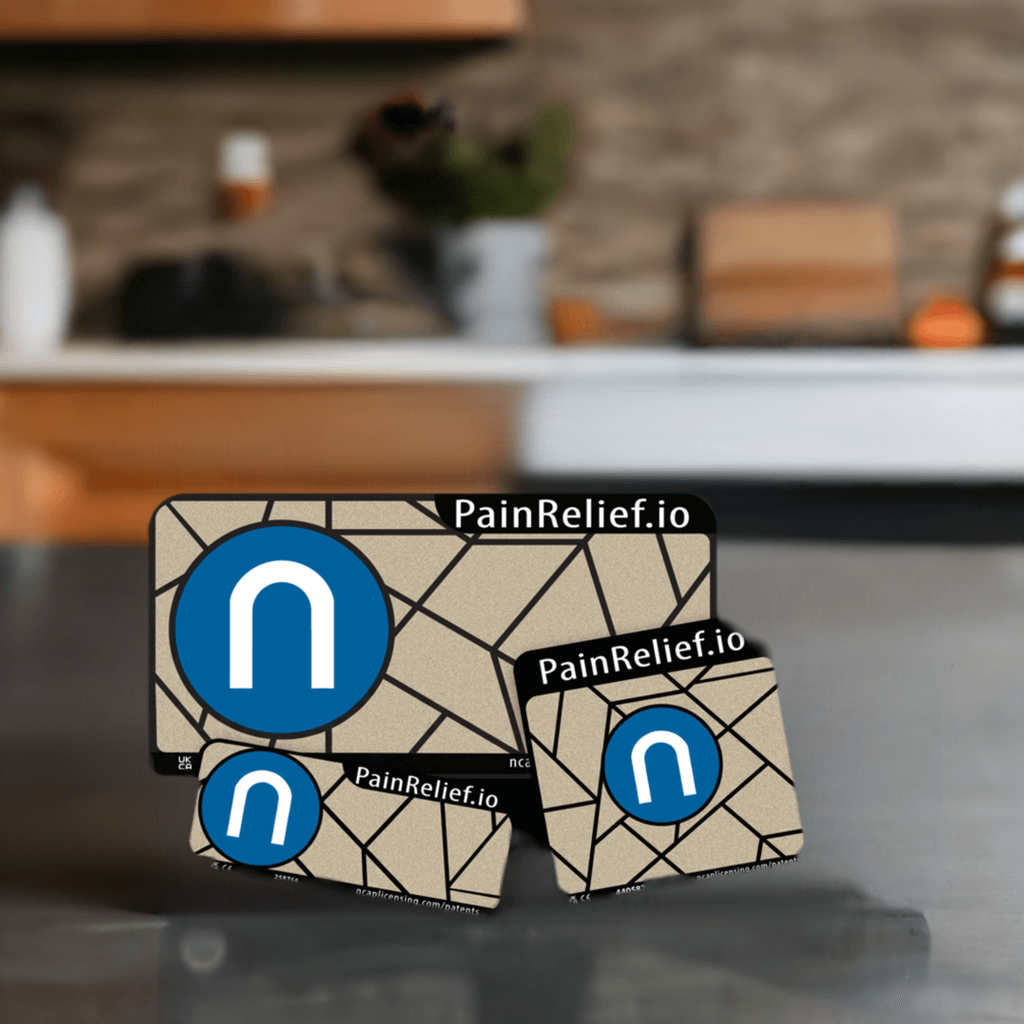
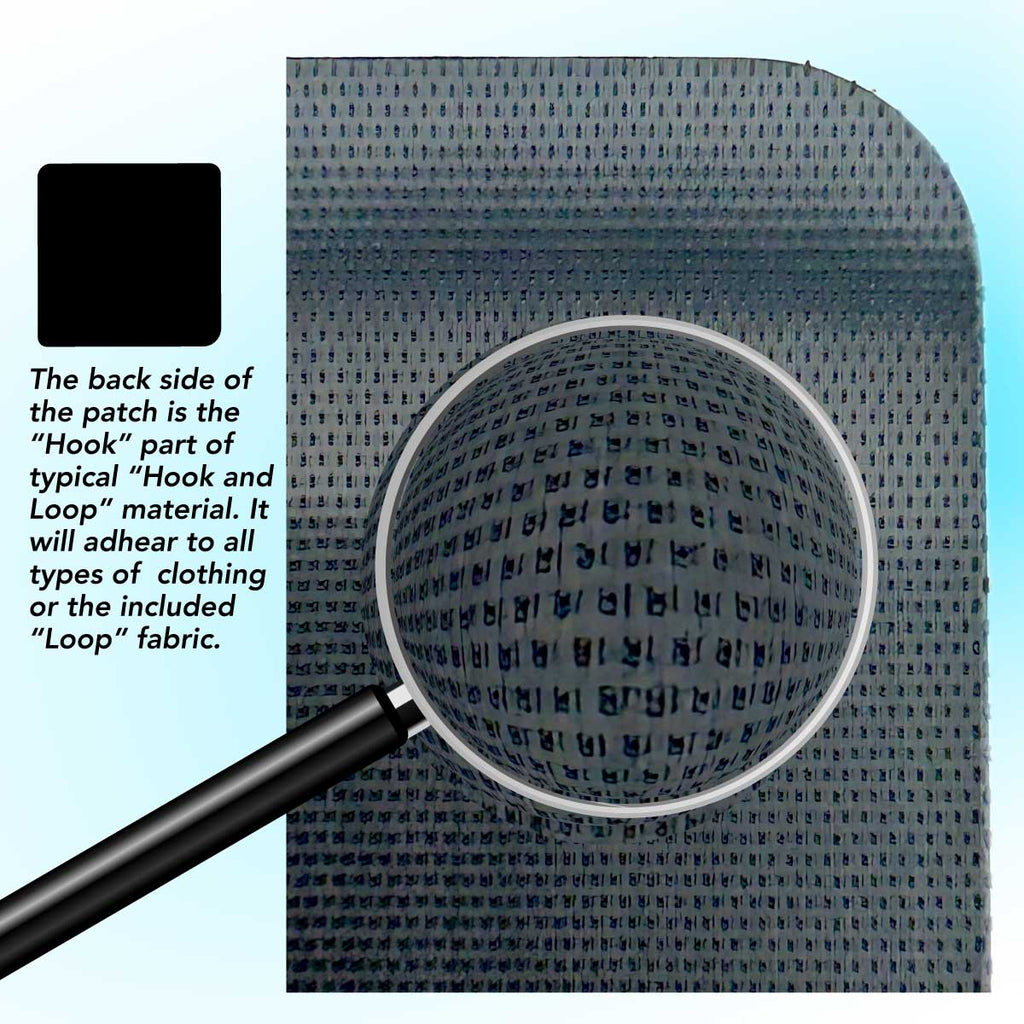
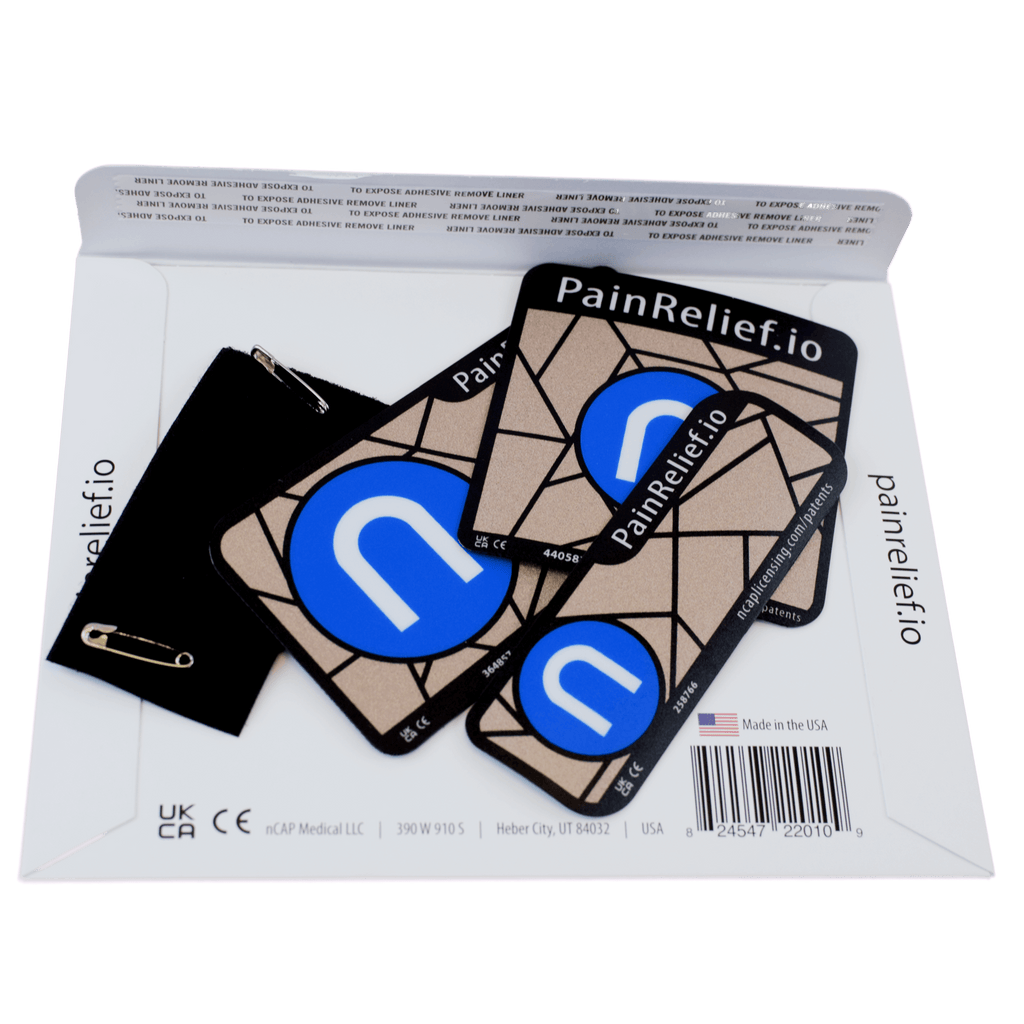
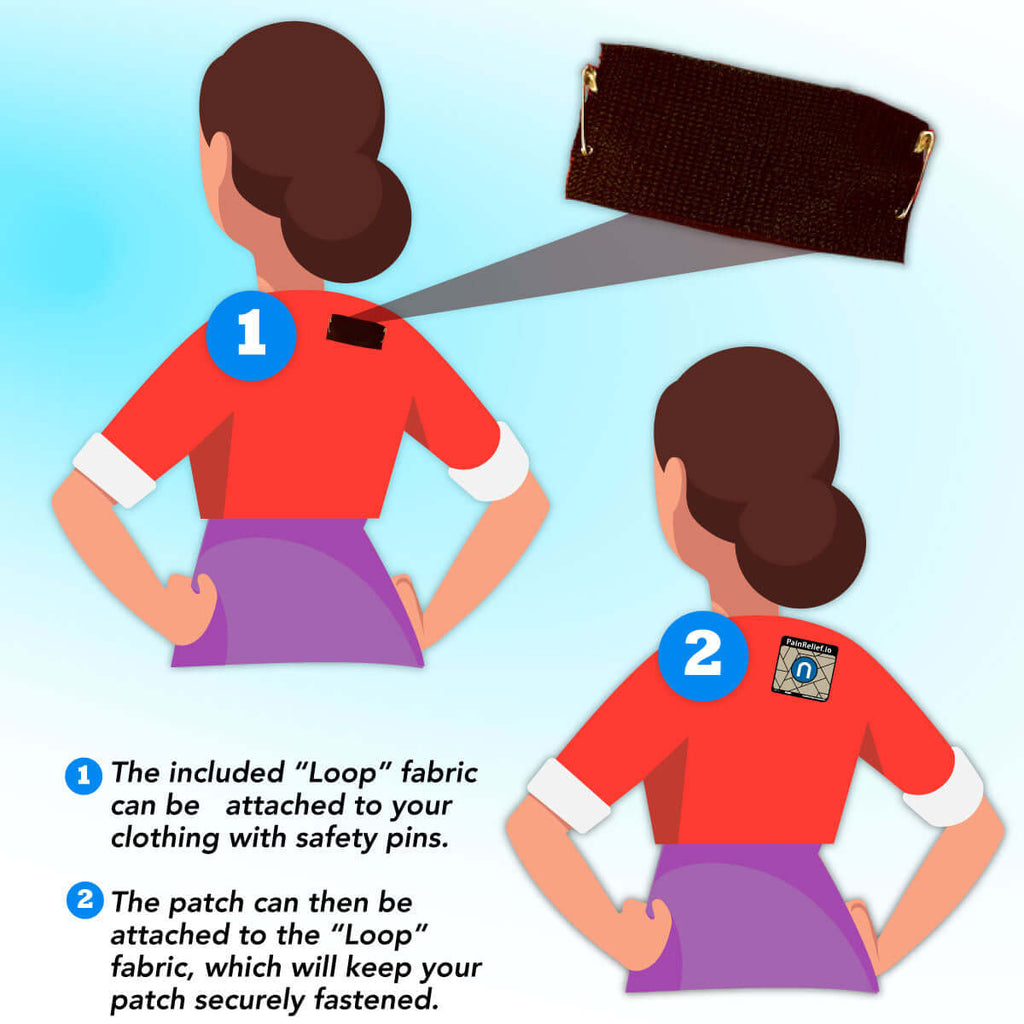
Some people want relief without relying on pills every month. That is one reason drug-free options have become more popular. Reusable wearable pain relief tools can fit into a period routine because they do not require heating in a microwave, they do not create a mess, and they can be used while moving through the day. For someone who deals with recurring menstrual discomfort, that kind of simplicity matters. PainRelief.io® focuses on that practical middle ground - support you can use again and again without turning every cycle into a medication plan.
That said, it depends on the severity of your symptoms. Mild to moderate cramps may respond well to heat, rest, hydration, and wearable support. Severe pain that disrupts work, causes vomiting, or gets worse over time should not be brushed off as normal.
Sometimes what seems like a hygiene problem is actually a fit problem. Recurring leaks may mean the product is not right for your flow. Constant rubbing may come from pad shape, adhesive placement, or tight clothing. Internal discomfort may point to the wrong tampon absorbency or a cup that does not suit your anatomy.
This is worth adjusting instead of pushing through. People often assume period products are uncomfortable by default, but they should be manageable. If you dread wearing something every month, that is a sign to test another option.
Cycle tracking can help here. Knowing which days are heaviest, when cramps peak, and when you are more likely to need backup protection makes hygiene easier and less reactive. Instead of scrambling, you can set up your supplies and pain support ahead of time.
Periods rarely arrive at a convenient time. The most useful strategy is a simple backup kit with the products you actually use, spare underwear, wipes for your hands when a sink is not nearby, and a way to store used or reusable items discreetly until you can clean them properly.
If you work long shifts or have limited bathroom access, the best product may be the one that fits your schedule safely, not the one that looks best on paper. For some, that means combining a higher-capacity option with backup underwear. For others, it means choosing something quick and familiar because speed and comfort matter more than ideal conditions.
Privacy also matters. Menstrual hygiene management is harder when people feel rushed, embarrassed, or unsupported. That is one reason small planning habits help so much. Keep supplies where you need them instead of trusting that public restrooms or workplace bathrooms will always have what you need.
Good hygiene supports comfort and health, but it does not fix every period problem. If you have unusually heavy bleeding, severe cramps, frequent dizziness, bleeding between periods, ongoing irritation, or sudden changes in your cycle, it is worth getting checked out.
Conditions like fibroids, endometriosis, adenomyosis, infections, and hormonal imbalances can shape your period experience in ways that no product switch can solve. Paying attention early can save months or years of frustration.
The goal is not a perfect routine. It is a repeatable one that helps you stay clean, comfortable, and in control, even on difficult days. When your menstrual hygiene management plan matches your body and your life, your period becomes easier to handle - and that matters more than any one-size-fits-all rule.