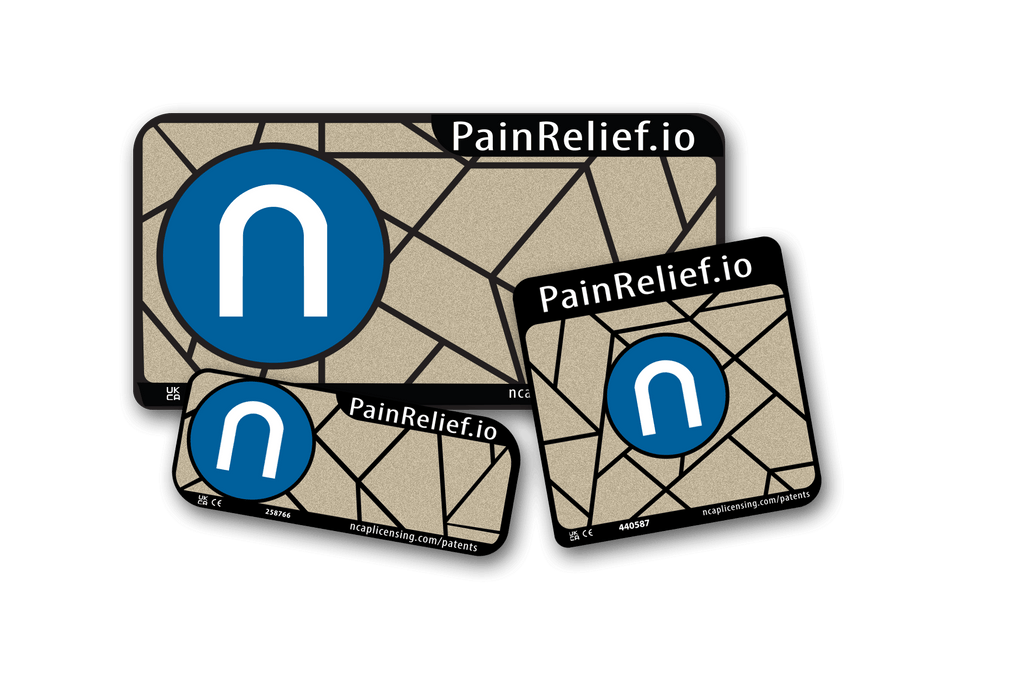

Drug-Free • Reusable for Years • 137-Day Money-Back Guarantee
You notice it the morning after - the tight calves after a long walk, the heavy shoulders after yard work, the ache in your back after lifting, training, or just doing too much in one day. When that soreness hits, many people want drug free pain relief for muscle soreness that actually fits real life. Not something messy, complicated, or limited to a quick temporary window, but something practical they can use again and again.
Muscle soreness is common, but that does not make it simple. Sometimes it is the expected kind that follows exercise or physical work. Sometimes it comes from overuse, poor posture, tension, or recovery from a minor strain. And sometimes it lingers longer than it should, which is when people start looking for options beyond pills, creams, or disposable patches.
Sore muscles usually show up when tissue has been challenged more than usual. That can happen after a workout, a long shift on your feet, repetitive movement, travel, or even sleeping in an awkward position. The discomfort may come with stiffness, tenderness, reduced range of motion, or a dull, persistent ache.
There is also a difference between soreness and injury. General muscle soreness tends to improve gradually and feels broad or diffuse. A sharp pain, visible swelling, bruising, weakness, or pain that gets worse instead of better can point to something more serious. In that case, home care may not be enough.
For everyday soreness, the goal is not to overpower what your body is telling you. The goal is to support recovery, calm the discomfort, and help you move more comfortably while the area settles down.
A good non-drug option should make life easier, not add another chore. That means it should be easy to apply, easy to repeat, and realistic for daily use. It should also match the kind of soreness you have.
If your muscles feel hot and aggravated right after exertion, cooling strategies may help. If they feel tight and stiff a day or two later, gentle movement and warmth may feel better. If your soreness is tied to repeated strain in a specific area, a wearable option that stays in place may be more useful than something you rub on once and forget.
This is where trade-offs matter. Ice can be helpful early on, but not everyone likes the numbness. Heat can relax a tight muscle, but it may not be ideal if the area is actively inflamed. Topicals can feel soothing, but they wear off fast and can leave residue on skin or clothing. Drug-free relief is not one thing. It is a category, and the best choice depends on where the soreness is, how intense it feels, and how often it comes back.
The simplest approach is often the best place to start. Light movement helps many people more than complete rest. A short walk, easy stretching, or gentle mobility work can increase circulation and reduce that locked-up feeling. The key word is gentle. Pushing hard through soreness usually backfires.
Hydration and recovery basics matter too, especially if the soreness follows exercise or heat exposure. Muscles under stress do not respond well to dehydration, poor sleep, or back-to-back overuse.
Then there are physical relief tools. Massage can help, whether from a therapist, a massage gun used carefully, or basic self-massage. Heat wraps and warm showers can reduce stiffness. Cold packs can calm an irritated area after activity. Compression garments can be useful for some people, especially when soreness comes with fatigue or a heavy, swollen feeling.
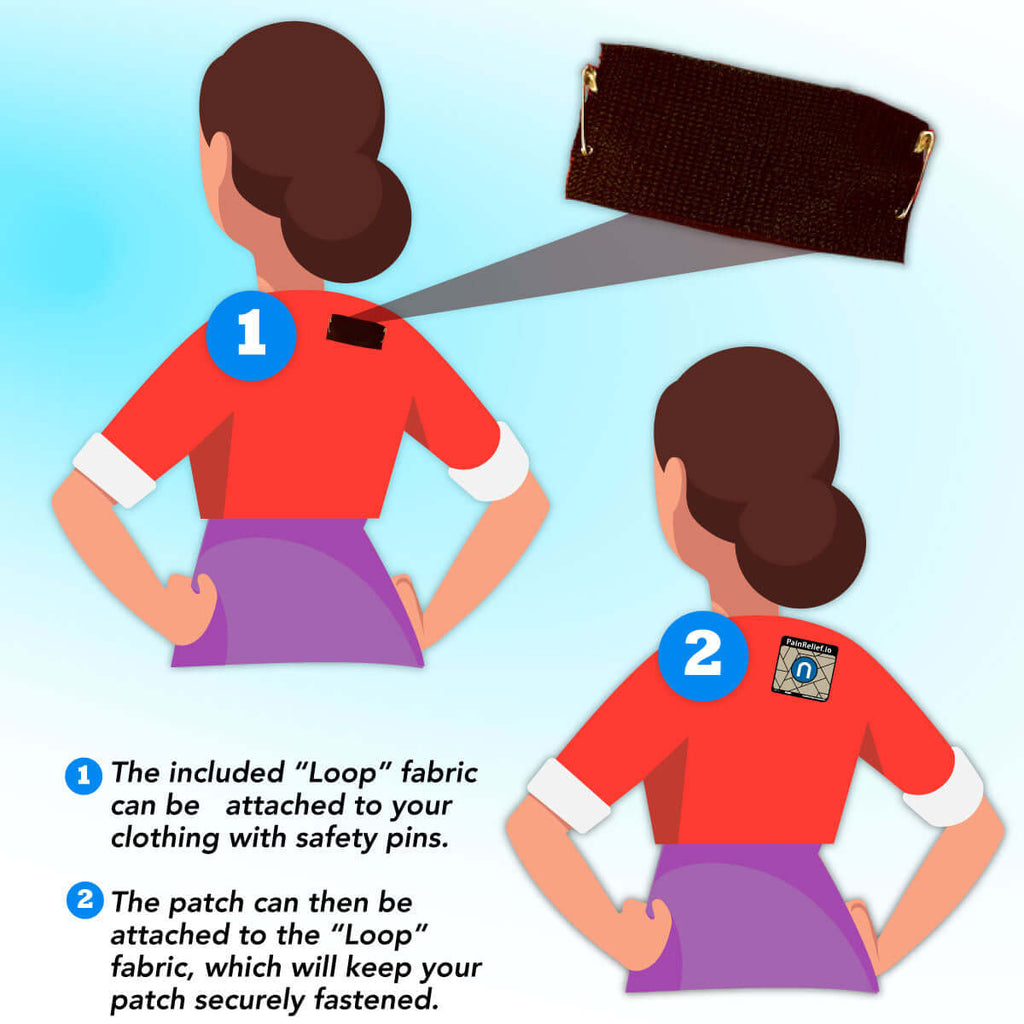
Wearable pain relief devices are another option, particularly for people who want ongoing support without medication, batteries, or repeated reapplication. This is where a lot of consumers start paying closer attention, because convenience matters. If relief only works when you stop everything else you are doing, it is harder to stick with.
Not all wearable solutions work the same way. Some rely on heat. Some use electrical stimulation. Some are adhesive patches designed for one-time use. Others are built for long-term reuse and everyday wear.
For recurring muscle soreness, reusability changes the value equation. If you deal with back tension after work, shoulder soreness after exercise, or leg fatigue from long hours standing, it makes sense to look for something you can keep using instead of constantly replacing.
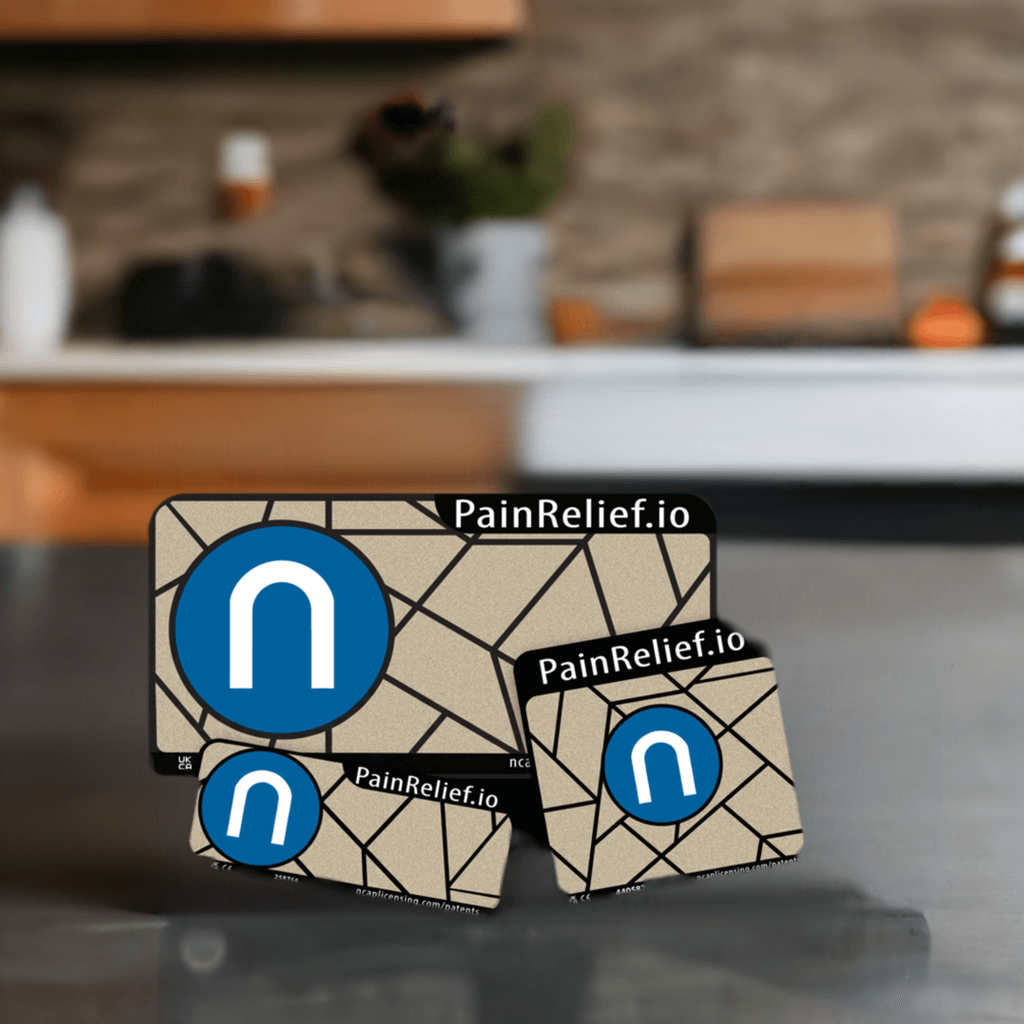
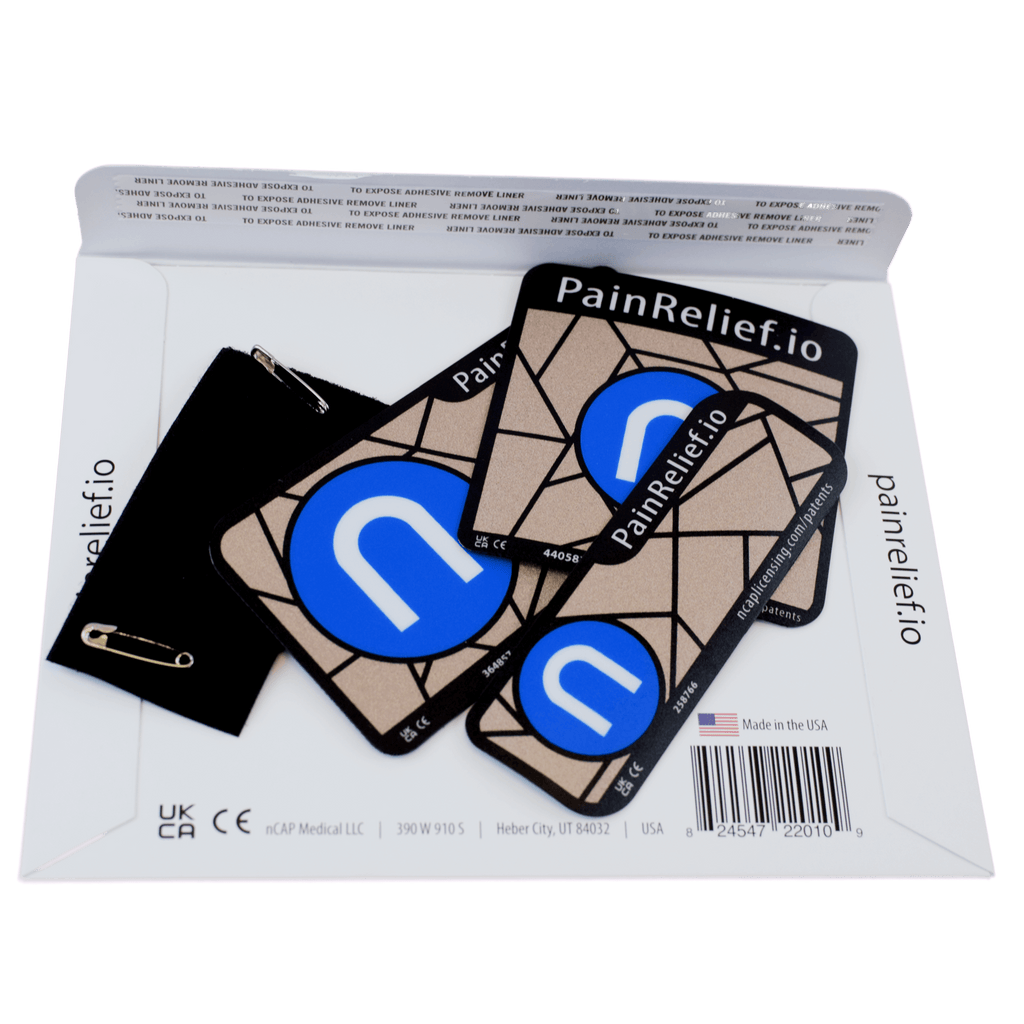
PainRelief.io focuses on this type of simple, reusable support. Its patented NeuroCuple nanotechnology is designed to interact with the body’s bioelectrical environment through a battery-free, wire-free wearable device. For people who want a noninvasive option and do not want to build their routine around medication or messy topicals, that kind of design is appealing for a reason. It is straightforward. You place it where it is needed, wear it during normal life, and use it again later.
That does not mean every solution works the same for every person or every kind of soreness. Broad post-workout fatigue may call for movement, hydration, and rest first. More localized discomfort - like a sore lower back, a tight shoulder, or muscle strain from repetitive motion - often responds better to targeted support.
Start with the pattern. If your soreness is occasional and mild, a warm shower, light stretching, and sleep may be enough. If it is tied to a specific activity, think about what triggered it. Repetitive lifting, poor workstation setup, long drives, intense workouts, and awkward sleeping positions all create different kinds of strain.
Location matters too. Neck and shoulder soreness often responds to posture changes and targeted wearables. Lower back soreness may need both movement and localized support. Calf and thigh soreness after exercise may improve with walking, hydration, and gentle recovery work before anything else.
Timing matters as well. Immediate soreness after heavy use can feel different from delayed muscle soreness that peaks a day later. People often do best when they stop treating all pain signals the same way.
And then there is frequency. If you keep reaching for a short-term fix several times a week, it may be time to look for a reusable option that fits into your routine more naturally.
One common mistake is doing nothing at all. Rest has a role, but total inactivity can make stiffness feel worse. Another mistake is going too aggressive too soon - hard stretching, deep tissue work on an already irritated muscle, or returning to activity before the area has calmed down.
People also tend to underestimate how much daily mechanics matter. The soreness may feel like it came from one workout, but the real issue can be how you sit, sleep, lift, or move throughout the week.
Then there is the medication trap. Some people use over-the-counter pain relievers automatically, without asking whether they really want to depend on that pattern for everyday discomfort. That is exactly why drug-free options have become more relevant. They give people another path, especially when the goal is support rather than suppression.
Most muscle soreness improves with time and the right support. But there are moments when it makes sense to get medical guidance. If pain is severe, sudden, or paired with swelling, weakness, numbness, fever, or limited function, it should not be brushed off as ordinary soreness. The same goes for pain that keeps returning in the exact same spot or does not improve over time.
Drug-free relief can be a strong part of a recovery plan, but it is not a substitute for proper evaluation when something more serious may be going on.
A lot of muscle soreness is normal. The better question is whether your current way of handling it is working for you. If your routine relies on waiting it out, covering it up, or buying the same disposable relief products over and over, there may be a better fit.
The most useful drug-free options are the ones you will actually use - simple enough for daily life, targeted enough to matter, and reliable enough to become part of how you recover. When relief feels practical, people are far more likely to stay consistent with it. And with muscle soreness, consistency is often what helps you get back to moving like yourself again.
Search
Terms of Service
Refund Policy
Contact Us
Protect my personal information
Affiliates: Join or Log In
PATENTS
PainRelief.io® devices are designed to be simple to use. Just place the device near the area of discomfort and adjust as needed to find the position that feels most effective.
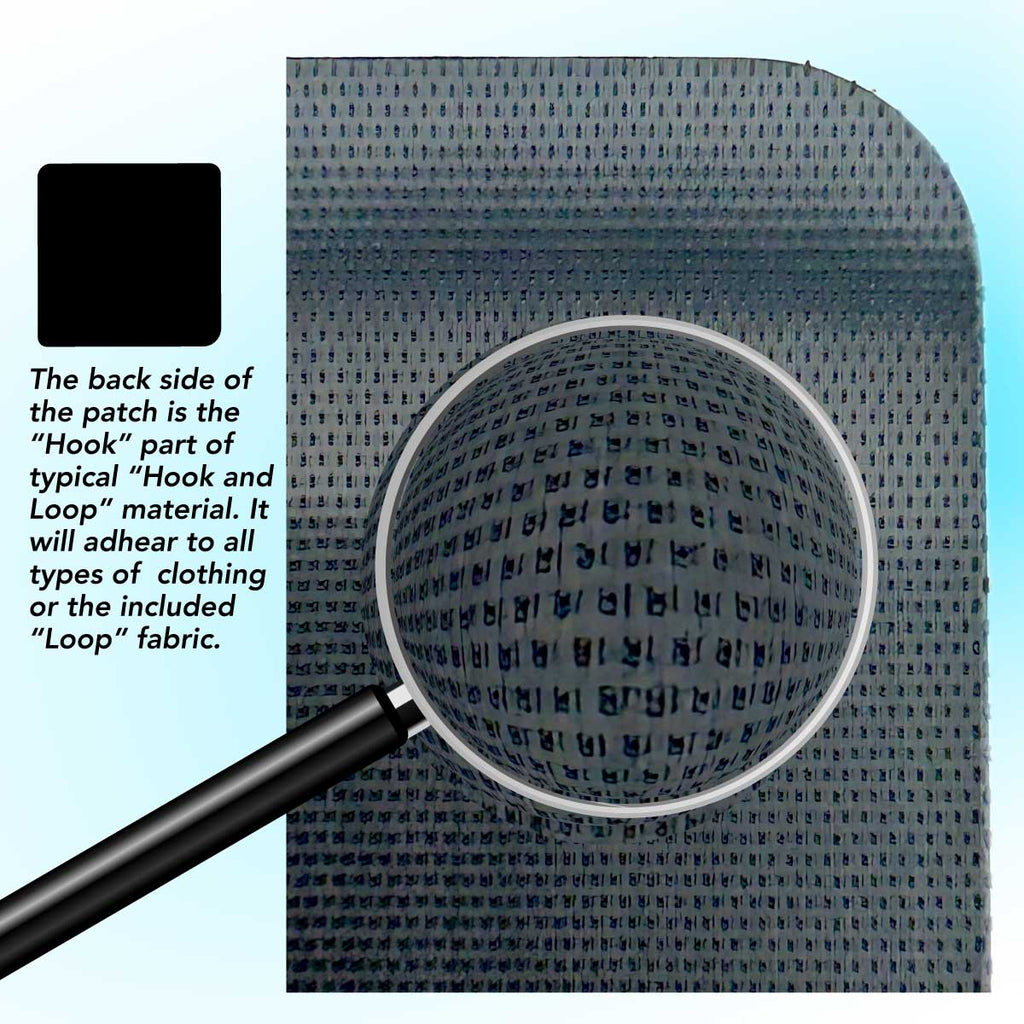
Each device is thin, reusable, wearable, and easy to use — with no batteries, no wires, no creams, and no drugs.
Inside each device is our patented NeuroCuple® layer, sealed between two durable waterproof layers. This technology is designed to work with your body’s natural bioelectrical environment in a simple, non-invasive way.
Some users report sensations such as warmth, cooling, or tingling during use, while others feel little or nothing at all.
PainRelief.io® devices are intended as general wellness products designed to support comfort, physical activity, and everyday function.