

Cramps rarely wait for a convenient moment. They show up in the middle of a workday, during a commute, halfway through the night, or right when you need to be somewhere. That is exactly why patches for cramps have become such a popular option - they promise relief you can wear, without having to stop everything.
But not all cramp patches work the same way, and that matters more than most people realize. Some are basically disposable heat sources. Some rely on cooling ingredients like menthol. Others are designed as drug-free wearables meant to support relief without pills, creams, or cords. If you are trying to find something that fits into real life, the best choice is usually less about hype and more about how your pain shows up, how often it returns, and what kind of relief you actually want to use month after month.
Most cramp patches fall into one of three categories. The first is heat-based. These patches warm the area, which can help relax tight muscles and create a soothing effect across the lower abdomen or lower back. For many people, that warmth is the main reason a patch feels effective.
The second category uses topical ingredients, often menthol or similar compounds. These create a cooling or tingling sensation on the skin. That sensory input can distract from discomfort for some users, but it does not feel the same as deep muscle relief. It is more surface-level, and that trade-off matters if your cramps feel heavy, sharp, or persistent.
The third category is drug-free wearable technology. Instead of heating the area or coating the skin with active ingredients, these products are designed to interact with the body through its natural electrical environment. That approach appeals to people who want to avoid medication, repeated disposable products, and messy topicals.
This is where expectations can get off track. A patch can feel amazing for mild cramps and still fall short for stronger, more disruptive pain. If your symptoms are mostly tension, aching, and a pulling sensation in the lower abdomen, heat may be enough. If your pain tends to radiate into the back, hips, or thighs, a tiny patch placed only on the front of the body may not do much.
That is one reason placement matters almost as much as the patch itself. Some people get better relief wearing support over the lower back rather than directly over the abdomen. Others need both areas addressed, especially if their pain pattern shifts from month to month.
There is also the question of timing. Some patches feel most helpful when used at the first sign of cramping. Others are something you reach for once pain has already ramped up. If you only use relief tools after you are already curled up and miserable, even a decent product may seem underwhelming.
Heat patches are popular because they are simple. Open the package, place the patch, and let it warm up while you go about your day. For people who usually rely on a heating pad but need something portable, this can be a useful step up.
The downside is that heat patches are still limited by wear time and single-use design. Once the heat fades, the support is over. If your cramps last a day or two, that can mean going through several patches per cycle. It can also mean dealing with bulk, adhesive sensitivity, or a patch that does not stay put as well as you hoped.
Heat also is not ideal for everyone. Some people love it. Others find it comforting at first but not enough for deeper pain. And if you are trying to avoid constantly rebuying disposable products, heat patches can become an expensive habit.
Menthol and similar ingredient-based patches are easy to find, and they can create quick sensory relief. That cooling effect may take the edge off mild discomfort or help when you want something thin and discreet.
Still, these patches often come with compromises. The sensation can feel strong on the skin without meaningfully changing the actual cramp. Some people dislike the smell. Others develop irritation from repeated use, especially during a cycle when the skin is already more sensitive.
They can also be a poor fit for users who specifically want relief without chemicals, topicals, or that icy-hot feeling. If what you want is simple, reusable, and low-maintenance, these patches may feel like a temporary workaround rather than a long-term solution.
For people looking beyond disposable heat or topical ingredients, drug-free wearables are worth a closer look. These products are designed to be worn on the body and support relief through physical interaction with the body rather than through medication, batteries, or creams.
This category tends to make the most sense for recurring pain. Menstrual cramps are not a one-time problem for most people. They come back. That changes the buying decision. A reusable option can be more practical than something you throw away every month, especially if you want relief at home, at work, while traveling, or while sleeping.
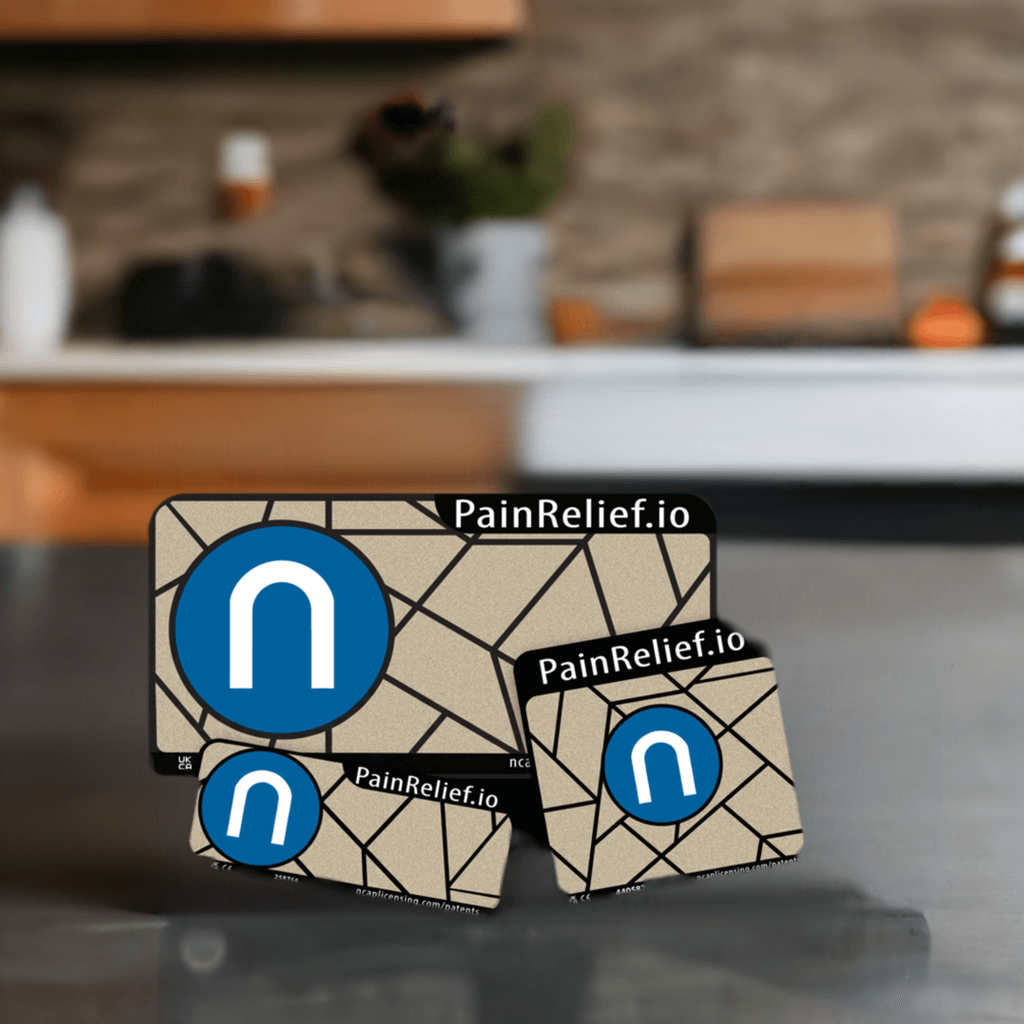
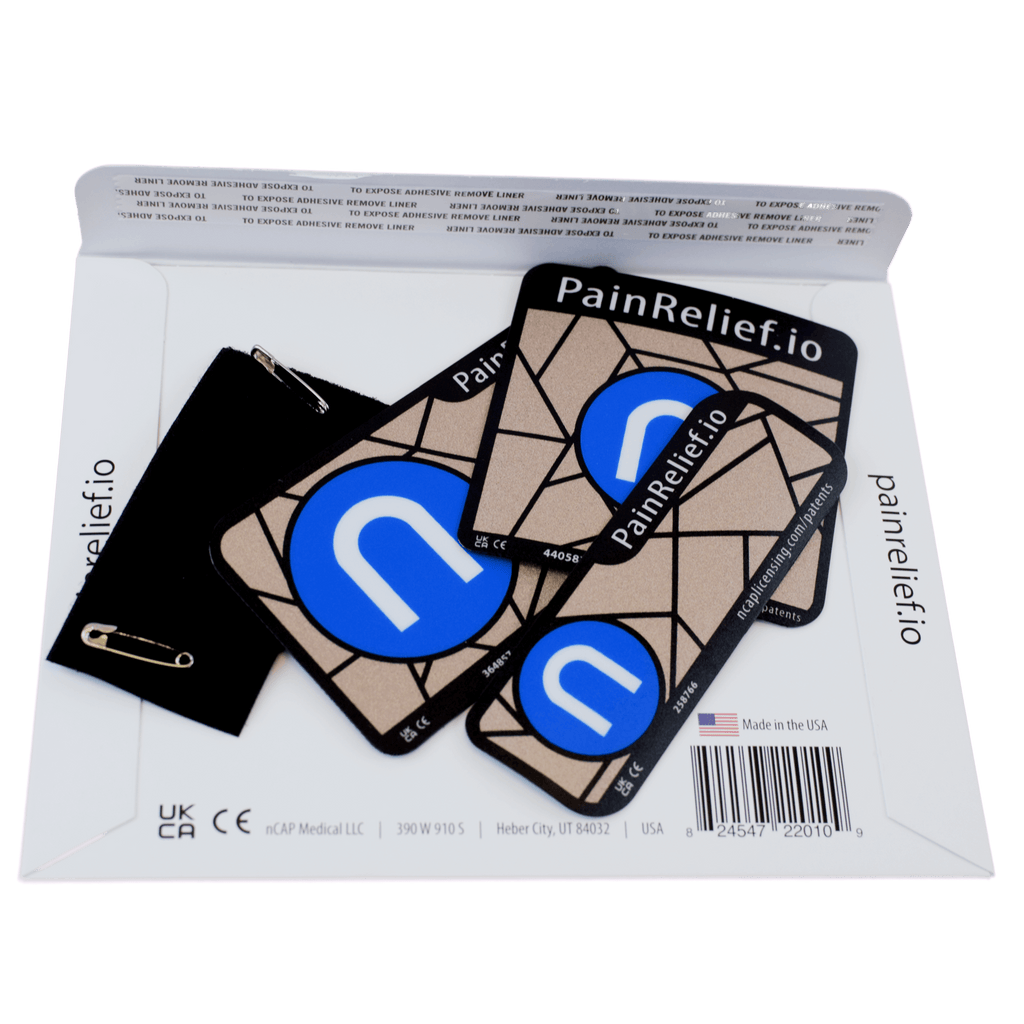
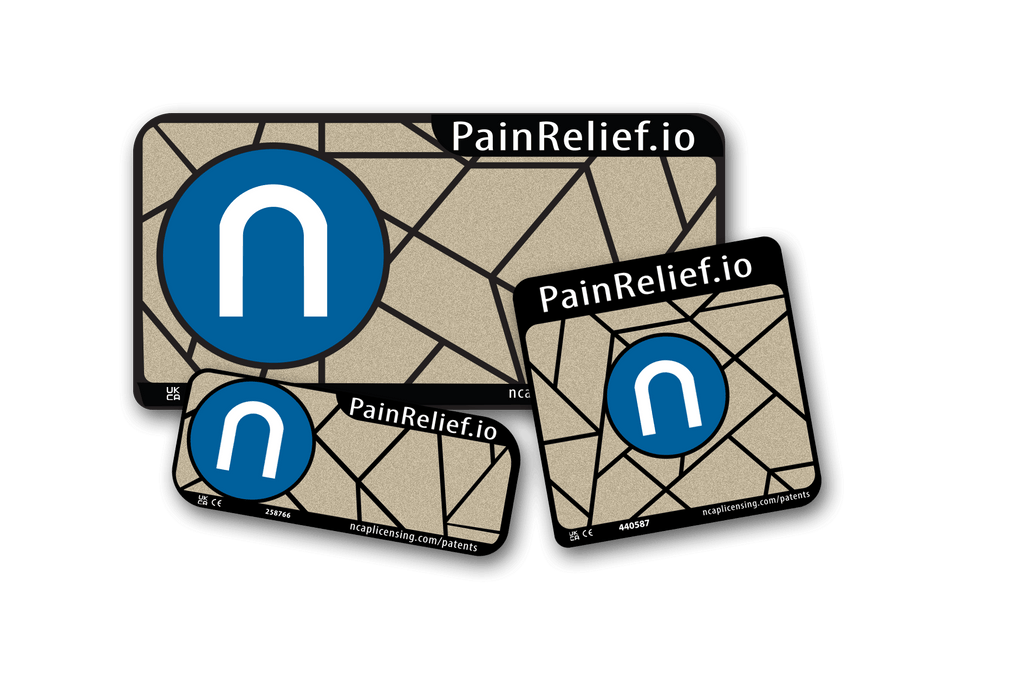
PainRelief.io® takes this approach with patented NeuroCuple® technology, built into lightweight reusable wearables designed for different parts of the body. For someone dealing with cramps that settle in the abdomen, spread into the low back, or come with all-day discomfort, that body-area flexibility is a real advantage. It lets relief feel more personal and less like a generic one-size-fits-all patch.
The best patches for cramps depend on what your pain is actually like.
If you mainly want warmth and comfort for a few hours, a heat patch may be enough. If your cramps are mild and you do not mind scent or skin sensation, a menthol patch may be worth trying. If your pain returns every month and you are tired of pills, sticky residue, or repeated purchases, a reusable drug-free wearable may be the smarter option.
It also helps to think about where your pain lives. Front-only cramps can respond differently than pain that wraps around to the back. Some people need mobility during work or errands. Others need something they can comfortably wear while resting. The more your cramps interfere with normal life, the more important ease of use becomes.
Patches can be genuinely helpful, but they are not magic. They tend to work best when your cramps are predictable, localized, and responsive to external support like heat, pressure, or wearable relief. They are also useful for people who want an option that does not depend on taking another dose of something.
Where they may fall short is severe pain that comes with symptoms beyond ordinary menstrual cramping. If cramps are suddenly much worse than usual, regularly disabling, or paired with unusually heavy bleeding, nausea, fainting, or pain outside your normal pattern, a patch should not be the only answer. Relief tools are helpful, but they are not a substitute for understanding why pain is happening.
That same principle applies if you have tried several patch styles and none make a dent. Sometimes the issue is product choice. Sometimes it is placement. And sometimes your body is telling you this is not just routine cramping.
A lot of period pain advice focuses on quick fixes. That makes sense in the moment, but it is not always the best long-term strategy. If cramps affect you most months, the better question is not just what helps today. It is what you will realistically keep using.
Reusable relief has practical advantages. You are not rebuilding your routine every cycle. You are not stocking up on boxes of single-use patches. You are not choosing between convenience and drug-free support. For many people, that consistency is what makes a pain solution feel dependable rather than occasional.
There is also a mental side to it. When pain keeps returning, simple tools matter. A wearable option you already trust and know how to place can feel very different from scrambling for whatever is available in a drawer or pharmacy aisle.
The real question is not whether patches for cramps work in some broad universal sense. It is which kind of patch fits your pain, your routine, and your goals. Disposable heat can be soothing. Ingredient-based patches can create temporary sensory relief. Drug-free reusable wearables can make more sense for people who want a longer-term option without relying on pills or constantly replacing products.
If your cramps are a recurring problem, convenience alone is not enough. Look for something you will actually want to use again and again - something that fits your body, your schedule, and your effort level when you are already uncomfortable. Relief should not feel complicated, and it should not have to start over every month.