

A light touch that feels unbearable. A temperature change that seems out of proportion. Swelling, burning, stiffness, or skin that suddenly reacts to something as simple as clothing. For people living with Complex Regional Pain Syndrome, or CRPS, pain is not just intense - it can be confusing, isolating, and hard for others to understand. That is exactly why crps awareness matters.
CRPS is often described as a chronic pain condition that usually develops after an injury, surgery, stroke, or other trauma, but the pain response can become much bigger and longer-lasting than the original event. Some people develop symptoms after what seemed like a minor sprain or fracture. Others notice changes after a procedure that should have been routine. What makes CRPS especially difficult is that the pain can seem disproportionate, and the symptoms can shift over time.
For patients, families, and even some healthcare providers, that unpredictability can delay recognition. The sooner people understand what CRPS can look like, the better the chance of getting timely support, practical pain management strategies, and a treatment plan that focuses on function as well as comfort.
CRPS is not rare in the sense that nobody ever sees it, but it is commonly misunderstood. People with CRPS are sometimes told their symptoms are stress-related, exaggerated, or simply part of normal healing. That can be deeply discouraging, especially when basic daily activities like walking, showering, getting dressed, or using a hand become difficult.
Awareness changes that. It helps people recognize that severe ongoing pain after an injury is not always typical. It also helps families understand why someone may be avoiding movement, reacting strongly to touch, or struggling with sleep, mood, and concentration. Chronic pain does not stay neatly in one lane. It affects mobility, work, relationships, and confidence.
Better awareness also supports earlier conversations with medical professionals. CRPS does not have one single test that confirms it in every case, so diagnosis often depends on symptom patterns, physical findings, and ruling out other causes. When patients know what changes to watch for, they are in a stronger position to describe what is happening clearly and advocate for the care they need.
The most well-known symptom is persistent pain, often described as burning, stabbing, throbbing, aching, or electric. But CRPS is usually more than pain alone. The affected area may become very sensitive to touch, movement, or temperature. Skin can look shiny, blotchy, red, pale, or bluish. Swelling may come and go. Some people notice sweating changes, nail and hair growth changes, stiffness, tremors, muscle weakness, or reduced range of motion.
Symptoms often affect an arm, hand, leg, or foot, though the experience can vary widely from one person to another. That variability is part of what makes CRPS so frustrating. One person may be dealing mostly with severe sensitivity and burning pain. Another may be dealing with stiffness, swelling, and major functional limitations. For some, symptoms settle over time. For others, they persist and interfere with nearly every part of the day.
That is one reason awareness campaigns matter. CRPS does not always look dramatic from the outside. Someone can appear fine while dealing with pain that makes ordinary tasks feel impossible.
One of the biggest barriers in CRPS care is timing. Early symptoms can overlap with what people expect after an injury or surgery - pain, swelling, color changes, limited movement. The difference is that CRPS symptoms may intensify, spread, or continue longer than expected instead of gradually improving.
That does not mean every case of lingering pain is CRPS. Pain recovery is complicated, and healing timelines vary. But when pain feels severe, disproportionate, or paired with unusual sensitivity and visible skin changes, it deserves careful attention.
Early recognition matters because long periods of untreated pain and disuse can make recovery harder. Many treatment approaches aim to support gentle movement, calm hypersensitivity, and help the nervous system become less reactive over time. The exact plan depends on the person, the stage of symptoms, and what they can tolerate.
CRPS is often explained as a problem involving abnormal pain signaling. In simple terms, the nervous system can become overprotective. Signals that should settle down after healing may keep firing, or the brain and nerves may begin treating normal input as threatening. That helps explain why a light touch, a bedsheet, or a small temperature shift can trigger major discomfort.
This does not mean the pain is imagined. It means the pain system itself may be misfiring. For many patients, that explanation is a relief. It gives context to symptoms that otherwise feel impossible to explain.
It also highlights why treatment is rarely about one single fix. Managing CRPS often involves a combination of medical care, physical or occupational therapy, pacing, stress reduction, sleep support, and symptom-specific strategies. There is often some trial and error involved, because what helps one patient may not help another to the same degree.
The public conversation around chronic pain often misses the smaller losses. With CRPS, people may stop wearing certain shoes, avoid social outings, struggle with driving, or need help with chores that used to be easy. Even sitting in one position for too long can become a problem. Sleep may be disrupted, and poor sleep tends to make pain feel worse the next day.
There is also the mental load. Many people with CRPS become highly alert to flare-ups, because they know one bad day can derail plans, work, or family responsibilities. That does not mean they are focusing too much on pain. It means they are living with a condition that can be unpredictable and disruptive.
This is where practical support matters. Awareness is not only about knowing the diagnosis exists. It is about understanding the real-world impact and making space for solutions that help people function more comfortably.
CRPS should be managed with qualified medical guidance, especially because symptoms can be complex and treatment needs vary. At the same time, many patients are actively looking for ways to support comfort without leaning entirely on medication. That is understandable. Long-term pain often pushes people to look for options they can use repeatedly, at home, and alongside their existing care plan.
Depending on the individual, drug-free strategies may include gentle desensitization work, heat or cold if tolerated, relaxation techniques, breathing exercises, graded movement, and wearable pain relief tools designed to support everyday comfort. The key phrase is if tolerated. CRPS can make the body unusually reactive, so approaches that feel soothing for one person may feel irritating for another.
That is why noninvasive options are often appealing. They give people a way to experiment carefully, monitor what helps, and build a more sustainable routine around pain management. For someone dealing with chronic symptoms, practicality matters. Relief is not only about intensity. It is also about whether a tool fits real life and can be used again and again.
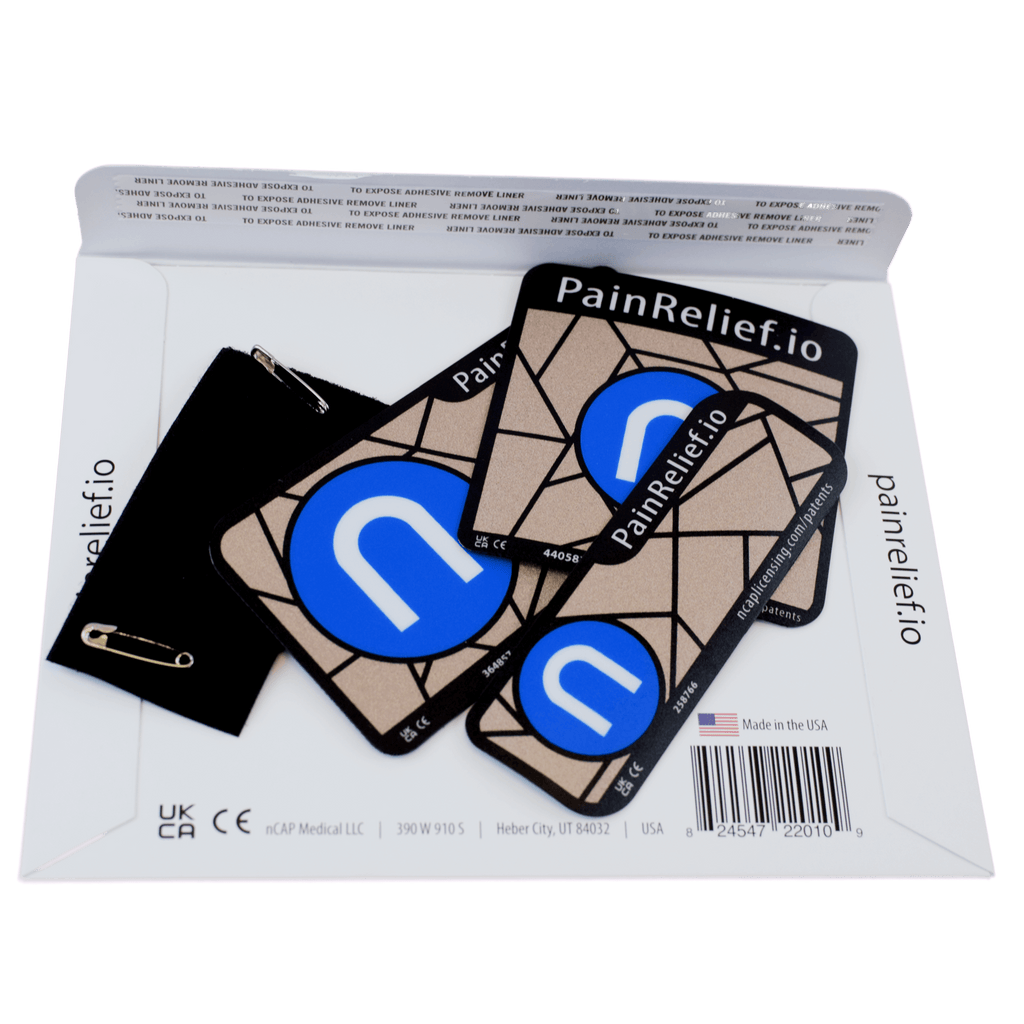
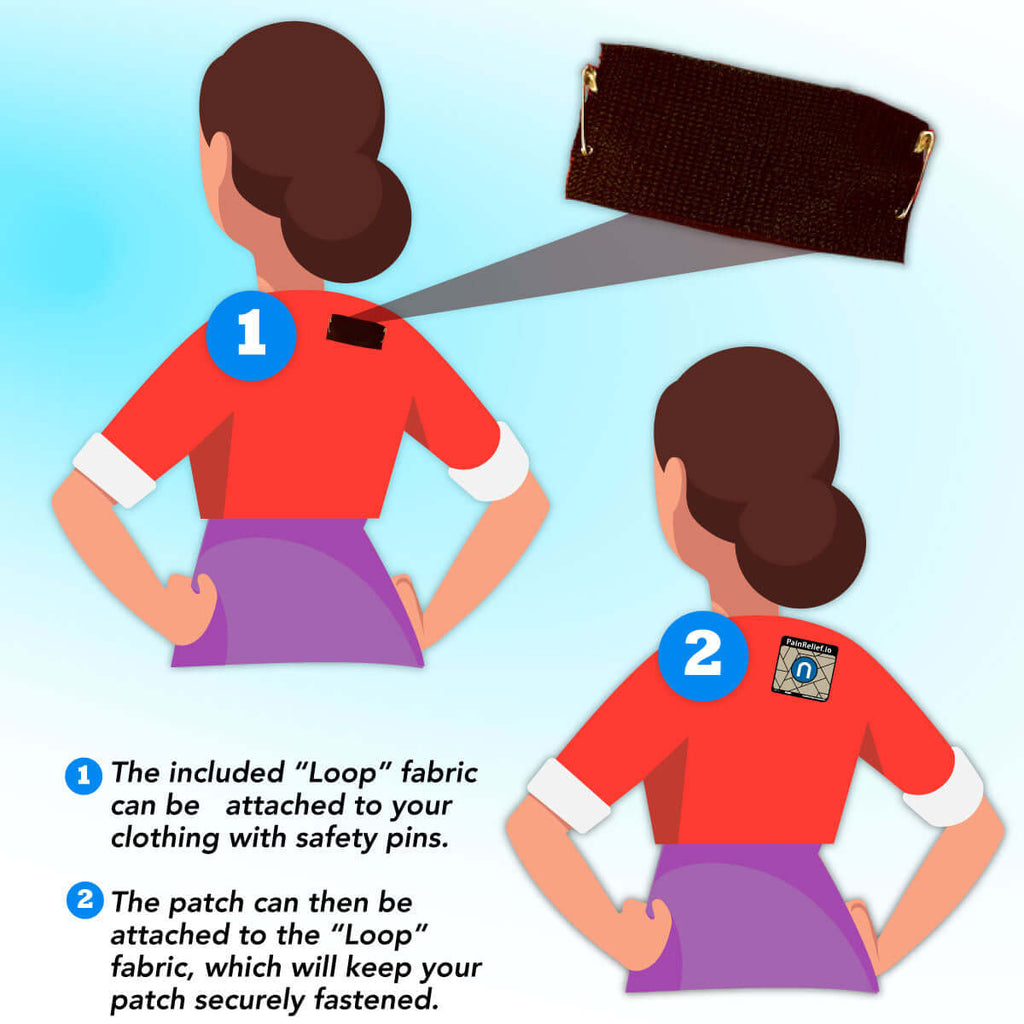
PainRelief.io® speaks to that need by focusing on reusable, drug-free pain relief designed for everyday wearability. That kind of approach will not replace medical care for CRPS, but it fits the larger goal many chronic pain patients share - finding safe, simple ways to support comfort and reduce the feeling that pain is running the entire day.
If you know someone with CRPS, belief is a good place to start. You do not need to fully understand the mechanics of the condition to understand that the pain is real. Avoid pushing the idea that they just need to ignore it, tough it out, or move more aggressively than they can handle.
Helpful support is usually practical. Ask what makes flare-ups worse. Be flexible with plans. Understand that tolerance for touch, temperature, travel, or activity may change from day to day. Small adjustments can make a big difference.
For patients, self-advocacy matters too. Keeping notes on symptoms, triggers, and responses to treatments can help make appointments more productive. It can also help identify patterns that are easy to miss when every day feels different.
The biggest impact often happens in the gap between symptoms starting and support beginning. When people know that ongoing burning pain, unusual sensitivity, swelling, temperature changes, or skin changes are worth discussing, they are less likely to dismiss what they are experiencing. When clinicians, caregivers, and employers understand that CRPS can affect function far beyond the original injury, patients are less likely to feel invisible.
Awareness does not solve CRPS on its own. But it reduces delay, confusion, and isolation. And for a condition that can make the body feel unpredictable, being seen and understood is not a small thing.
If you are living with symptoms that sound familiar, or supporting someone who is, the goal is not to chase a perfect routine right away. It is to keep asking better questions, seek informed care, and build a pain management approach that supports both comfort and daily life.