

A headache rarely shows up at a convenient time. It hits during work, while driving, halfway through a workout, or right when you need to sleep. That is why so many people search for the best wellness devices for headache support - not because they want another gadget, but because they want something practical they can use without reaching for medication every time.
The good news is that headache support devices have improved. The category is no longer limited to bulky ice packs or one-note massagers. Today, there are wearable, reusable, and more targeted options that fit different types of discomfort, from tension across the forehead to pain that starts in the neck and travels upward. The harder part is knowing which type makes sense for your situation.
A useful device does more than feel good for five minutes. It should match the pattern of your pain, be easy enough to use when your head is already pounding, and support repeated use without creating more hassle.
For some people, that means cooling pressure around the temples. For others, it means reducing neck and shoulder tension that may be feeding the headache in the first place. And for people who deal with recurring headaches or migraines, convenience matters a lot. If a device is too complicated, too loud, too tight, or needs constant charging, it often ends up in a drawer.
That is why the best option depends on where your pain starts, how often it happens, and whether you want fast situational comfort or something you can work into your regular routine.
Cooling wraps are still one of the most popular choices for a reason. Cold can feel especially helpful when your head feels hot, inflamed, or overstimulated. A wrap that covers the forehead, temples, and sometimes the eyes can create gentle compression at the same time, which many users find calming.
These work well for people who want quick, passive support. You put one on, lie down, and let it do its job. The trade-off is that cooling relief is usually temporary. Once the wrap warms up, the effect fades. Some wraps also feel too cold at first or put pressure on the eyes that not everyone likes.
If your headaches are occasional and you want something simple, this category makes sense. If your headaches are frequent, you may want something reusable throughout the day without repeated trips to the freezer.
A large share of headaches do not stay neatly in the head. They build from tight shoulders, stiff neck muscles, jaw clenching, or long hours at a screen. In those cases, a heated neck wrap or heated shoulder device can be more useful than anything placed directly on the forehead.
Heat tends to help when tension is the main issue. It can encourage muscles to relax and may feel especially good late in the day or before bed. The limitation is portability. Many heated devices are bulky, plug-in, or battery-dependent, which can make them less practical at work or on the go.
They also are not ideal for everyone. If heat tends to worsen your symptoms, or if your headaches feel more inflammatory than muscular, cooling or non-thermal support may be a better fit.
Acupressure-inspired wearables are designed to apply targeted pressure to points associated with headache and migraine support. Some are simple bands worn on the wrist, while others are more specialized devices meant for certain trigger areas.
The appeal here is portability. These devices are small, easy to keep in a bag, and generally low effort. They can be useful for people who want drug-free support during a commute, at a desk, or while traveling.
Results can vary widely, though. Acupressure is very individual. One person may feel clear relief from pressure on a specific point, while another notices very little. Fit also matters. If the device slides around or presses the wrong area, it may not do much.
Massaging devices for the forehead, scalp, or temples aim to reduce perceived tension through vibration, kneading, or gentle pulsation. For some people, this feels relaxing and can interrupt that building sense of pressure before it gets worse.
These are often best for tension-related headaches rather than severe migraine episodes, when sound, touch, or motion may be too much. A massager that feels pleasant on a mild headache day can feel intolerable during a more intense attack.
Noise is another factor people underestimate. If you are sensitive to sound when you have a headache, even a modest motor can become irritating fast.
Light-based wellness devices are getting more attention for pain support in general, including headaches. Depending on the product, they may use red light, near-infrared light, or other forms of light therapy aimed at comfort and recovery.
This category can be appealing for people who like tech-forward wellness tools and want a noninvasive option. But it is also a category where expectations should stay realistic. Not every light device is built specifically for headaches, and treatment times, placement, and consistency matter.
There is also a simple practical issue. If light sensitivity is part of your headache pattern, some devices may be less comfortable to use in the moment, even if they are helpful for other pain areas.
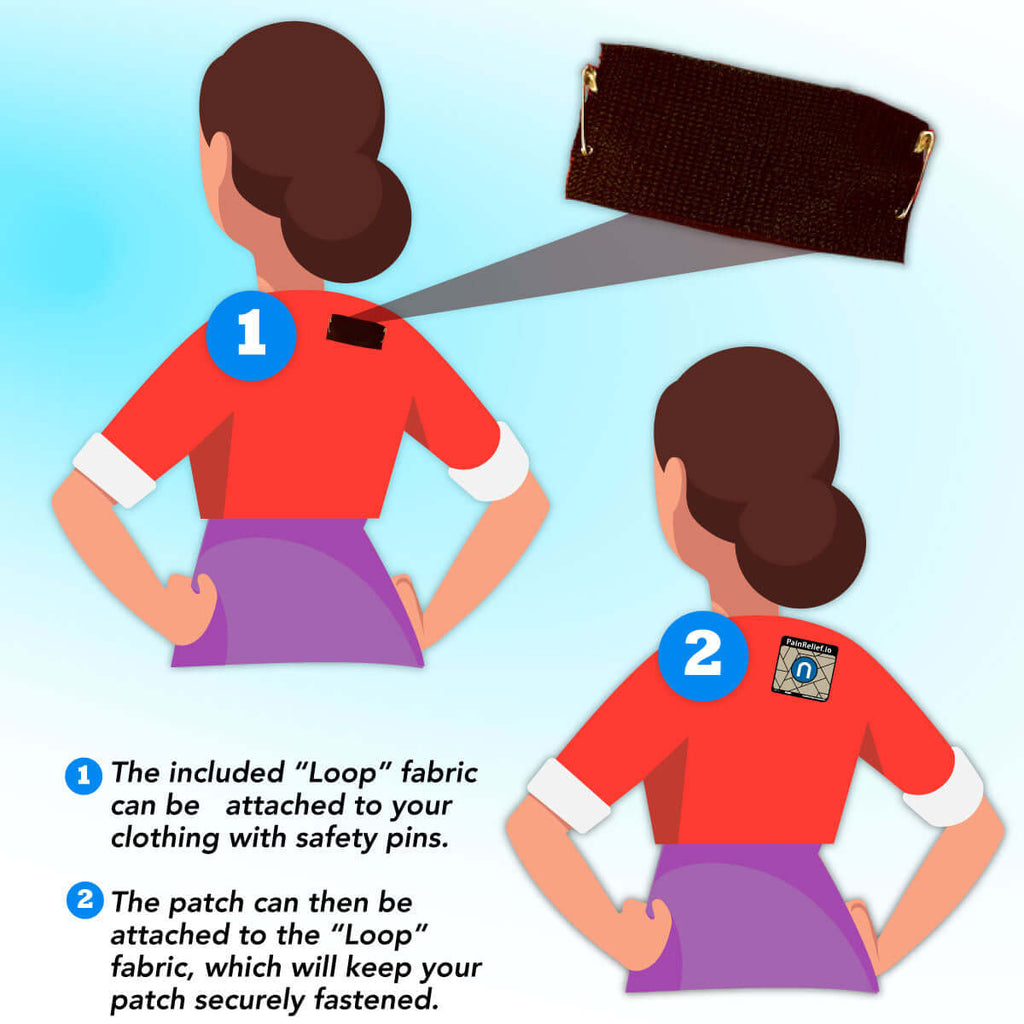
This category is especially relevant for people who want something reusable, simple, and easy to wear during normal life. Rather than using heat, cold, vibration, or medication, these devices are designed to interact with the body’s bioelectrical environment through specialized materials and construction.
For headache support, that matters because head pain is not always just about the head. Pain can involve nerve signaling, tension patterns, referred discomfort from the jaw or neck, and recurring irritation in the same regions. A wearable device that can be placed strategically near the temples, upper neck, or surrounding tension areas may offer a more flexible form of support than a single-purpose wrap.
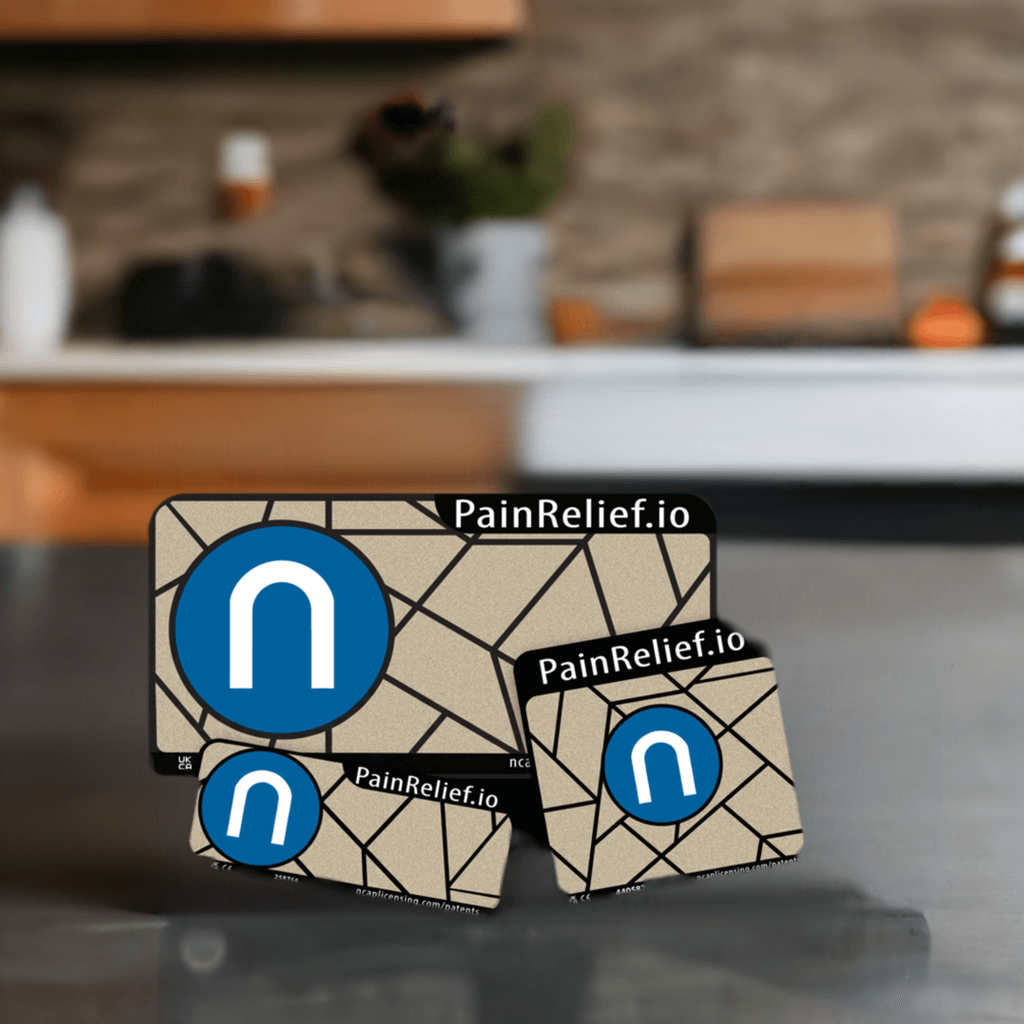
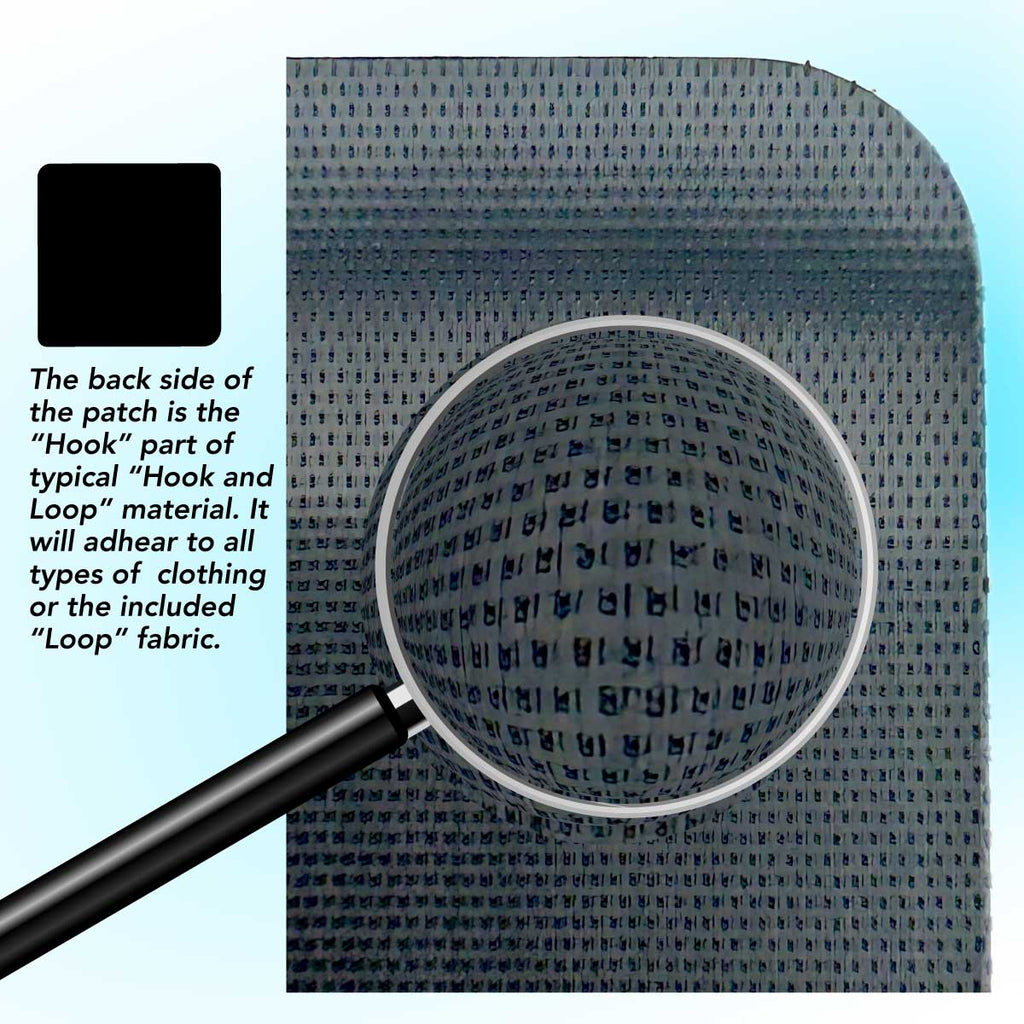
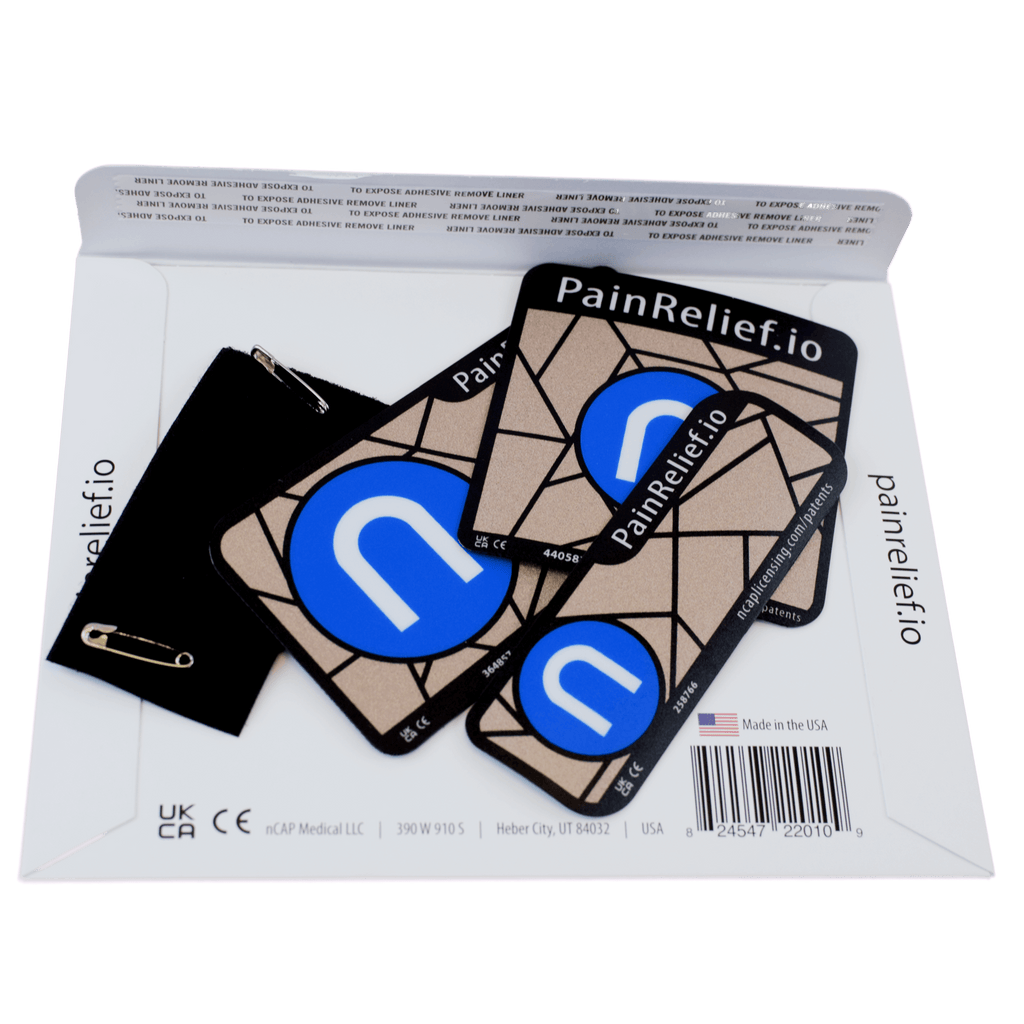
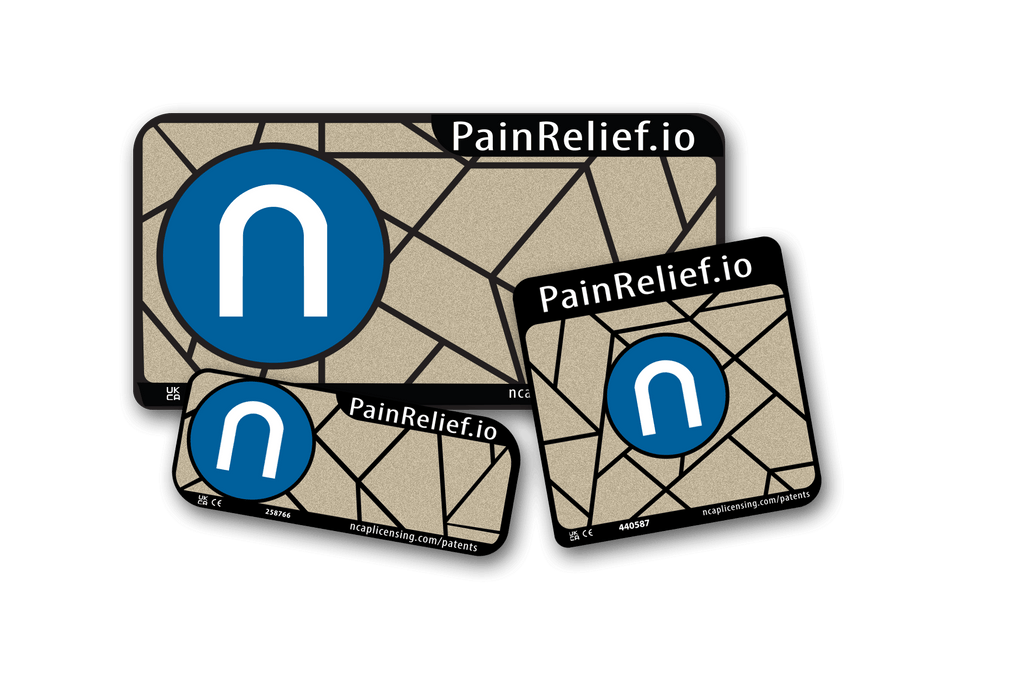
PainRelief.io® takes this approach with reusable, battery-free devices powered by patented NeuroCuple® nanocapacitive technology. The practical advantage is straightforward: no charging, no cords, no creams, and no disposable use cycle. For people trying to reduce reliance on pills or short-term topical solutions, that kind of simplicity matters.
This option is not about creating a dramatic hot or cold sensation. If that immediate sensory feeling is what you want most, another device type may feel more satisfying. But if your goal is low-maintenance, repeatable, drug-free support that fits daily use, this category deserves a close look.
Some people need more than one angle. A headache may start with jaw tension, spread through the temples, and settle into the neck. In that case, a single-point device may not fully address the pattern.
Combination tools, or systems that let you support more than one area, can be more useful than highly specialized products. This is particularly true for recurring tension headaches, TMJ-related discomfort, and headaches linked to posture strain.
The trade-off is cost and complexity. Multi-area support can be more effective, but only if you actually use it consistently and understand where your pain tends to originate.
Start with the source of the pain, not just the location. If your headache is mostly forehead pressure, cooling compression may help. If it follows a day of desk work and your shoulders feel like concrete, neck-focused support may make more sense. If your headaches are recurrent and you want something you can use often without medication, reusable wearables are usually more practical than one-time comfort tools.
Comfort is not a small detail. A device can have great features and still fail if it feels too heavy, too tight, too bright, or too noisy when you are already sensitive. The best device is the one you will actually use during a real headache, not the one that sounds impressive on paper.
It also helps to think in terms of lifestyle. Do you want support only at home, or something you can wear while working, walking, or resting? Are you looking for immediate soothing sensation, or longer-term drug-free support you can return to again and again? Those answers narrow the field quickly.
The biggest mistake people make is expecting one device to solve every kind of headache. Headaches have different drivers. Tension, posture, jaw strain, overstimulation, poor sleep, and recurring migraine patterns can all show up differently. The best wellness choice is often the one that fits your specific pattern and your willingness to use it consistently.
If you are building a drug-free headache routine, reusable devices usually offer the most value over time. They reduce the cycle of single-use products, and they are easier to keep close when symptoms return. That does not mean every reusable device is right for you. It means the right one should feel simple, targeted, and realistic for everyday life.
A helpful headache device should give you more control, not another complicated routine. When it fits your body, your triggers, and your day-to-day habits, support becomes much easier to stick with.