

A sore lower back can turn ordinary tasks into a negotiation. Sitting gets uncomfortable, standing too long starts to ache, and bending to pick something up can feel like a bad idea. That is usually when people start looking at back patches for pain - not because they want another complicated routine, but because they want something simple they can put on and get on with their day.
The catch is that not all patches work the same way, and not all back pain is the same. Some people are dealing with muscle strain after a workout or yard work. Others have recurring stiffness from long hours at a desk, nerve irritation, or chronic pain that keeps cycling back. If you understand what a patch is actually designed to do, it gets much easier to choose the right kind of relief.
When people say "pain patch," they may be talking about very different products. Some patches rely on ingredients that absorb through the skin. Some are essentially warming or cooling patches that create a sensation shift. Others are wearable devices or patch-like products designed to interact with the body's signals without drugs, mess, or batteries.
That difference matters because back pain has different drivers. If your pain is mostly muscular tension, a warming sensation may feel helpful for a while. If your back flares up often and you are trying to avoid constant reapplication of creams or repeated use of over-the-counter medication, a reusable drug-free option may make more sense. If pain seems deeper, more stubborn, or linked to posture, overuse, or nerve sensitivity, short-term sensory relief may not be enough on its own.
A good first question is not "What is the strongest patch?" It is "What kind of relief am I actually looking for?" Fast cooling? Temporary heat? Medication-free support you can use repeatedly? Convenience for work, travel, or sleep? The best answer depends on the pattern of your pain, not just the intensity.
Medicated patches are one of the most familiar options. These use active ingredients such as lidocaine or menthol to numb or distract from discomfort. They can be useful when you want straightforward, temporary relief and are comfortable using topical actives. The trade-off is that they are usually disposable, can irritate sensitive skin, and may not be ideal if you are trying to reduce dependence on medication-based solutions.
Heat patches are popular for stiffness and muscle tightness. Many people like them because warmth can help the back feel looser, especially first thing in the morning or after a long day. But they have limits. Heat does not address every type of pain, and disposable heat wraps can become expensive if back pain is a regular issue.
Cooling patches create a different kind of relief. They do not necessarily reduce the cause of pain, but they can change how the area feels and provide a temporary break from the discomfort. Some people love that effect. Others find it fades too quickly or does not help enough with deeper back pain.
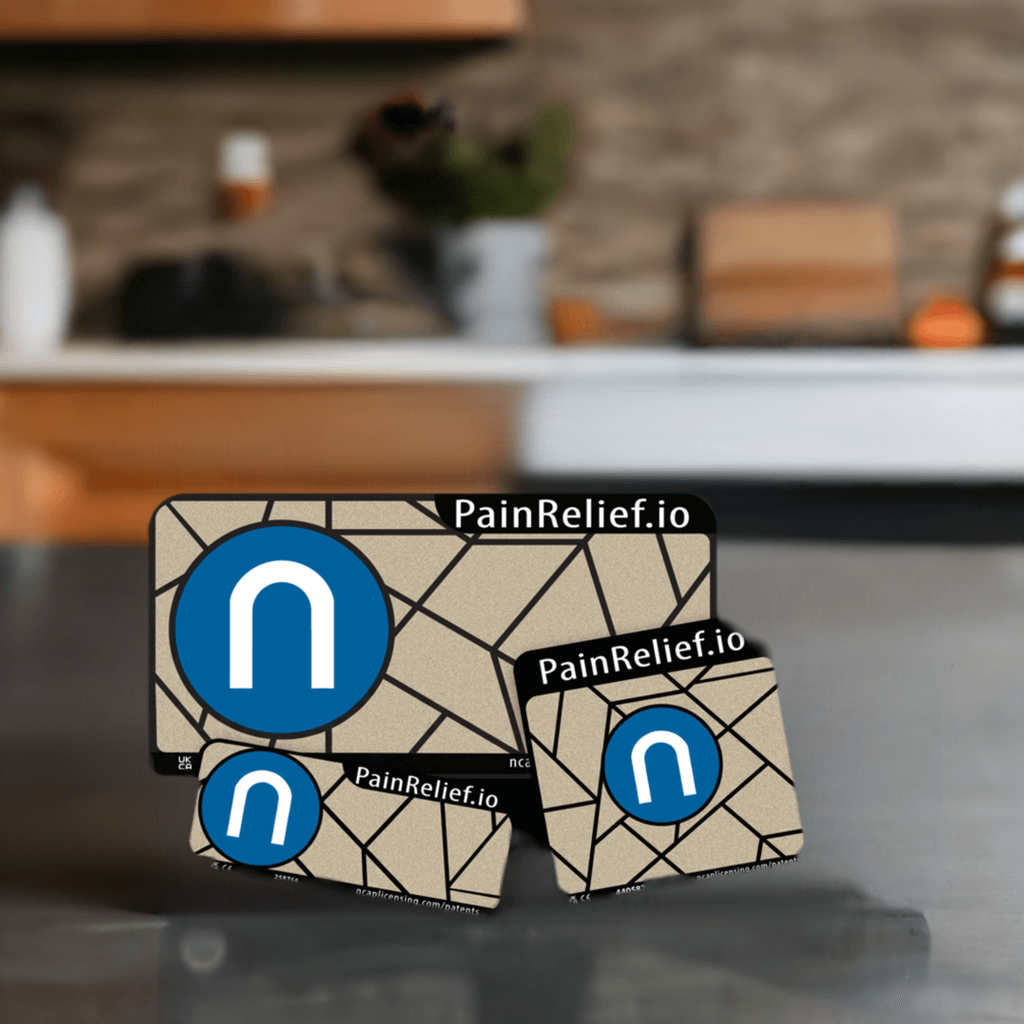
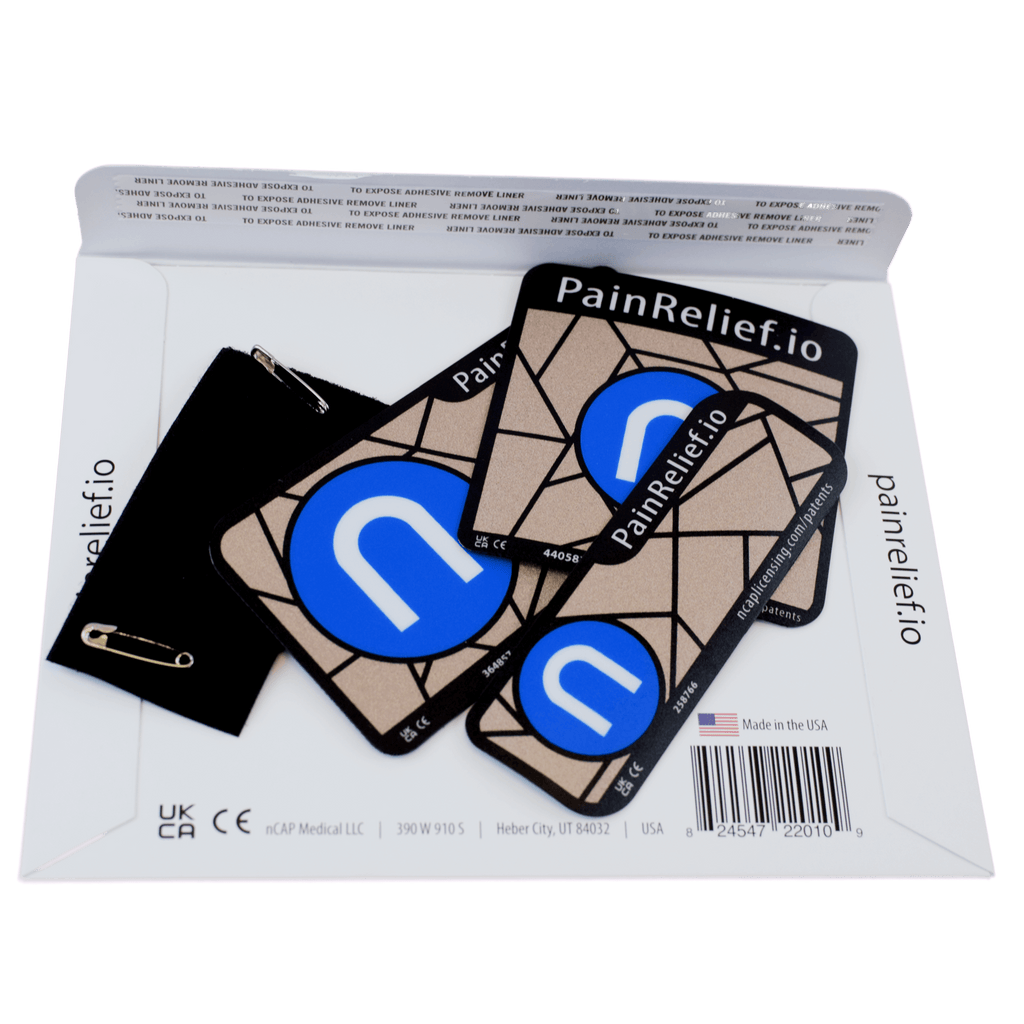
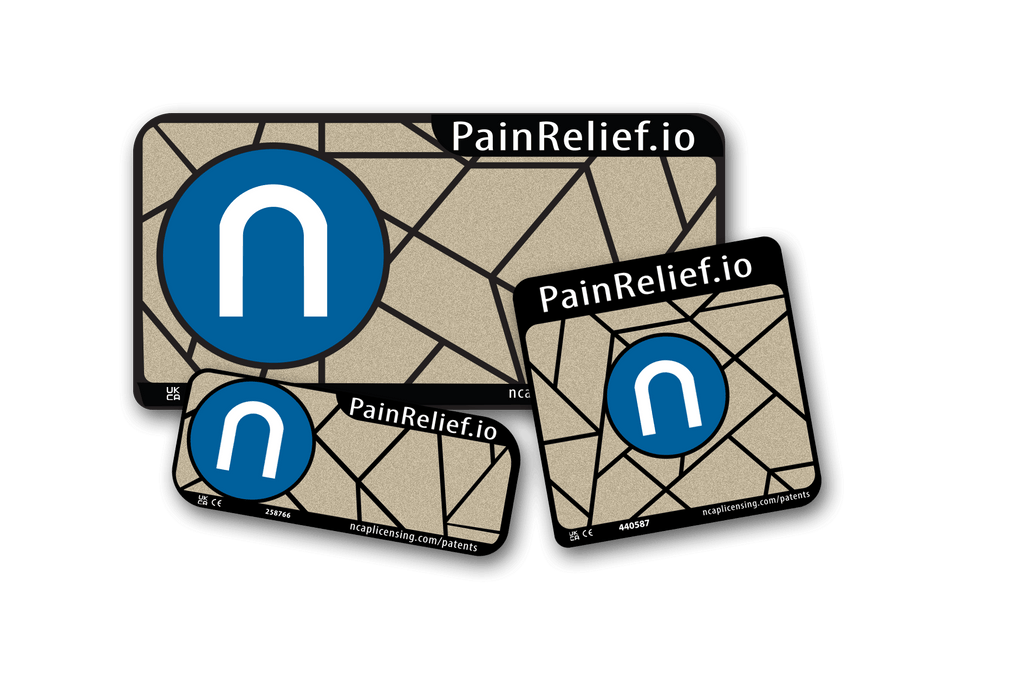
Then there are reusable, drug-free patch alternatives. These are designed for people who want a noninvasive option they can wear without creams, pills, cords, or batteries. This category is especially appealing to chronic pain sufferers and wellness-minded shoppers who want something practical for repeated use. PainRelief.io® focuses on this approach with reusable wearable devices powered by patented NeuroCuple® nanocapacitive technology, created to support pain relief without drugs or topical ingredients.
Back pain gets lumped into one category, but that is where people often get frustrated. A patch that feels great on post-workout soreness may do very little for recurring low back pain from long periods of sitting. Likewise, a product that helps with localized tension may not do enough for broader stiffness across the lower back.
If your pain started after lifting, twisting, or overdoing it, you may be dealing with a muscle strain. In that case, patches that create warmth or targeted relief can be useful, especially in the first few days when you are trying to stay comfortable without overcomplicating recovery.
If your back hurts regularly, especially in the same area, it may be less about one event and more about repetition. Posture, prolonged sitting, weak support muscles, previous injuries, and nerve sensitivity can all play a role. In these cases, convenience starts to matter just as much as relief. If a solution is messy, single-use, or hard to wear during normal life, people often stop using it consistently.
That is one reason reusable wearable options stand out. They are built for real life, not just a one-time flare-up. For many people, the value is not only whether a product helps in the moment, but whether it fits into a long-term routine they can actually maintain.
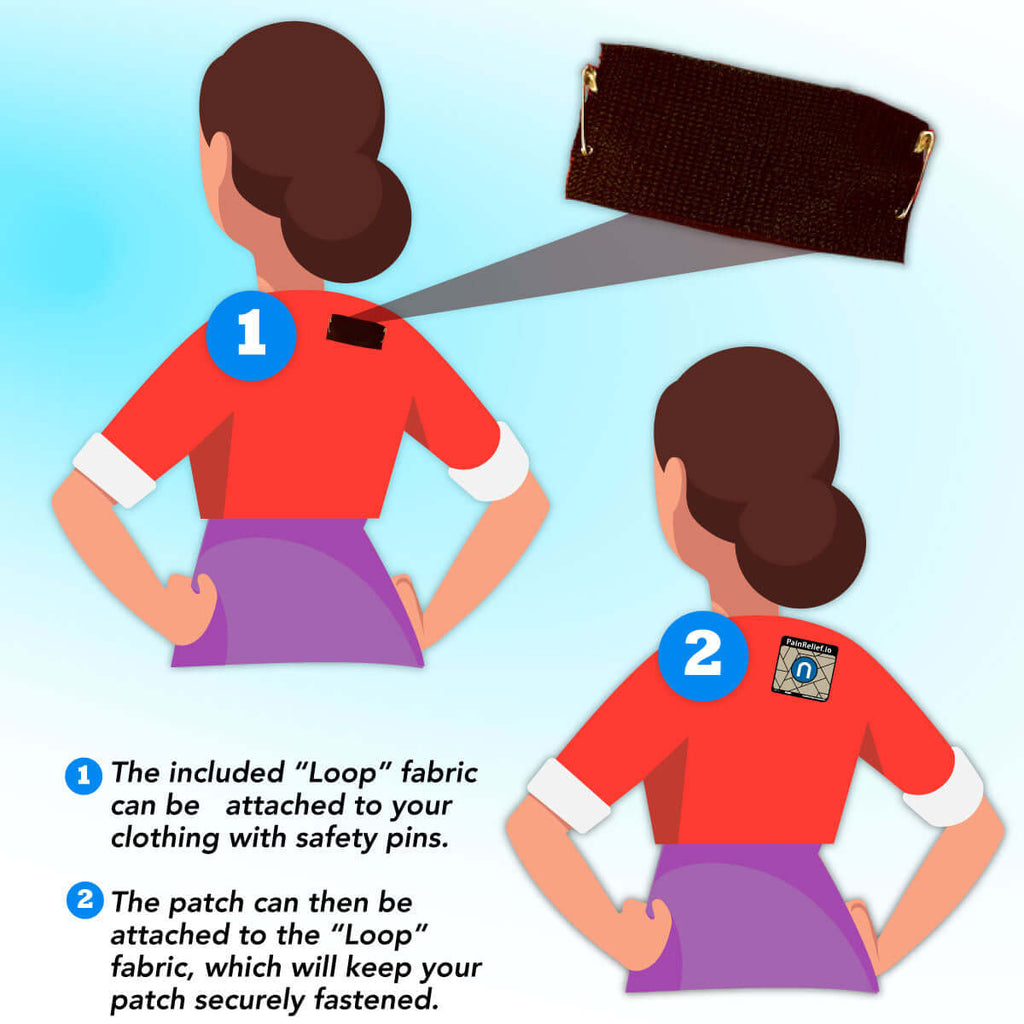
Fit is a bigger deal than most shoppers expect. The back is a large, high-movement area, and a tiny patch may not cover enough of the problem spot. On the other hand, something too bulky may peel up, bunch under clothing, or feel annoying if you are walking, driving, or working. Size and placement flexibility matter, especially for lower back pain.
Reusability is another major factor. Disposable patches can seem inexpensive at first, but if you use them several times a week, the cost adds up quickly. A reusable option changes that math. It also reduces the hassle of keeping a steady supply on hand.
Comfort matters too. If a patch leaves residue, has a strong smell, or causes skin sensitivity, it tends to become a short-term experiment rather than a lasting solution. This is especially relevant for people with chronic pain, because they are not looking for a novelty. They are looking for something they can trust and use again and again.
You should also think about what you are trying to avoid. Many shoppers searching for back patches for pain are not just asking what works. They are also asking what helps without pills, without frequent reapplication, or without side effects they do not want to manage.
Patches can be a smart option for mild to moderate discomfort, recurring tension, soreness after activity, and daily pain management when you want something easy and noninvasive. They are especially useful for people who want targeted relief instead of taking something that affects the whole body.
But there are limits. If your back pain comes with numbness, weakness, shooting pain down the leg, fever, loss of bladder or bowel control, or pain after a serious fall or accident, a patch is not the main issue. Those symptoms need medical attention. The same goes for pain that keeps worsening or does not improve at all.
There is also an "it depends" category. If your pain is tied closely to movement habits, sleep position, poor workstation setup, or repeated overuse, a patch may help you feel better, but it works best alongside practical changes. Relief and prevention are not always the same thing.
Placement is everything. A patch needs to be positioned where the discomfort actually starts or concentrates, not just where pain seems to spread. For lower back pain, that often means centering the product over the sore area rather than placing it too high.
Consistency matters more than people think. If a product is designed for ongoing use, wearing it regularly during the times your pain tends to flare can make more sense than waiting until discomfort becomes intense. For many people, that means using it during work hours, while commuting, or during routine activities that usually trigger soreness.
It also helps to be honest about your goal. If you expect any patch to permanently fix back pain caused by years of strain or repetitive habits, disappointment is likely. If you want a simple, targeted way to reduce day-to-day discomfort and rely less on temporary, disposable options, the right patch can be genuinely useful.
Back pain has a way of making people feel like relief has to be complicated or expensive. It does not. The better approach is usually simpler: choose a patch that matches the kind of pain you have, fits how often you need relief, and supports the way you actually live.