

Drug-Free • Reusable for Years • 137-Day Money-Back Guarantee
A sore knee can change the shape of an ordinary day — stairs become a calculation, a walk feels shorter than it should, and getting up from a chair may come with a familiar wince. Understanding what's actually going on in your knee makes it much easier to know what will help, versus what's just adding noise.
Your knee is the largest joint in your body, made up of the thighbone (femur), shinbone (tibia), kneecap (patella), and the tendons, ligaments, and cartilage that hold everything together. Two bones in the lower leg — the tibia and fibula — anchor the ligaments on the outside of the joint that manage side-to-side movement, while two additional ligaments inside the knee connect the femur and tibia to control forward-and-backward motion. The patella sits at the front, attached by tendons to the thigh muscles, allowing the knee to straighten. Cartilage covers the ends of the femur and tibia, cushioning the joint so it can move smoothly. When all of these parts work together, the knee moves easily and without pain — when one is strained or injured, that's when discomfort shows up.
Knee problems and injuries most often occur during sports, work-related tasks, or home projects, and can stem from muscle strain, tendinitis, or more serious injury to ligaments and cartilage.
A sudden pop, major swelling, or inability to bear weight points to a different level of concern than the ache that follows a long hike or a new workout — the pattern of your pain matters as much as the pain itself.
For a fresh flare-up, reduce the activities that clearly aggravate symptoms — that might mean pausing deep squats, running, jumping, kneeling, or repeated stairs for a few days. It doesn't mean staying on the couch entirely; complete rest can leave the muscles around the knee less prepared to handle everyday load.
Choose lower-impact movement that feels manageable: flat, easy walking, a stationary bike with minimal resistance, gentle pool exercise, or simple range-of-motion work all help maintain circulation and reduce stiffness. A useful rule of thumb — mild, temporary discomfort can be acceptable during recovery, but sharp pain, giving way, catching, or worsening swelling are signals to stop and reassess.
Small everyday adjustments add up too: use a handrail on stairs, break up long periods of sitting by standing and moving every 30 to 60 minutes, and keep anything you're lifting close to your body while avoiding twisting on a planted foot. Supportive shoes can make a noticeable difference, especially if hard floors or worn-out footwear leave your knees aching by the end of the day.
Cold therapy can help after a recent flare-up or activity-related swelling — apply a wrapped cold pack for short periods rather than placing ice directly on skin. Heat may feel better for stiffness and muscle tightness, especially before gentle movement. Let your symptoms guide the choice: swelling and heat in the joint often respond better to cold, while a stiff, achy knee may respond well to warmth.
PainRelief.io® devices use patented NeuroCuple® nanocapacitive technology in a lightweight, reusable format designed to support the body's bioelectrical environment — without pills, topical creams, or single-use patches. For knee use, placement around the area of discomfort can provide a practical layer of relief while you move through work, errands, or daily activity. It's not a replacement for addressing the underlying cause, but it can make the day-to-day distraction of pain easier to manage while you do.
See PainRelief.io® for Knee Pain → — backed by a 137-day money-back guarantee.
Seek prompt medical evaluation after a significant fall or twist, if you cannot bear weight, if the knee looks deformed, or if it locks and cannot fully bend or straighten. Also contact a healthcare professional for severe swelling, redness or warmth with fever, new calf swelling, numbness, repeated giving way, or pain that continues to worsen despite reducing activity. For pain that has lingered several weeks, a clinician or physical therapist can help identify the likely source and guide safe next steps.
Looking for the right patch, brace, or wearable for your knee? See our complete buying guide. Recovering from a flare-up or injury and want to safely get back to movement? Read Drug-Free Knee Recovery: Getting Back to Movement Safely.
This article is provided for general educational purposes and is not a substitute for professional medical advice, diagnosis, or treatment. Seek medical care for severe, persistent, unusual, or worsening symptoms.
Search
About Us
Terms of Service
Refund Policy
Contact Us
Protect my personal information
Affiliates: Join or Log In
Clinical
Where to Buy
Government Procurement
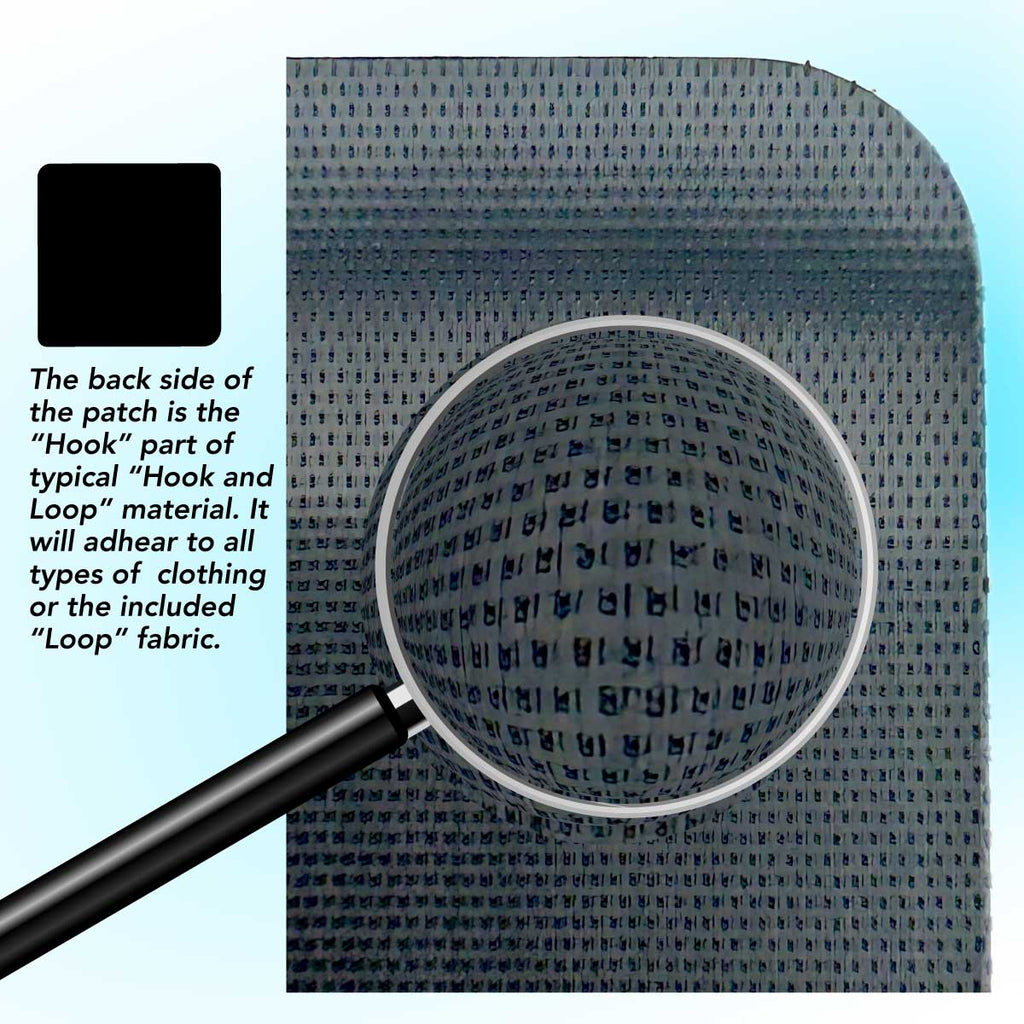
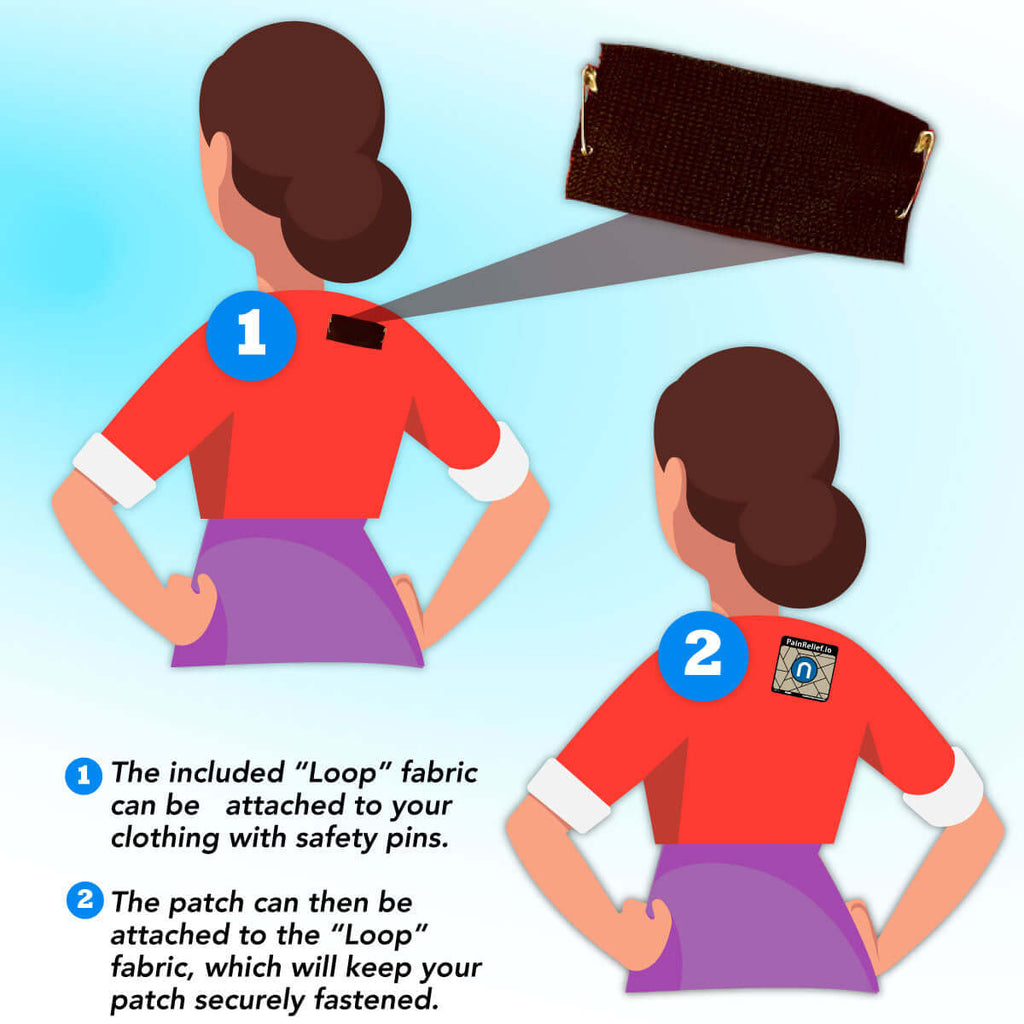
PainRelief.io® devices are designed to be simple to use. Just place the device near the area of discomfort and adjust as needed to find the position that feels most effective.
Each device is thin, reusable, wearable, and easy to use — with no batteries, no wires, no creams, and no drugs.
Inside each device is our patented NeuroCuple® layer, sealed between two durable waterproof layers. This technology is designed to work with your body’s natural bioelectrical environment in a simple, non-invasive way.
Some users report sensations such as warmth, cooling, or tingling during use, while others feel little or nothing at all.
PainRelief.io® devices are intended as general wellness products designed to support comfort, physical activity, and everyday function.