

Drug-Free • Reusable for Years • 137-Day Money-Back Guarantee
A sore jaw can make ordinary moments feel like work. Chewing lunch, speaking in a meeting, yawning, or even resting your face on a pillow may trigger a sharp ache, pressure near the ear, or tension that spreads into the neck and temples. This guide can help you narrow down what may be irritating the area, choose sensible at-home support, and recognize symptoms that shouldn't wait.
The jaw is more than a hinge — it involves the temporomandibular joints (TMJs), along with muscles, teeth, nerves, ligaments, and nearby structures in the ears, sinuses, and neck. Discomfort from one area can easily be felt somewhere else: a tight neck may contribute to jaw tension, while a tooth problem can feel like pain in the jaw joint itself. Pain can also become a cycle — you clench because your jaw hurts or feels tense, then the repeated clenching adds more strain to already sensitive muscles.
Temporomandibular disorder (TMD), often just called TMJ pain, is a broad term for problems involving the jaw joints and surrounding muscles. It may develop after frequent clenching, a change in bite, prolonged chewing, stress, or irritation to the joint itself. Some people notice clicking or popping; others have no sound at all, just tenderness in front of the ear, a tired jaw, headaches, or trouble opening wide. A clicking jaw isn't automatically a serious problem — many joints make noise without damage or pain — but clicking accompanied by pain, limited opening, or episodes where the jaw catches or locks deserves an examination.
Bruxism means grinding or clenching the teeth. It often happens during sleep, but many people also clench while concentrating, driving, exercising, or dealing with stress. You may not notice it until you wake with a tight jaw, sore temples, tooth sensitivity, or a dull headache. A night guard may be appropriate for some people, especially when a dentist sees signs of tooth wear.
A cracked tooth, cavity, gum infection, abscess, or an impacted wisdom tooth can all produce jaw pain. Dental pain is often more localized than muscle tension, though it can radiate — it may worsen with hot, cold, or sweet foods, biting pressure, or lying down. Swelling, a bad taste in the mouth, fever, or drainage can point to infection and should be addressed promptly. Don't assume a painful jaw is simply stress if a specific tooth is sensitive or your gums are swollen — dental infections don't reliably resolve with home care.
Jaw pain can start after a blow to the face, a fall, dental work that required holding the mouth open for a long time, or an extended stretch of chewing gum, jerky, bagels, or other tough foods. Even yawning widely can strain an already irritated joint. Short-term modification is usually more realistic than avoiding jaw use altogether — softer foods, smaller bites, and not repeatedly testing how far the joint will open.
The jaw, temples, shoulders, and upper neck often share the workload. Hours leaning toward a screen, holding a phone between shoulder and ear, or working with the head pushed forward can increase muscle tension around the face and jaw. Tension-type headaches may add aching across the temples or forehead, making it hard to tell where the problem began. More than one factor can be active at the same time.
Because the jaw sits close to the ears and sinuses, an ear infection, sinus pressure, or congestion can sometimes be felt as jaw discomfort. Nerve-related pain can be brief, electric, burning, or unusually sensitive to light touch. Arthritis and other inflammatory joint conditions can also affect the TMJ, particularly when morning stiffness or pain in other joints is present.
Rarely, jaw pain can be referred from the heart. New jaw pain with chest pressure, shortness of breath, nausea, sweating, dizziness, or pain spreading to the arm, back, or shoulder is an emergency — call 911 rather than driving yourself to get care.
A few days of simple observation can give you and your clinician useful information. Notice when the pain is strongest — on waking, during meals, after computer work, or during stressful moments. Pay attention to whether it feels muscular and achy, tooth-specific, joint-centered near the ear, or sharp and electric. Also look for patterns: headaches, tooth sensitivity, jaw noises, popping, reduced opening, ear fullness, or neck stiffness. A quick note in your phone is enough — clear patterns can make the next step less guesswork-driven.
For mild jaw muscle or TMJ-related discomfort, reducing the load on the area is often the starting point. For several days, choose foods that don't require aggressive chewing and skip gum, chewy candy, and very large bites. Keep your teeth slightly apart when you're not eating. Warmth may relax tight muscles for some people, while a cool pack may feel better after a flare-up or injury — use either for short periods with a cloth barrier to protect the skin.
Gentle relaxation can interrupt daytime clenching too. Let the tongue rest lightly on the roof of the mouth behind the front teeth, then allow the jaw to hang loose. Pair that reset with slow breathing or a brief shoulder and neck break. If a movement creates sharp pain, catching, or locking, stop rather than stretching harder.
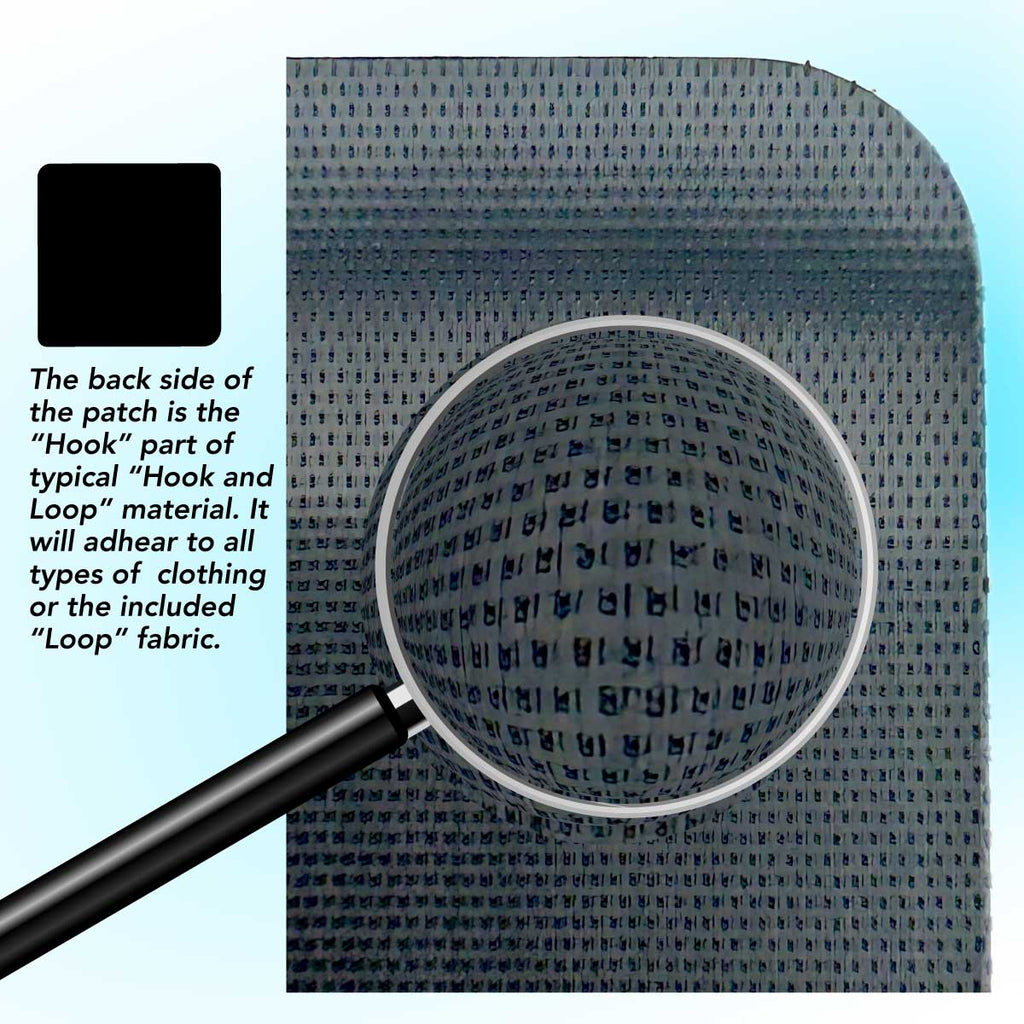
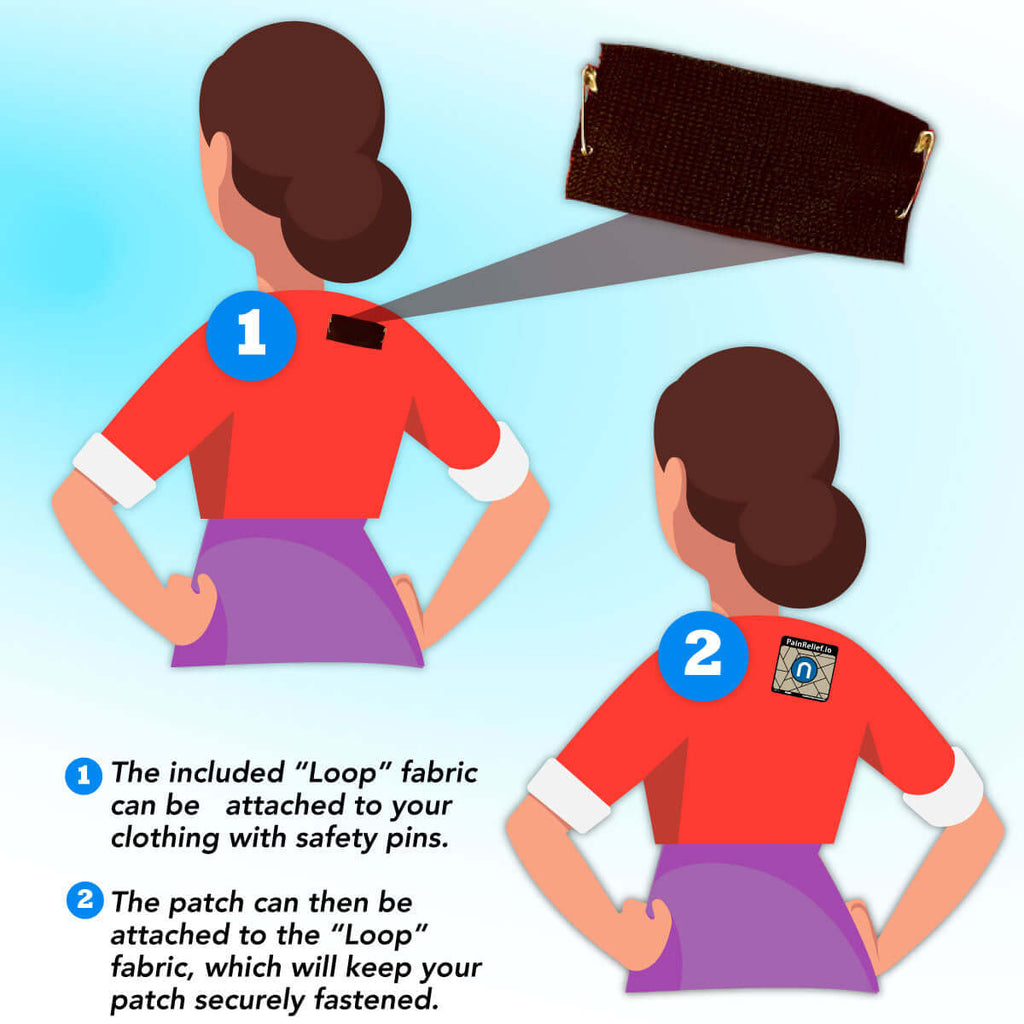
A reusable, wearable drug-free option may fit into a broader routine for managing recurring muscle and joint discomfort without relying on pills or messy topical products. PainRelief.io® devices use patented NeuroCuple® nanocapacitive technology and are designed for targeted, battery-free wear — for jaw-area use, follow product placement guidance carefully and avoid placing any wearable device over broken, irritated, or infected skin.
Explore PainRelief.io® Wearables → — backed by a 137-day money-back guarantee.
At-home support has limits — it can make daily life more manageable, but it can't repair a fractured jaw, treat an abscess, or replace evaluation for persistent locking or major bite changes.
Schedule a dentist or healthcare professional if jaw pain lasts more than a week or two, keeps returning, interferes with eating or sleep, or is getting worse despite reducing strain. A dentist is often the right first call when tooth pain, gum swelling, tooth sensitivity, or suspected grinding is part of the picture. A clinician, TMJ-focused dentist, physical therapist, or oral and maxillofacial specialist may help when the primary concern is joint function, injury, or persistent muscle pain.
Seek urgent care for significant facial swelling, fever, difficulty swallowing or breathing, uncontrolled bleeding, a jaw that is visibly out of alignment, inability to open or close the mouth, or suspected fracture after an injury. And again, call 911 for jaw pain occurring with possible heart-attack symptoms.
Jaw pain is frustrating because it can follow you through meals, conversations, sleep, and work. Start by easing the strain you can control, pay attention to the pattern, and get the right kind of help when the symptoms point beyond everyday tension.
Looking for natural, at-home strategies to reduce jaw tension day to day? Read How to Reduce Jaw Tension and Calm TMJ Flare-Ups Naturally. Considering a wearable device for recurring discomfort? See our complete TMJ and jaw pain relief buying guide.
This article is provided for general educational purposes and is not a substitute for professional medical advice, diagnosis, or treatment. Seek medical care for severe, persistent, unusual, or worsening symptoms.
Search
About Us
Terms of Service
Refund Policy
Contact Us
Protect my personal information
Affiliates: Join or Log In
Clinical
Where to Buy
Government Procurement
PainRelief.io® devices are designed to be simple to use. Just place the device near the area of discomfort and adjust as needed to find the position that feels most effective.
Each device is thin, reusable, wearable, and easy to use — with no batteries, no wires, no creams, and no drugs.
Inside each device is our patented NeuroCuple® layer, sealed between two durable waterproof layers. This technology is designed to work with your body’s natural bioelectrical environment in a simple, non-invasive way.
Some users report sensations such as warmth, cooling, or tingling during use, while others feel little or nothing at all.
PainRelief.io® devices are intended as general wellness products designed to support comfort, physical activity, and everyday function.