

Drug-Free • Reusable for Years • 137-Day Money-Back Guarantee
That sore band across your shoulder after a long workday, the tight calf that won't settle after a run, the lower back ache that keeps returning — this is usually when people start looking for a muscle pain relief patch. They want something simple and fast, without turning to another pill, messy cream, or bulky device.
That search makes sense, but muscle pain isn't always simple. Sometimes it's straightforward soreness after exercise or overuse. Sometimes it's tension from stress, posture, repetitive motion, or poor sleep. And sometimes what feels like muscle pain is mixed with joint irritation or nerve sensitivity nearby. That's exactly why one patch can feel helpful for one person and disappointing for another.
Most people use "muscle pain relief patch" to describe any stick-on product designed to ease soreness, tension, or discomfort in a specific area — you place it where it hurts, leave it on, and go about your day. But not all patches work the same way. Some rely on ingredients that create cooling or warming sensations. Others deliver medication through the skin. Some are disposable and meant for short-term use. Newer wearable options aim to support pain relief without drugs, heat, or chemicals at all — and the feeling of relief and the actual source of relief aren't always the same thing.
A patch can help, but it's worth understanding what you're actually managing. Muscle pain often returns because the trigger is still there — the way you sit, how you train, how often you lift, or how your body compensates for weakness or stiffness somewhere else. Tight neck and shoulder muscles are a good example: the pain shows up at the top of the shoulders, but the real issue may involve long hours at a desk or poor head position. If a patch only masks discomfort for a few hours, the pain returns as soon as the effect fades — that doesn't mean the product failed, it means the type of relief may not match the type of problem.
Common and easy to find — they create a sensation that can temporarily reduce awareness of pain. For mild soreness, that may be enough. If your pain is deeper or recurring in the same spot, the effect can feel limited, and some people find the sensation too strong or irritating to the skin.
These use active ingredients intended to reduce pain more directly. They can help in certain cases, but aren't the right fit for everyone — some people want to avoid repeated exposure to medication, especially for pain that flares often, and a patch that works once in a while is different from something you'd want to use regularly.
This category has grown because many people want relief without medication, topical ingredients, cords, batteries, or one-time-use products. PainRelief.io® centers this approach on patented NeuroCuple® nanocapacitive technology, designed to support the body's bioelectrical environment in the area where discomfort is happening. For people looking for a reusable option they can apply where pain tends to return, this can make more sense than a disposable patch that runs out after one use.
A patch is a practical option when pain is localized — shoulder knots, sore quads, a strained upper back, tight calves, a tender spot near the lower back. But there are limits: if pain is widespread, severe, or tied to a significant injury, a patch may only be one small piece of the picture. The same is true if pain comes with swelling, weakness, numbness, or loss of function — those situations call for more than symptom management.
Start with what you actually want: temporary sensation, medication, or a drug-free approach — that narrows the field quickly. Then consider how often your pain comes back. Occasional post-workout soreness might be fine with a simple disposable patch. Recurring neck tension, shoulder tightness, or muscle strain from work makes a reusable option more practical and cost-effective over time.
Wearability matters too. If a patch peels off, feels bulky, irritates your skin, or gets in the way of movement, you're less likely to keep using it — a good solution has to fit real life: sitting, walking, working, driving, sleeping, moving through your normal routine without becoming one more inconvenience.
Muscle pain isn't always centered exactly where you feel it most strongly. A sore shoulder may need coverage slightly above or behind the main pain point. Lower back discomfort may respond best when the patch is positioned across the area that gets tight during standing or bending. Calf and thigh soreness often involve longer muscle pathways, not just one tiny spot — which is why body-area-specific sizing matters: smaller pieces for focused trigger points, larger formats for the lower back or shoulder blade area.
Disposable patches are easy to try, but repeated use adds up. If pain is part of your weekly routine — from exercise, work, stress, or chronic tension — buying single-use products over and over becomes expensive and inconvenient. Reusable options are for people who don't want to build their pain routine around medication or constant repurchasing. If you only need help once in a while, simplicity may matter more than longevity — but if your pain is recurring, reusability becomes a real advantage.
Every PainRelief.io® device is backed by a 137-day money-back guarantee, giving you real time to test placement and fit before deciding.
Most muscle soreness improves with time, movement, and basic recovery habits. Seek medical care if pain is severe, comes with significant swelling, weakness, numbness, or loss of function, doesn't improve after a week or two, or follows a specific injury rather than general activity. Sharp, sudden pain that worsens with movement is a different situation than ordinary soreness and deserves evaluation rather than a patch.
Dealing with soreness after a workout specifically? Read How to Recover from Muscle Soreness After a Workout.
This article is provided for general educational purposes and is not a substitute for professional medical advice, diagnosis, or treatment. Seek medical care for severe, persistent, unusual, or worsening symptoms.
Search
About Us
Terms of Service
Refund Policy
Contact Us
Protect my personal information
Affiliates: Join or Log In
Clinical
Where to Buy
Government Procurement
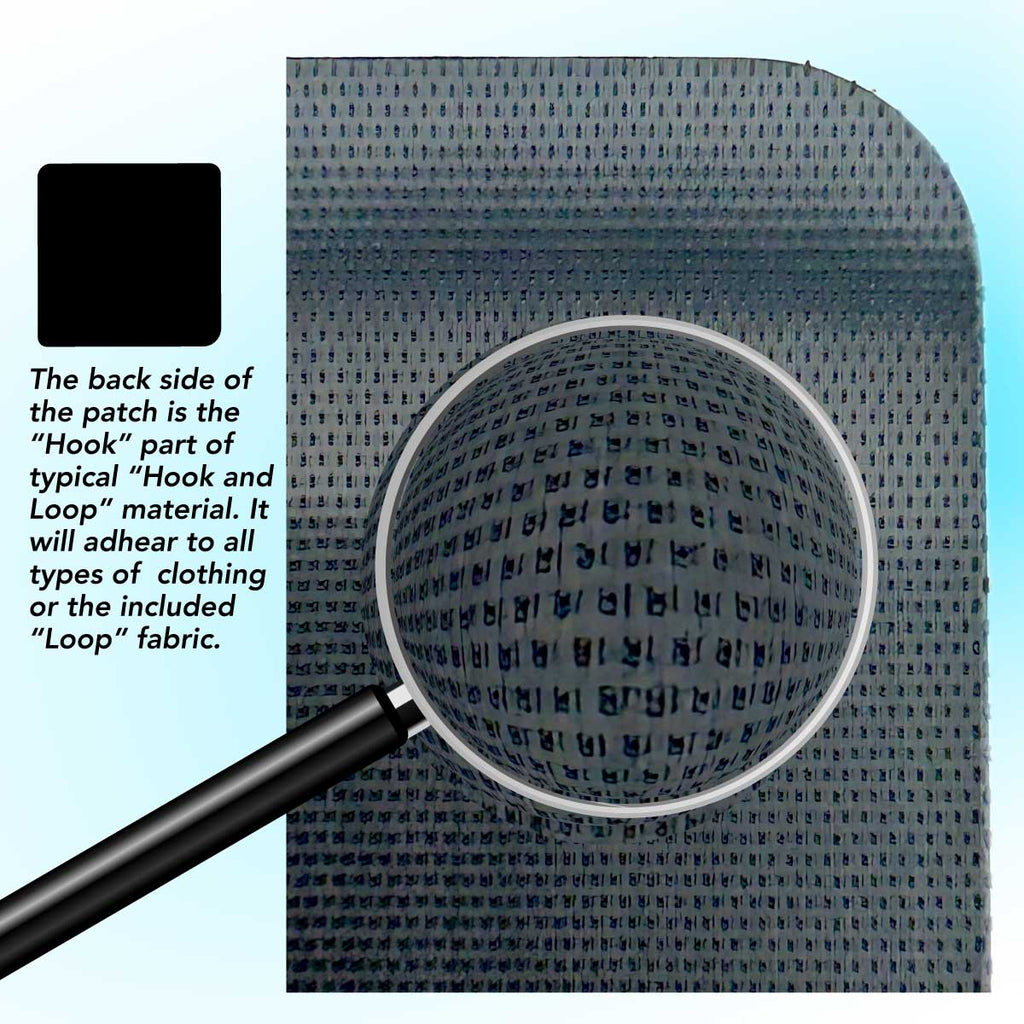
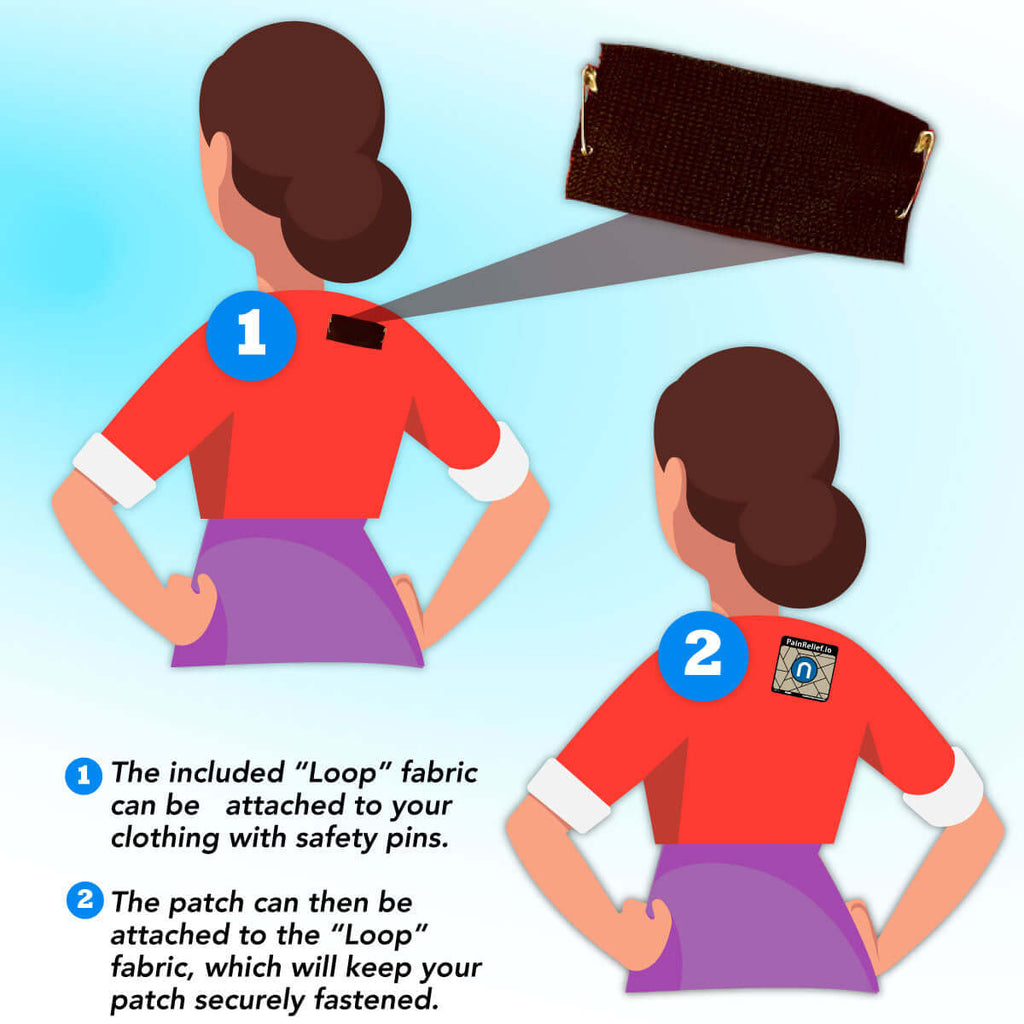
PainRelief.io® devices are designed to be simple to use. Just place the device near the area of discomfort and adjust as needed to find the position that feels most effective.
Each device is thin, reusable, wearable, and easy to use — with no batteries, no wires, no creams, and no drugs.
Inside each device is our patented NeuroCuple® layer, sealed between two durable waterproof layers. This technology is designed to work with your body’s natural bioelectrical environment in a simple, non-invasive way.
Some users report sensations such as warmth, cooling, or tingling during use, while others feel little or nothing at all.
PainRelief.io® devices are intended as general wellness products designed to support comfort, physical activity, and everyday function.