

Drug-Free • Reusable for Years • 137-Day Money-Back Guarantee
A cramp can make a normal day feel like something to get through rather than live. If you're looking for natural ways to reduce menstrual cramps, the most useful approach usually isn't one miracle fix — it's a small, repeatable plan that calms the muscles, supports circulation, and gives your nervous system fewer pain signals to manage.
Menstrual cramps happen when the uterus contracts to shed its lining, driven by prostaglandins — chemical messengers that, at higher levels, mean stronger contractions, more inflammation, and pain that spreads into the lower back or thighs. Natural strategies can't always erase cramps completely, but they can make recurring pain far more manageable without making medication your only option.
For most people, cramps are easier to manage when addressed early. If your cycle is fairly predictable, start your comfort routine as soon as you notice low-back tension, pelvic heaviness, fatigue, or mild cramping — rather than waiting for pain to become intense. Muscle tightening, stress, poor sleep, and inactivity tend to feed into each other, so early support can interrupt that cycle before it builds. Keep the tools you actually use nearby: comfortable clothes, a reusable heat source, water, and a wearable relief device if that fits your routine.
Heat is one of the simplest natural options. A heating pad, warm bath, hot-water bottle, or warm shower can relax tight muscles in the lower abdomen and lower back, and it can feel grounding when cramps come with chills or general body tension. Try 15–20 minutes at a comfortable temperature, then reassess — you don't need painfully hot heat to get an effect. Protect your skin, avoid falling asleep on an electric heating pad, and skip heat entirely if you have reduced sensation in the area unless a clinician has said it's safe.
Heat is excellent at home, but it's not always practical in a meeting, on a commute, or when you need to move around. That's where a lightweight, reusable wearable can be useful — something you can place over the lower abdomen or lower back without cords, batteries, creams, or constant reheating.
When your abdomen hurts, exercise sounds like the last thing you want. Still, gentle movement can reduce stiffness and help your body settle out of a tense, guarded posture. This isn't a workout — a short walk, slow cycling, easy yoga, or light stretching is enough. Hip circles, a supported child's pose, a reclined twist, or a gentle knees-to-chest position are often comfortable choices when done without forcing anything.
Try a few minutes and see how your body responds. If movement makes pain sharper or leaves you dizzy or depleted, rest is the better call — natural pain management should help you stay connected to your body, not pressure you to perform through pain.
No single diet solves menstrual pain for everyone, but regular meals and hydration reduce the extra strain that comes from low energy, constipation, or dehydration. On cramp-heavy days, aim for simple meals with protein, fiber, and minerals rather than skipping meals and running on coffee alone.
Foods containing magnesium — leafy greens, beans, yogurt, nuts, seeds, whole grains — are often part of menstrual wellness routines because magnesium supports normal muscle and nerve function. Ginger or peppermint tea may feel soothing, especially with nausea or bloating. If you're considering supplements, check with a pharmacist or clinician first, particularly if you take other medications, are pregnant, or have a health condition.
Sleep matters just as much. Poor sleep lowers your pain tolerance and can make a familiar cramp feel much bigger the next day. During your period, give yourself extra room for recovery — lower the room temperature, use pillows to support your back or knees, and limit late-night scrolling if it keeps your body alert when it needs rest.
Menstrual cramps are physical — they are not "all in your head." At the same time, stress makes the nervous system more sensitive to pain, which means calming practices can genuinely help alongside heat and movement. Try paced breathing when a wave of cramping begins: breathe in gently, then make your exhale slightly longer than your inhale, for a few minutes. A brief body scan, a warm shower, or quiet time in a dark room can also reduce the sense that your whole day is being controlled by pain. This isn't about pretending pain is fine — it's about giving your nervous system fewer reasons to stay on high alert.
For recurring cramps, convenience matters. Disposable patches run out, heating pads keep you tied to an outlet, and medication isn't the right choice for every moment. A reusable wearable pain-relief device gives you another option for the days you need to keep working, parenting, traveling, or simply moving through your routine.
PainRelief.io® wearables use patented NeuroCuple® technology designed to interact with the body's bioelectrical environment. They're battery-free, wire-free, and reusable — a practical alternative for people who want localized, noninvasive support without pills or topical products. For menstrual discomfort, placement over the lower abdomen or lower back is worth testing based on where you feel pain most. As with any tool, results vary — treat it as part of your broader plan, not a reason to ignore severe or changing symptoms. Follow product directions, avoid placing a device on irritated or broken skin, and stop use if you notice a skin reaction.
Explore PainRelief.io® Wearables → — backed by a 137-day money-back guarantee, so you have real time to find what works.
The best natural approach is the one you can realistically repeat every month. Track when cramps start, where they show up, how long they last, and what makes them better or worse. After two or three cycles, patterns often become clear — heat might work best on day one, a walk might help on day two, lower-back support might matter more than abdominal support. The goal isn't perfection. It's reducing the number of months when cramps catch you unprepared.
Natural methods help a lot, but severe menstrual pain deserves real attention. Talk with a healthcare professional if cramps suddenly become much worse, keep you from work or school, don't improve with your usual measures, occur outside your period, or come with unusually heavy bleeding, fever, fainting, pain during sex, or bowel or bladder changes. Conditions like endometriosis, fibroids, adenomyosis, pelvic inflammatory disease, and ovarian cysts can cause pain well beyond typical cramps — getting evaluated isn't overreacting, it's how you rule out causes that need different care.
You deserve more than white-knuckling a few days every month. Start with one or two natural supports you can use consistently, pay attention to what your body tells you, and give yourself permission to seek answers when cramps are asking too much of your life.
Want to understand what's actually driving the pain, or how it affects focus and productivity? Read Why Period Pain Happens — And Why "Just Push Through It" Doesn't Work. Curious whether a wearable patch is worth adding to your routine? See our complete guide to period pain relief patches.
This article is provided for general educational purposes and is not a substitute for professional medical advice, diagnosis, or treatment. Seek medical care for severe, persistent, unusual, or worsening symptoms.
Search
About Us
Terms of Service
Refund Policy
Contact Us
Protect my personal information
Affiliates: Join or Log In
Clinical
Where to Buy
Government Procurement
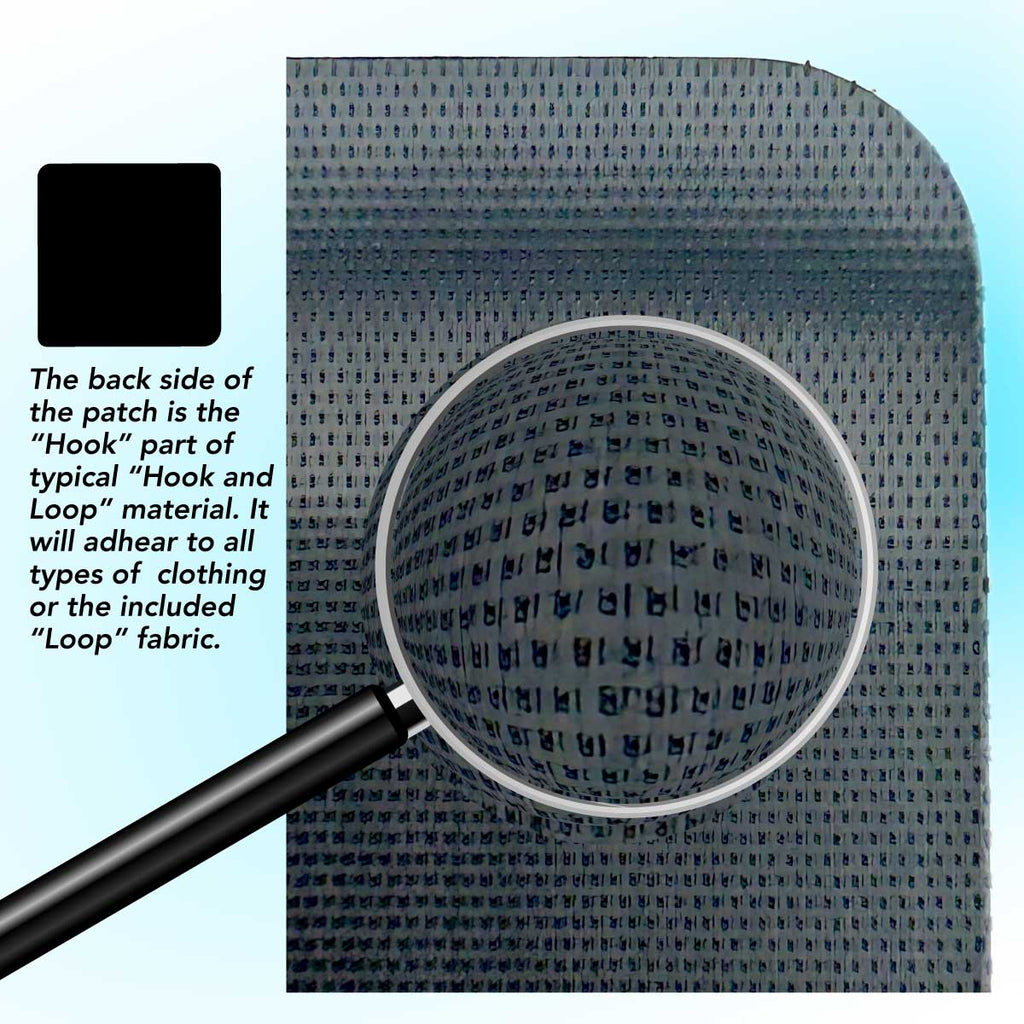
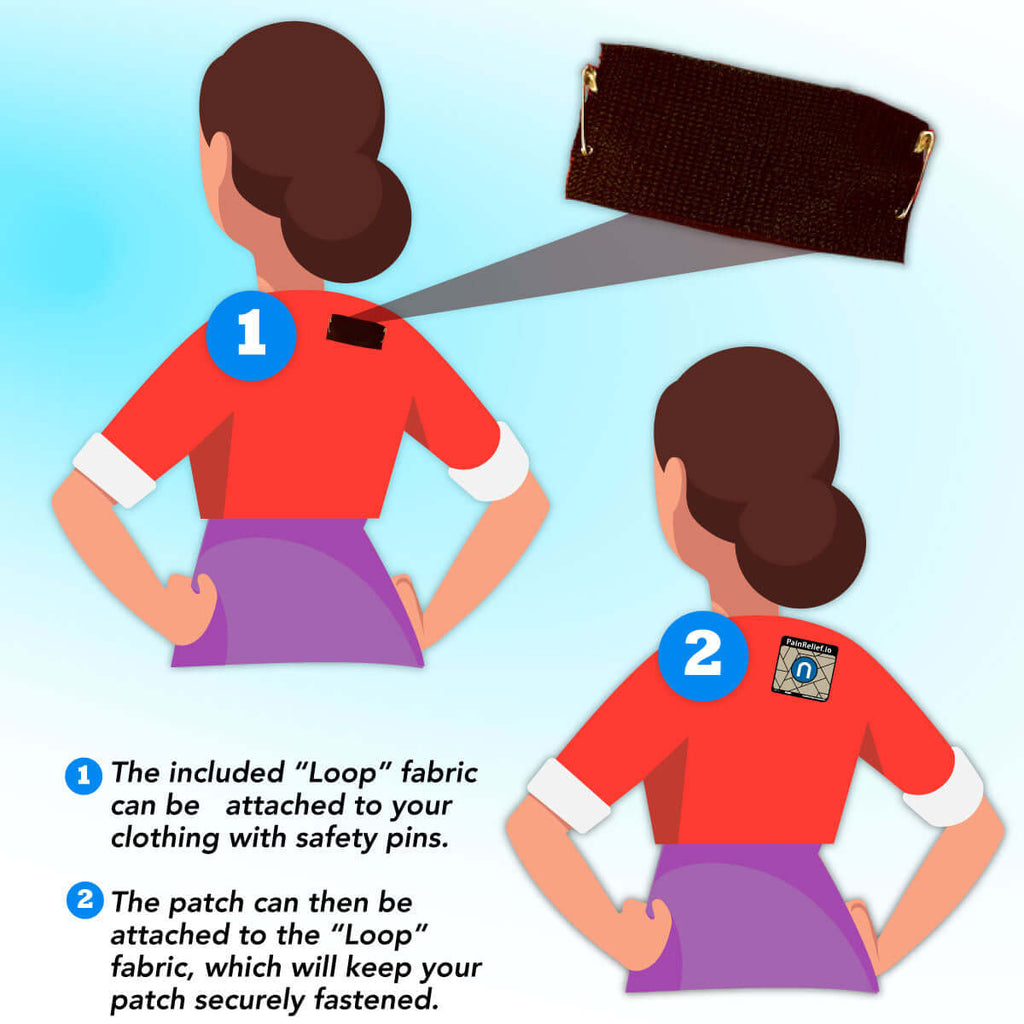
PainRelief.io® devices are designed to be simple to use. Just place the device near the area of discomfort and adjust as needed to find the position that feels most effective.
Each device is thin, reusable, wearable, and easy to use — with no batteries, no wires, no creams, and no drugs.
Inside each device is our patented NeuroCuple® layer, sealed between two durable waterproof layers. This technology is designed to work with your body’s natural bioelectrical environment in a simple, non-invasive way.
Some users report sensations such as warmth, cooling, or tingling during use, while others feel little or nothing at all.
PainRelief.io® devices are intended as general wellness products designed to support comfort, physical activity, and everyday function.