
Livraison et retours gratuits au-dessus de 100 $ !
The meeting starts in five minutes, and your lower abdomen feels like it is tightening from the inside out. That is the reality of working during period pain for a lot of people - not a mild inconvenience, but something that can make sitting, focusing, standing, and even holding a conversation feel harder than it should. The goal is not to pretend cramps are no big deal. The goal is to make the workday more manageable without feeling forced into pills, powering through, or losing control of your routine.
Period pain is not just "cramps." For many people, it comes with low back pain, fatigue, nausea, bloating, headaches, and a general drop in concentration. Even when the pain is not severe enough to send you home, it can still chip away at your ability to think clearly and stay comfortable.
That happens because menstrual cramps are not isolated to one tiny spot. The uterus contracts, surrounding muscles tense up, and pain can radiate into the pelvis, hips, and lower back. Add stress, long hours at a desk, dehydration, or poor sleep, and the whole experience often feels worse at work than it does at home.
There is also the mental side of it. A workday usually asks for attention, speed, and patience at the exact moment your body is asking for rest. That mismatch matters. It is one reason people often feel frustrated with themselves when they are actually dealing with a real physical barrier.
If you have to work through cramps, the most effective approach is usually not one dramatic fix. It is a combination of small adjustments that reduce strain and help your body settle down.
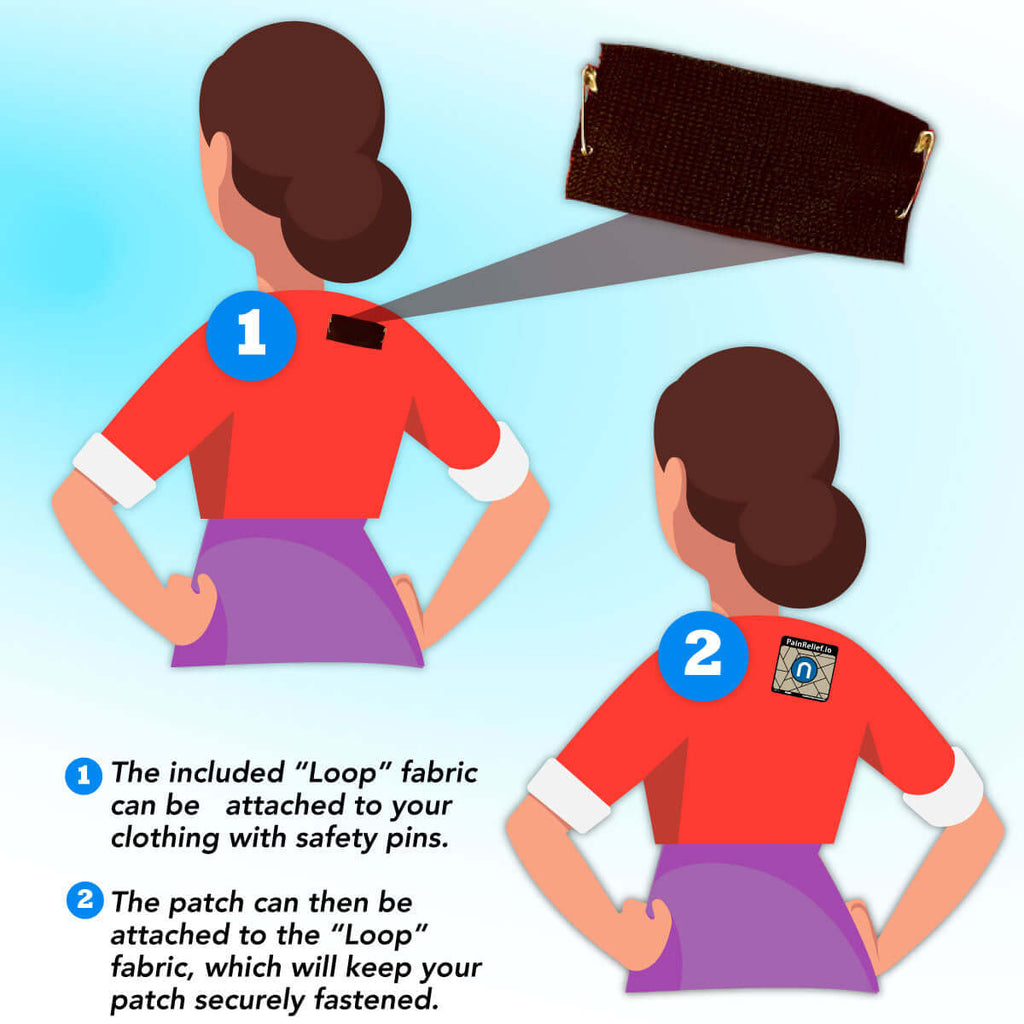
Heat is a familiar option because it can help relax tight muscles and improve comfort. The problem is that traditional heating pads are not always practical at work, especially if you are commuting, moving around, or sitting in shared spaces. That is where wearable, drug-free options can be more useful. A lightweight pain relief device placed over the lower abdomen or low back can make more sense during a normal workday than something bulky, disposable, or tied to an outlet.
Movement also helps, even when it sounds unappealing. Sitting in one position for hours can increase stiffness and pressure around the pelvis and lower back. Short walks, gentle stretching, or simply standing up every 30 to 60 minutes can reduce some of that buildup. It does not have to be a workout. The point is to interrupt tension before it compounds.
Hydration is easy to dismiss, but it matters. Some people notice cramps feel more intense when they are dehydrated, especially if they are also relying on extra coffee to get through fatigue. You do not need a perfect wellness routine. Just keeping water nearby and eating something steady instead of skipping meals can help your system handle the day better.
Then there is posture, which is less about sitting perfectly straight and more about reducing pressure. If your low back is aching, try supporting it with a small cushion or rolled sweater. If your abdomen feels tender, loosening a tight waistband can make a bigger difference than people expect.
Desk work can be surprisingly tough during cramps because it encourages stillness. The longer you stay folded at the hips, the more compressed your abdomen and low back can feel.
A few practical adjustments usually help. Sit with both feet supported instead of crossing your legs for hours. Shift positions often. If possible, alternate between sitting and standing. For video calls, it may be more comfortable to stand or pace rather than stay fixed in a chair.
This is also where discreet relief matters. If you are answering emails, presenting, or working in an office, you need something that does not interrupt your day. Drug-free wearable relief can fit well here because it does not require heating, charging, or constant reapplication. For people trying to avoid taking more medication every month, that kind of consistency can be a real advantage.
Retail, healthcare, teaching, hospitality, and other active jobs create a different challenge. You may not have the option to sit down when cramps peak. In those settings, planning ahead matters more.
Start with what you can control before your shift. Wear clothing that does not add pressure across your abdomen. Keep water accessible. If you know your first or second day is usually the hardest, build in relief early instead of waiting until pain becomes distracting.
For active work, bulky solutions often get abandoned quickly. Anything that slips, needs frequent adjusting, or interferes with movement becomes one more problem. A wearable, wire-free option is often more realistic because it stays with you while you keep moving.
It also helps to use your breaks strategically. Even two minutes in a quiet space to breathe, stretch your lower back, or change positions can reset your pain level enough to make the next stretch of work easier.
There is a difference between manageable discomfort and pain that is asking for medical attention. If your cramps are so intense that you regularly cannot work, cannot stand upright, are vomiting, feel faint, or bleed heavily enough to disrupt normal function, it is worth talking to a healthcare provider.
Pain that gets worse over time, pain that does not respond to usual measures, or pain that comes with symptoms outside your normal pattern can point to issues like endometriosis, fibroids, or other underlying conditions. A lot of people normalize severe menstrual pain for years because it happens every month. Recurring does not automatically mean normal.
The same applies if your work life is being shaped around fear of your cycle. If you are scheduling meetings, travel, or social commitments around the expectation that certain days will knock you out, that is a sign to look deeper rather than just tolerate more.
The best relief plan is the one you can actually repeat. That means thinking beyond a single hard day and setting yourself up for the next month.
Track when pain tends to start, where you feel it most, and what makes it worse. Some people mainly feel uterine cramping. Others get more low back pain or pain that radiates into the hips. Knowing your pattern helps you place support where it matters most and prepare before work instead of reacting mid-shift.
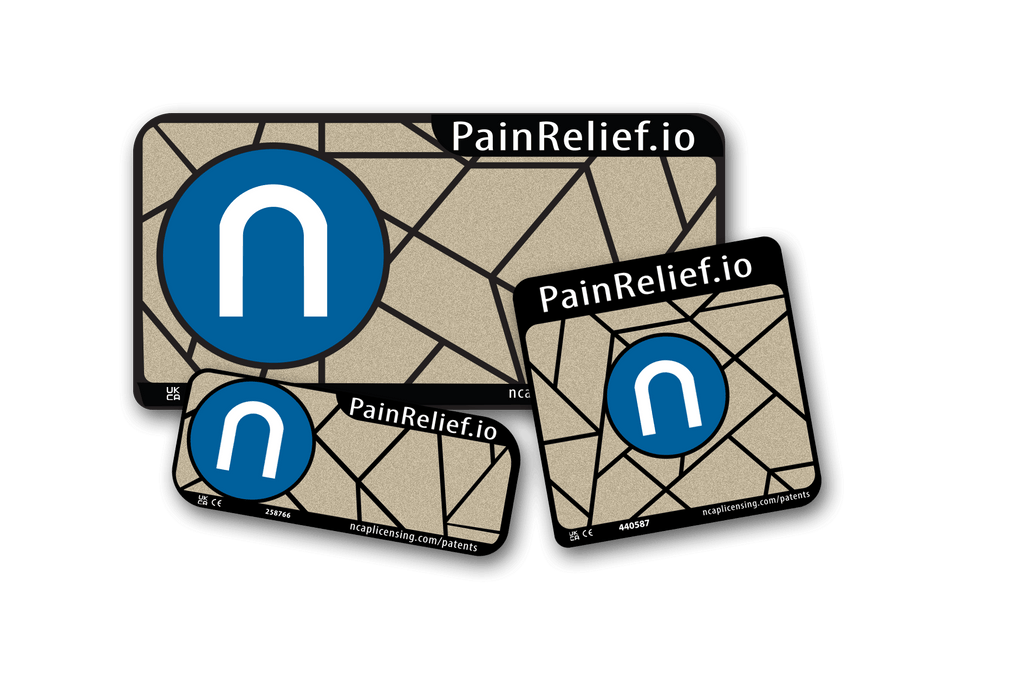
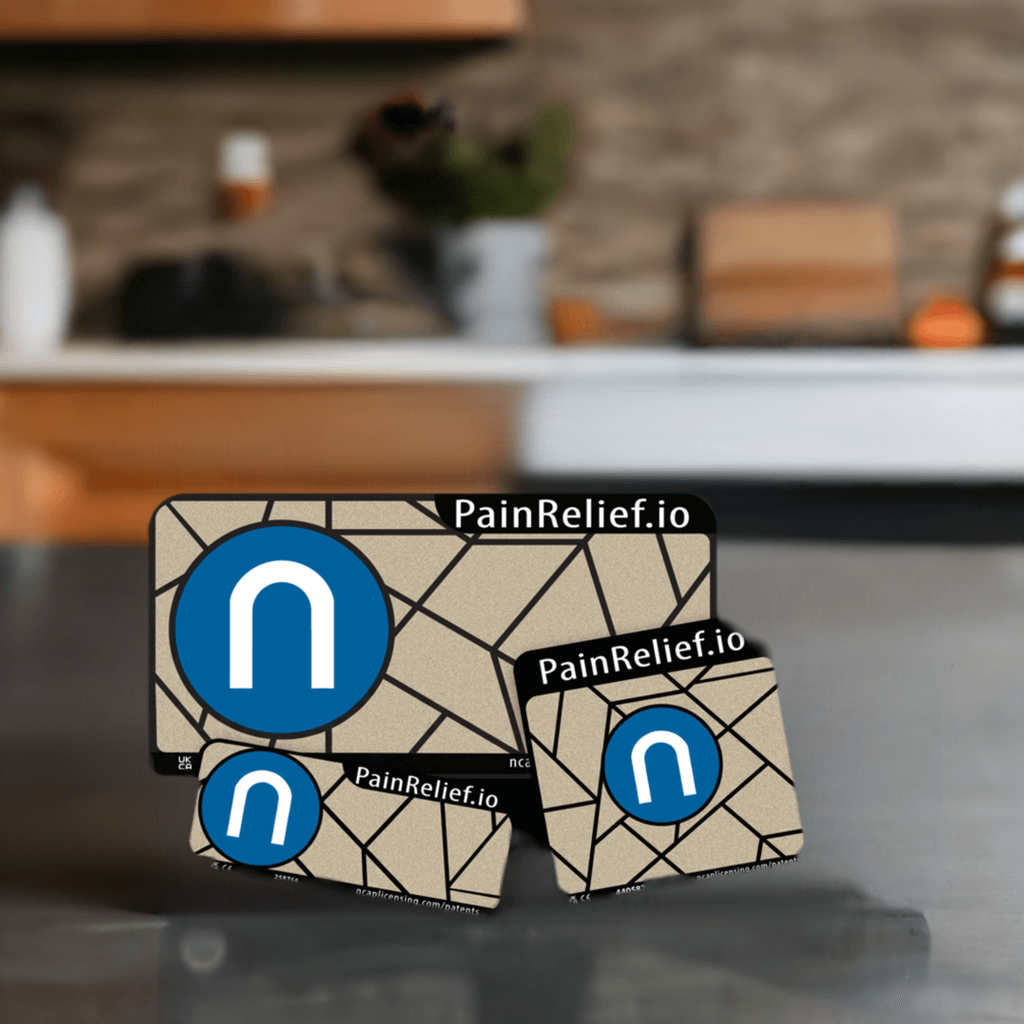
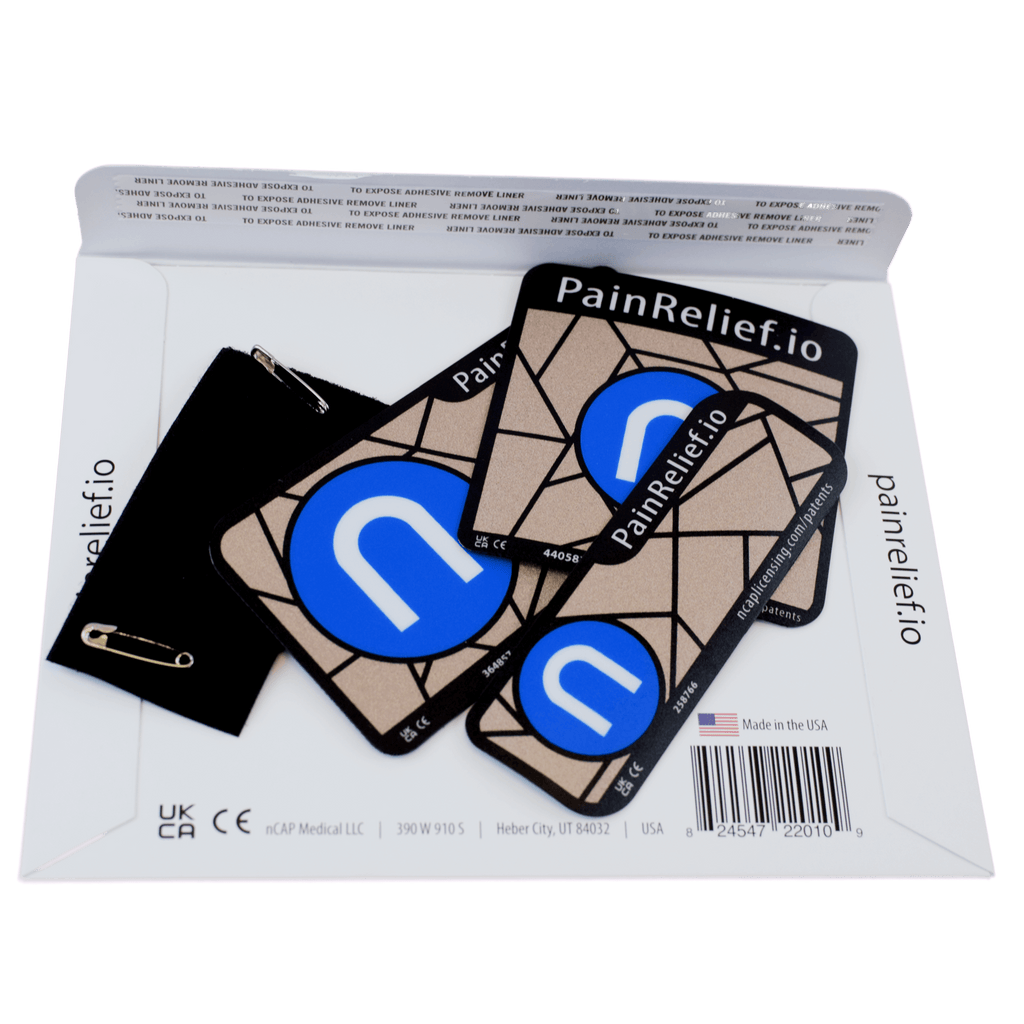
It also helps to choose relief that matches real life. If you want a reusable option that does not depend on pills, creams, cords, or battery packs, a wearable device built for targeted pain relief can be a practical part of that routine. PainRelief.io® focuses on exactly this kind of everyday, drug-free support - something simple enough to use during normal life, not just when you are at home.
There is no single solution that works the same way for everyone. Some people need heat, some need movement, some need medication, and some want a noninvasive option they can wear again and again. Often it is a mix. What matters is reducing the monthly cycle of suffering, scrambling, and pretending you are fine.
Working during period pain is not a test of toughness. It is a practical problem that deserves practical support. If something helps you stay clear-headed, more comfortable, and less dependent on short-term fixes, that is not being dramatic. That is taking your pain seriously.
You should not have to choose between doing your job and feeling human while you do it. A few smart adjustments, the right kind of relief, and a little more honesty about what cramps actually feel like can change the workday more than most people realize.
Your body does not need a lecture about pushing through. It needs support that works with real life.
Recherche
Terms of Service
Refund Policy
Contact Us
Ne pas vendre ou partager mes informations personnelles
Affiliates: Join or Log In
PATENTS
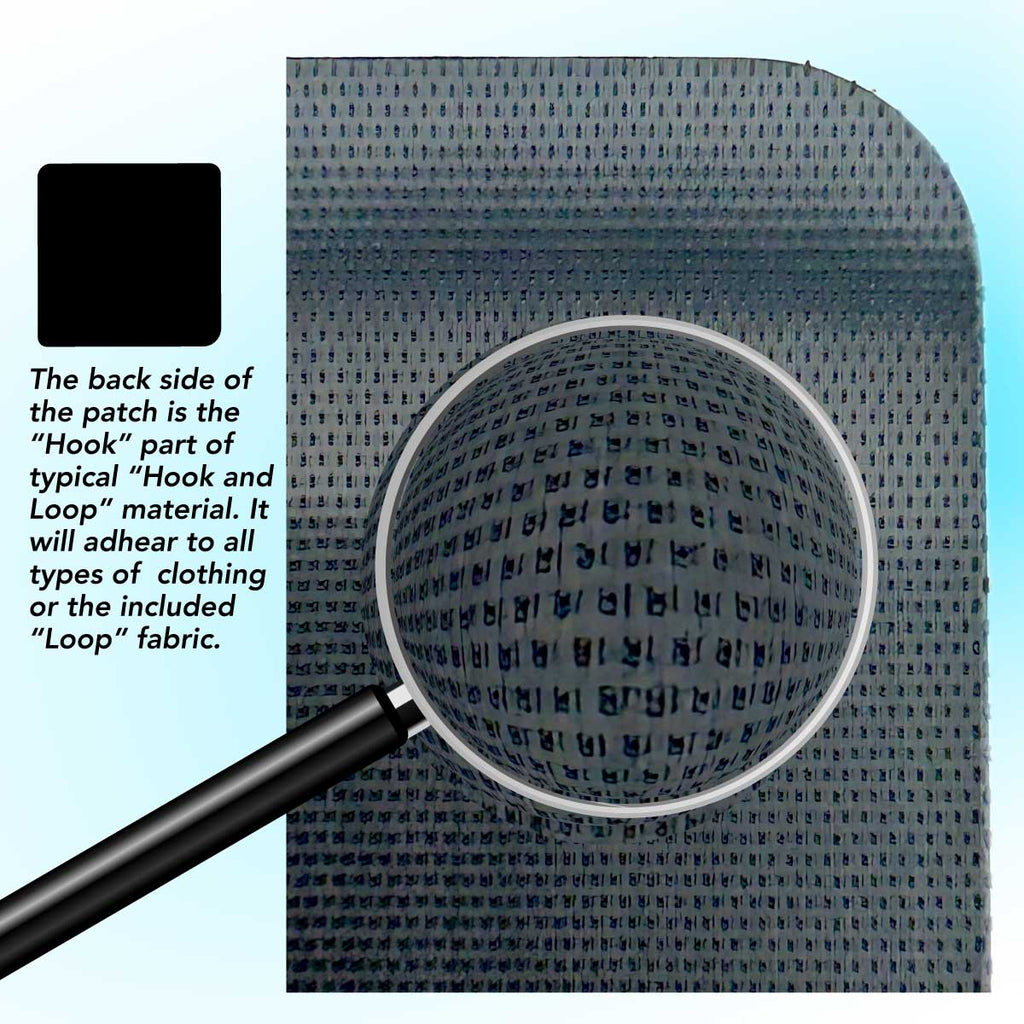
C'est simple à utiliser ! Placez simplement l'appareil au-dessus de votre douleur - Entre la douleur et le cerveau (tm) - et votre douleur commencera à s'estomper en quelques minutes. Le tout dans un appareil portable fin, réutilisable. Pas de piles, pas de fils, pas d'huiles malodorantes, pas de médicaments et ça agit rapidement !!
L'appareil est construit avec notre couche brevetée Neurocuple® scellée entre deux couches imperméables. Une fois placée au bon endroit, la couche Neurocuple® est activée directement par l'énergie du corps de l'utilisateur. Après quelques minutes, une sensation de chaud, de froid ou de picotement est ressentie par l'utilisateur à mesure que la douleur s'estompe.
L'appareil PainRelief.io® est un produit de bien-être général qui aide à promouvoir l'activité physique chez les utilisateurs souffrant de douleurs chroniques et intermittentes, ce qui, dans le cadre d'un mode de vie sain, peut aider à vivre avec ces conditions et peut retarder l'apparition des handicaps associés.