
Livraison et retours gratuits au-dessus de 100 $ !
If you keep asking, why are my period cramps so bad, you're probably not talking about mild discomfort. You're talking about the kind of pain that makes you cancel plans, curl up with a heating pad, or count the hours until it lets up. Severe cramps are common, but they are not something you should have to brush off as normal just because they happen every month.
Menstrual cramps happen when the uterus contracts to shed its lining. Those contractions are driven by hormone-like chemicals called prostaglandins. The higher those levels are, the stronger the contractions can be. Stronger contractions can temporarily reduce blood flow to the uterine muscle, which can make pain feel sharper, more intense, and harder to ignore.
One reason is simply biology. Some people produce more prostaglandins than others, and that can create more forceful uterine contractions. Pain sensitivity also varies from person to person, so the same level of cramping may feel manageable for one person and overwhelming for another.
Timing matters too. Cramps often peak during the first one to two days of a period, when prostaglandin levels are highest. If your cramps come with heavy bleeding, nausea, diarrhea, back pain, or fatigue, it can make the overall experience feel much worse even if the cramping itself is only one part of the problem.
Age can play a role as well. Primary dysmenorrhea, which means painful periods not caused by another condition, often starts in the teen years or early 20s. For some people it improves with age. For others, especially if pain gets worse over time rather than better, there may be an underlying reason worth looking into.
The most common explanation is primary dysmenorrhea. In plain terms, that means your body is producing painful uterine contractions during menstruation even though there is no separate pelvic disorder causing them. This can still be very disruptive. Common does not mean minor.
Sometimes, though, bad cramps are a sign of secondary dysmenorrhea, which means the pain is linked to another condition. Endometriosis is one of the best-known examples. It happens when tissue similar to the uterine lining grows outside the uterus and responds to hormonal changes, often causing significant pain before and during a period.
Fibroids can also make cramps feel worse. These noncancerous growths in or around the uterus may increase pressure, contribute to heavier bleeding, and intensify pelvic pain. Adenomyosis is another possibility. In that condition, tissue that normally lines the uterus grows into the uterine muscle wall, which can lead to heavier, more painful periods.
Pelvic inflammatory disease, ovarian cysts, or a copper IUD may also contribute in some cases. The important point is that severe cramps are not always just "how your period is." If something has changed, or if the pain is interfering with daily life, it deserves attention.
Pattern changes matter. If your periods were manageable before and now feel dramatically worse, that shift is worth noting. The same goes for pain that starts earlier in your cycle, lasts longer than usual, or continues even when you are not menstruating.
Heavy bleeding can be another clue, especially if you're soaking through pads or tampons quickly, passing large clots, or feeling drained and lightheaded. Pain during sex, pain with bowel movements, or pelvic pain between periods can also suggest something beyond routine menstrual cramping.
You do not need to wait until the pain becomes unbearable. If cramps regularly keep you home from work, school, exercise, or sleep, it's reasonable to bring that up with a healthcare provider. If over-the-counter approaches barely touch the pain, that is another sign the issue may need a closer look.
Seek medical care sooner if you have sudden severe pain, fever, unusual discharge, fainting, or pain that feels very different from your usual cramps. Those symptoms can point to problems that should not be managed at home.
A doctor may ask about your cycle, bleeding, symptoms, family history, and what you've already tried. Depending on the pattern, they may recommend imaging, lab work, or referral to a gynecologist. Getting answers can take time, but tracking symptoms month to month often helps make the picture clearer.
Stress is a big one. It does not directly cause period cramps, but it can increase muscle tension, amplify pain sensitivity, and make your body feel less resilient overall. Poor sleep can have a similar effect. When your system is already run down, recurring pain tends to hit harder.
Inflammation, dehydration, and lack of movement may also make things worse for some people. That does not mean severe cramps are your fault or something you created through lifestyle choices. It just means the overall pain experience is shaped by more than one factor.
There is also a frustrating feedback loop with recurring pain. If you expect your period to knock you out every month, your body can become more reactive and guarded around that time. Pain is physical, but it is also processed by the nervous system. The more often pain shows up, the more alert that system can become.
If you're looking for relief without relying only on pills, there are practical options worth trying. Heat is one of the most reliable starting points. It helps relax muscle tension and can make cramping feel less intense, especially when applied to the lower abdomen or lower back.
Gentle movement sounds counterintuitive when you're hurting, but for some people it helps. A short walk, light stretching, or easy mobility work may improve circulation and reduce that clenched, locked-up feeling. The key is not pushing through pain aggressively. It is giving your body a little support without adding more stress.
Hydration and regular meals can also matter more than they seem to. If cramps come with nausea or digestive symptoms, blood sugar swings and dehydration can make you feel even worse. Some people also find that reducing alcohol during their period helps them feel more stable and less inflamed.
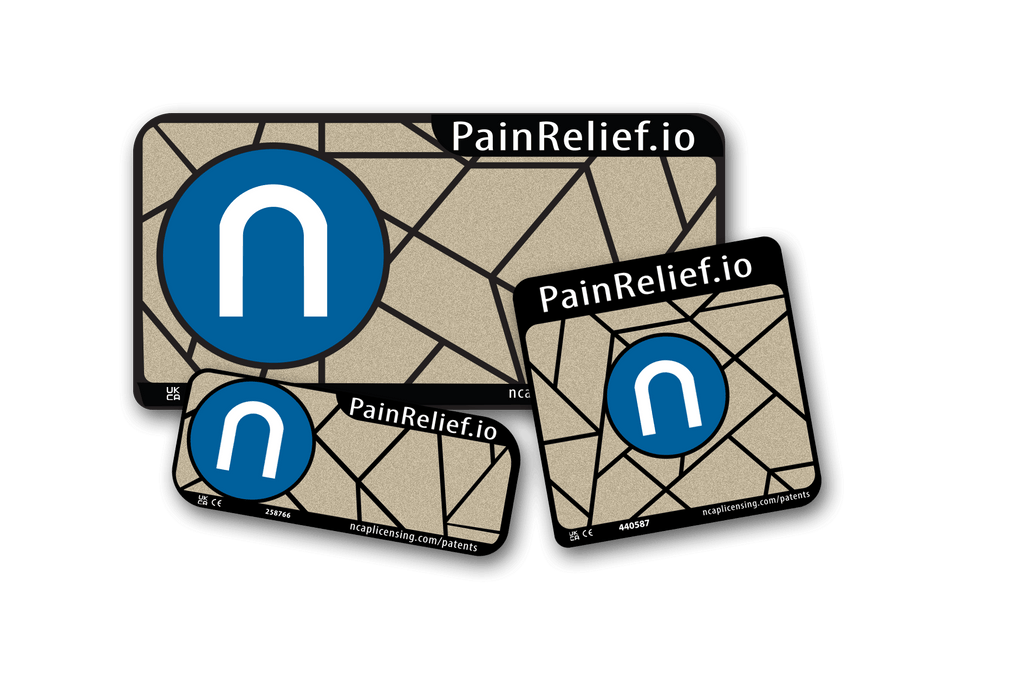
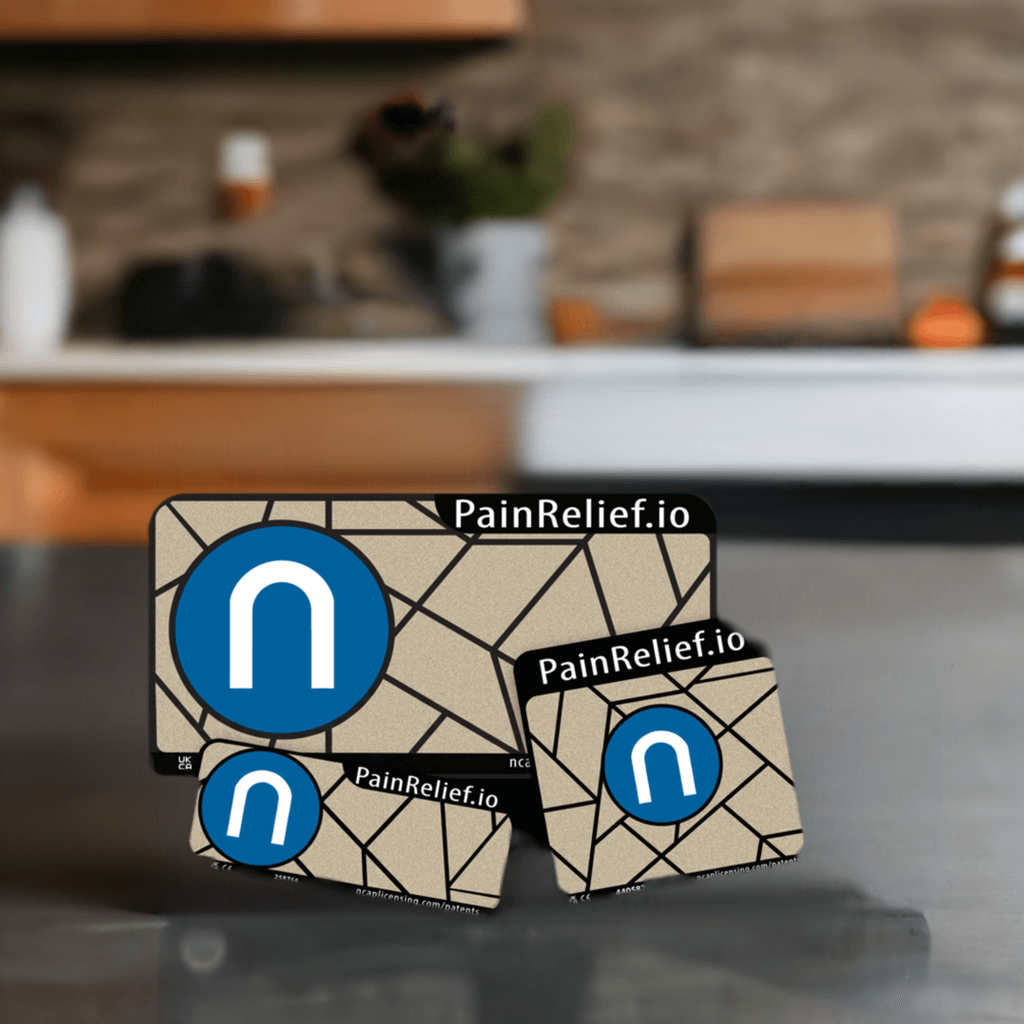
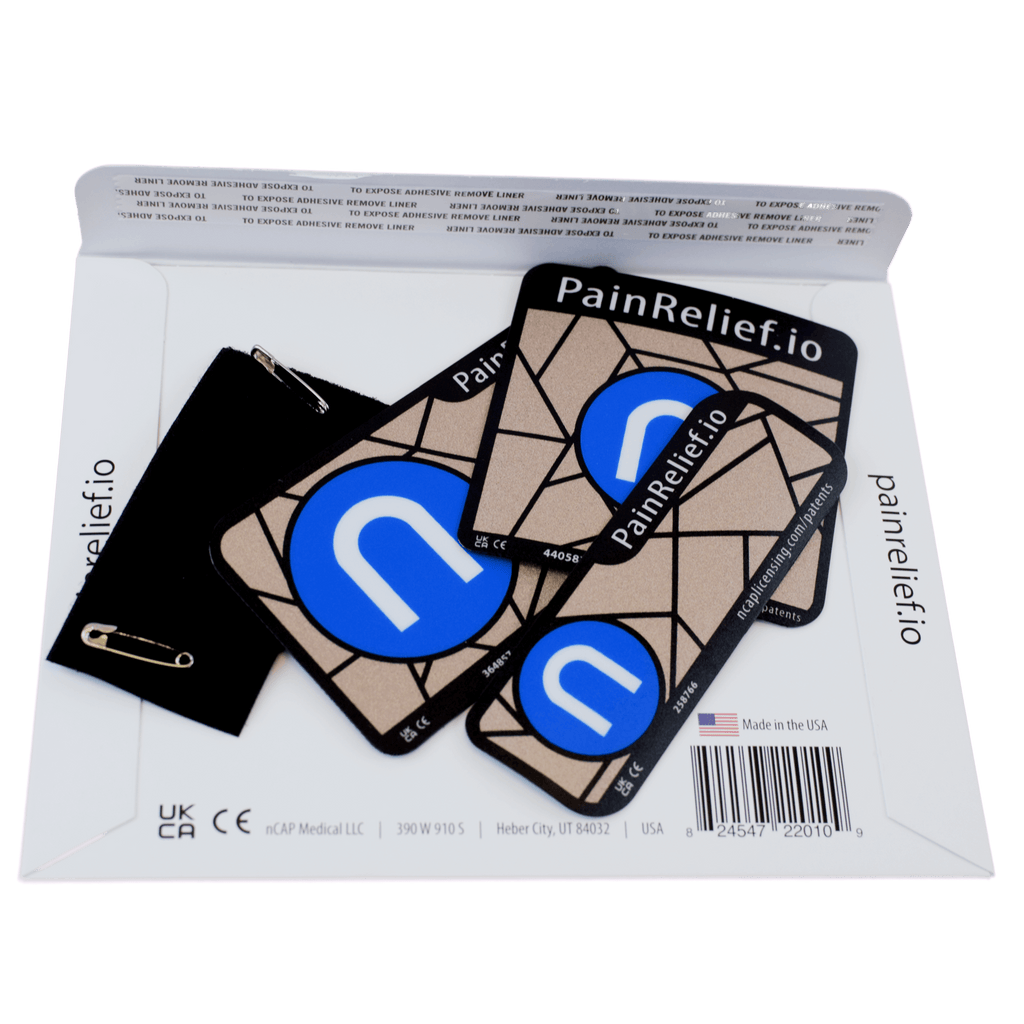
For recurring monthly pain, consistency matters. A reusable, drug-free pain relief approach can be especially helpful if you want something you can keep using rather than replacing every cycle. PainRelief.io focuses on that kind of noninvasive support, which appeals to people who want relief without medication, creams, or disposable heat products.
Period pain is not always centered in one spot. For some people it sits low in the abdomen. For others it radiates into the low back, hips, or even upper thighs. That matters because relief often works best when it matches where your body actually feels the pain.
A lot of people treat menstrual cramps as a one-area problem, but that can be too narrow. If your lower back is throbbing as much as your abdomen, addressing both areas may make a bigger difference than focusing on one alone. The best approach is often practical rather than perfect - identify the areas where the pain is strongest and start there.
When pain is recurring, memory is unreliable. One bad cycle can blur into the next. Keeping a simple log of when cramps start, how long they last, how heavy your bleeding is, and what relief methods helped can reveal patterns you might otherwise miss.
That information is useful for your own decision-making, but it also helps if you need to talk with a doctor. Instead of saying, "My cramps are bad," you can say, "My pain starts two days before bleeding, peaks on day one, spreads into my back, and keeps me from working." That level of detail often leads to better conversations and better next steps.
A lot of women are told that bad period pain is just part of life. That message can keep people stuck with symptoms longer than necessary. Yes, cramps are common. But pain that is intense, disruptive, or getting worse is worth taking seriously.
If you've been wondering why are my period cramps so bad, the answer may be simple uterine chemistry, or it may be something deeper that needs evaluation. Either way, you deserve a plan that helps you function, not just survive the week. Start by noticing your pattern, support your body with practical relief, and give yourself permission to look for better answers if your pain keeps demanding too much.
Recherche
Terms of Service
Refund Policy
Contact Us
Ne pas vendre ou partager mes informations personnelles
Affiliates: Join or Log In
PATENTS
C'est simple à utiliser ! Placez simplement l'appareil au-dessus de votre douleur - Entre la douleur et le cerveau (tm) - et votre douleur commencera à s'estomper en quelques minutes. Le tout dans un appareil portable fin, réutilisable. Pas de piles, pas de fils, pas d'huiles malodorantes, pas de médicaments et ça agit rapidement !!
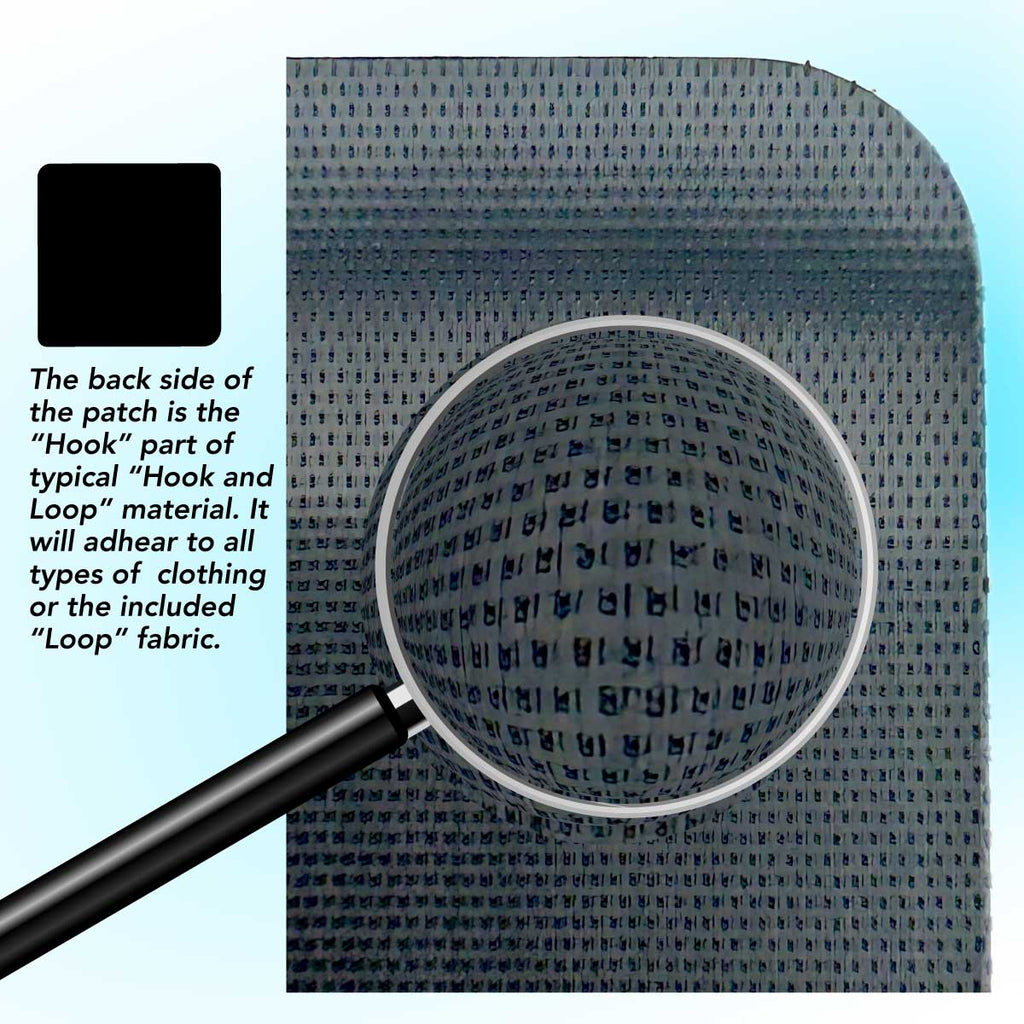
L'appareil est construit avec notre couche brevetée Neurocuple® scellée entre deux couches imperméables. Une fois placée au bon endroit, la couche Neurocuple® est activée directement par l'énergie du corps de l'utilisateur. Après quelques minutes, une sensation de chaud, de froid ou de picotement est ressentie par l'utilisateur à mesure que la douleur s'estompe.
L'appareil PainRelief.io® est un produit de bien-être général qui aide à promouvoir l'activité physique chez les utilisateurs souffrant de douleurs chroniques et intermittentes, ce qui, dans le cadre d'un mode de vie sain, peut aider à vivre avec ces conditions et peut retarder l'apparition des handicaps associés.