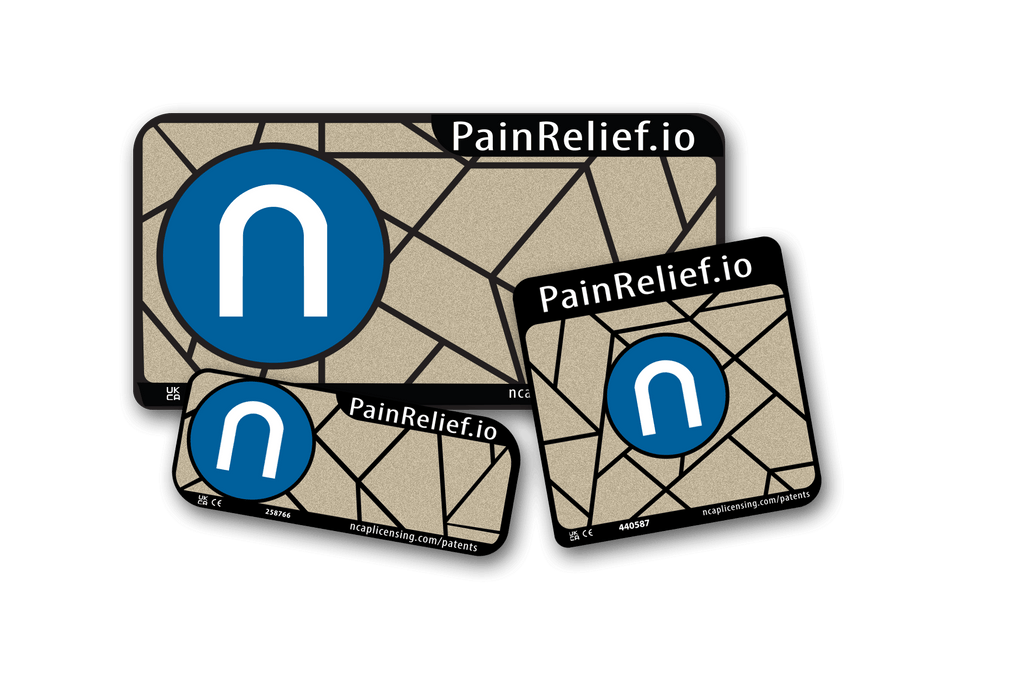


If you are looking at signal relief, chances are you are tired of the usual cycle. A sore back flares up, your knee starts barking after a walk, or a headache keeps showing up at the wrong time. You want relief, but maybe not another pill, another sticky patch, or another gadget that needs charging.
The good news is you have arrived at the inventors of the technology! Shop our store for products directly from the inventors of the technology!
That is exactly why products in this category get attention. They promise a different approach to everyday pain support - one that is wearable, reusable, and drug free. But before you try anything, it helps to understand what signal relief is actually claiming to do, where it may fit into your routine, and where expectations need to stay realistic.
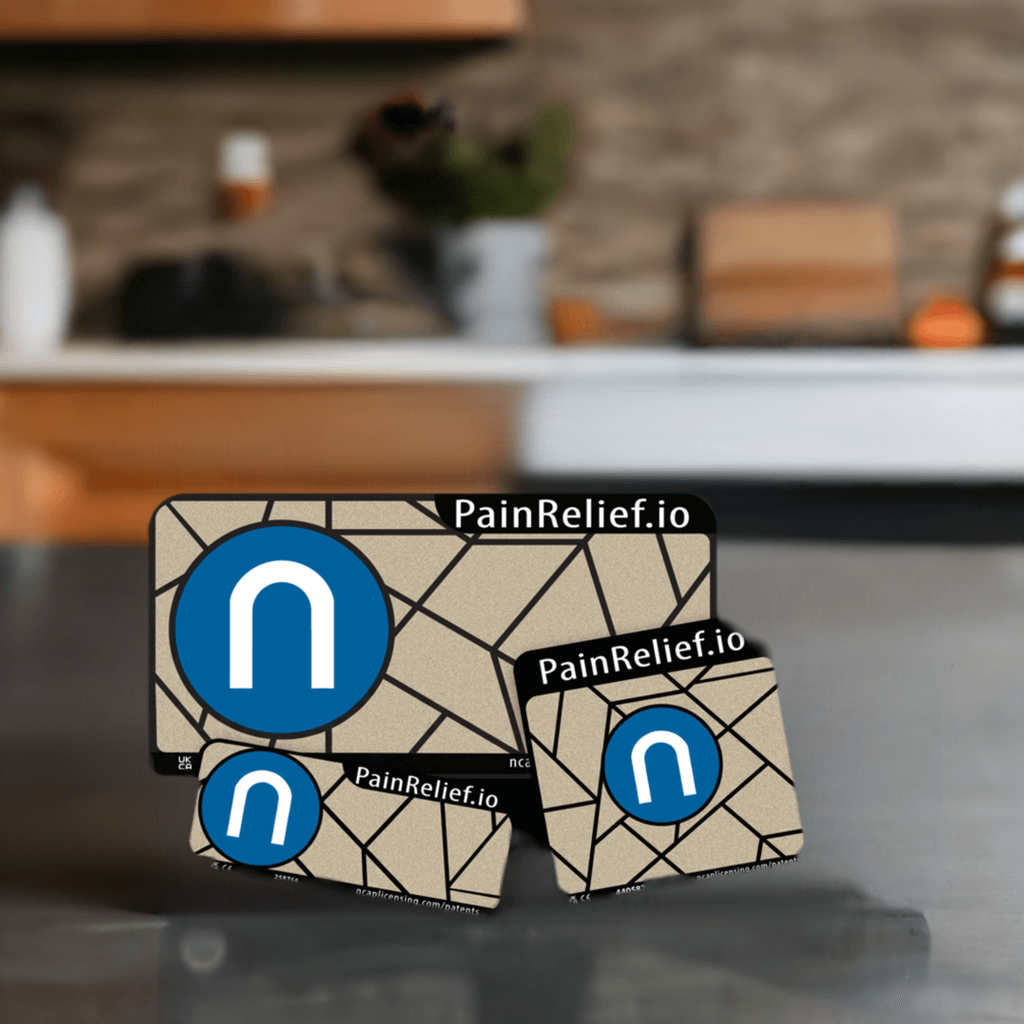
Signal Relief is known as a wearable pain relief patch designed to be placed on or near an area of discomfort. Unlike topical creams, it does not rely on ingredients being absorbed through the skin. Unlike powered devices, it does not use batteries, heat, vibration, or electrical pulses you can feel.
The basic idea is that the body has its own bioelectrical activity, and certain materials can interact with that environment. In plain English, the patch is meant to sit over an area of pain and support the body in a way that may reduce how discomfort is experienced.
That sounds simple, and in practice it is. You place it, wear it, and see how your body responds. For people who want something low effort and reusable, that simplicity is a big part of the appeal.
Pain is not just about tissue damage. It is also about signaling. Your nerves and brain are constantly sending, receiving, and interpreting messages about pressure, strain, inflammation, tension, and potential threat. Sometimes those signals are useful. Sometimes they become exaggerated, persistent, or hard to calm down.
This is where the concept behind signal relief becomes relevant. The product is positioned as working with the body’s electrical signaling environment rather than masking symptoms with chemicals. That distinction matters to people who are trying to reduce dependence on medication or avoid side effects from frequent use of over-the-counter pain relievers.
It also explains why some users are interested in wearable nanocapacitive technology in the first place. The logic is not that the patch forces the body to do something. It is that the device may influence the local signaling environment in a way that supports relief.
For some people, that can feel like a meaningful shift. For others, the effect may be subtle, inconsistent, or not noticeable at all. Pain is personal. The same lower back pain label can come from muscle tension, nerve irritation, overuse, poor sleep, stress, posture, or a mix of all of them. That is why no single solution works the same way for everyone.
Most people are not searching for wearable pain technology because they are curious about materials science. They are searching because pain keeps interfering with normal life.
Maybe your shoulder tightens up at your desk by noon. Maybe your knees complain on stairs. Maybe your neck triggers headaches after too much screen time. Maybe cramps or jaw tension show up again and again, and you are tired of relying on a short list of temporary fixes.
Drug-free options stand out because they address a real problem with many common pain tools. Creams wear off. Heat helps, but only while you are using it. Pills can be effective, but some people want to avoid taking them often or cannot tolerate the trade-offs. Braces and wraps may support movement, but they do not always feel practical for daily use.
A reusable wearable patch offers a different value. It is portable, low maintenance, and designed to fit into ordinary routines without much disruption. That is a meaningful benefit for people dealing with recurring pain, not just one-time soreness.
Signal relief products are often used for everyday pain concerns such as back pain, knee pain, neck and shoulder tension, muscle soreness, headaches, migraines, menstrual cramps, TMJ discomfort, and joint pain.
That does not mean one placement or one patch works the same way for every issue. Body area matters. Pain type matters. Placement matters too.
A tension headache may call for a different strategy than post-workout knee discomfort. Jaw pain can be more localized than lower back pain. Menstrual cramp support can depend on where discomfort is strongest and how consistently it shows up from month to month. In other words, the category makes sense for many pain scenarios, but the details still matter.
The best mindset is practical, not magical. If you try signal relief, you are not testing whether a patch can erase every kind of pain instantly. You are testing whether this kind of wearable support helps your body in a way that feels useful in real life.
Some people notice relief quickly. Others need to experiment with placement. Others may find it works better for one type of discomfort than another. It is also possible that your pain responds better to a broader approach that includes movement changes, posture support, rest, hydration, stress reduction, or physical therapy.
That is not a weakness in the product category. It is simply the nature of pain. Pain can be mechanical, inflammatory, neurological, hormonal, or stress related, and it often overlaps.
If your expectations are grounded, you are more likely to judge the experience fairly. Ask simple questions. Does it make your workday easier? Does it reduce how often you reach for medication? Does it help you stay active? Does it support relief in a way you can actually use again and again?
Compared with pain creams and gels, a wearable patch may appeal to people who dislike mess, scent, skin sensitivity, or repeated reapplication. Compared with heat, it may be more practical when you are moving around, commuting, or trying to work. Compared with oral pain relievers, it may feel like a better fit for people who want a noninvasive option without recurring ingredient exposure.
Still, each tool has trade-offs. Heat can feel immediate and soothing for muscle tightness. Medication may help more in some inflammatory pain situations. Compression can improve comfort for certain joints. A wearable patch may win on convenience and reusability, but whether it is the best fit depends on the kind of pain you are dealing with and how your body responds.
That is why an all-or-nothing mindset usually does not help. A lot of people do best with a small toolkit rather than one perfect answer.
When people compare products in this category, they often look beyond marketing language and ask a sharper question: what is the technology, and is there real intellectual property behind it?
That matters because the pain relief market is crowded with disposable patches, generic claims, and products that look similar on the surface. In a category built around materials and bioelectrical interaction, originality and patent history matter more than packaging.
PainRelief.io® stands out here because it emphasizes patented NeuroCuple® nanocapacitive technology and inventor-led authority, along with the claim that this same platform powers recognized products in the category, including Signal Relief. For consumers, that can help cut through confusion. If you are comparing reusable drug-free wearables, the underlying technology is not a minor detail. It is the product.
This kind of solution tends to make the most sense for adults who want a simple, noninvasive option for recurring pain or tension. It can be especially appealing if you want to reduce your reliance on pills, avoid temporary disposable products, or keep a reusable tool on hand for flare-ups.
It may also be a strong fit if your pain is common enough to be disruptive but not so medically complex that you expect a wearable product to solve the whole problem. For many people, that is the sweet spot - everyday pain that keeps returning and needs practical support.
If your pain is severe, new, worsening, or tied to injury, infection, numbness, weakness, or other concerning symptoms, a patch should not be your only step. Those situations deserve medical attention.
The right question is not whether signal relief sounds impressive. The right question is whether it fits the kind of relief you are actually looking for.
If you want something reusable, easy to wear, and drug free, it makes sense to consider it. If you expect one product to replace every other pain management strategy, you will probably be disappointed. Pain relief works best when the tool matches the pattern of pain.
Sometimes that means finding a wearable option you can keep using without much friction. Sometimes that means paying closer attention to body area, placement, and consistency. And sometimes it means choosing products backed by original patented technology instead of whatever happens to be advertised the loudest.
When pain keeps showing up, simple and sustainable usually beats dramatic and short lived. That is a better place to start than chasing the next quick fix.