
Livraison et retours gratuits au-dessus de 100 $ !
When pain keeps showing up in the same place, most quick fixes start to feel temporary. That is why many people looking for a signal relief patch are not just shopping for another patch. They are trying to find a drug-free option they can actually use in real life - at work, on the couch, during sleep, or while moving through a normal day.
The interest makes sense. Traditional pain patches often rely on ingredients, heat, cooling agents, or one-time use materials. That can work for some people, some of the time. But if your pain is recurring, localized, and frustratingly unpredictable, a reusable wearable approach may be more practical.
A signal relief patch is designed to be placed over or near the area of discomfort as a noninvasive, drug-free wearable. Instead of delivering medication through the skin, this type of patch is positioned as a technology-based option that interacts with the body around the pain site.
That distinction matters. A medicated patch tries to add something to the body. A wearable technology patch is intended to work differently, which is one reason it appeals to people who want to avoid pills, creams, and topical ingredients.
For many buyers, the goal is simple. They want support for pain relief without planning their day around dosing, reapplying products, or dealing with groggy side effects. If that sounds familiar, the category is worth understanding before you buy.
Pain is not just a structural issue. It is also an electrical communication issue. Your body constantly sends signals through nerves and surrounding tissues, and those signals help create the pain experience you feel.
A signal relief patch is generally discussed in the context of the body’s bioelectrical environment. The idea is not that the patch forces the body to do something unnatural. It is that the patch may help interact with local electrical signaling in a way that supports relief.
This is where expectations should stay grounded. Not every pain problem has the same cause. Muscle soreness after exercise, chronic knee pain, nerve discomfort, menstrual cramps, and tension in the jaw or shoulders can all feel intense, but they do not behave exactly the same way. A patch that helps one person significantly may feel more modest for someone else. Placement, pain type, duration, and consistency of use can all affect the experience.
That does not mean the technology is vague. It means pain is personal. The best explanation is often the most honest one: these patches are designed to support relief by interacting with the body near the pain area, but results depend on the person and the condition.
A big reason people search for this category is frustration with disposable solutions. If you are dealing with pain more than once in a while, one-time-use products can get expensive fast. They can also be inconvenient, especially if you need relief in different body areas over time.
Reusable wearable patches offer a different value proposition. You are not opening a new package every day. You are not relying on active ingredients that wear off. You are using a lightweight tool that can travel with you and fit into your routine.
That is especially relevant for people with recurring back pain, shoulder tension, knee discomfort, headaches, jaw pain, or cramps. These are not always emergency-level problems, but they are disruptive enough to affect sleep, work, mobility, and mood. A reusable patch can make more sense than constantly cycling through temporary products.
Most interest in this type of patch comes from very specific pain situations, not abstract wellness goals. People want to know whether they can wear it on the lower back after sitting too long, on the knee after activity, near the neck and shoulders during tension, or around the jaw for TMJ-related discomfort.
That practical thinking is the right approach. Placement matters because localized wearables are typically most useful when they are used intentionally. The closer the patch is to the area of discomfort, the easier it is to judge whether it is helping.
Common use cases include lower back pain, stiff shoulders, knee pain, elbow pain, wrist strain, menstrual cramping, headache support, and jaw tension. Some people also use them for chronic pain patterns that tend to flare in the same region. The more clearly you can identify where the pain starts and where it spreads, the easier it is to choose the right size and placement strategy.
The first question is not whether the patch looks impressive. It is whether it fits your pain pattern.
If your pain is broad and diffuse across a large area, a small patch may not feel like the best match. If your discomfort is concentrated in a clear spot, a targeted wearable may be more useful. Body area matters, but so does pain behavior. Some people need support during movement. Others want something they can wear while resting or sleeping. Comfort, flexibility, and size all matter more than flashy claims.
The second question is whether you want a disposable product or a reusable one. For ongoing pain, reusable options often make more practical sense. They reduce repeat purchasing and are easier to keep on hand when pain returns.
The third question is whether the technology behind the product is original and clearly explained. That is an area where many shoppers get cautious, and rightly so. If a brand cannot explain how its patch is intended to work in plain language, confidence drops quickly. Patented technology, transparent product design, and body-area-specific sizing can all help separate serious options from generic ones.
No pain relief tool is perfect for every scenario. A signal relief patch may be appealing because it is drug-free and easy to wear, but that does not automatically mean it replaces every other approach.
If your pain is caused by a major injury, worsening inflammation, or an issue that needs medical evaluation, a patch is not a substitute for diagnosis. If your pain changes suddenly, becomes severe, or comes with numbness, weakness, fever, or swelling, it is smart to get professional care.
There is also the reality that placement can require trial and error. Some users find the best position right away. Others need to shift the patch slightly, test a different size, or wear it more consistently before deciding how helpful it is. That learning curve is normal, especially for recurring pain that radiates or moves.
The upside is that a well-designed wearable can give people a sense of control. Instead of waiting until pain becomes unbearable, they can use a simple noninvasive option as part of daily pain management.
Topical creams can feel fast, but they often fade quickly and may leave residue or odor. Heat can be comforting, but it is not always convenient when you need to move around. Over-the-counter medication may help, but many people want to reduce how often they rely on it, whether because of stomach irritation, drowsiness, rebound effects, or long-term habit.
A signal relief patch sits in a different lane. It is not about masking pain with a scent or sensation. It is not powered by batteries. It is not another pill schedule to remember. For many people, that simplicity is exactly the point.
That said, the best option depends on your goals. If you want occasional short-term comfort, another method might be enough. If you want a reusable, wearable, drug-free tool that fits recurring pain, this category becomes more compelling.
People with recurring localized pain tend to be the strongest fit. That includes adults dealing with chronic back pain, stiff neck and shoulders, overuse soreness, knee discomfort, headaches, menstrual cramps, TMJ pain, and certain nerve-related pain patterns.
It can also be a strong fit for health-conscious shoppers who are tired of choosing between temporary fixes and medication. Many want something simple they can wear without disrupting the day. They are not looking for hype. They are looking for a realistic option they can use again and again.
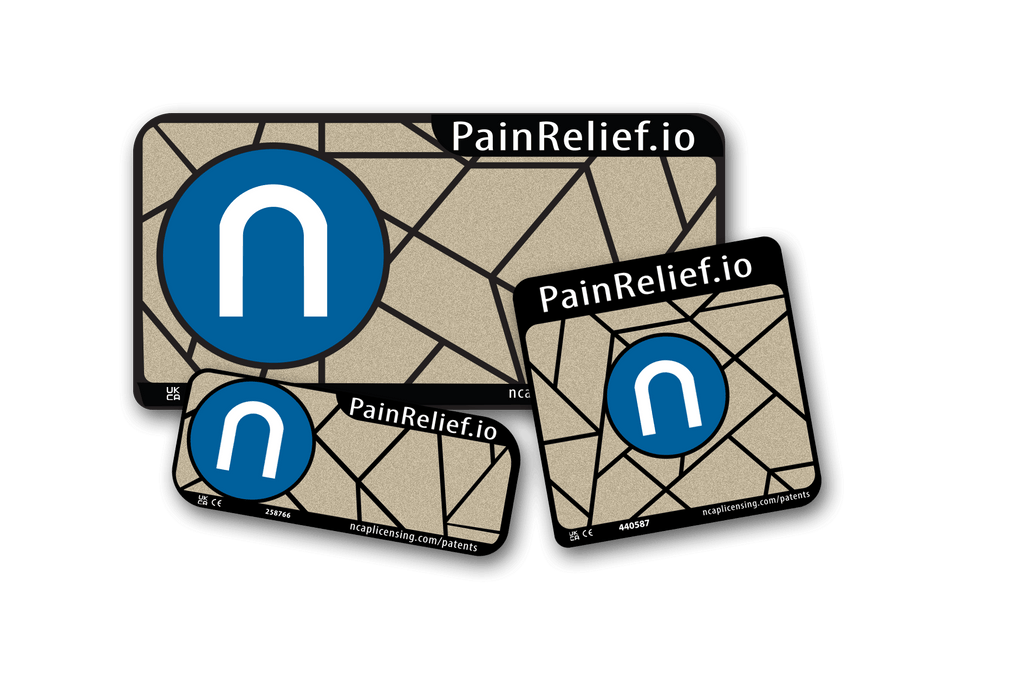
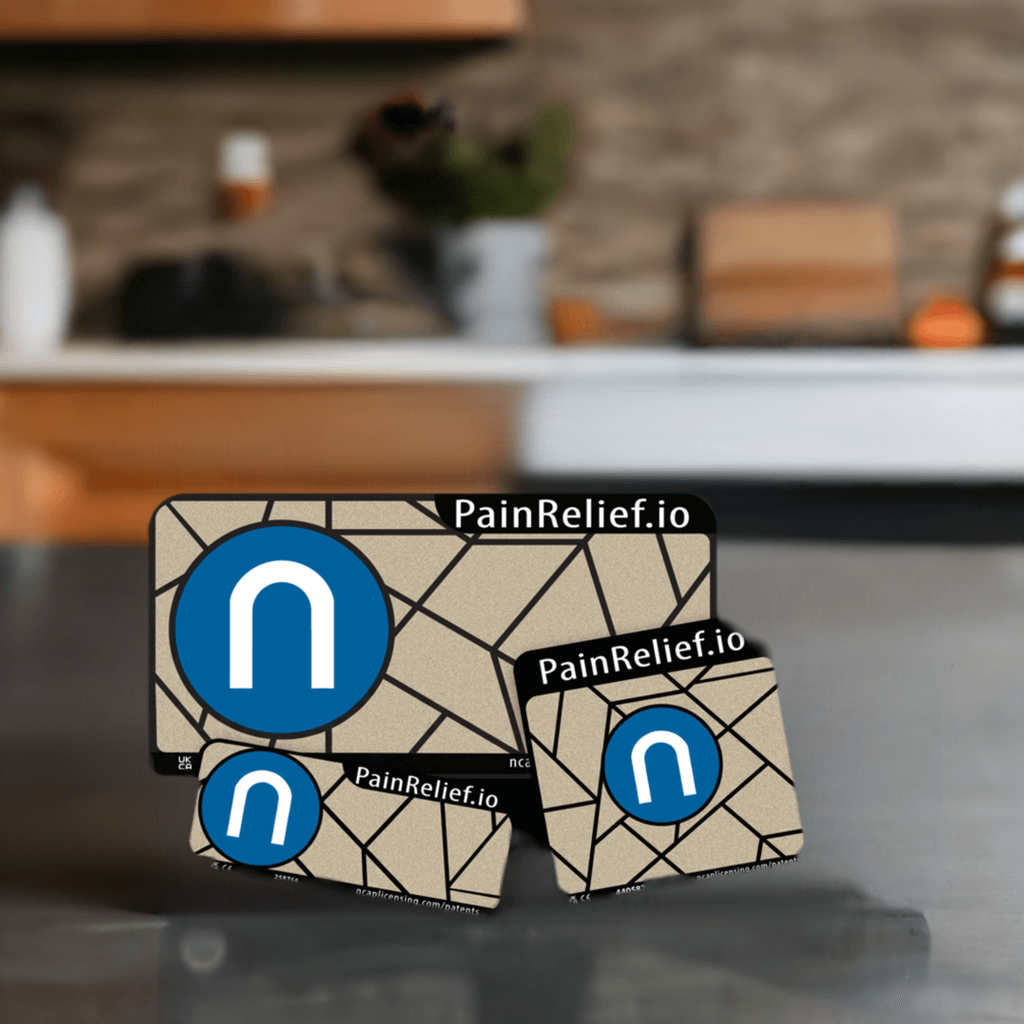
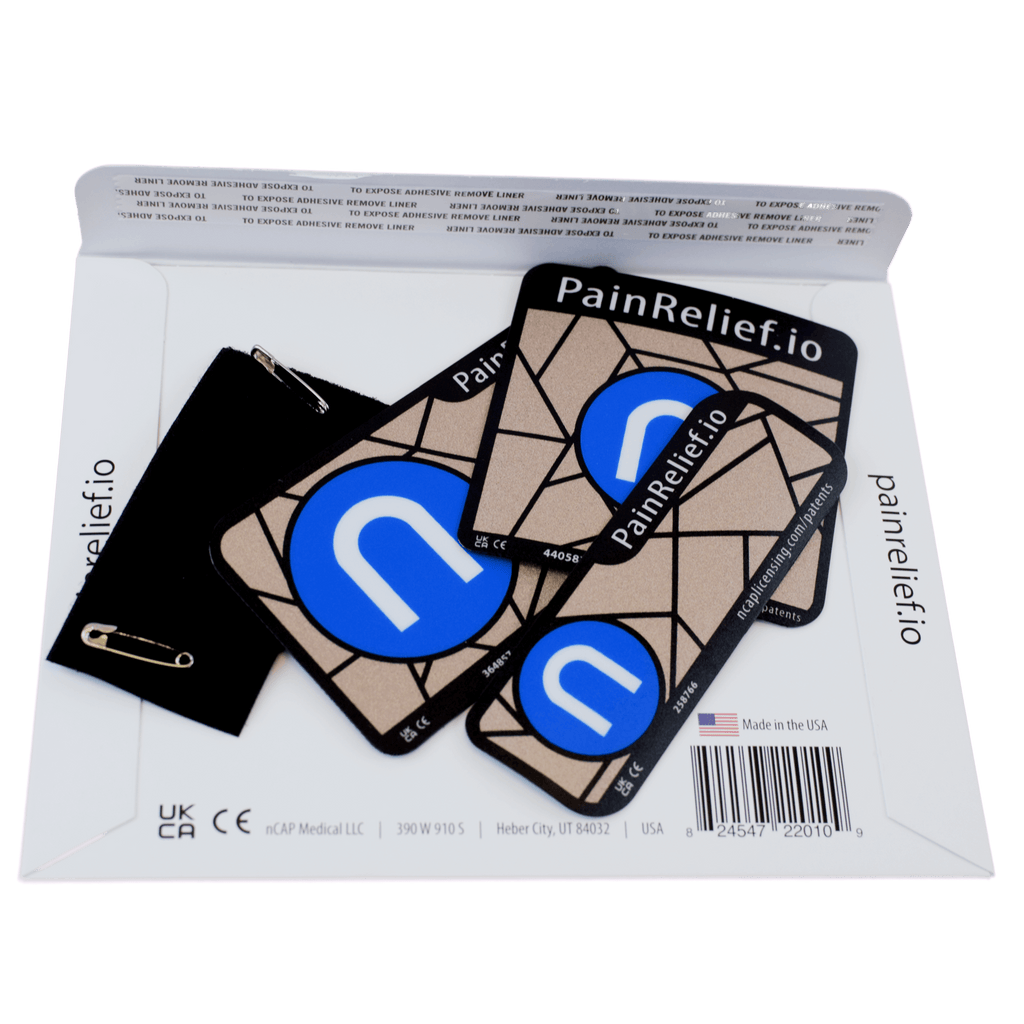
That is one reason brands like PainRelief.io® focus so much on matching the wearable to the body area and pain type. People do better when the solution is practical, understandable, and built around how pain actually shows up in daily life.
If you are considering a signal relief patch, the smartest move is to think less about marketing language and more about your own routine. Where is the pain? How often does it return? Do you want a one-time product or something reusable? The right answer is usually the one that helps you stay functional, comfortable, and less dependent on short-term fixes.
Recherche
Terms of Service
Refund Policy
Contact Us
Ne pas vendre ou partager mes informations personnelles
Affiliates: Join or Log In
PATENTS
C'est simple à utiliser ! Placez simplement l'appareil au-dessus de votre douleur - Entre la douleur et le cerveau (tm) - et votre douleur commencera à s'estomper en quelques minutes. Le tout dans un appareil portable fin, réutilisable. Pas de piles, pas de fils, pas d'huiles malodorantes, pas de médicaments et ça agit rapidement !!
L'appareil est construit avec notre couche brevetée Neurocuple® scellée entre deux couches imperméables. Une fois placée au bon endroit, la couche Neurocuple® est activée directement par l'énergie du corps de l'utilisateur. Après quelques minutes, une sensation de chaud, de froid ou de picotement est ressentie par l'utilisateur à mesure que la douleur s'estompe.
L'appareil PainRelief.io® est un produit de bien-être général qui aide à promouvoir l'activité physique chez les utilisateurs souffrant de douleurs chroniques et intermittentes, ce qui, dans le cadre d'un mode de vie sain, peut aider à vivre avec ces conditions et peut retarder l'apparition des handicaps associés.