

When cramps make you cancel plans, lose sleep, or struggle to sit through a meeting, “just use a heating pad” can feel like a dismissive answer. Severe menstrual cramps relief often requires a more deliberate plan: reducing the pain signals you can influence, supporting your body through the worst hours, and recognizing when period pain needs medical attention rather than endurance.
Most menstrual cramps are caused by prostaglandins, hormone-like chemicals that prompt the uterus to contract and shed its lining. Higher prostaglandin activity can mean stronger contractions, reduced blood flow to the uterine muscle, and more intense pain. That pain may stay low in the abdomen or spread into the lower back, hips, thighs, or even the legs.
Severe cramps are not simply mild discomfort with a lower pain tolerance. They can be sharp, gripping, throbbing, or wave-like. Some people also experience nausea, diarrhea, headaches, fatigue, dizziness, or pain that makes normal movement feel impossible.
Primary dysmenorrhea is the medical term for common menstrual cramping without another underlying pelvic condition. It often begins within a day before bleeding starts and is typically worst during the first one to three days of a period. But severe pain can also be secondary dysmenorrhea, meaning another condition may be contributing.
Endometriosis, adenomyosis, fibroids, pelvic inflammatory disease, and ovarian cysts are among the conditions that can cause unusually painful periods. A new pattern of severe pain, pain that steadily worsens over time, or pain between periods deserves a conversation with a qualified clinician.
The most useful approach is usually not one single remedy. It is a small, repeatable routine you can start at the first hint of cramping, or even shortly before your period if your cycle is predictable. Early action may help keep pain from building into a full-body interruption.
Heat is popular for a reason. A heating pad, warm bath, or heat wrap placed over the lower abdomen or lower back can relax tense muscles and provide comforting sensory input. Use a comfortable temperature, protect your skin, and avoid falling asleep with an electric heating device unless it is designed for overnight use.
Heat is simple, but it is not always practical. It can limit movement, require an outlet, and be hard to use at work, in transit, or under certain clothing. For people who need a portable option, a lightweight wearable approach may fit daily life better.
When you are in significant pain, exercise can sound unrealistic. The goal is not a hard workout. A slow walk, easy hip movement, gentle yoga positions, or light stretching may reduce stiffness and help your body shift out of the guarded posture pain often creates.
Try a few minutes rather than forcing a full routine. If movement makes pain sharply worse, stop. Severe pain is not something to push through as a test of willpower.
Pain becomes more disruptive when it is paired with poor sleep, missed meals, dehydration, and stress. These factors do not cause every cramp, and they do not mean the pain is “all in your head.” They can, however, lower your ability to cope with an already intense pain signal.
A warm drink, regular food, water, loose clothing, and a quiet place to rest can make a meaningful difference. If nausea is part of your cycle, smaller meals may feel more manageable than trying to eat a large meal at once.
Many people want menstrual cramp relief without relying on pills every month. Wearable pain-relief technology can be a practical addition to heat, movement, and rest, especially when cramps affect both the abdomen and lower back.
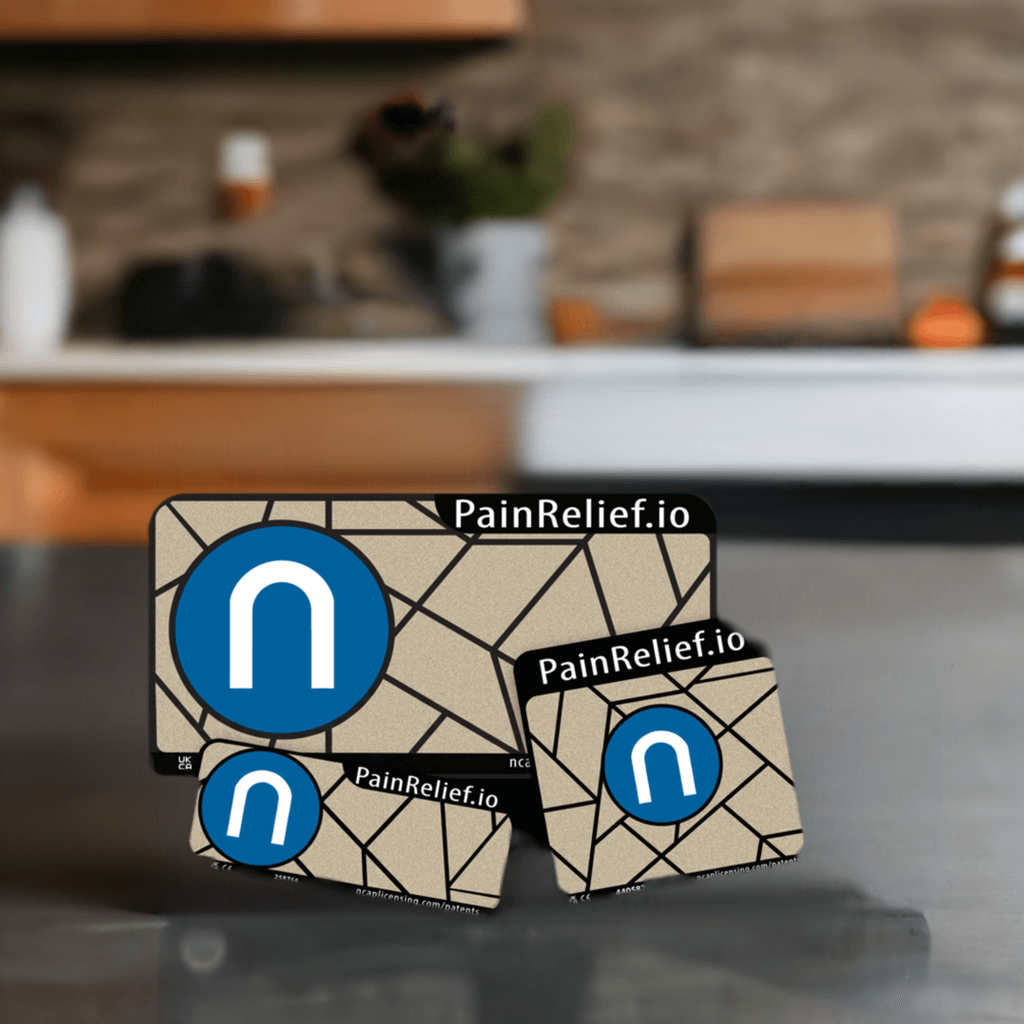
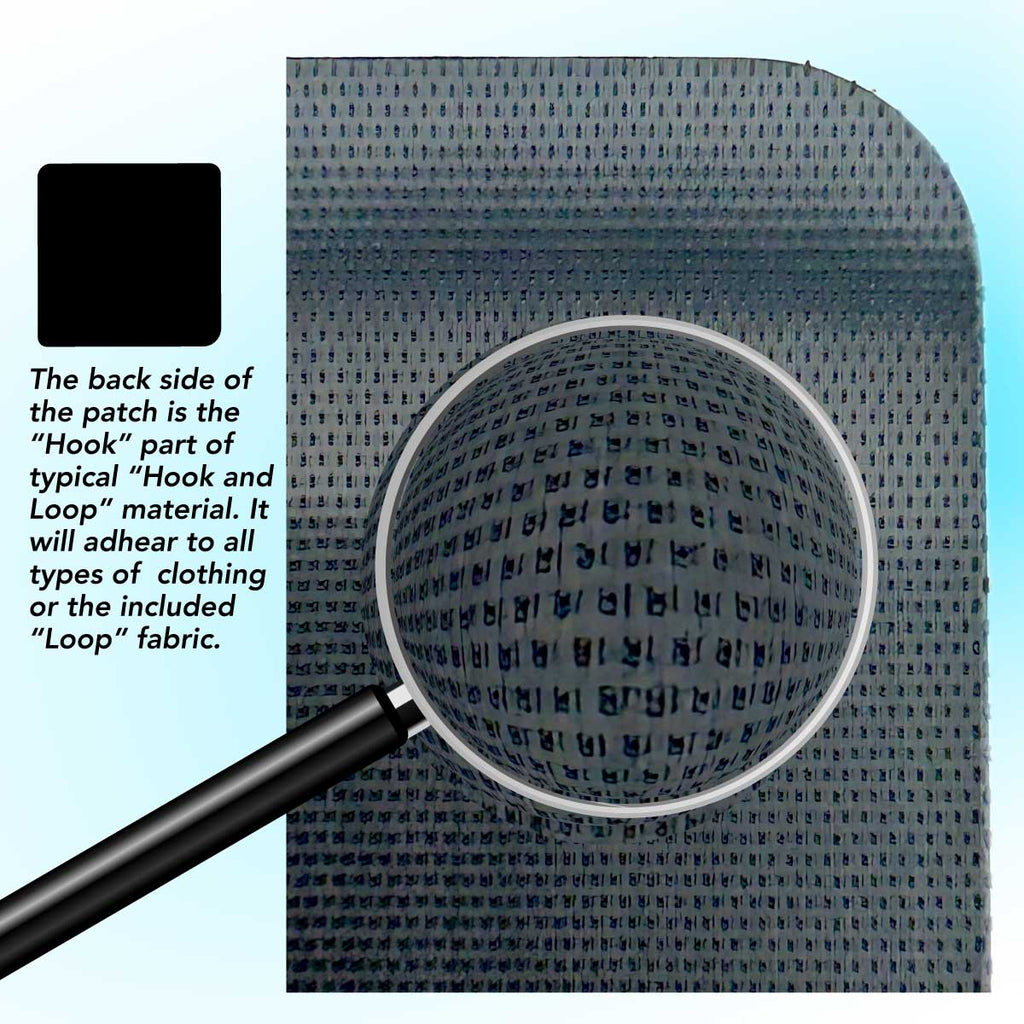
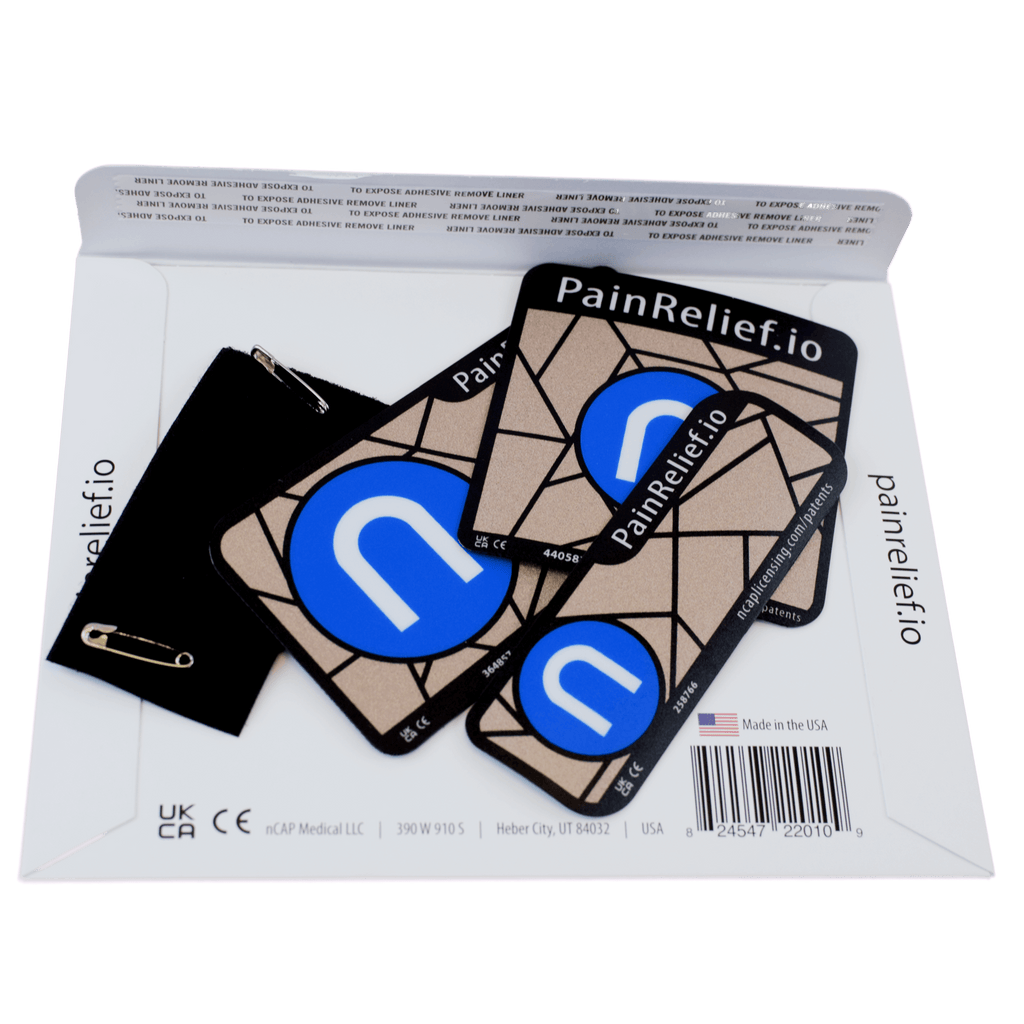
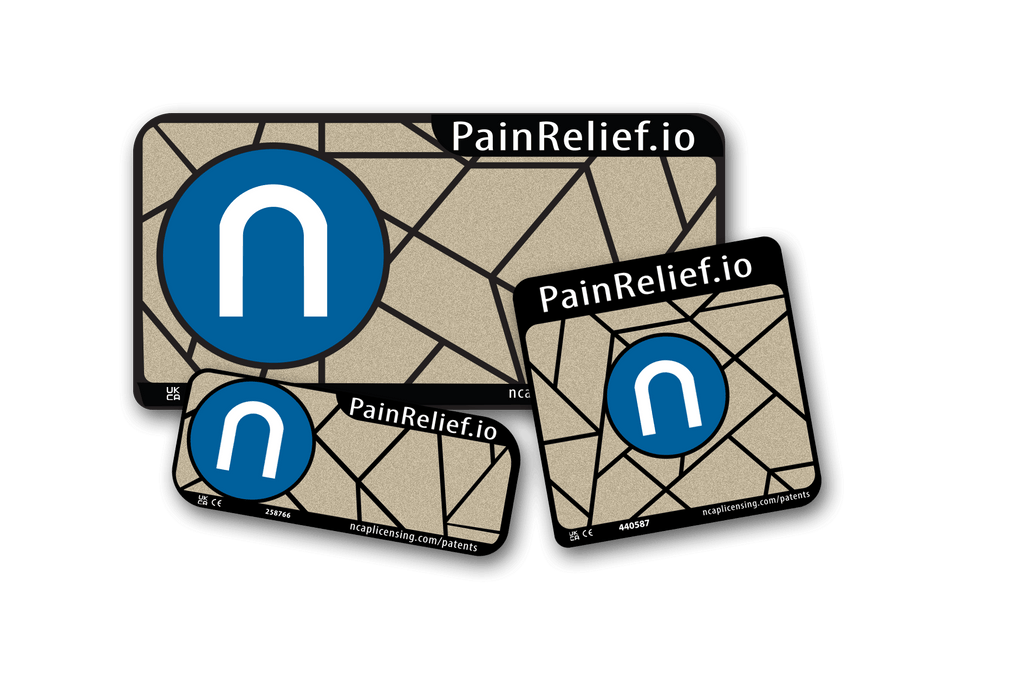
PainRelief.io® reusable wearables use patented NeuroCuple® nanocapacitive technology to interact with the body’s bioelectrical environment. The devices are battery-free, wire-free, and designed to be worn where discomfort is felt. For menstrual cramping, placement is commonly considered over the lower abdomen or lower back, depending on where pain is most noticeable.
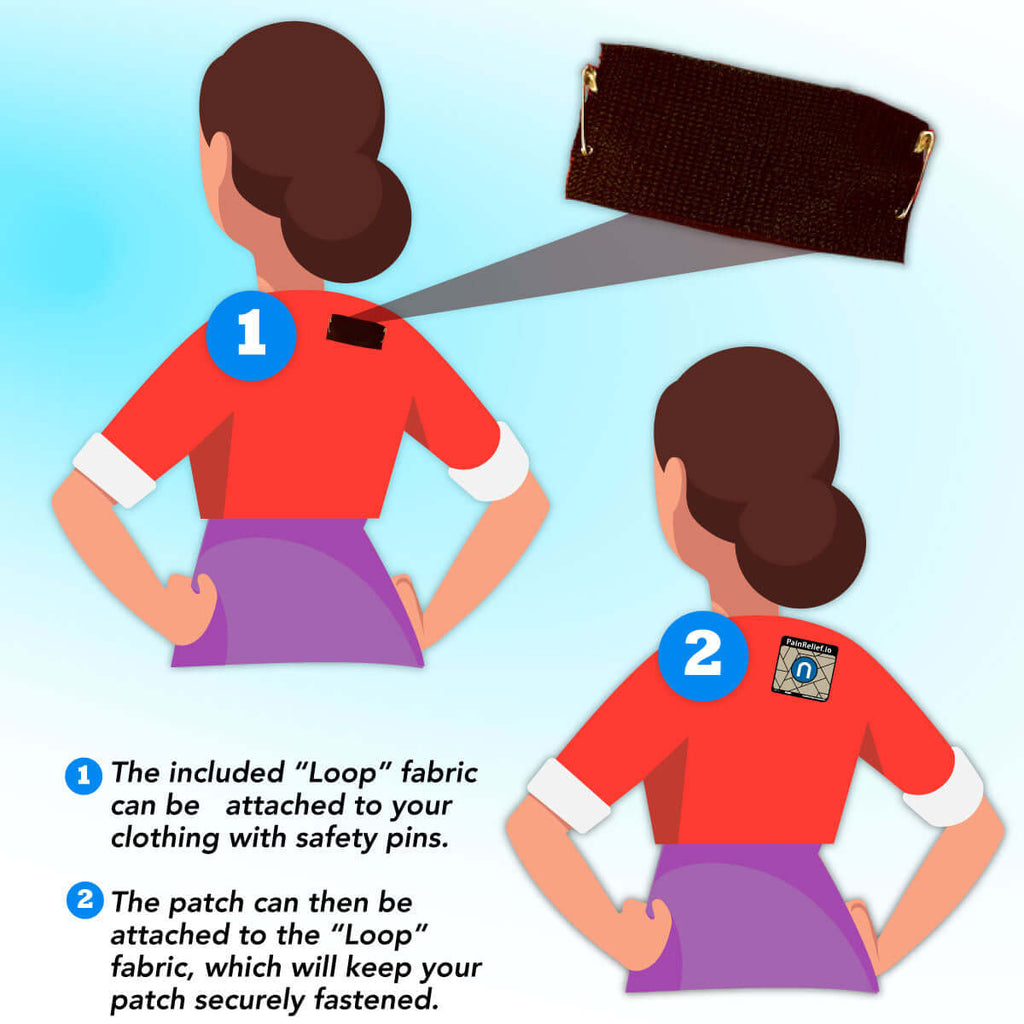
This type of support is not a substitute for evaluating severe or changing symptoms. Its advantage is usability: it can be worn during a commute, at a desk, or while doing light activity, without medication, creams, cords, or disposable patches. Individual responses to any pain-relief method vary, so it is reasonable to test what placement and timing work best for your body.
Cramps are easier to manage when you do not have to make every decision while in pain. If your period is fairly predictable, prepare your relief tools a day or two ahead of time. Keep your wearable device, a heat option, comfortable clothing, water, and easy meals accessible.
Track your symptoms for two or three cycles. Note when cramps begin, where they radiate, how long they last, how heavy your bleeding is, and what actually helps. This record can reveal patterns, such as lower-back pain beginning the night before bleeding or cramps peaking on day two. It also gives a healthcare professional more useful information if you need an evaluation.
Consider the trade-offs between your options. Heat can be deeply comforting but less mobile. Rest may be essential on the hardest day, but gentle movement may help prevent the stiffness that comes from staying still for hours. Medication can help some people, but others prefer to limit it due to side effects, personal preference, health conditions, or frequent monthly use. A layered, drug-free routine gives you more than one lever to pull.
Do not assume debilitating cramps are simply your normal. Seek prompt medical care for sudden, extreme pelvic pain, fainting, fever, persistent vomiting, a positive pregnancy test with pain or bleeding, or bleeding so heavy that you are soaking through pads or tampons very quickly.
Make a non-urgent appointment if pain routinely causes you to miss work, school, sleep, or regular activities; if over-the-counter approaches no longer help; or if your periods have become noticeably more painful, heavier, or irregular. Pain during sex, pain with bowel movements or urination around your period, bleeding between periods, and difficulty becoming pregnant are also worth discussing.
A clinician may ask about your cycle, perform an exam, recommend imaging, or discuss treatment options based on your symptoms and health history. Getting evaluated does not mean you have to give up drug-free strategies. It means you can make choices with a clearer understanding of what may be driving the pain.
There is no prize for waiting until cramps become unbearable. The best severe menstrual cramps relief plan is the one you can realistically use at the first signs of discomfort, month after month. Keep it simple, portable, and responsive to your actual symptoms - then let your experience, not guilt or habit, guide what you reach for next.