
Livraison et retours gratuits au-dessus de 100 $ !
A stiff lower back at 7 a.m. can change the whole day before it starts. So can a headache that shows up during work, a knee that complains on stairs, or jaw tension that turns dinner into a chore. That is why so many people are looking for safe pain relief without medication - not because they want something trendy, but because they want support they can actually live with.
For many adults, pain relief is not a once-in-a-while issue. It is recurring. It is local. It is tied to posture, overuse, inflammation, stress, recovery, or the wear and tear of normal life. And while medication has a place, plenty of people want fewer pills, fewer side effects, and fewer short-term fixes that disappear as soon as they wear off.
Drug-free pain support is a broad category, and not every option fits every person or every type of discomfort. Safe pain relief without medication usually means noninvasive approaches that support the body without introducing active drugs into the system. That can include heat, cold, movement, bracing, manual therapies, relaxation techniques, and wearable technologies designed for localized use.
The word safe matters here. Safe does not mean universal, automatic, or risk-free in every situation. It means choosing options that are appropriate for your symptoms, your body, and your daily reality. A heating pad may feel great on muscle tension but be the wrong choice for a fresh swelling injury. Stretching can help stiffness but aggravate irritated tissue if you push too hard. Even natural approaches work best when they are matched to the problem.
That is the real advantage of drug-free support when it is done well. It can be targeted. It can be repeated. And in many cases, it can be woven into normal life instead of forcing you to plan your day around the next dose.
The shift is practical, not philosophical. Some people are trying to avoid stomach upset, drowsiness, or medication interactions. Others simply do not like the cycle of temporary relief followed by another round a few hours later. If pain is frequent, convenience starts to matter as much as effectiveness.
That is where noninvasive options stand out. A good solution should be easy to use, simple to repeat, and realistic for real life. If it requires a complicated setup, cords, charging, sticky residue, or constant replacement, many people stop using it even if the idea sounded good at first.
The strongest drug-free tools are usually the ones people can use consistently. Consistency matters because a sore neck from screen time, recurring menstrual pain, post-workout soreness, or an old shoulder issue is rarely solved by one perfect moment of relief. It is usually managed through better day-to-day support.
Heat and cold are still common for a reason. They are familiar, accessible, and useful when applied at the right time. Heat often helps muscle tension, stiffness, and general tightness. Cold is often better for fresh irritation, swelling, or a flare after overuse. The trade-off is that both are temporary and not always convenient when you are working, traveling, or trying to move around.
Movement-based relief is another major category. Gentle walking, mobility work, stretching, and physical therapy exercises can reduce stiffness and support recovery. This approach can be powerful, but timing and technique matter. If movement is too aggressive, too early, or not suited to the pain source, it can backfire.
Hands-on approaches like massage and bodywork can also help, especially for tension-related discomfort. The challenge is access. Not everyone has the time, budget, or schedule to rely on appointments for recurring pain.
Then there are wearable, drug-free devices. This category has grown because people want support they can place directly where it hurts and keep using during normal activity. The best of these are simple, noninvasive, and designed for repeat use rather than one-and-done relief.
If you are comparing wearable pain tools, start with the basics. Does it target a specific area, or is it too generic to be useful? Localized discomfort usually needs localized support. A device that works on the lower back may not be the right shape or size for the jaw, knee, or forehead.
Next, look at ease of use. Battery-free and wire-free designs have a clear advantage for daily wear because they remove friction. If a tool feels like equipment, people tend to use it less. If it feels like something you can apply in seconds and get on with your day, it has a much better chance of becoming part of your routine.
Reusability matters too. Disposable patches and creams may seem inexpensive at first, but the cost adds up quickly if pain is recurring. A reusable device changes that value equation, especially if it is designed to last for years rather than days.
Credibility is another factor many shoppers overlook. In pain relief, plenty of products make broad promises. It helps to look for invention-led design, patented technology, and clear explanations of how the product is intended to interact with the body. That does not mean every technical claim needs to be complicated. It means the product should have a real foundation, not just marketing language.
People living with recurring discomfort do not need one more thing to manage. They need options that lower effort, not add to it. That is one reason simple wearable support has become so appealing.
When a drug-free device is noninvasive, easy to place, and wearable through ordinary activities, it fits the way pain actually shows up. Back pain does not always wait until you are home with a heating pad. TMJ discomfort does not only appear when it is convenient. Menstrual pain, headache pressure, and sore joints can interrupt work, errands, travel, exercise, and sleep.
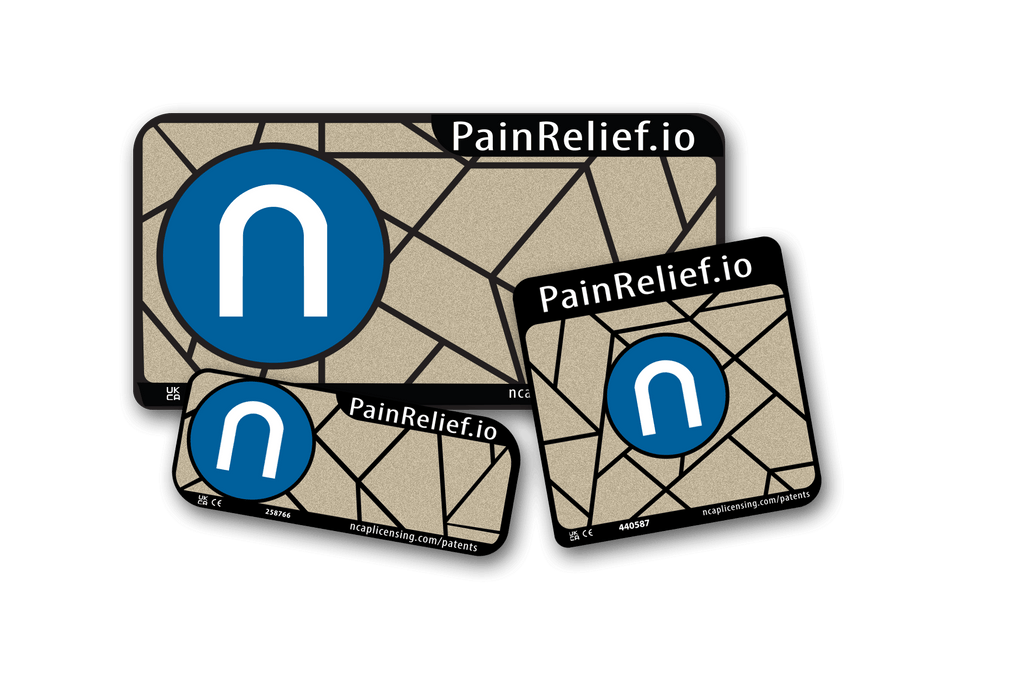
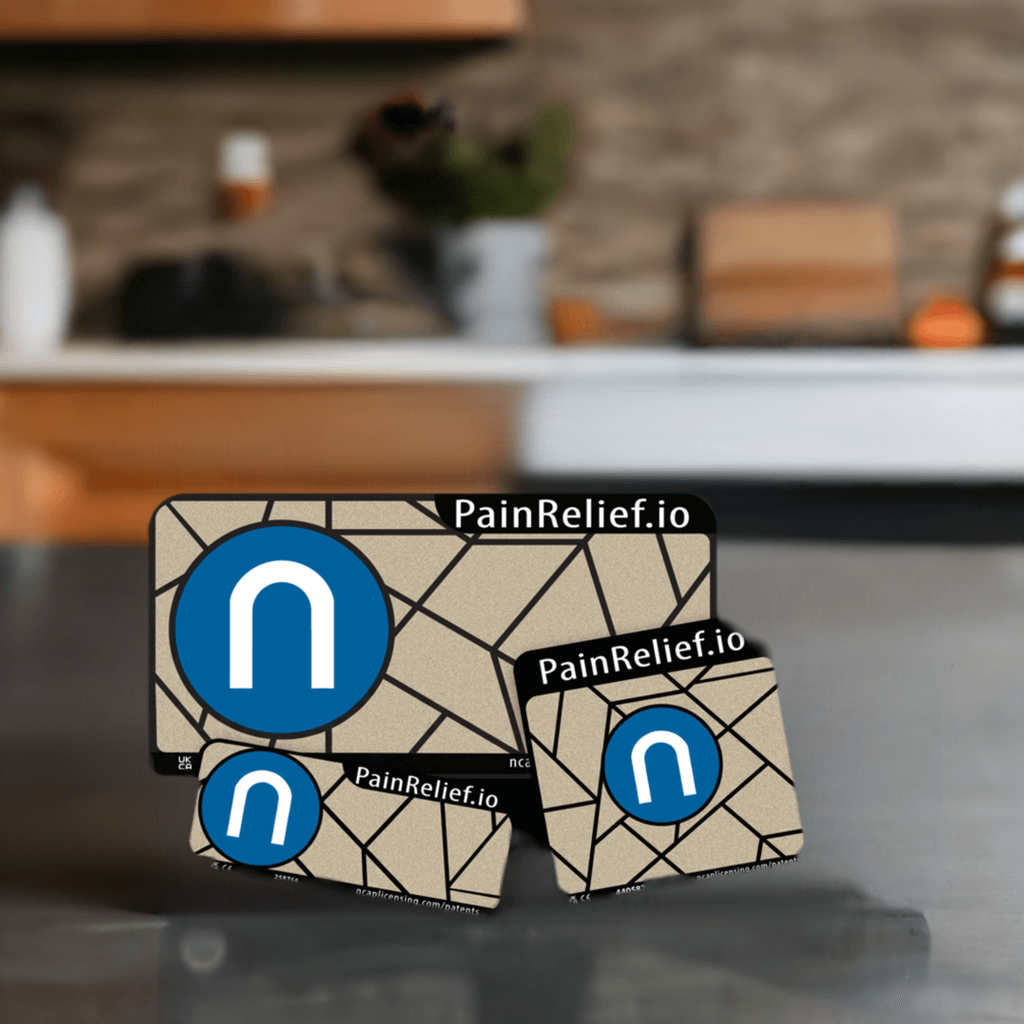
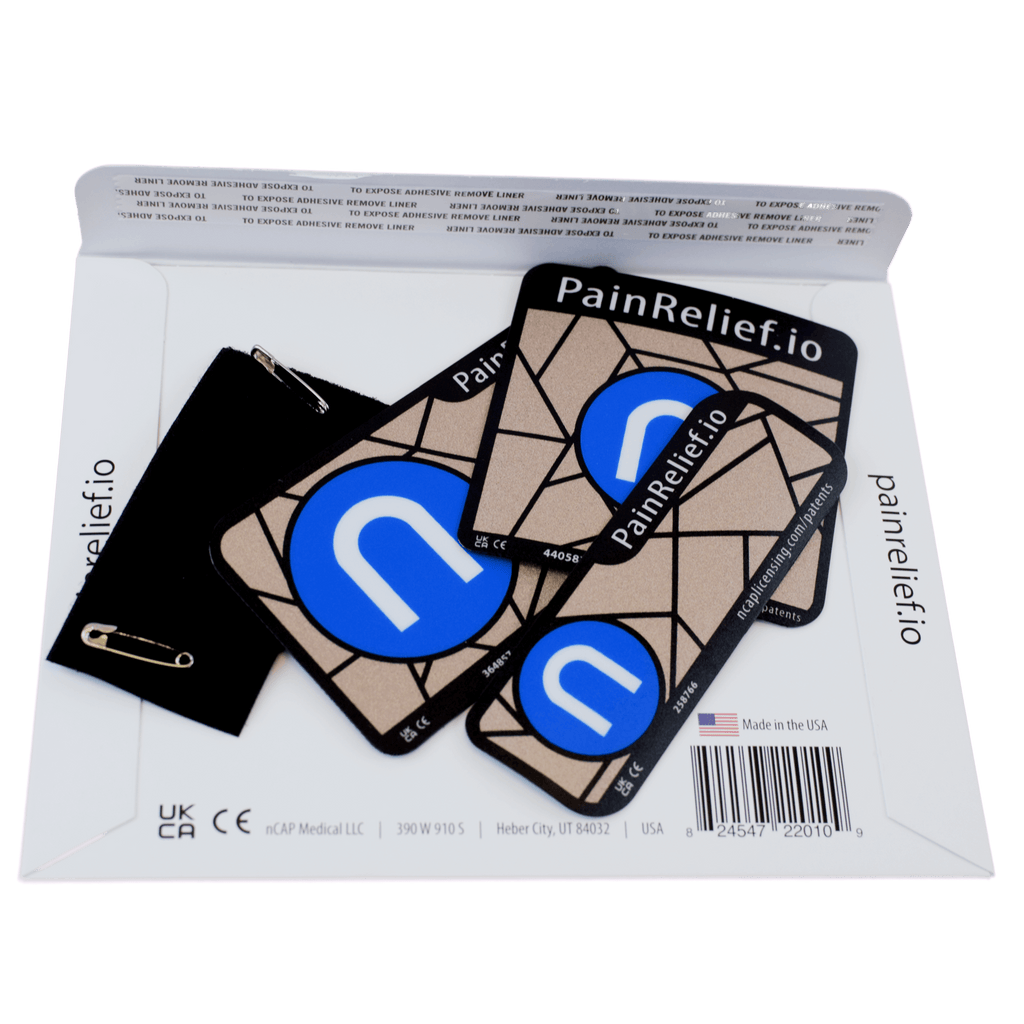
A practical solution has to meet people where they are. That is part of the appeal behind patented, reusable technologies like the ones developed by PainRelief.io. The goal is not to complicate pain management. It is to offer body-area-specific support that is easy to use again and again without drugs, batteries, or messy applications.
This is where people often get frustrated. They try one drug-free method, it only partly helps, and they decide none of it works. In reality, the better question is whether the method matched the type of discomfort.
Tight muscles after a long drive may respond well to heat and movement. A swollen ankle after overdoing it may need rest and cold first. Jaw tension from clenching is different from menstrual cramping, and both are different from post-workout soreness in the lower body.
Localized wearables can be especially useful when the discomfort has a clear area. That includes back pain, knees, shoulders, elbows, wrists, headaches, and other repeat trouble spots. The fit matters. So does placement. A product that is designed around specific body zones tends to be easier to use correctly than a one-size-fits-all option.
There is a place for nuance here. Pain is not always simple, and not every pain issue should be self-managed indefinitely. If discomfort is severe, sudden, worsening, or paired with symptoms like numbness, weakness, fever, major swelling, chest pain, or unexplained changes in function, it is time to get medical care.
Even for less urgent pain, drug-free support may work best as part of a bigger plan. That might include physical therapy, better sleep, movement changes, improved ergonomics, or a conversation with a clinician about what is actually driving the pain. Non-medication relief does not have to replace everything else to be valuable. Sometimes its biggest benefit is helping people reduce reliance on short-term fixes while staying more comfortable day to day.
The most effective pain strategy is usually the one you will actually keep using. That means being honest about your habits. If you know you are not going to do a 30-minute mobility sequence every morning, choose simpler supports. If your pain is predictable, like soreness after activity or recurring menstrual discomfort, prepare before it peaks. If it is tied to a specific area, choose a solution built for that area instead of settling for something generic.
Relief also works better when you stop expecting one tool to do everything. You may use movement for stiffness, a wearable device for localized support during the day, and heat at night. That is not a compromise. It is often the most practical way to manage recurring pain without leaning entirely on medication.
Safe pain relief without medication is not about pretending pain is simple. It is about choosing support that respects how people really live - working, moving, parenting, traveling, recovering, and trying to stay present through discomfort. The best option is usually not the flashiest one. It is the one that feels credible, fits your body, and keeps showing up when you need it.
Recherche
Terms of Service
Refund Policy
Contact Us
Ne pas vendre ou partager mes informations personnelles
Affiliates: Join or Log In
PATENTS
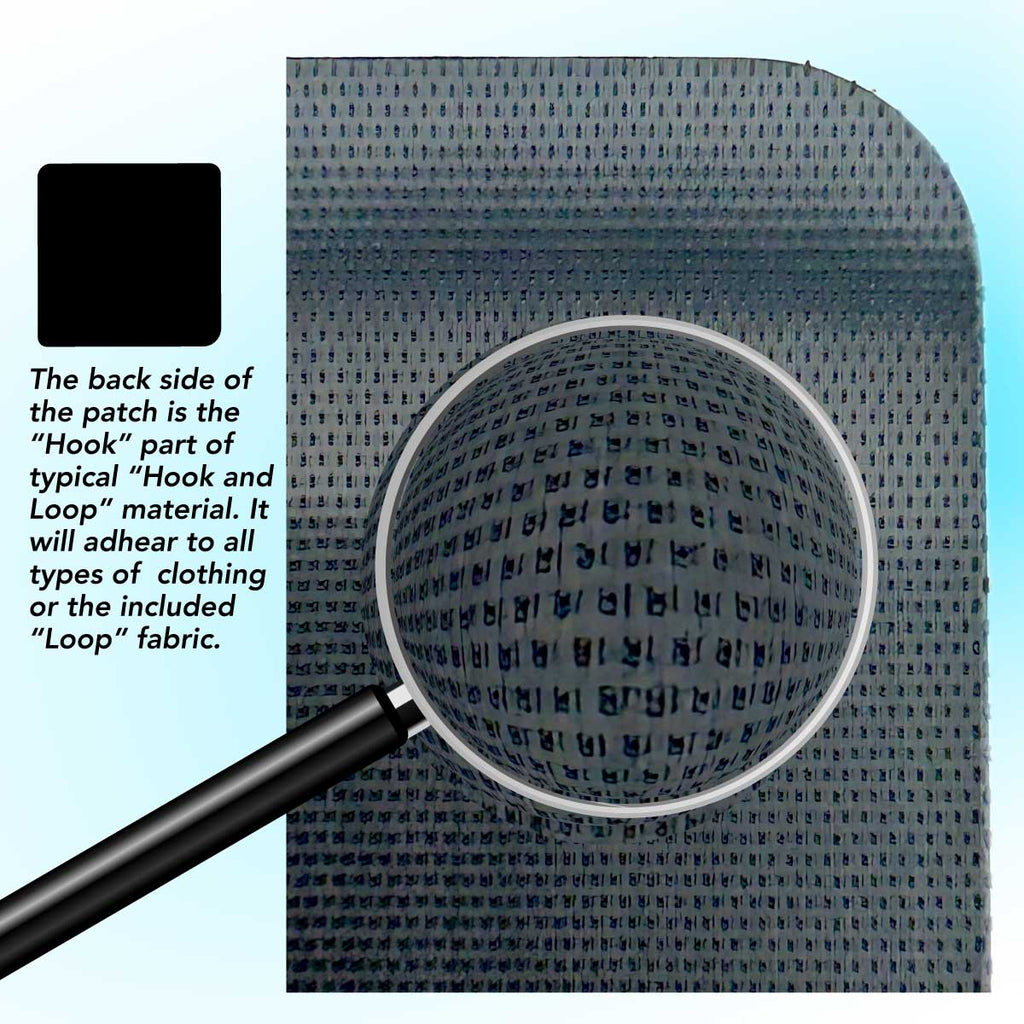
C'est simple à utiliser ! Placez simplement l'appareil au-dessus de votre douleur - Entre la douleur et le cerveau (tm) - et votre douleur commencera à s'estomper en quelques minutes. Le tout dans un appareil portable fin, réutilisable. Pas de piles, pas de fils, pas d'huiles malodorantes, pas de médicaments et ça agit rapidement !!
L'appareil est construit avec notre couche brevetée Neurocuple® scellée entre deux couches imperméables. Une fois placée au bon endroit, la couche Neurocuple® est activée directement par l'énergie du corps de l'utilisateur. Après quelques minutes, une sensation de chaud, de froid ou de picotement est ressentie par l'utilisateur à mesure que la douleur s'estompe.
L'appareil PainRelief.io® est un produit de bien-être général qui aide à promouvoir l'activité physique chez les utilisateurs souffrant de douleurs chroniques et intermittentes, ce qui, dans le cadre d'un mode de vie sain, peut aider à vivre avec ces conditions et peut retarder l'apparition des handicaps associés.