

You usually do not notice overuse strain while it is building. It shows up later - after the workout, after the long shift, after another day at the keyboard, or after lifting the same child, bag, tool, or box one too many times. If you are looking for reusable relief for overuse strain, you are probably not just dealing with one bad movement. You are dealing with repetition, irritation, and the frustrating way pain keeps coming back when life does not slow down.
Overuse strain is common because the body is built for movement, but not always for the same movement over and over without enough recovery. That is why the pain can feel confusing. You did not fall, twist, or have a dramatic injury. But your shoulder aches when you reach overhead, your wrist burns after typing, or your knee complains every time you take the stairs.
Overuse strain happens when muscles, tendons, joints, or nearby tissues are asked to do more than they can comfortably handle over time. Sometimes it comes from work, sometimes from exercise, and sometimes from ordinary routines that simply add up. Think of runners with sore knees, office workers with neck and shoulder tension, parents with wrist or low back pain, or warehouse employees dealing with repetitive lifting strain.
The key issue is not always damage in the dramatic sense. Often, it is ongoing irritation. Tissue gets stressed, movement patterns tighten up, and the nervous system starts paying closer attention to the area. That is one reason symptoms can linger even when imaging does not show anything major. Pain is real, but the source is often a mix of tissue overload, inflammation, tension, and irritated signaling.
This matters because many people treat overuse strain like a one-time problem. They rest for a day, apply something temporary, and then go right back to the same pattern. If the cause keeps repeating, the discomfort often does too.
Disposable pain relief can feel convenient in the moment, but it often creates a cycle. You use a cream, patch, or pill, get short-term help, and then need more when symptoms return. For pain that is tied to repeated activity, that approach can become expensive, inconvenient, or simply unsatisfying.
Reusable relief for overuse strain fits the reality of the problem. If strain is recurring, the relief strategy should be practical enough to use recurringly too. That is where wearable, drug-free options stand out. Instead of reaching for another single-use solution every time your shoulder flares after tennis or your back tightens after work, you have something designed for ongoing use.
There is also a quality-of-life factor here. Many people do not want to depend on oral pain relievers day after day. Others are tired of messy topicals, bulky braces, or heating pads that only work while they are plugged in. Reusable solutions can offer a better middle ground - supportive enough for real life, simple enough to keep using, and flexible enough to move with you.
No single tool is right for every kind of pain. Heat can feel great for stiffness, but it is not always practical when you need to move around. Ice may help after activity, but it is short-lived and can be hard to use consistently. Creams are easy to buy, yet some people dislike the smell, skin sensation, or repeated reapplication. Pain medication may help some users, but not everyone wants a drug-based routine for a recurring issue.
Braces and compression sleeves can help support a joint, but they do not always address the discomfort itself. And if the area is awkward, like the jaw, temple, upper shoulder, or low back, many common products are simply not very wearable.
That is why overuse strain often pushes people to look for something else. Not necessarily a miracle. Just a solution they can realistically use again and again without building their routine around it.
A good reusable pain relief tool should match the way overuse strain behaves. It should be easy to apply to a specific area, comfortable enough for repeated wear, and simple enough that you will actually keep using it.
Targeted placement matters. Overuse strain is rarely vague. It tends to show up in very specific places - the outside of the knee, the base of the neck, the low back, the wrist, the forearm, or the shoulder blade area. A reusable wearable solution should help you address that exact spot instead of forcing a broad, one-size-fits-all approach.
Long-term usability matters too. If you know your pain tends to show up after workouts, long drives, repetitive tasks, or certain workdays, a reusable option gives you something you can keep on hand without constantly replacing it. That makes it easier to build consistency, and consistency often matters more than people think.
Drug-free relief is another major advantage. For many adults, especially those managing recurring pain, the goal is not just to feel better today. It is to have more control over how they manage pain over time.
Overuse strain is not always severe enough to stop your day, but it is often disruptive enough to wear you down. It changes how you sit, how you sleep, how long you can stay active, and how much you trust your body. Relief needs to work in that real-world space.
Wearable pain relief can help because it is built for use during ordinary routines, not just during a 20-minute recovery window. If a solution is lightweight, wire-free, and easy to position, it becomes more realistic for people balancing work, movement, family, and recovery.
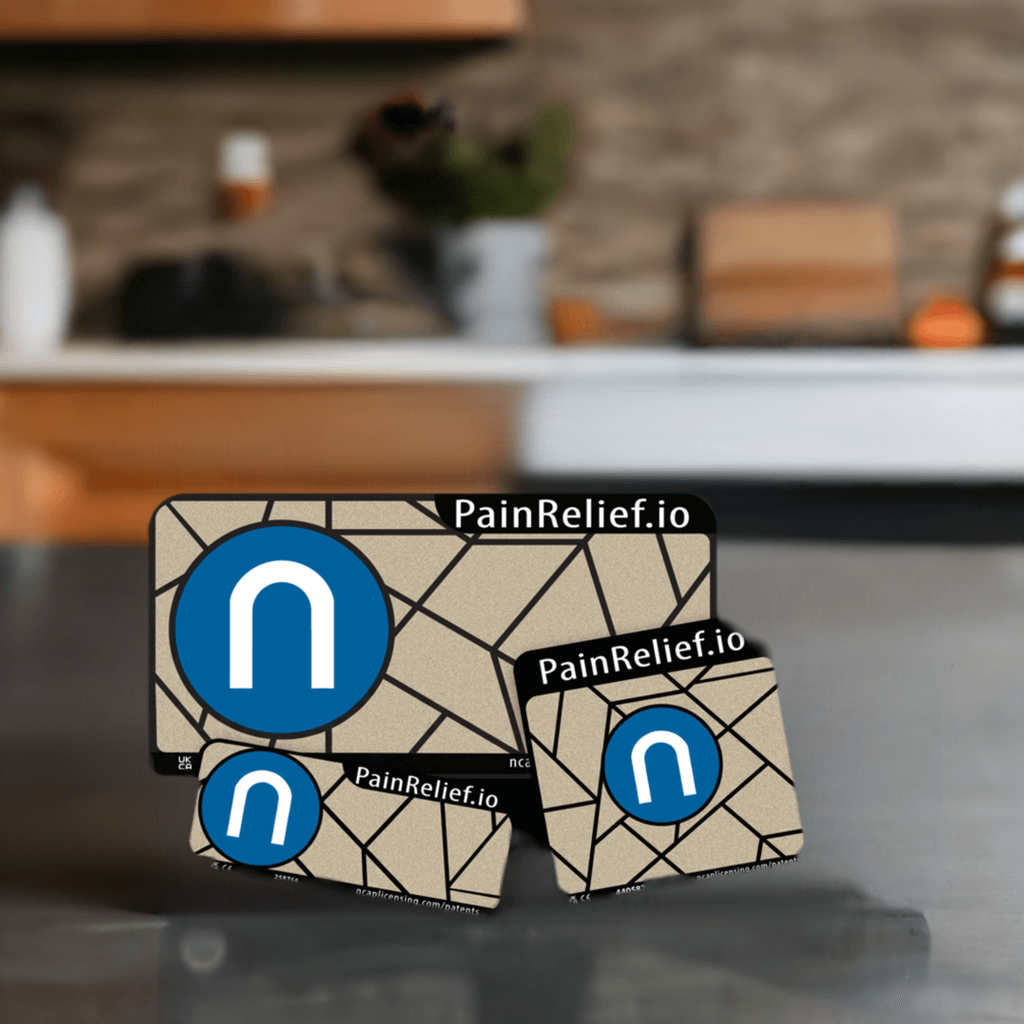
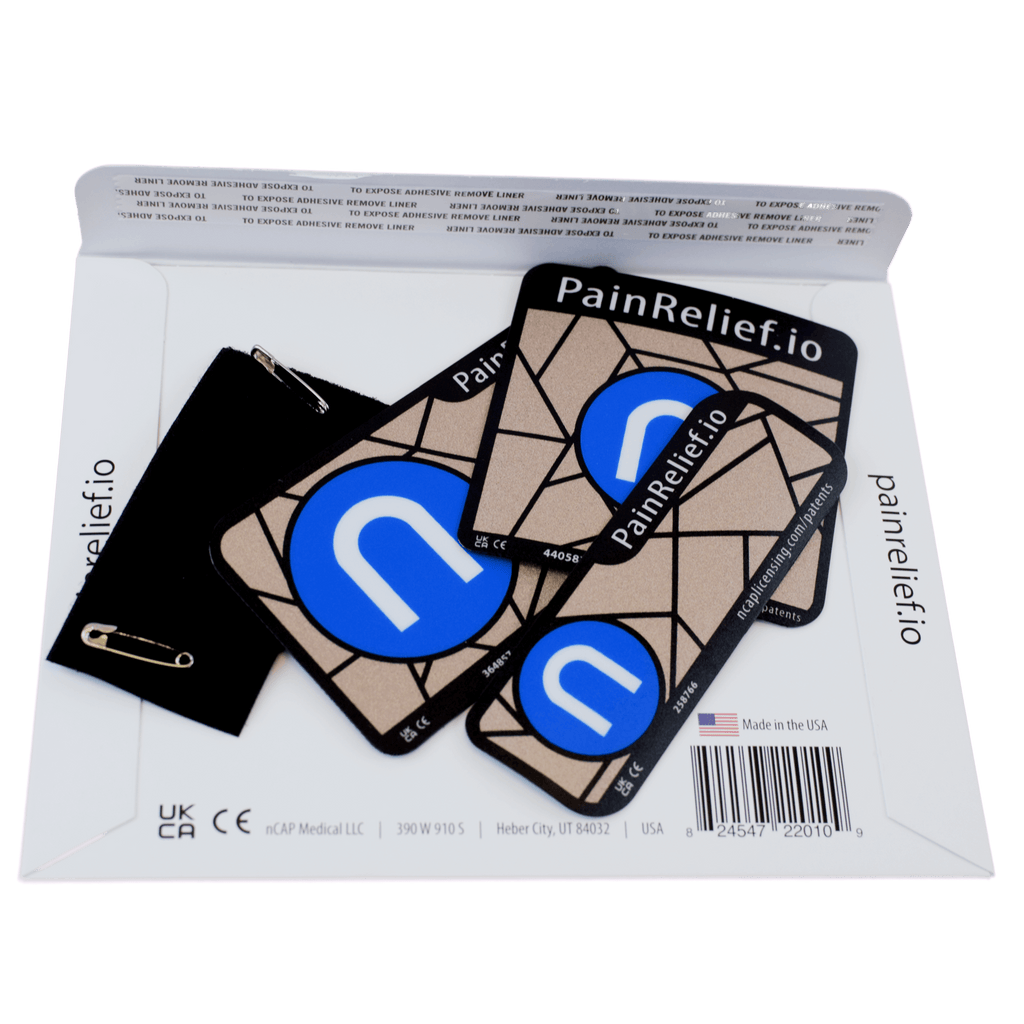
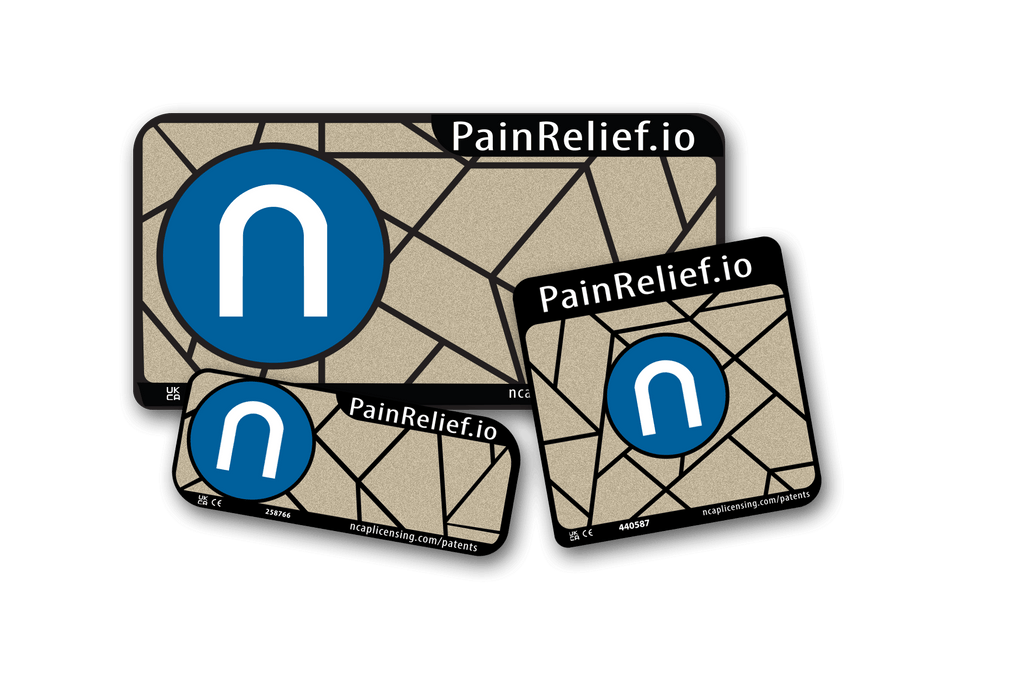
This is one reason reusable wearable devices have become more appealing to people who want alternatives to pills and disposable products. At PainRelief.io®, the focus is on patented NeuroCuple® nanocapacitive technology designed to support drug-free, targeted relief in a reusable format. That matters for people dealing with recurring strain because the issue is often not a single event. It is the pattern.
The best approach often depends on where the strain shows up. A runner with knee irritation has different needs than someone with wrist tension from computer work or shoulder strain from repeated lifting.
For neck and shoulder overuse, placement and flexibility are key. These areas tend to tighten gradually, especially with desk work, driving, or overhead motion. A wearable option can be useful because the pain often returns during the exact activities that caused it.
For low back strain, the challenge is constant motion. Sitting, standing, bending, and lifting all affect symptoms. Relief that stays in place and does not require cords or frequent reapplication is usually easier to stick with.
For knees, elbows, wrists, and forearms, repetitive movement is often the trigger. Think sports, tools, typing, line work, or even hobbies. Reusable solutions that can be matched to body area tend to make more sense than generalized products, because the difference between relief and frustration can come down to placement.
When pain keeps returning, the goal shifts. You are not only asking, “What helps right now?” You are also asking, “What can I reasonably keep using?” That is a different question, and it leads to different choices.
A relief method can be effective in theory but still fail in practice if it is messy, expensive to replace, hard to wear, or limited to a single setting. Overuse strain rewards simple systems. The easier the tool is to use, the more likely it becomes part of your routine instead of another product in a drawer.
That does not mean reusable relief works in isolation. It works best as part of a broader strategy that may include rest, better movement patterns, stretching, strength work, ergonomic changes, or activity modification. But for many people, having a reusable, noninvasive option makes those other steps easier to stick with because discomfort is no longer running the show.
If your pain tends to flare with repetition, if you want to reduce reliance on medication, or if you are tired of disposable solutions that never seem to last, reusable relief is worth serious consideration. It aligns with the actual pattern of overuse strain - recurring, activity-linked, and often stubborn rather than dramatic.
It also gives you more independence. Instead of planning around pain, you have a practical option available when your back tightens after a long day, your shoulder acts up after training, or your wrist starts complaining by mid-afternoon.
That kind of relief is not about chasing a quick fix. It is about choosing a solution you can live with, trust, and return to when your body asks for support again. If overuse strain is part of your routine, your relief plan should be ready for that reality too.