

She used to plan her month around the first two days of her period. Meetings got moved, workouts disappeared, dinner plans became maybes, and the heating pad stayed on standby. That is why this period pain relief success story matters. For many women, cramps are not a minor inconvenience. They are a recurring disruption that changes how you work, sleep, move, and show up in your own life.
What made this story different was not a miracle fix or a dramatic overnight transformation. It was a shift from chasing short-term relief to building a repeatable, drug-free routine that actually fit real life. That is often the missing piece with menstrual pain. Relief is not just about reducing pain in the moment. It is about finding something you can use again next month, and the month after that, without feeling like you are starting over every time.
The woman in this story had what a lot of people would recognize as typical period pain that did not feel typical at all. Her cramps began the day before bleeding started, peaked during the first 24 hours, and often spread from the lower abdomen into the low back. Some months she also felt fatigue, pressure in her hips, and the kind of deep ache that made sitting still uncomfortable and moving around worse.
She had already tried the common options. Over-the-counter pain relievers helped sometimes, but not always, and she did not love depending on them every month. Heat helped, but only while she was using it, which made it hard to work, sleep comfortably, or leave the house. Stretching could take the edge off, though timing mattered. If the cramps were already intense, movement felt like too much. She was not looking for perfection. She wanted fewer bad hours and more control.
That goal is worth pausing on. A lot of women search for menstrual pain relief expecting one thing to solve everything. Sometimes that happens. More often, real success comes from combining the right tools at the right time. It depends on the cause of the pain, the intensity, and how your body responds throughout your cycle.
Menstrual cramps are commonly linked to uterine contractions triggered by hormone-like substances called prostaglandins. Those contractions help the body shed the uterine lining, but they can also create significant pain. For some women, the pain stays centered in the pelvis. For others, it radiates into the low back, thighs, or hips and can come with nausea, headaches, or fatigue.
That matters because relief methods are not all designed for the same type of discomfort. Heat may soothe tight muscles and calm the area, but it can feel impractical when you need to move around. Medication may reduce inflammation and pain signaling, but some people prefer to limit how often they take it. Disposable patches can be convenient, yet they need frequent replacement and may not offer enough coverage for both front and back pain.
A better approach starts with one honest question: where is the pain actually showing up, and what makes it worse? In this case, the answer was clear. The lower abdomen was the center, but low back pain often became the bigger problem because it lingered longer and made it harder to function.
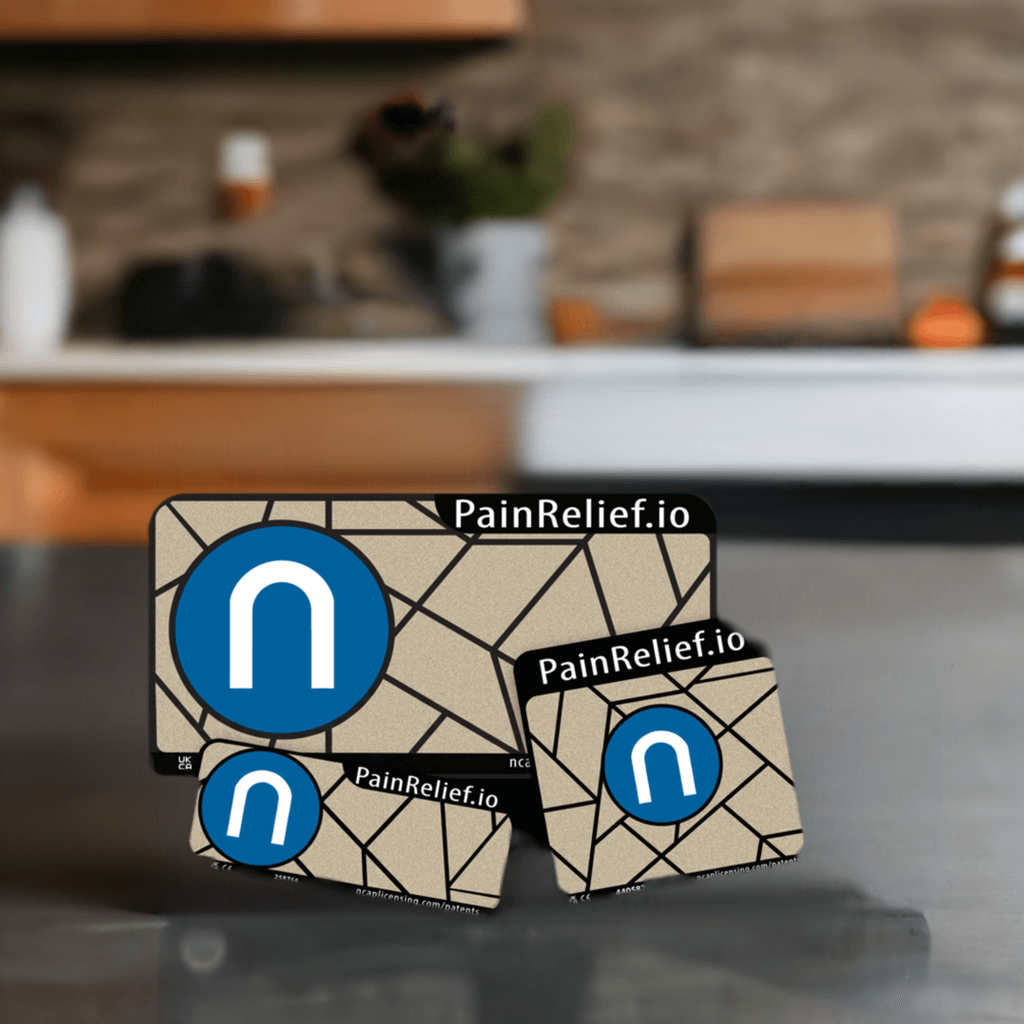
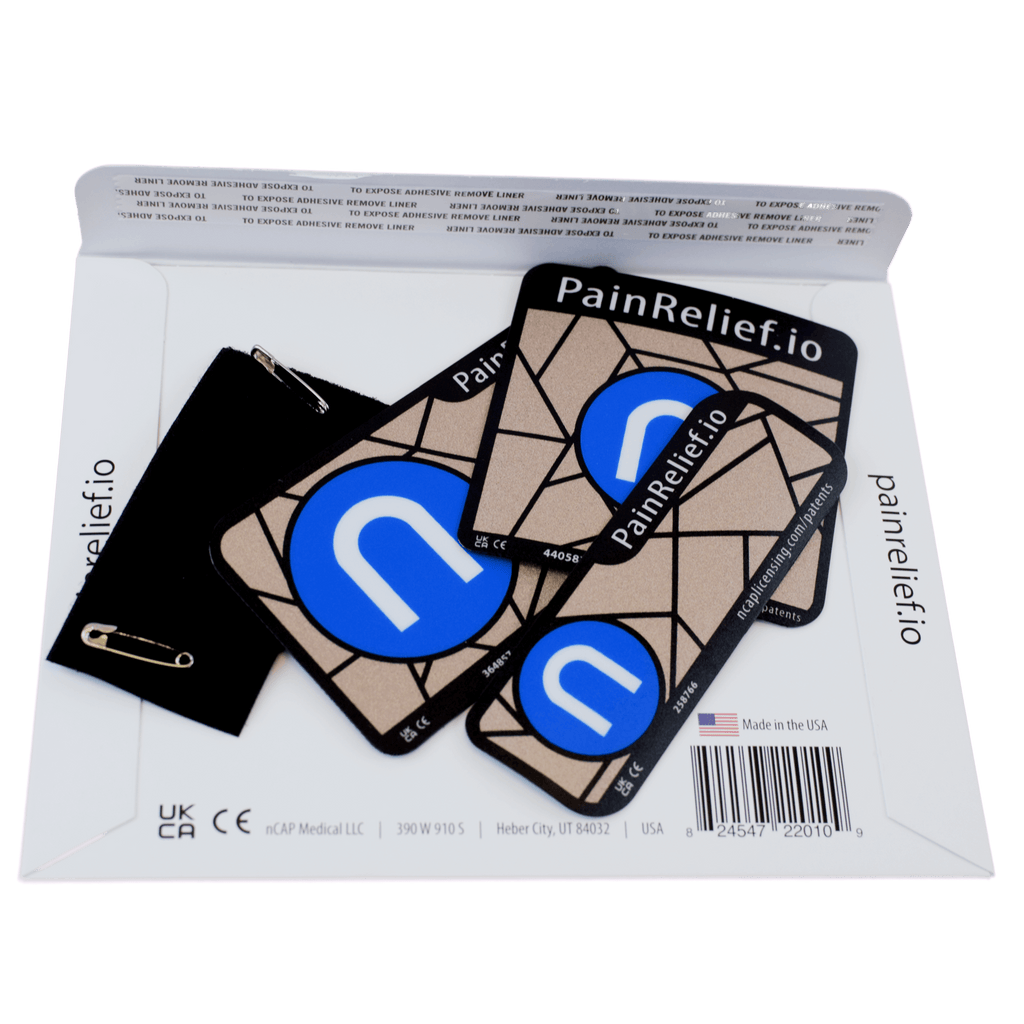
The turning point was not simply trying one more thing. It was using a wearable, reusable relief option early instead of waiting until the pain was already severe. She started applying a drug-free pain relief device as soon as the first signs of cramping showed up, usually the night before or first thing in the morning on day one.
That timing made a real difference. When she waited until cramps were intense, relief took longer and felt less complete. When she used support earlier, the pain never built to the same level. This is common with recurring pain. Once the body gets into a stronger pain cycle, it can be harder to calm down.
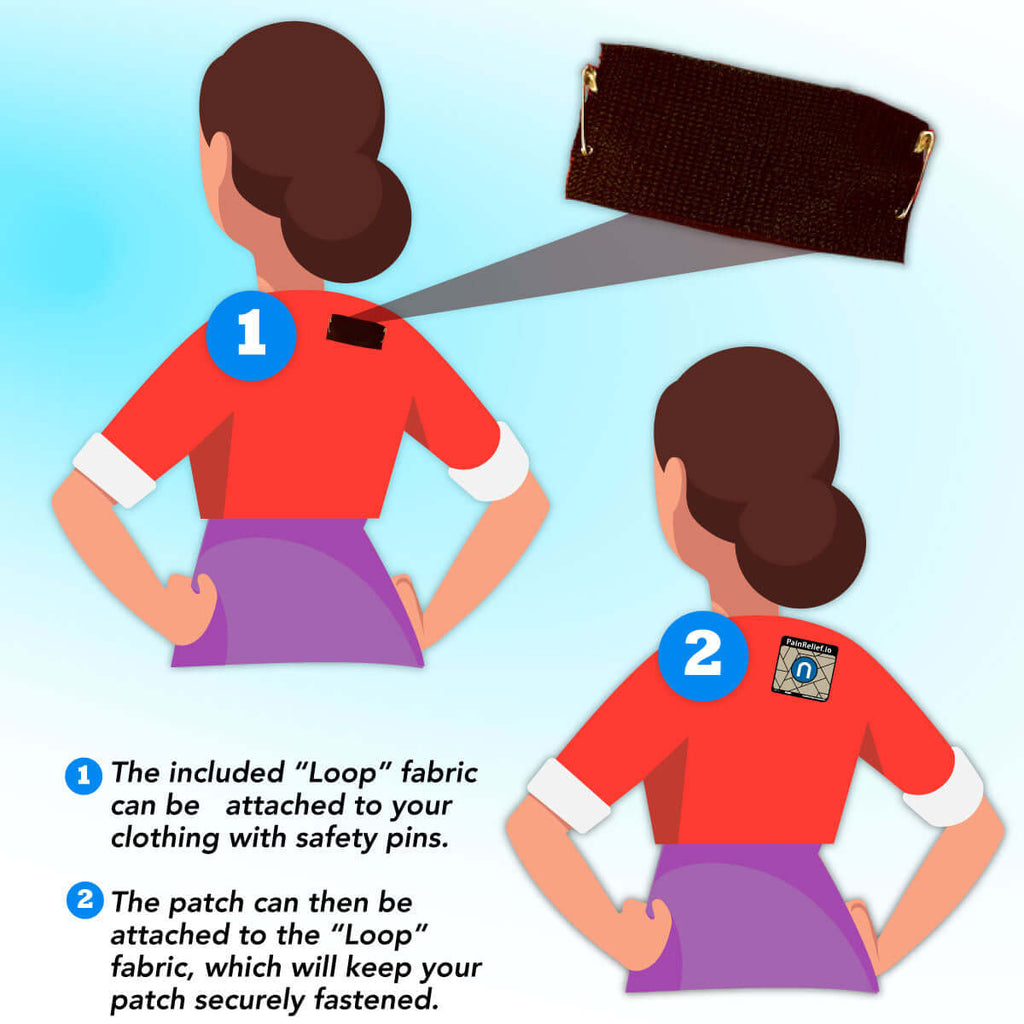
She also changed placement strategy. Instead of focusing only on the front of the body, she used support where pain was strongest that month. Some cycles meant lower abdomen placement. Other cycles meant the low back mattered more. On heavier months, both areas needed attention at different times of day.
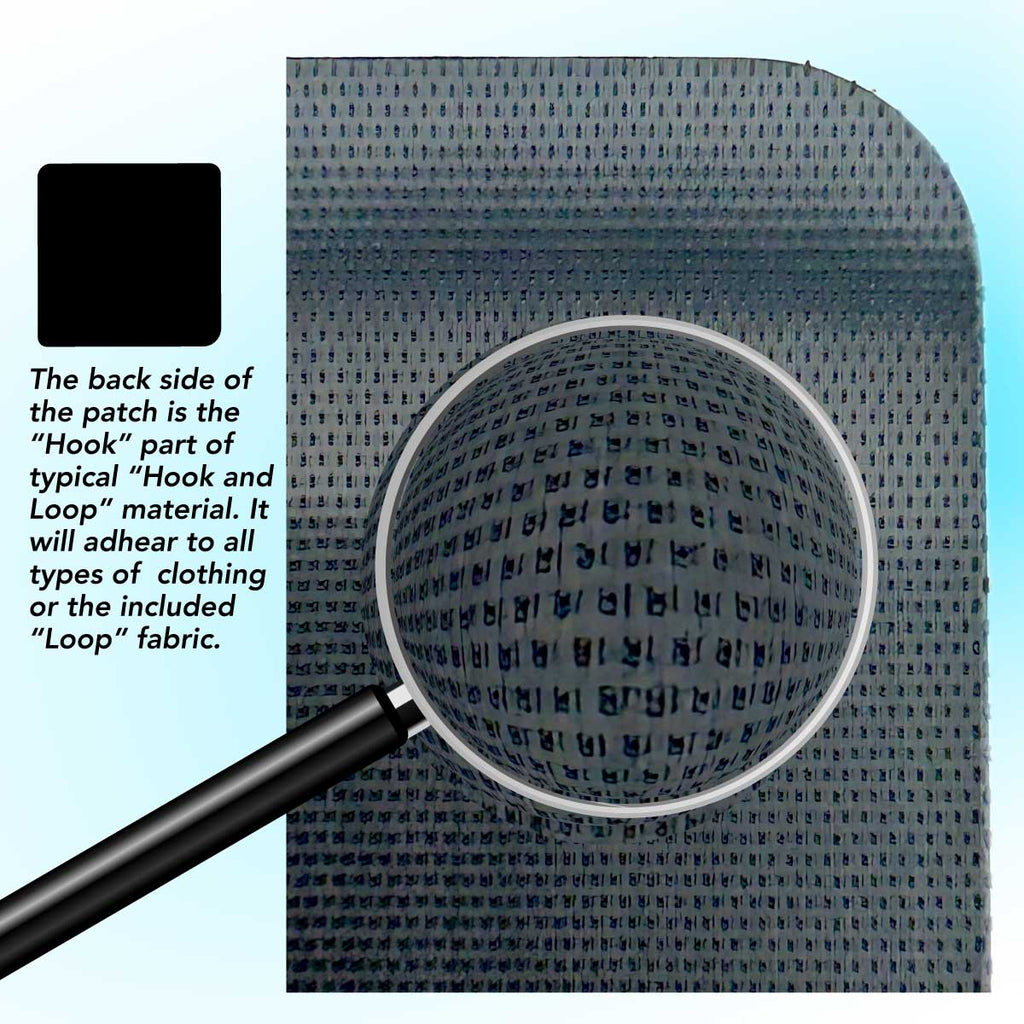
This is where wearable pain relief can be more practical than a stationary option like a heating pad. You are not tied to a wall outlet or stuck sitting still. You can work, run errands, and move through the day while still using support. For women dealing with recurring menstrual pain, that convenience is not a bonus. It is often the reason a solution gets used consistently enough to help.
Her pain did not vanish forever, and that is part of why this story feels credible. The first win was intensity. The cramping became more manageable, especially during the hours that used to knock out her routine. The second win was duration. Instead of losing a full day or two to pain, she noticed shorter flare-ups and quicker recovery. The third win was confidence. She stopped feeling like every cycle would automatically derail her plans.
That confidence piece is easy to underestimate. Pain becomes more disruptive when you expect it to control your schedule. Having a reusable option nearby changed her decision-making. She did not have to debate whether to ration medication, whether heat would be available, or whether she should just cancel plans preemptively.
There were still trade-offs. On the worst months, she sometimes layered methods. She might use wearable relief during the day, add light stretching when cramps eased enough to move comfortably, and use heat later at home. That does not mean the device failed. It means severe menstrual pain may need a more flexible routine. Success is not always one tool replacing everything else. Sometimes it is one tool making the whole month easier to manage.
For her, the appeal was not just pain relief. It was repeatability. Menstrual cramps come back. That changes how people evaluate solutions. A product that works once but is messy, short-lived, or expensive to replace may not feel sustainable over time.
A reusable option fits the reality of monthly pain better. You keep it on hand, use it when symptoms begin, and build familiarity with placement and timing. Over a few cycles, you stop guessing. You learn whether your cramps start in the evening or the morning, whether your abdomen or low back needs attention first, and when to wear it longer.
This is one reason patented wearable technology has drawn attention in the pain relief space. Rather than relying on heat, medication, or temporary topical sensation, it is designed to interact with the body in a different way while staying simple to use. At PainRelief.io®, that practical simplicity is part of the point. If a solution is not easy to wear in real life, many people will stop reaching for it even if the idea sounds good.
The biggest lesson is that menstrual pain relief works better when it is proactive, specific, and realistic. Proactive means starting early, before pain peaks. Specific means matching relief to where pain actually shows up, not just where you assume it should. Realistic means accepting that some months may require more support than others.
It also helps to track patterns for two or three cycles. You do not need a complicated spreadsheet. Just note when cramps begin, where they hit hardest, how long they last, and what you used first. That small amount of information can change everything because it turns relief from trial and error into a plan.
If your cramps routinely keep you from work, sleep, or daily activities, or if pain has suddenly become worse than usual, it is smart to talk with a healthcare professional. Conditions like endometriosis, fibroids, or adenomyosis can mimic what people think of as regular period pain. Drug-free relief tools can still be useful, but understanding the source matters.
For women whose pain is recurring but familiar, a success story like this is encouraging for a simple reason: it does not require a perfect body, a perfect schedule, or a perfect answer. It requires a better system. One that is ready before the cramps escalate, flexible enough to fit how pain shows up in your body, and practical enough to use again and again.
Relief does not have to mean waiting it out with a blanket and canceled plans. Sometimes it starts with one small change that makes next month feel a little less overwhelming, and that is how real progress usually begins.