

A period that stops your day is not simply something to push through. Period health includes the patterns that affect your energy, comfort, sleep, mood, and ability to work, exercise, or make plans. Knowing what is typical for your body - and what is changing - gives you more control over recurring symptoms and a clearer sense of when it is time to get medical guidance.
Your cycle is not required to be perfectly predictable to be healthy. Stress, travel, sleep changes, illness, weight shifts, new exercise routines, and life stages such as the years leading up to menopause can all affect timing and symptoms. The useful question is not whether your period looks exactly like someone else's. It is whether a meaningful change has become your new normal.
Period health is broader than the date bleeding begins. It includes cycle length, flow, pain, clots, digestive changes, headaches, fatigue, and how quickly you feel like yourself again afterward. Tracking these details for two or three cycles can turn a vague feeling of “something is off” into information you can act on.
Many adults have cycles that fall somewhere around 21 to 35 days, though variation can happen. Bleeding often lasts a few days to about a week. Mild cramping, low back discomfort, breast tenderness, or temporary changes in bowel habits are common. But common does not mean you have to accept symptoms that repeatedly limit your life.
For example, cramps that improve with rest and simple comfort measures are different from pain that makes you miss work, vomit, faint, or avoid normal movement every month. Heavy flow is also more than an inconvenience when it requires constantly changing protection, causes exhaustion, or leaves you feeling lightheaded. The impact on daily life matters.
During menstruation, the uterus contracts to shed its lining. Chemical messengers called prostaglandins help drive those contractions. Higher levels can be associated with stronger cramping and may also contribute to nausea, diarrhea, headaches, and body aches.
Pain can also spread beyond the pelvis. The lower back, hips, thighs, and even the abdomen can feel tight or sore because of shared nerve pathways, muscle guarding, and changes in how you move when you are uncomfortable. That is why a cramp-relief plan often works best when it addresses more than one area.
A simple monthly record can make period symptoms less mysterious. Use a notes app or calendar to record the first day of bleeding, how long it lasts, flow level, pain location, pain intensity, clots, headaches, sleep, and any medication or comfort tool you use. Add a short note about what helped and what did not.
This is not about turning your cycle into a full-time project. It is about noticing patterns. Maybe your worst cramping begins the night before bleeding. Maybe lower back pain peaks on day two. Maybe headaches appear only after poor sleep, or your periods have become steadily heavier over six months. Those details can guide your at-home routine and make conversations with a clinician more productive.
It also helps to look beyond the period itself. Pain between periods, pain during sex, persistent pelvic pressure, or symptoms that worsen cycle after cycle deserve attention even if your bleeding schedule seems regular.
There is no single best approach for every person. Some people need a quiet day and heat. Others feel better with gentle movement, hydration, and a strategy that supports pain signals directly. The goal is to build a realistic routine you can repeat, not to chase a perfect fix.
Start early when you can. If you know cramps usually arrive on the first morning of your period, prepare the night before with easy meals, water nearby, comfortable clothing, and your preferred pain-management tools. Waiting until pain is overwhelming can make the day feel harder to recover.
Gentle walking, stretching, or slow hip and lower-back mobility may reduce the stiffness that builds when you brace against cramps. This is not a command to exercise through severe pain. It is an option for the days when movement feels supportive rather than punishing.
Heat is another familiar choice. A heating pad, warm shower, or hot water bottle can relax tense muscles and offer temporary comfort. The trade-off is that heat is often stationary, requires power or reheating, and may not be practical during a commute, at work, or while sleeping.
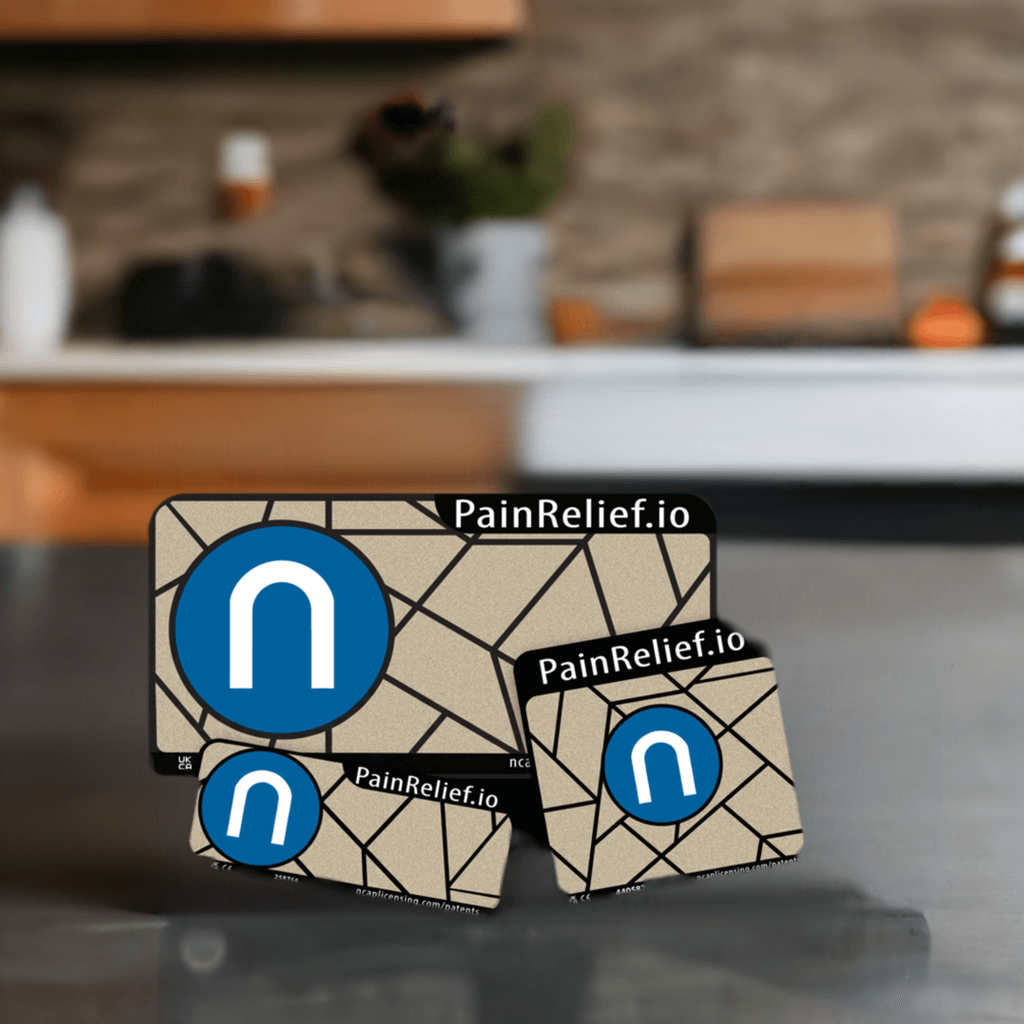
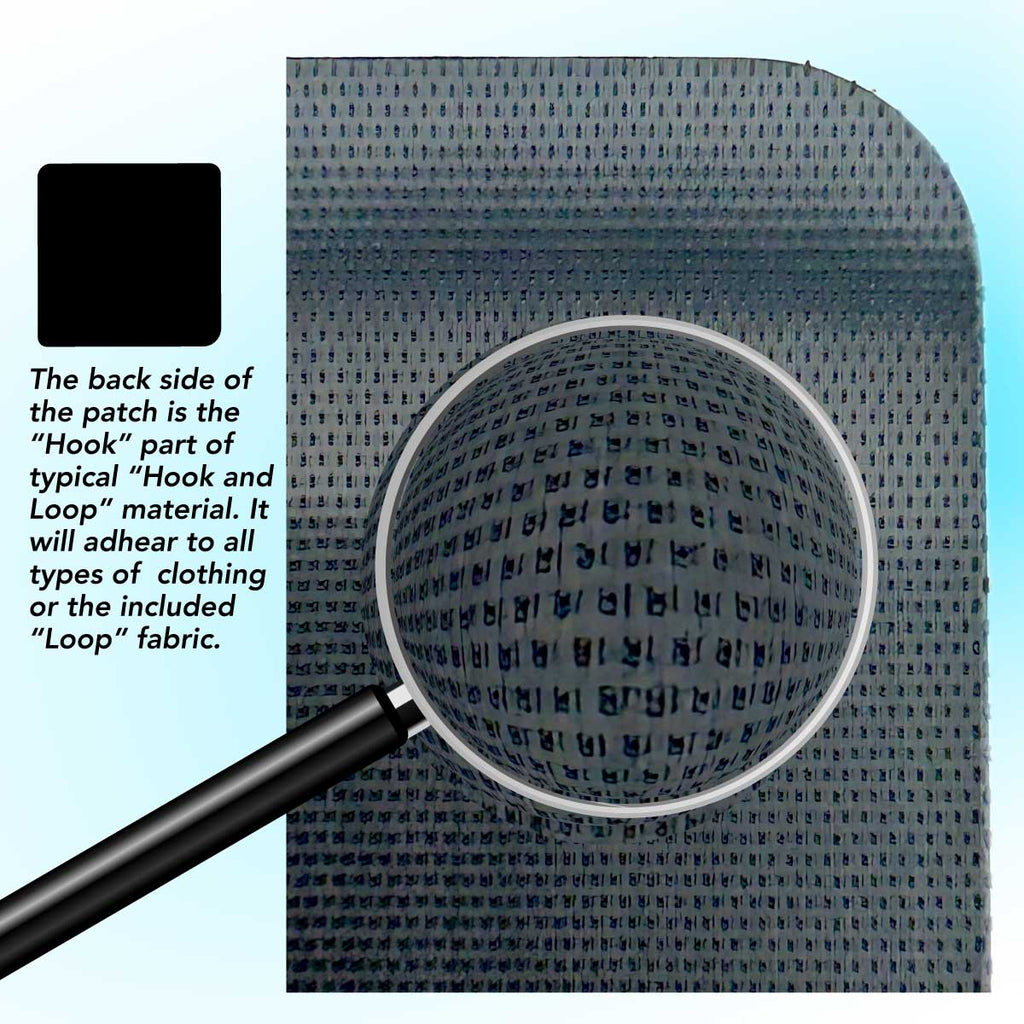
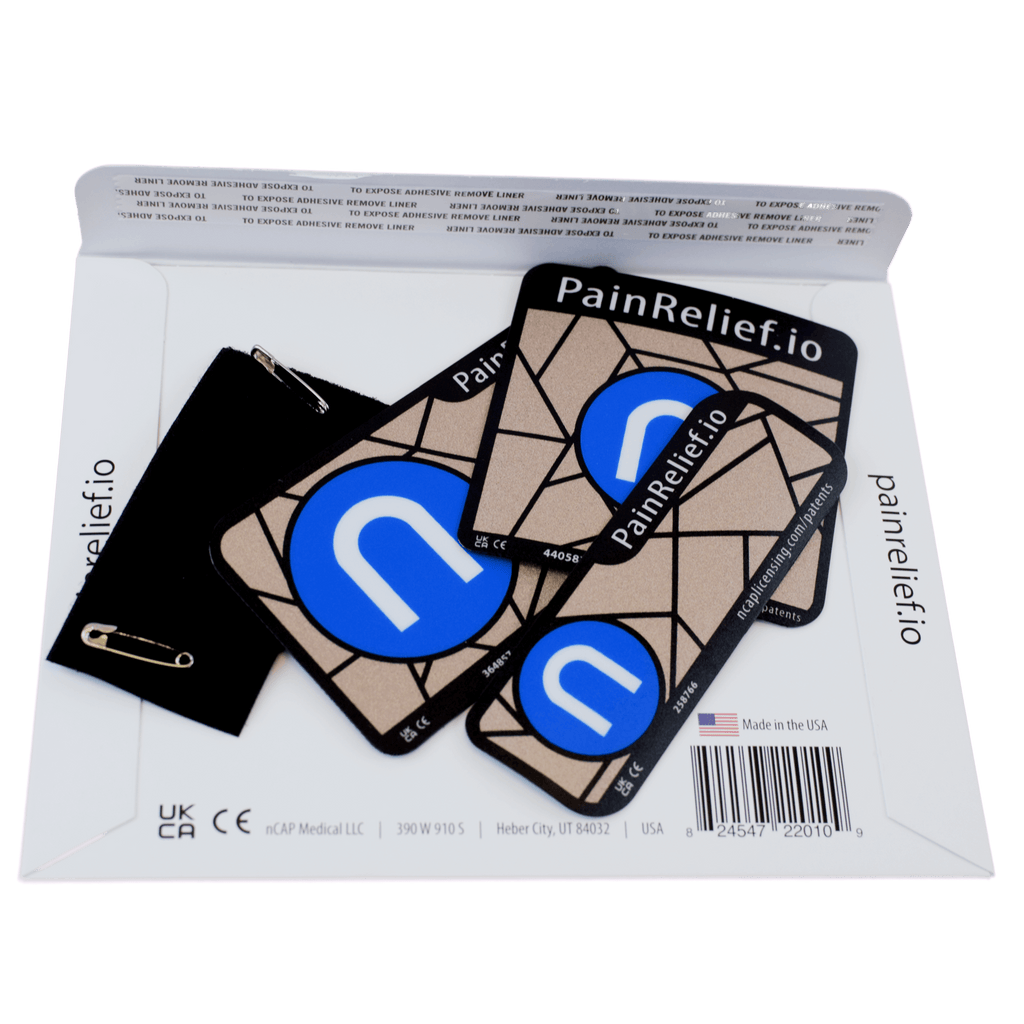
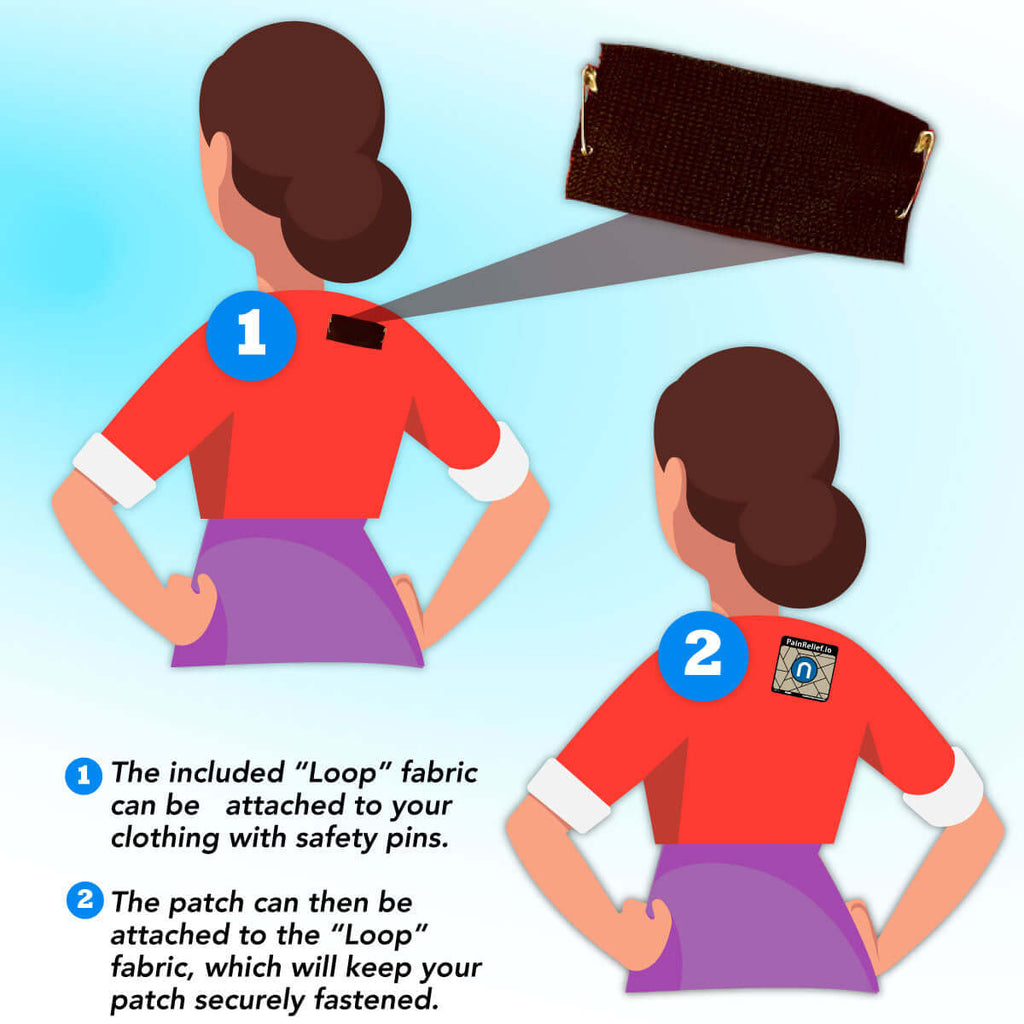
For people seeking a reusable, drug-free option, wearable pain-relief technology may fit into a broader comfort plan. PainRelief.io® devices use patented NeuroCuple® nanocapacitive technology designed to interact with the body’s bioelectrical environment without pills, wires, batteries, or topical ingredients. A lightweight wearable option can be useful when lower abdominal or back discomfort makes it hard to stay comfortable through normal daily activity.
No tool needs to do everything on its own. Some people combine a wearable device with heat at home, light movement, rest, and the medication plan recommended by their health professional. What works can depend on your pain level, where symptoms are felt, your health history, and whether your main goal is fast comfort, fewer medication days, or a more portable option.
Sleep, stress, and regular meals do not erase underlying menstrual conditions, and they should never be used to dismiss severe pain. Still, they can influence how your nervous system experiences pain and how much reserve you have when symptoms start.
Aim for the basics that are actually sustainable: consistent sleep when possible, enough fluids, regular meals with protein and fiber, and some gentle movement on non-painful days. If caffeine, alcohol, very salty foods, or specific foods reliably worsen bloating, breast tenderness, headaches, or sleep around your period, that is useful personal data - not a universal rule everyone must follow.
Period symptoms can be caused by many things, including fibroids, endometriosis, adenomyosis, polycystic ovary syndrome, thyroid changes, medication effects, pregnancy-related concerns, and infections. Only a qualified clinician can evaluate the cause. Getting checked is not overreacting when your cycle changes in a way that affects your health or daily function.
Make an appointment if your pain is severe or getting worse, bleeding is much heavier than usual, periods become significantly irregular after being predictable, or you have bleeding between periods. Also seek care for ongoing fatigue, shortness of breath, dizziness, pelvic pain outside menstruation, or pain that does not respond to the measures that usually help.
Seek urgent care for sudden, severe pelvic pain, fainting, fever with pelvic pain, possible pregnancy with bleeding or pain, or bleeding heavy enough that you are soaking through protection very quickly for multiple hours. Trust the change you are seeing in your body, especially if it feels abrupt or alarming.
The word “normal” can make people second-guess themselves. A better standard is whether your cycle is manageable, familiar, and consistent with your own baseline. You deserve answers when it is not.
Start with one small action this month: track the first day of bleeding, note where pain shows up, and write down the one thing that brings the most relief. Over time, those observations can help you build a more practical routine - and make it easier to recognize when your body is asking for more support.