
Livraison et retours gratuits au-dessus de 100 $ !
While soreness is often seen as a sign of a good workout, it can also slow you down, reduce performance, and make daily activities uncomfortable. The good news is that there are effective, drug-free ways to speed up muscle recovery and reduce soreness without relying on medication.
Muscle soreness after a workout is something almost everyone experiences at some point. Whether you’re just starting a new fitness routine, increasing intensity, or returning after a break, that familiar stiffness and discomfort can set in within hours—or even the next day.
While soreness is often seen as a sign of a good workout, it can also slow you down, reduce performance, and make daily activities uncomfortable. The good news is that there are effective, drug-free ways to speed up muscle recovery and reduce soreness without relying on medication.
In this guide, we’ll break down why muscle soreness happens, how to recover faster, and the best strategies to keep your body performing at its best.
The most common type of soreness people experience is called Delayed Onset Muscle Soreness (DOMS).
DOMS typically:
When you exercise—especially with new movements or increased intensity—you create micro-tears in muscle fibers. This is a normal part of the muscle-building process.
Your body responds by:
This repair process is what leads to stronger muscles—but it’s also what causes soreness.
While over-the-counter pain relievers are commonly used, more people are searching for:
Let’s break down what actually works.
It might feel counterintuitive, but complete rest is often not the best solution.
Light activity helps:
Even 10–20 minutes can make a difference.
Water plays a key role in muscle recovery.
When you’re dehydrated:
Drink water consistently throughout the day—not just during workouts.
Stretching can:
Focus on:
Avoid aggressive stretching, which can worsen soreness.
Circulation is one of the biggest factors in recovery.
Better blood flow means:
Sleep is often overlooked—but it’s one of the most important recovery tools.
During sleep:
7–9 hours of quality sleep per night.
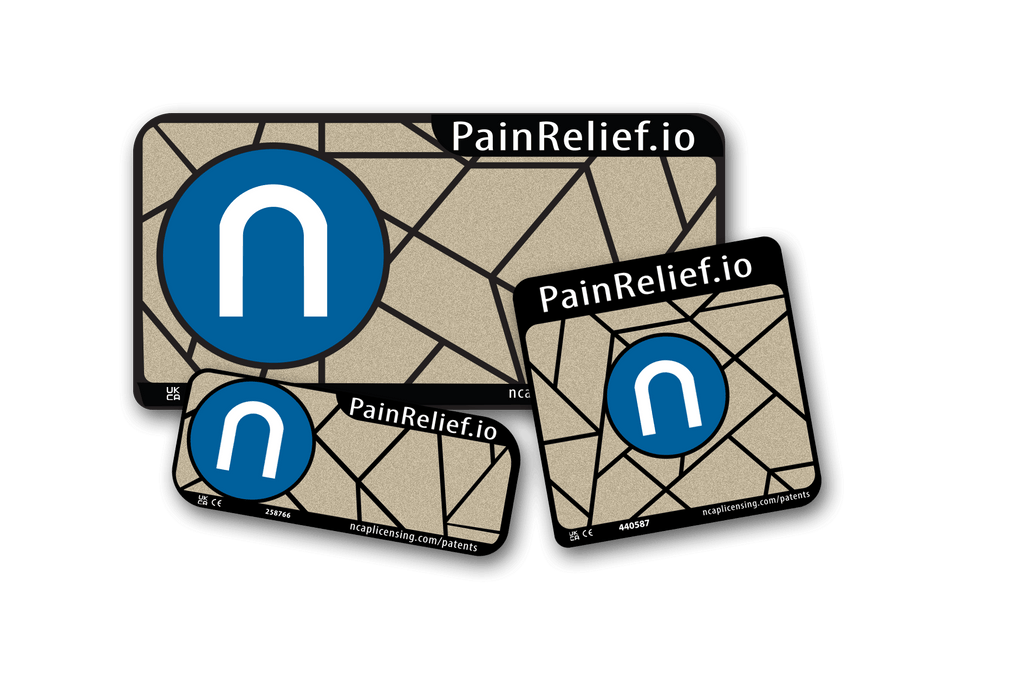
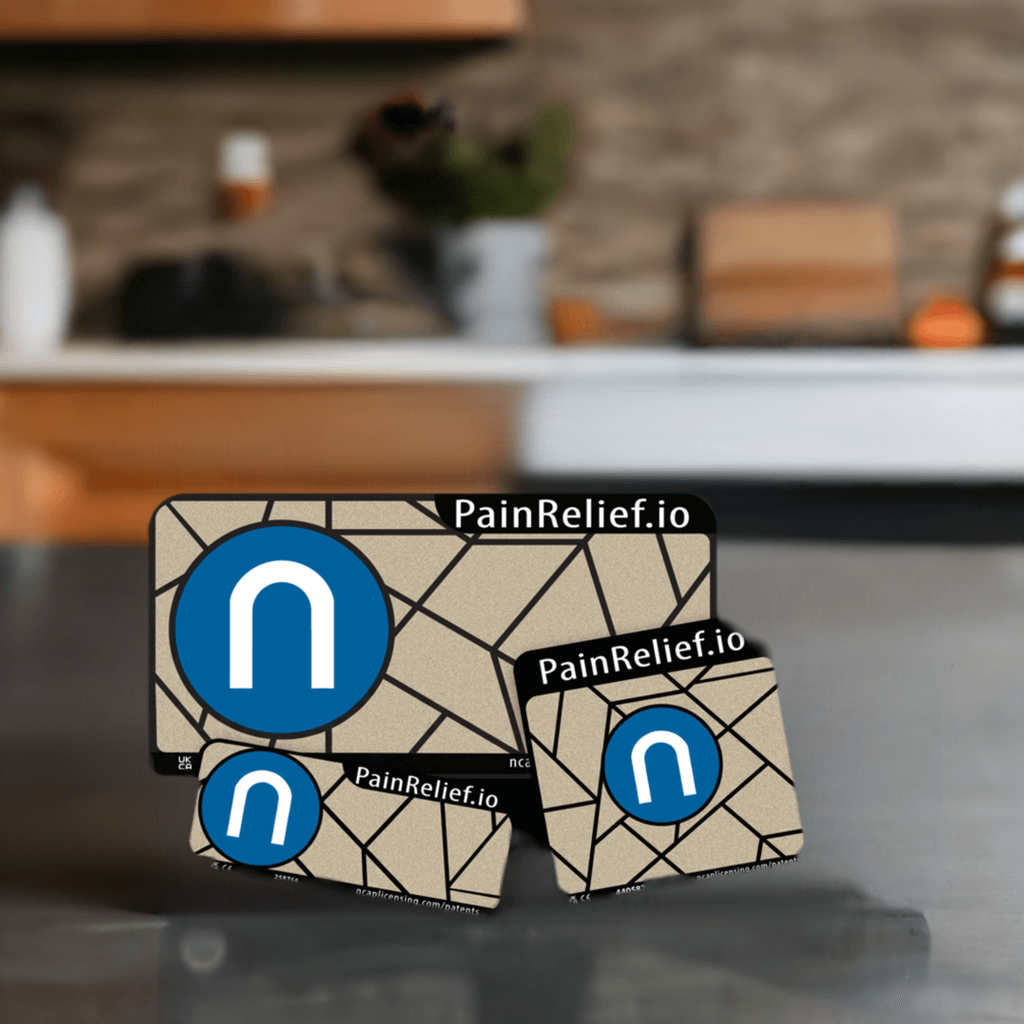
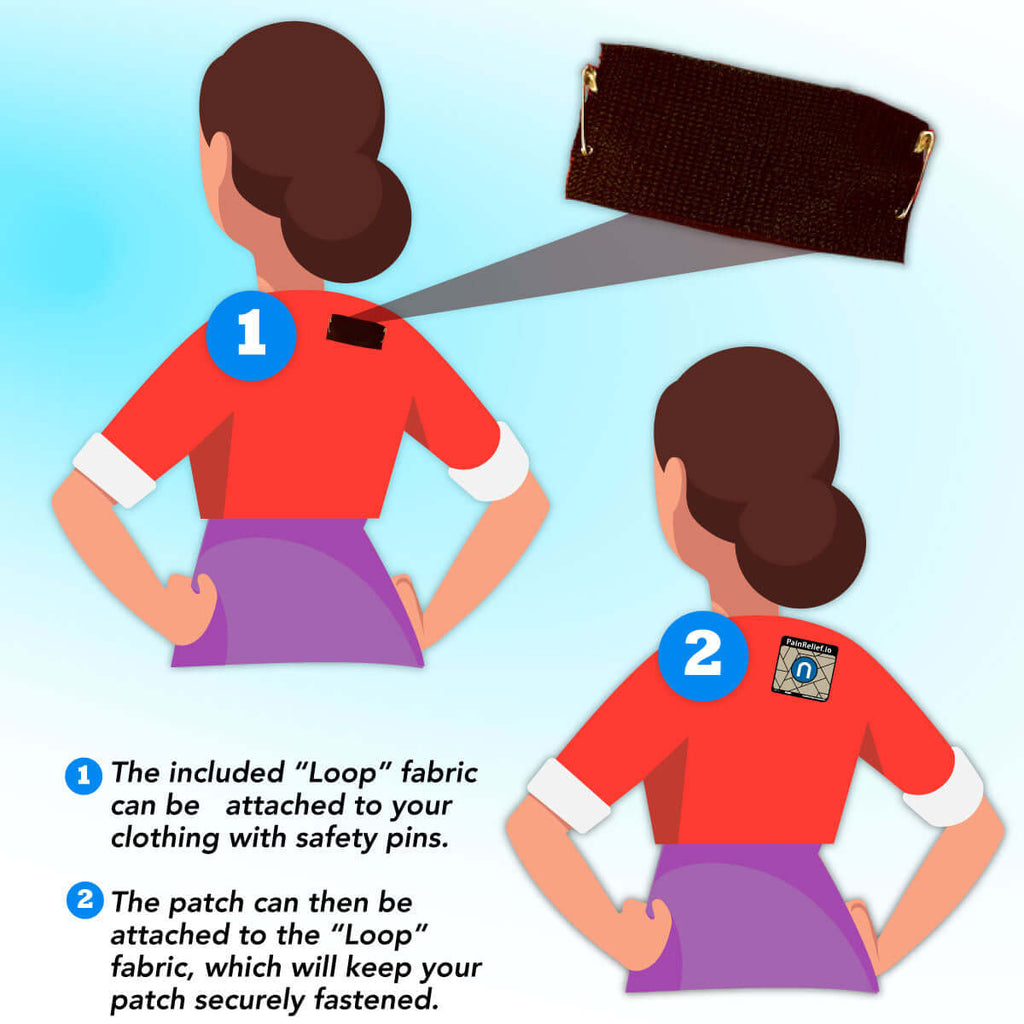
This is where many people are now turning to wearable, noninvasive pain relief solutions.
These devices:
Because they’re reusable and easy to apply, they offer a consistent recovery aid, especially for people who train regularly or experience repeated soreness.
What you eat directly impacts recovery.
Avoid these common mistakes:
Leads to stiffness and slower recovery
Can increase damage and delay healing
Slows everything down
This is not soreness—it may be injury
While soreness can’t always be avoided, you can reduce it.
Prepare muscles before intense activity.
Avoid sudden spikes in effort.
Your body adapts over time.
If you suspect injury, seek professional care.
There’s a growing shift in how people approach recovery.
Instead of:
People are choosing:
This reflects a broader move toward sustainable, drug-free pain management.
Muscle soreness is a normal part of physical activity—but it doesn’t have to slow you down.
By combining:
you can significantly reduce soreness and recover faster.
And for many people, adding consistent, drug-free support tools provides an extra layer of relief that fits seamlessly into everyday life.
Recherche
Terms of Service
Refund Policy
Contact Us
Ne pas vendre ou partager mes informations personnelles
Affiliates: Join or Log In
PATENTS
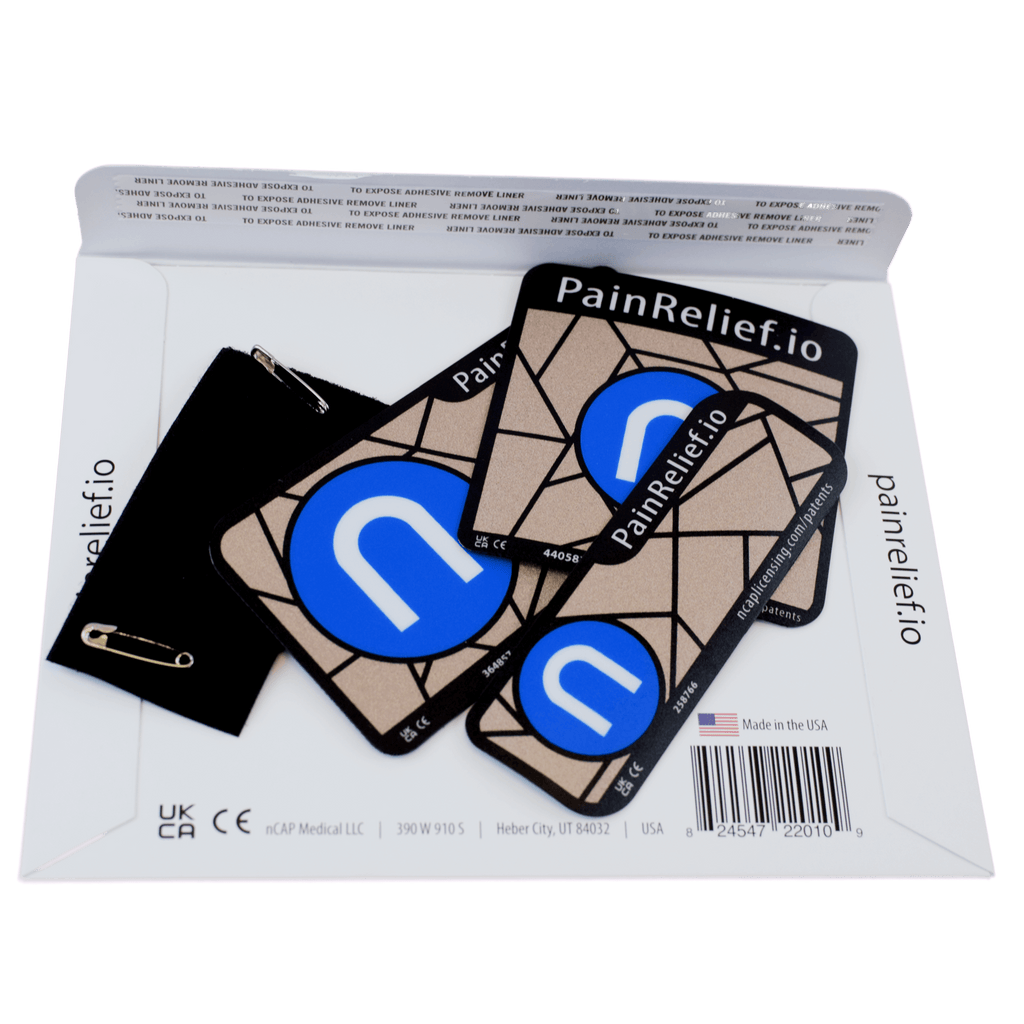
C'est simple à utiliser ! Placez simplement l'appareil au-dessus de votre douleur - Entre la douleur et le cerveau (tm) - et votre douleur commencera à s'estomper en quelques minutes. Le tout dans un appareil portable fin, réutilisable. Pas de piles, pas de fils, pas d'huiles malodorantes, pas de médicaments et ça agit rapidement !!
L'appareil est construit avec notre couche brevetée Neurocuple® scellée entre deux couches imperméables. Une fois placée au bon endroit, la couche Neurocuple® est activée directement par l'énergie du corps de l'utilisateur. Après quelques minutes, une sensation de chaud, de froid ou de picotement est ressentie par l'utilisateur à mesure que la douleur s'estompe.
L'appareil PainRelief.io® est un produit de bien-être général qui aide à promouvoir l'activité physique chez les utilisateurs souffrant de douleurs chroniques et intermittentes, ce qui, dans le cadre d'un mode de vie sain, peut aider à vivre avec ces conditions et peut retarder l'apparition des handicaps associés.