
Livraison et retours gratuits au-dessus de 100 $ !
That sore band across your shoulder after a long workday, the tight calf that won’t settle down after a run, the lower back ache that keeps returning - this is usually when people start searching for a muscle pain relief patch. They want something simple, fast, and easy to use without turning to another pill, messy cream, or bulky device.
That search makes sense. Muscle pain is common, but it is not always simple. Sometimes it is straightforward soreness after exercise or overuse. Sometimes it is tension from stress, posture, repetitive motion, or poor sleep. And sometimes what feels like muscle pain is mixed with joint irritation, nerve sensitivity, or inflammation nearby. That is exactly why one patch can feel helpful for one person and disappointing for another.
Most people use the term muscle pain relief patch to describe any stick-on product designed to ease soreness, tension, or discomfort in a specific area. The appeal is obvious. You place it where it hurts, leave it on, and go about your day.
But not all patches work the same way. Some rely on ingredients that create cooling or warming sensations. Others are designed to deliver medication through the skin. Some are disposable and intended for short-term use. And newer wearable options aim to support pain relief without drugs, heat, or chemicals at all.
That difference matters because the feeling of relief and the source of relief are not always the same thing. A cooling patch may distract from discomfort for a while. A medicated patch may help in a more targeted way, depending on the ingredient and the situation. A drug-free wearable may appeal more to people who want something reusable and noninvasive for repeated flare-ups.
A patch can be useful, but it helps to understand what you are trying to manage. Muscle pain often returns because the trigger is still there. It may be the way you sit, how you train, how often you lift, or how your body compensates for weakness or stiffness somewhere else.
Tight neck and shoulder muscles are a good example. The pain may show up at the top of the shoulders, but the real issue may involve long hours at a desk, stress-related tension, or poor head and neck positioning. The same pattern shows up in the lower back, hips, and knees. The painful area is real, but it is often part of a bigger pattern.
This is one reason quick fixes can feel inconsistent. If a patch only masks discomfort for a few hours, the pain may return as soon as the effect fades. That does not mean the product failed. It means the type of relief it offers may not match the type of problem you are dealing with.
If you are comparing options, it helps to think in categories instead of brand claims.
These are common and easy to find. They usually create a sensation that can temporarily reduce the awareness of pain. For mild soreness, that may be enough. If your pain is deeper, more persistent, or recurring in the same spot, the effect can feel limited.
There is also a practical trade-off. Some people like the immediate cooling or heating feeling. Others find the sensation too strong, irritating to the skin, or not useful beyond the first hour or two.
These patches use active ingredients intended to reduce pain in a more direct way. They can be helpful in certain cases, but they are not the right fit for everyone. Some users want to avoid repeated exposure to medication, especially for pain that flares often. Others may be managing several pain areas and do not want to rely on a disposable solution every time.
This is where habits matter. A patch that works once in a while is different from something you expect to use regularly.
This category has grown because many people want relief without medication, topical ingredients, cords, batteries, or one-time use products. Instead of delivering a drug or creating heat or cold, these products are designed to interact with the body in a different way.
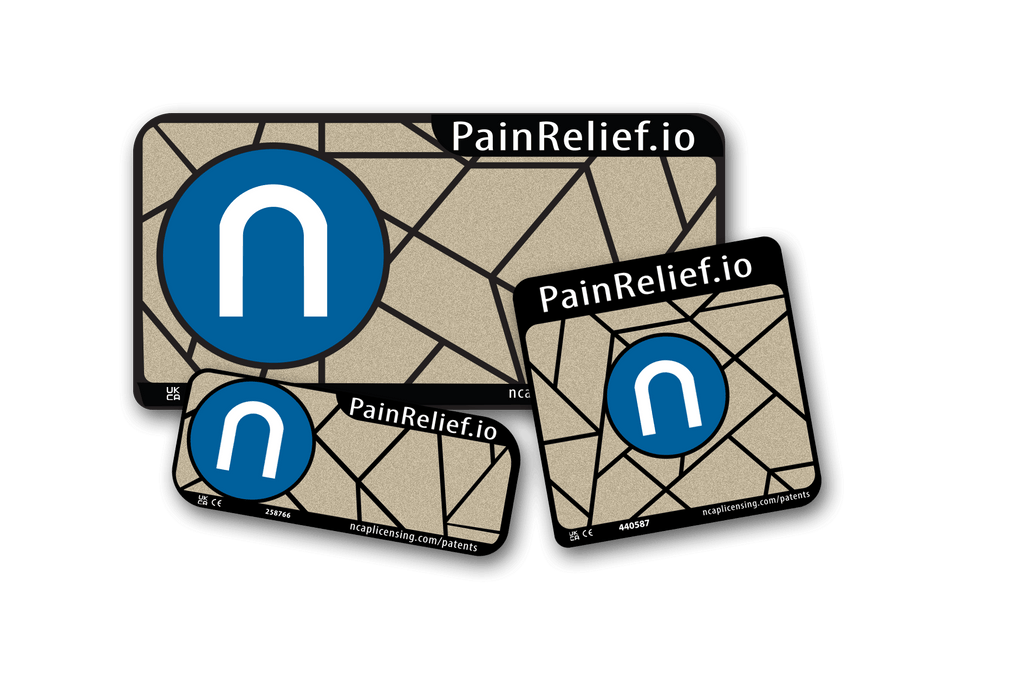
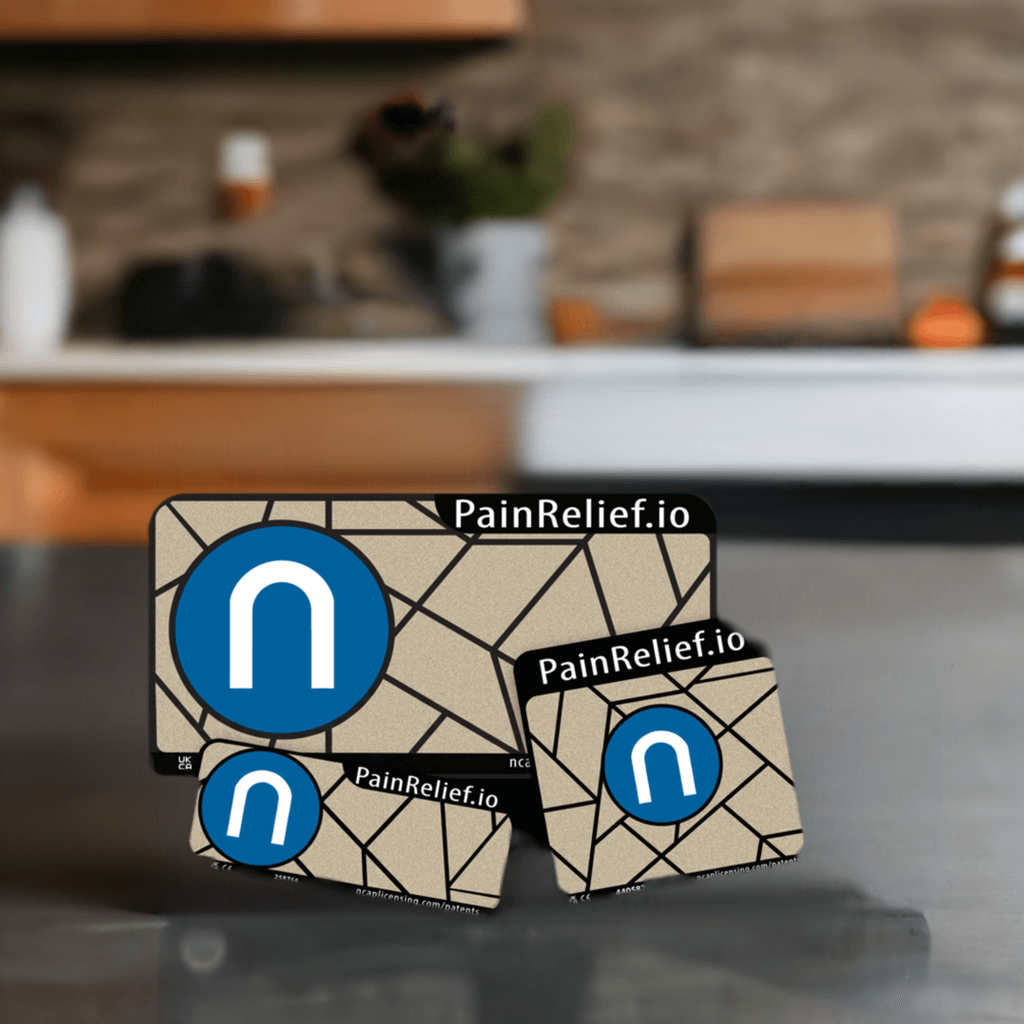
At PainRelief.io®, that approach centers on patented NeuroCuple® nanocapacitive technology. In simple terms, the goal is to support the body’s bioelectrical environment in the area where discomfort is happening. For people looking for a reusable option they can apply where pain tends to return, this can make more sense than a disposable patch that runs out after one use.
A muscle pain relief patch can be a practical option when pain is localized. Think shoulder knots, sore quads, a strained upper back, tight calves, or a tender spot near the lower back. In these situations, targeted placement is part of the appeal.
But there are limits. If the pain is widespread, severe, or tied to a significant injury, a patch may only be one small piece of the picture. The same is true if the pain comes with swelling, weakness, numbness, or loss of function. Those situations call for more than symptom management.
There is also the issue of expectations. Some people want instant relief. Some want something they can wear through a normal day. Some are trying to replace pain pills. Others just want a cleaner alternative to creams that stain clothes or smell strong. The best option depends on which problem you are trying to solve.
The first question is whether you want temporary sensation, medication, or a drug-free approach. That choice narrows the field quickly.
The second question is how often your pain comes back. If it is occasional post-workout soreness, a simple disposable patch might be enough. If you deal with recurring neck tension, shoulder tightness, back pain, or muscle strain from work, a reusable option may be more practical and cost-effective over time.
The third question is wearability. If a patch peels off, feels bulky, irritates your skin, or gets in the way of movement, you are less likely to keep using it. A good pain relief solution has to fit real life. That means sitting, walking, working, driving, sleeping, or moving through your normal routine without becoming one more inconvenience.
Even the best product can disappoint if it is placed poorly. Muscle pain is not always centered exactly where you feel it most strongly. A sore shoulder may need coverage slightly above or behind the main pain point. Lower back discomfort may respond best when the patch is positioned across the area that gets tight during standing or bending. Calf soreness and thigh tension often involve longer muscle pathways, not just one tiny spot.
This is why body-area-specific sizing can be useful. Smaller pieces work better for jaw tension, temples, or focused trigger points. Larger formats make more sense for the lower back, shoulder blade area, or broader zones of muscle soreness. Matching the size to the problem is part of getting better results.
Disposable patches are easy to try, but repeated use adds up. If pain is part of your weekly routine, whether from exercise, work, stress, or chronic tension, buying single-use products over and over can become expensive and inconvenient.
Reusable, noninvasive options appeal to a different mindset. They are for people who do not want to build their pain routine around medication or constant repurchasing. They want something they can reach for again and again, especially when the same area tends to flare.
That does not mean reusable is automatically better for everyone. If you only need help once in a while, simplicity may matter more than longevity. But if your pain is recurring, reusability becomes a real advantage instead of a nice extra.
It helps to stop asking whether a patch works in general and start asking what kind of relief it offers. Is it creating a sensation? Delivering an ingredient? Supporting a drug-free response? Is it disposable or reusable? Built for a one-time strain or for pain that keeps showing up?
Those questions lead to better choices than marketing claims alone. They also help explain why the same person might use one solution for occasional soreness and another for recurring pain.
If you are looking for a muscle pain relief patch, the real goal is not just to cover the painful area. It is to find something that fits the way your pain shows up, the way you live, and the kind of relief you are comfortable using more than once. When a solution matches all three, relief tends to feel a lot more realistic.
Recherche
Terms of Service
Refund Policy
Contact Us
Ne pas vendre ou partager mes informations personnelles
Affiliates: Join or Log In
PATENTS
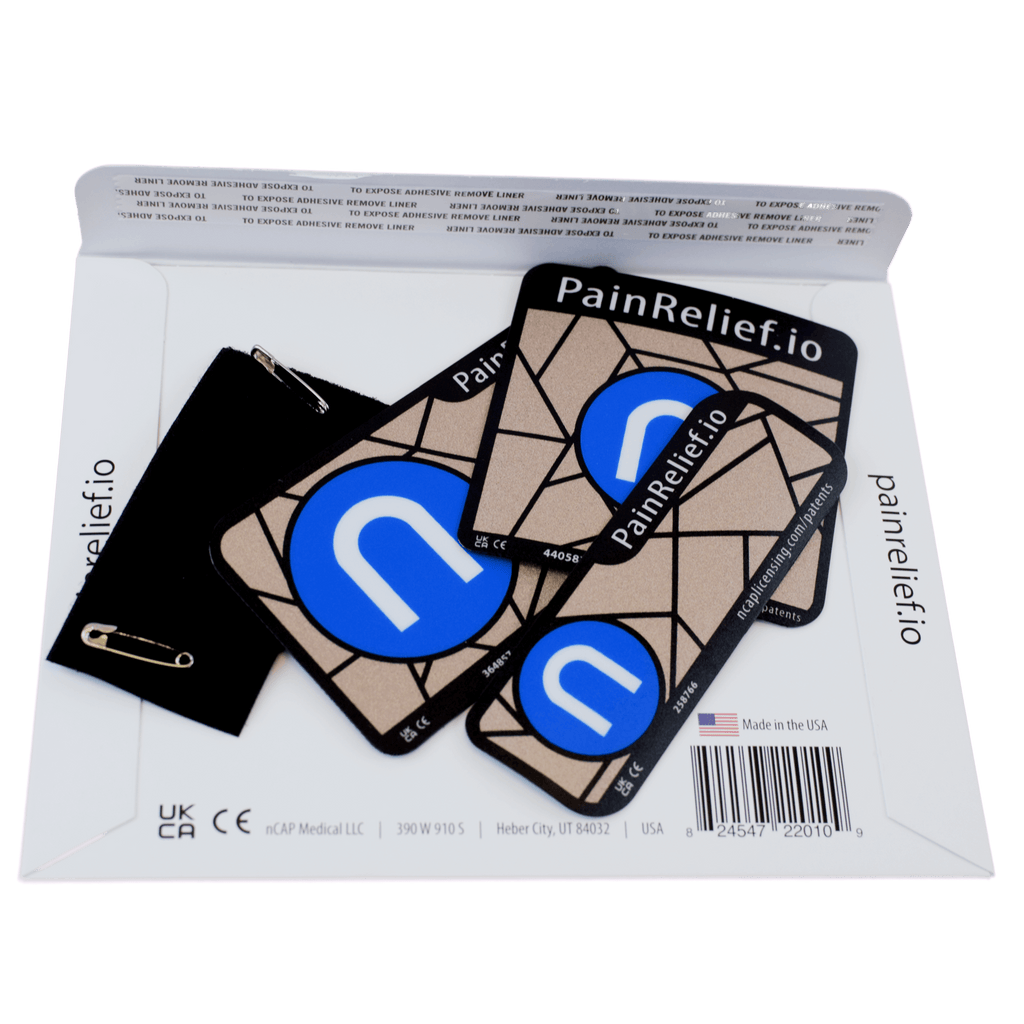
C'est simple à utiliser ! Placez simplement l'appareil au-dessus de votre douleur - Entre la douleur et le cerveau (tm) - et votre douleur commencera à s'estomper en quelques minutes. Le tout dans un appareil portable fin, réutilisable. Pas de piles, pas de fils, pas d'huiles malodorantes, pas de médicaments et ça agit rapidement !!
L'appareil est construit avec notre couche brevetée Neurocuple® scellée entre deux couches imperméables. Une fois placée au bon endroit, la couche Neurocuple® est activée directement par l'énergie du corps de l'utilisateur. Après quelques minutes, une sensation de chaud, de froid ou de picotement est ressentie par l'utilisateur à mesure que la douleur s'estompe.
L'appareil PainRelief.io® est un produit de bien-être général qui aide à promouvoir l'activité physique chez les utilisateurs souffrant de douleurs chroniques et intermittentes, ce qui, dans le cadre d'un mode de vie sain, peut aider à vivre avec ces conditions et peut retarder l'apparition des handicaps associés.