
Livraison et retours gratuits au-dessus de 100 $ !
If you keep circling back to the same bottle of pain relievers, the same disposable patch, or the same heating pad that only helps while it is on, you are probably not just looking for quick comfort anymore. You are looking for a long lasting pain relief alternative - something practical enough to use in real life, and reliable enough that you do not have to start over every few hours.
That search makes sense. A lot of pain relief options are built for short windows of relief, not for the way pain actually behaves. Back pain returns after sitting too long. Knee pain flares during stairs, workouts, or long shifts. Neck tension builds across the day. Headaches and menstrual cramps show up on a schedule of their own. The real issue is not only how to reduce pain in the moment, but how to manage recurring discomfort without feeling tied to medication, mess, or constant replacement.
A useful pain relief option should do more than interrupt pain for a brief period. It should fit the pattern of your pain, your routine, and your tolerance for trade-offs.
That is where many familiar approaches fall short. Oral pain relievers can be convenient, but some people want to limit how often they take them. Topical creams can help, but they wear off, transfer to clothing, or feel impractical during work or sleep. Heat can be comforting, but it often works only while applied and may not be ideal for every situation. Braces and wraps can provide support, yet support alone does not always address the pain experience itself.
A true long lasting pain relief alternative is usually defined by three things. First, it is something you can use repeatedly, not once and toss. Second, it works without forcing a major interruption to your day. Third, it supports relief without making medication the center of your pain strategy.
That does not mean one tool fixes every kind of pain. It means the better alternative is often the one you can actually keep using consistently.
Pain is rarely static. It changes with movement, posture, inflammation, stress, overuse, sleep, and even how long you have been dealing with the issue. That is one reason short-term solutions can feel frustrating. They may target one part of the problem, but not the ongoing cycle behind it.
For example, lower back discomfort can improve when you lie down, then return when you drive, bend, or stand for long periods. Shoulder tension may ease after a hot shower, then build again after hours at a desk. Migraine and jaw pain can be influenced by muscle tension, nerve sensitivity, and repeated triggers. Menstrual pain is recurring by nature, which makes disposable or one-time-use approaches feel expensive and inconvenient over time.
This is why people often start looking beyond the usual options. They are not always asking for stronger relief. Often, they are asking for relief that is easier to sustain.
If your goal is long-term usability, drug-free methods deserve a serious look. Not because every medication is bad, but because many people want more control over when and how they manage pain.
Movement-based strategies can help, especially for stiffness and muscle-related discomfort. Gentle stretching, walking, mobility work, and physical therapy exercises can improve how the body feels over time. The trade-off is that they often require consistency and may not offer immediate relief during a flare.
Heat and cold are also common non-drug options. Cold may help after activity or irritation, while heat can relax tight muscles and improve comfort. The limitation is duration. Relief can be real, but it is often temporary and linked to active use.
Massage tools, braces, and compression supports can be helpful in the right context. They may reduce strain, improve comfort, or support a vulnerable area during movement. Still, support is not the same as sustained pain management, and bulky solutions are not always wearable throughout a normal day.
Wearable pain relief technology has become a more interesting category because it aims to close that gap. Instead of relying on heat, chemicals, or frequent dosing, these products are designed to be applied directly where pain is happening and worn during daily life. That matters if you are dealing with recurring pain rather than a one-time issue.
The appeal of wearable pain relief is simple. If pain shows up in the same place again and again, a body-area-specific tool is often more practical than starting from scratch each time.
This is especially true for people with back pain, knee pain, neck and shoulder tension, headaches, TMJ discomfort, muscle soreness, or menstrual cramps. In these situations, placement matters. So does convenience. A solution that stays put, does not need charging, and does not interfere with movement is more likely to become part of your routine.
Some wearable products use electrical stimulation. Others use topical ingredients delivered through a patch. Some rely on heat. Each approach has a place, but each also has trade-offs. Stim devices can work well for some users, though not everyone wants wires, batteries, or a tingling sensation. Topical patches are easy to understand, but they are disposable and may lose practicality with frequent use. Heat wraps can feel soothing, but they are not always discreet or suitable for extended wear.
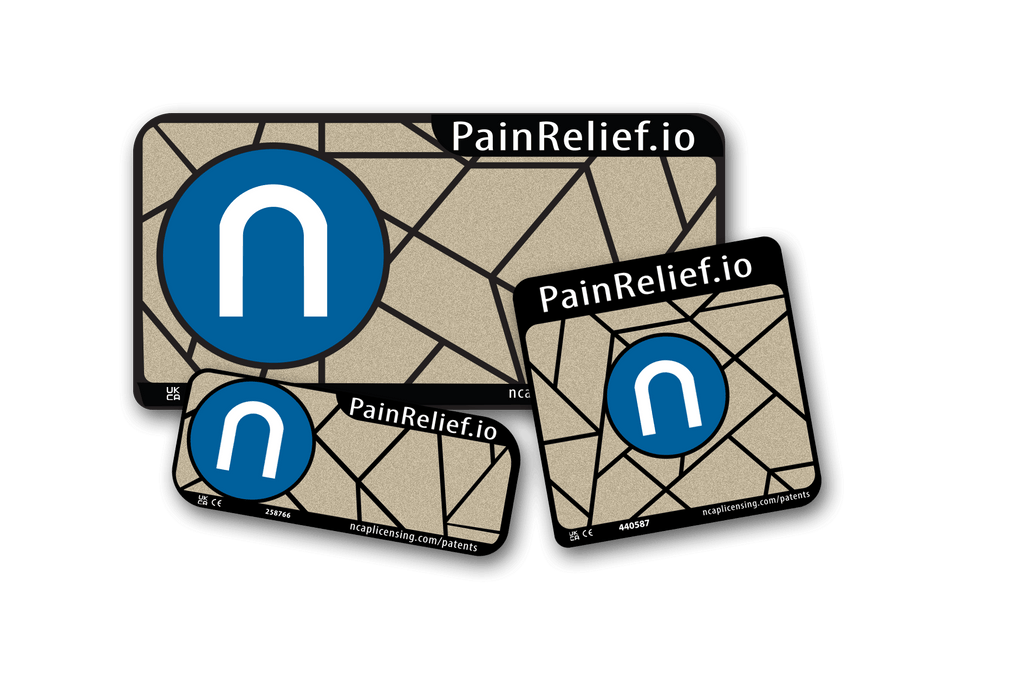
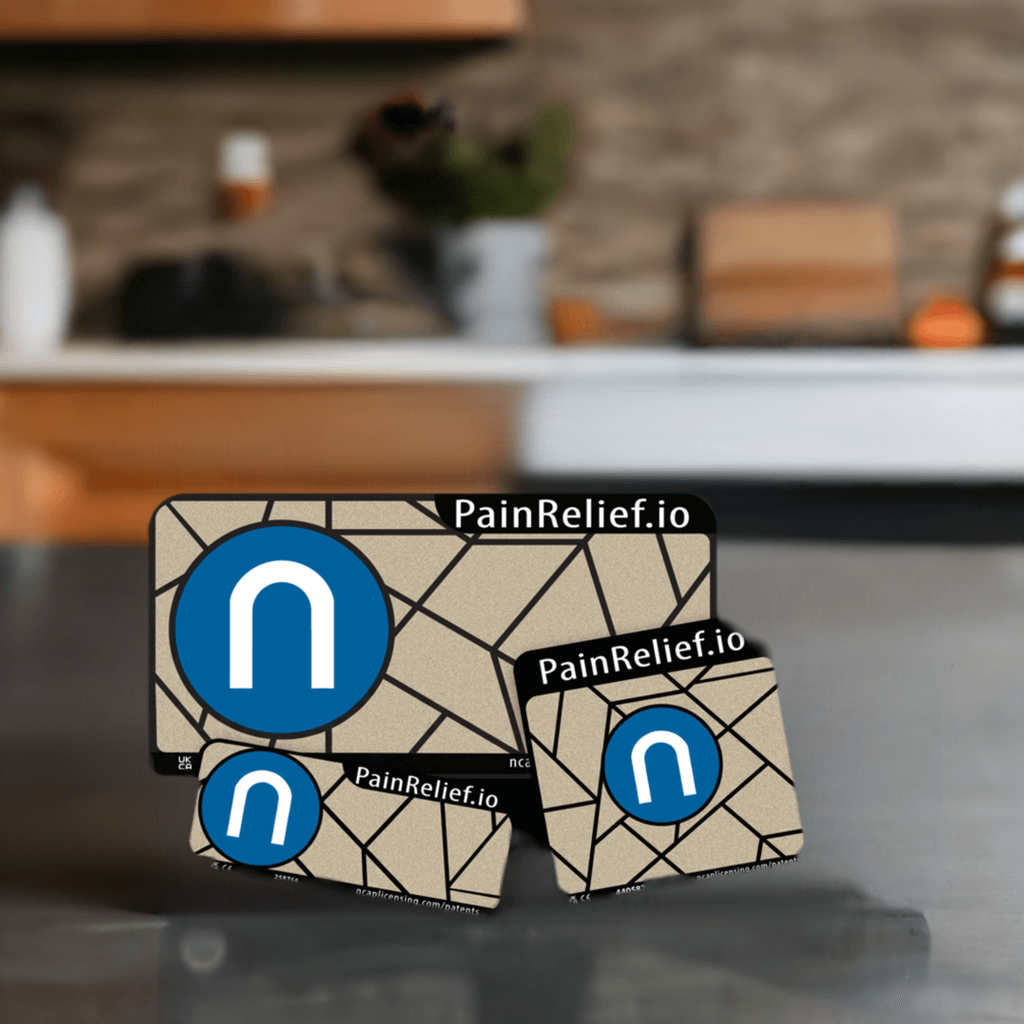
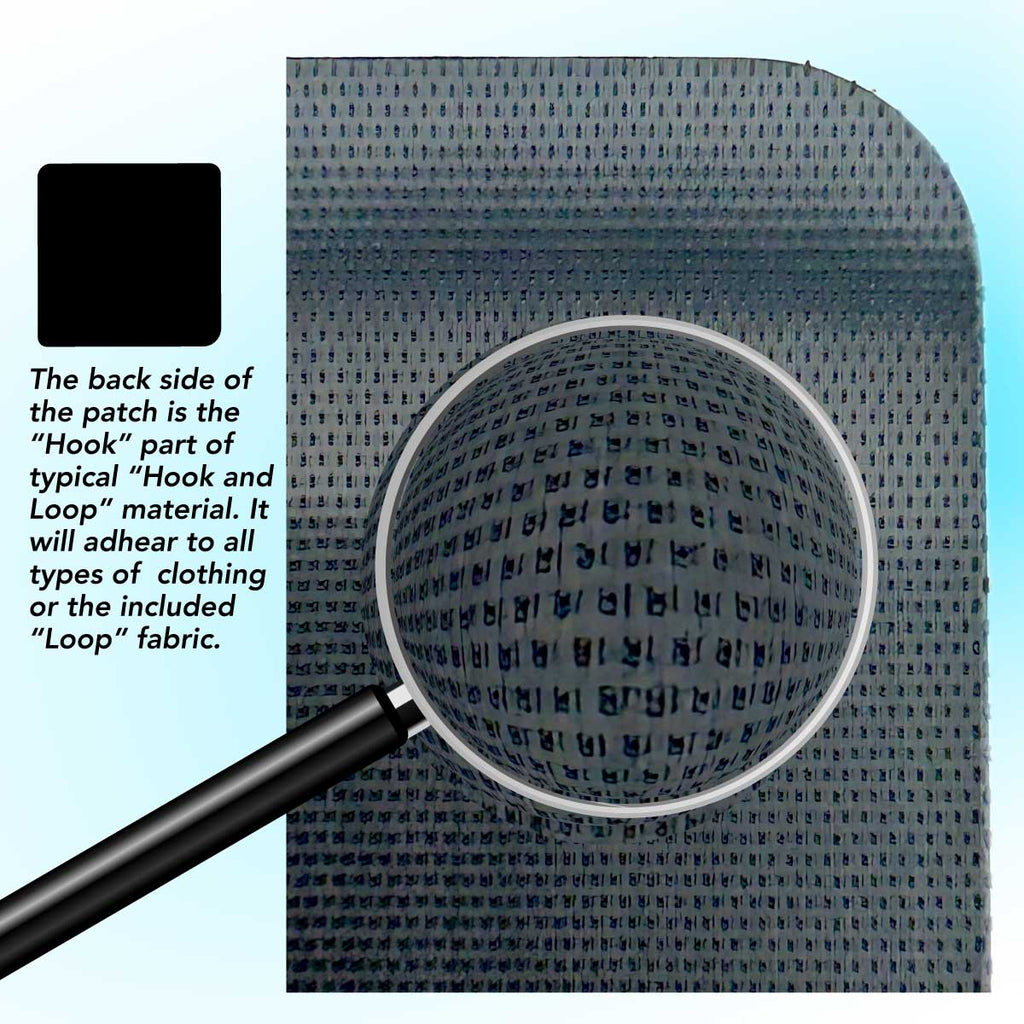
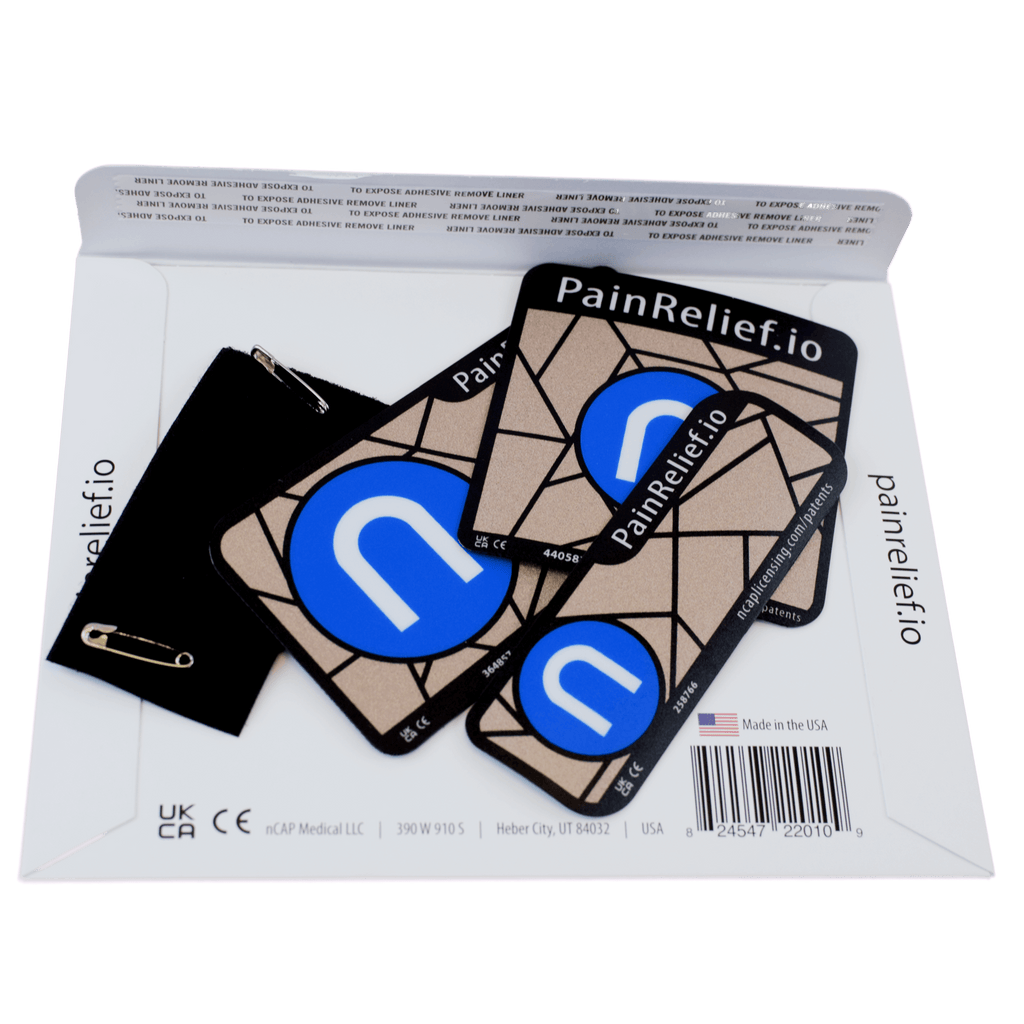
That is why noninvasive, reusable wearable solutions are drawing more attention. PainRelief.io®, for example, offers reusable wearable devices powered by patented NeuroCuple® nanocapacitive technology. The idea is not to overwhelm users with technical jargon. It is to offer a simple, drug-free option designed for specific pain areas, with no batteries, no wires, and no creams involved.
For many people, that combination is the point. They want something they can place on the lower back before a long drive, wear on the knee during a busy day, or use on the jaw, shoulders, or temples without adding another complicated step.
The phrase long lasting can mean two different things, and it helps to separate them. One is how long relief feels noticeable after use. The other is whether the solution itself remains useful over time.
Both matter. A product may provide temporary relief but still be a smart long-term choice if it is easy to reuse and fits recurring pain patterns. On the other hand, something may feel strong in the moment but become expensive, inconvenient, or hard to maintain.
When comparing options, think beyond the first use. Ask whether it is reusable, whether it can be worn during normal activity, whether it targets the right body area, and whether it helps you reduce dependence on short-term fixes. Also consider comfort. Even a well-designed solution is less helpful if you do not want to wear it.
This is where body-area-based design has a practical advantage. Pain is personal, but it is also specific. A broad promise is less useful than a solution shaped around where pain actually occurs.
Some people want the strongest possible sensation right away. Others want relief they can return to again and again without side effects, downtime, or a messy routine. Those are not always the same thing.
That is why the best long lasting pain relief alternative depends on what kind of pain you have, how often it returns, and what you are trying to avoid. If your priority is occasional short-term help, a traditional option may be enough. If pain is recurring and affecting work, movement, sleep, or your ability to stay present, sustainability becomes more important.
The good news is that pain management does not have to be all or nothing. Many people build a smarter routine by combining approaches. They improve posture, stay active, use recovery tools when needed, and keep a drug-free wearable option available for the moments that usually trigger pain. That kind of plan is often more realistic than searching for a single perfect fix.
What matters most is choosing something you can live with. Not for one afternoon, but for the repeated, ordinary moments when pain tends to interrupt your day. Relief becomes more useful when it is simple enough to keep within reach, and practical enough to use again tomorrow.
Recherche
Terms of Service
Refund Policy
Contact Us
Ne pas vendre ou partager mes informations personnelles
Affiliates: Join or Log In
PATENTS
C'est simple à utiliser ! Placez simplement l'appareil au-dessus de votre douleur - Entre la douleur et le cerveau (tm) - et votre douleur commencera à s'estomper en quelques minutes. Le tout dans un appareil portable fin, réutilisable. Pas de piles, pas de fils, pas d'huiles malodorantes, pas de médicaments et ça agit rapidement !!
L'appareil est construit avec notre couche brevetée Neurocuple® scellée entre deux couches imperméables. Une fois placée au bon endroit, la couche Neurocuple® est activée directement par l'énergie du corps de l'utilisateur. Après quelques minutes, une sensation de chaud, de froid ou de picotement est ressentie par l'utilisateur à mesure que la douleur s'estompe.
L'appareil PainRelief.io® est un produit de bien-être général qui aide à promouvoir l'activité physique chez les utilisateurs souffrant de douleurs chroniques et intermittentes, ce qui, dans le cadre d'un mode de vie sain, peut aider à vivre avec ces conditions et peut retarder l'apparition des handicaps associés.