

A knee patch sounds simple until your knee starts hurting every time you stand up, climb stairs, kneel down, or try to get through a workout. Then the question changes from what is a knee patch to what kind of relief can actually last long enough to help you move normally again.
For many people, knee pain is not one single problem. It can come from overuse, arthritis, tendon irritation, old injuries, swelling, or the low-level strain that builds up from work, exercise, and daily life. That matters, because the right knee patch depends on what kind of pain you are trying to manage and how often it shows up.
Most people use the term knee patch broadly. Sometimes they mean a disposable pain patch with menthol or lidocaine. Sometimes they mean a heating patch. Sometimes they are really looking for a wearable, drug-free option that sits on or around the knee without creams, pills, or bulky braces.
Those are very different tools, even if they all get called a knee patch.
A medicated patch usually aims to create a temporary sensation change. Cooling ingredients may distract from pain. Numbing ingredients may dull discomfort for a period of time. Heat patches work differently. They increase warmth in the area, which can feel good for stiffness, especially when the knee feels tight rather than inflamed.
Then there are reusable patches designed to interact with the body's own signals instead of delivering a drug or external heat. For people trying to reduce reliance on medications or avoid the mess and short lifespan of disposable products, that difference is often the whole point.
A knee patch can be useful when the pain is localized and you want targeted relief without affecting the rest of your body. That is one reason people often try patches before moving to stronger interventions. If your pain is centered at the front of the knee, along the inner or outer joint line, or around the kneecap, a patch may be more practical than taking something systemic.
It also makes sense when the problem is recurring. If your knee acts up after long shifts, hard workouts, yard work, or long periods of sitting, you may not want a new disposable product every time it flares. In those cases, reusability matters more than people expect.
What a patch usually does not do is fix structural damage. If you have major instability, locking, inability to bear weight, obvious deformity, or sudden severe swelling, a knee patch is not the first priority. Relief tools help manage pain. They do not replace evaluation when something more serious may be going on.
The most common mistake is assuming all patches work the same and then deciding they all work poorly. In reality, each type has strengths and limitations.
Medicated patches can be convenient, and some people like the fast sensation they feel from cooling or numbing ingredients. The downside is that the relief may fade quickly, the ingredients may irritate sensitive skin, and repeated use can become expensive. They also do not appeal to people trying to avoid active drug ingredients.
Heating patches can help stiffness and can be comforting when the knee feels achy in cold weather or after inactivity. But heat is not ideal for every situation. If the area already feels hot, swollen, or aggravated after activity, more heat may not be what you want.
A reusable drug-free knee patch offers a different benefit profile. Instead of being used once and thrown away, it is designed for ongoing wear and repeat use. That tends to matter for chronic pain, arthritis-related discomfort, and the kind of knee pain that cycles in and out rather than disappearing for good.
The best choice starts with a simple question: what are you trying to avoid?
If you mainly want to avoid pills, a targeted patch can make sense because it focuses on the knee itself rather than your whole system. If you want to avoid creams, stickiness, and smell, a non-topical patch may be a better fit. If you want to avoid replacing a patch every day, look closely at whether the product is reusable.
The second question is when your pain shows up. Pain that hits during movement is different from pain that builds after activity or stiffness that is worst first thing in the morning. A heating patch may help one pattern, while a reusable wearable patch may be more useful for longer wear throughout the day.
The third question is tolerance. Some people cannot stand strong menthol, adhesives, or heat against the skin for long periods. A knee patch only helps if you are willing to keep using it.
With knee pain, where you place a patch can affect what kind of relief you feel. The knee is a moving joint with multiple structures close together, so placement should follow the area of discomfort rather than just landing somewhere on the kneecap.
If pain is concentrated above or below the kneecap, the patch should align with that zone. If discomfort is more on the inside or outside of the knee, side placement often makes more sense than putting everything directly over the front. People with broad, diffuse aching sometimes do better with a patch positioned to cover the most aggravated area while still allowing comfortable movement.
This is especially relevant with reusable drug-free wearables. A good fit is not about wrapping the whole knee in bulk. It is about placing relief where the pain signal is most active.
Usually it is not because the idea is wrong. It is because the product does not match the problem.
A runner with post-workout irritation may not want the same thing as someone managing arthritic knee pain every day. A warehouse worker who needs relief during movement has different needs than someone looking for overnight comfort. And someone who is tired of rotating between ibuprofen, ice, and topical products may be actively looking for a drug-free option they can keep using long term.
There is also the issue of expectations. A knee patch should make pain more manageable, support movement, and reduce how disruptive flare-ups feel. It is not magic. If pain is complex or long-standing, the best results often come from combining targeted relief with smarter activity choices, joint support, mobility work, and attention to recovery.
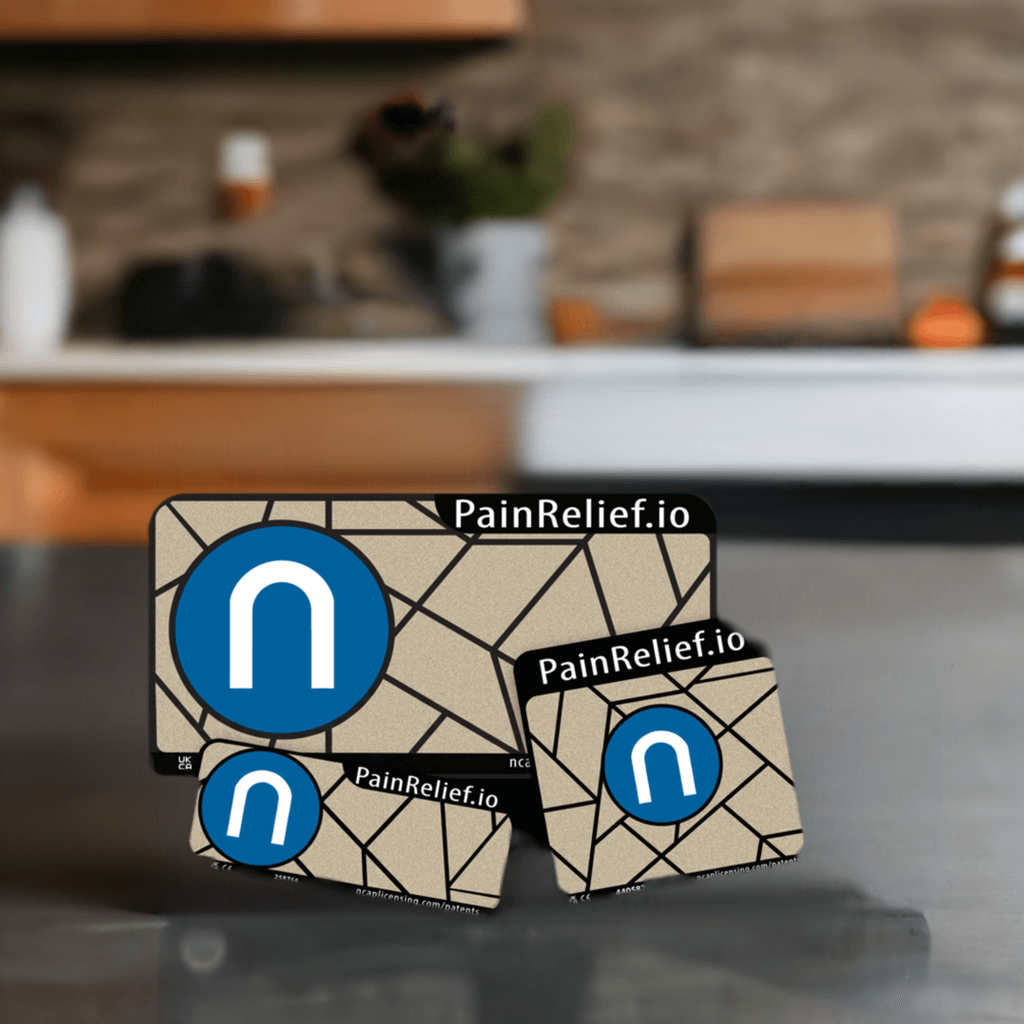
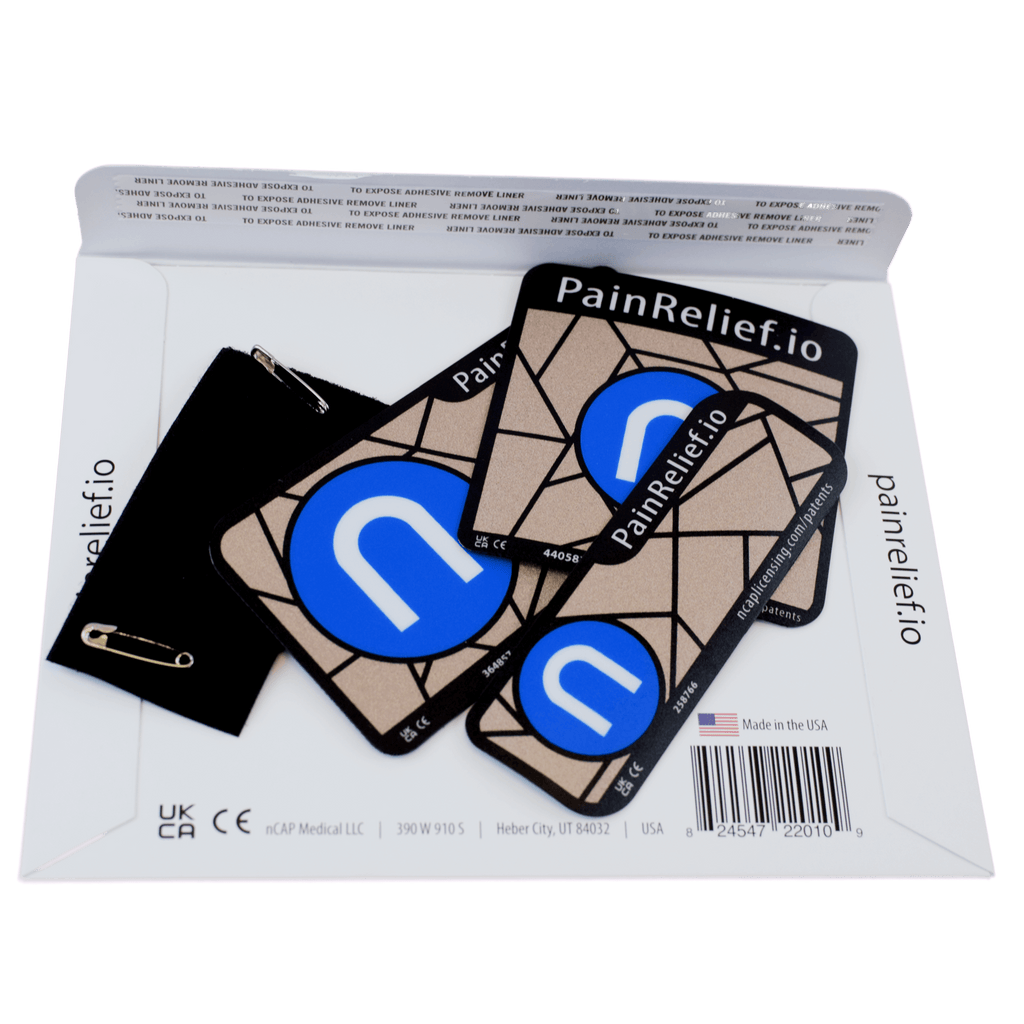
If you are comparing options because disposable patches have not been practical, this is where reusable technology stands out. PainRelief.io® focuses on drug-free, noninvasive relief that works without batteries, wires, creams, or active medications. For knee pain, that matters because the area often needs repeat support, not a one-time fix.
Its patented NeuroCuple® nanocapacitive technology is designed to interact with the body's bioelectrical environment rather than masking pain with heat or topical ingredients. For people who want something lightweight, reusable, and simple enough to wear regularly, that can be a meaningful shift. It is less about chasing a temporary sensation and more about having a tool you can come back to again and again.
That does not mean one solution works the same for every knee. Pain from arthritis, tendon strain, recovery, or day-to-day overuse can feel different and respond differently. But if your goal is long-term, drug-free support, a reusable patch is often more aligned with that goal than products built for single use.
Focus less on marketing language and more on practical fit. Ask whether the patch is reusable, whether it relies on drugs or heat, whether it can be worn comfortably while moving, and whether it fits the actual pattern of your pain.
You should also think about cost over time. A cheap disposable patch can become the expensive option if you need it over and over. A reusable patch can cost more upfront but make more sense if knee pain is part of your weekly routine.
And pay attention to how your knee behaves, not just how it feels in one moment. Pain during stairs, pain after standing, pain after exercise, and morning stiffness are clues. The more specific you are about the pattern, the easier it is to choose a knee patch that fits your real life instead of adding one more thing to the drawer.
If your knee keeps reminding you that it is there, the goal is not to push through harder. It is to find a relief option you will actually use consistently, because consistent support is often what gives you the best chance of moving with less interruption.