
Livraison et retours gratuits au-dessus de 100 $ !
A stiff knee on the stairs, an aching thumb after typing, a shoulder that complains every time you reach overhead - joint pain has a way of turning ordinary moments into daily negotiations. That is why so many people start looking for joint discomfort relief alternatives after they realize pills, creams, or temporary fixes are not giving them the kind of control they want.
The good news is that joint relief does not have to mean choosing between doing nothing and taking more medication. There are several drug-free options that can help, but the right choice depends on what kind of discomfort you have, how often it shows up, and what you can realistically use day after day.
For many adults, the issue is not just pain intensity. It is repetition. Joint discomfort tends to come back during the same activities - walking, kneeling, lifting, sleeping on one side, or sitting too long. When something is recurring, convenience matters just as much as effectiveness.
That is one reason people start moving away from short-term solutions. Oral pain relievers can be helpful in some situations, but not everyone wants to rely on them regularly. Topicals can feel soothing, yet they wear off, smell strong, or create a mess. Heat can be comforting, but it is not always practical when you are working, traveling, or trying to stay active.
Most people are not searching for perfection. They are searching for something they can actually live with - something noninvasive, simple to use, and realistic for long-term support.
Joint discomfort is rarely about one single factor. Sometimes it is inflammation. Sometimes it is overuse, stiffness, poor movement patterns, old injuries, or surrounding muscle tension that changes how the joint is loaded. In many cases, it is a mix.
That matters because the best relief approach usually combines support, not just symptom masking. A useful alternative should either reduce aggravation, improve comfort during movement, or help you stay functional without adding another burden to your routine.
This can sound backward when something hurts, but the right kind of movement often helps more than complete rest. Gentle mobility work can improve circulation, reduce stiffness, and keep the surrounding tissues from tightening up even more.
The catch is that more movement is not always better. If your knee hurts after long walks, pushing through an even longer walk may not help. But shorter, controlled movement, range-of-motion exercises, and gradual strengthening can make the joint feel more supported over time. For people with recurring joint issues, consistency usually matters more than intensity.
Sleeves, wraps, and braces can help by adding stability or compression. For some people, that extra support makes walking, standing, or repetitive tasks more manageable. They are especially common for knees, wrists, elbows, and ankles.
Still, support tools have trade-offs. Some feel bulky under clothing, trap heat, or restrict movement more than you want. Others help during activity but are not comfortable for long wear. They can be useful, but they are not always the easiest answer for all-day relief.
Heat tends to help when a joint feels tight, stiff, or cranky after inactivity. Cold is often used after overuse or when discomfort feels sharp, irritated, or inflamed. Both can be effective in the right context.
The limitation is practicality. Ice packs and heating pads usually keep you in one place. That is fine when you are at home, but less helpful if you need support during errands, work, travel, or movement. They also tend to provide a relief window rather than continuous support throughout the day.
Creams, gels, and patches are popular because they are easy to buy and easy to try. Some people like the cooling or warming sensation, and certain formulas can be useful for temporary symptom relief.
But many people eventually want an alternative to the alternative. Topicals can be messy, require frequent reapplication, and may irritate sensitive skin. If your discomfort is chronic or recurring, repeatedly applying products can start to feel like one more task rather than a real solution.
This category has gained attention because it aims to fit into real life instead of interrupting it. Rather than relying on heat, medication, or disposable ingredients, wearable devices are designed to be placed near the area of discomfort and worn during normal activity.
For people dealing with joint pain, that matters. A wearable option can support comfort while you are moving, working, relaxing, or sleeping, depending on the product and placement. The best versions are lightweight, reusable, and simple enough to use without turning pain relief into a project.
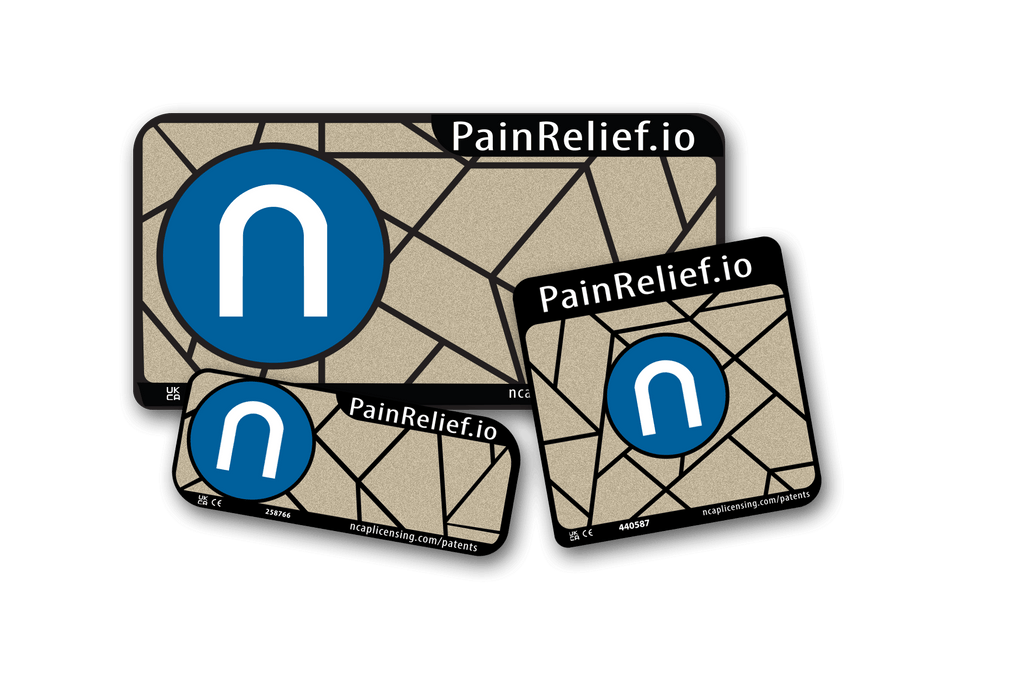
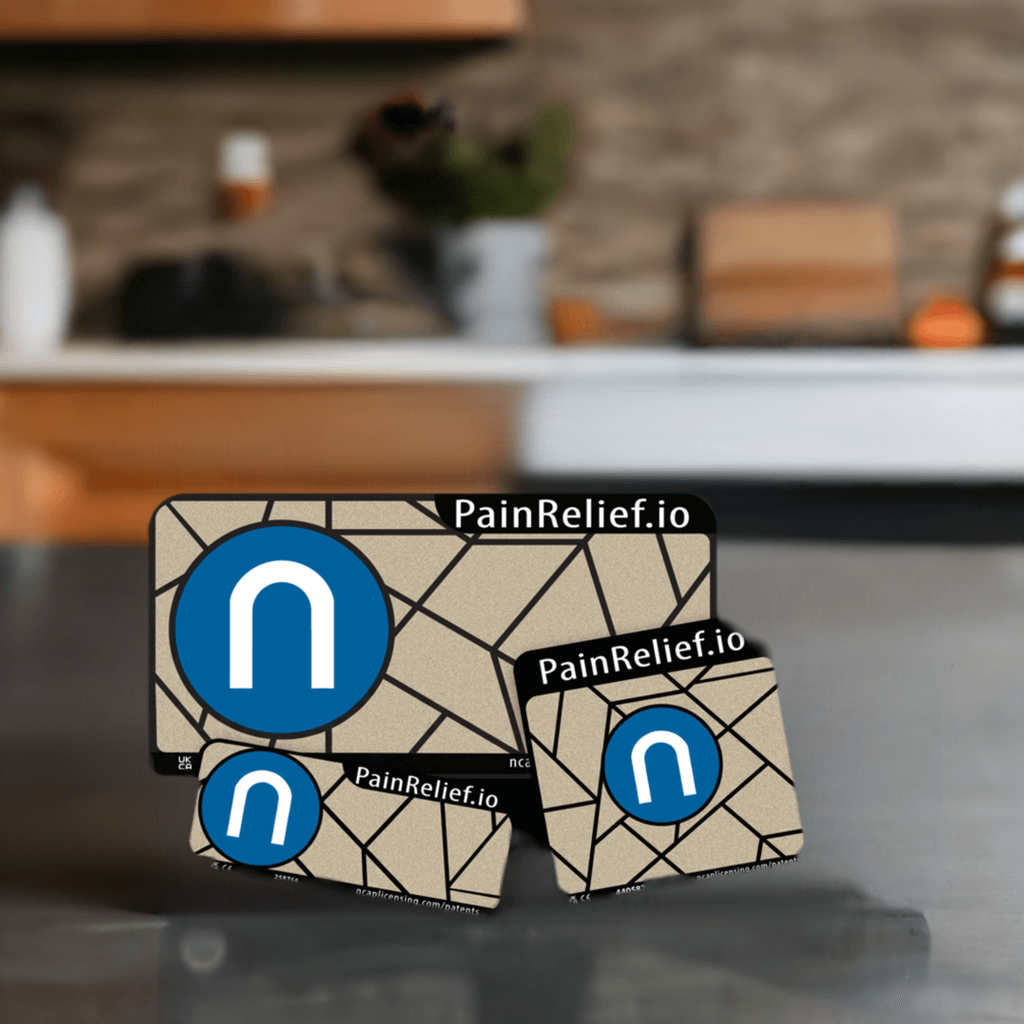
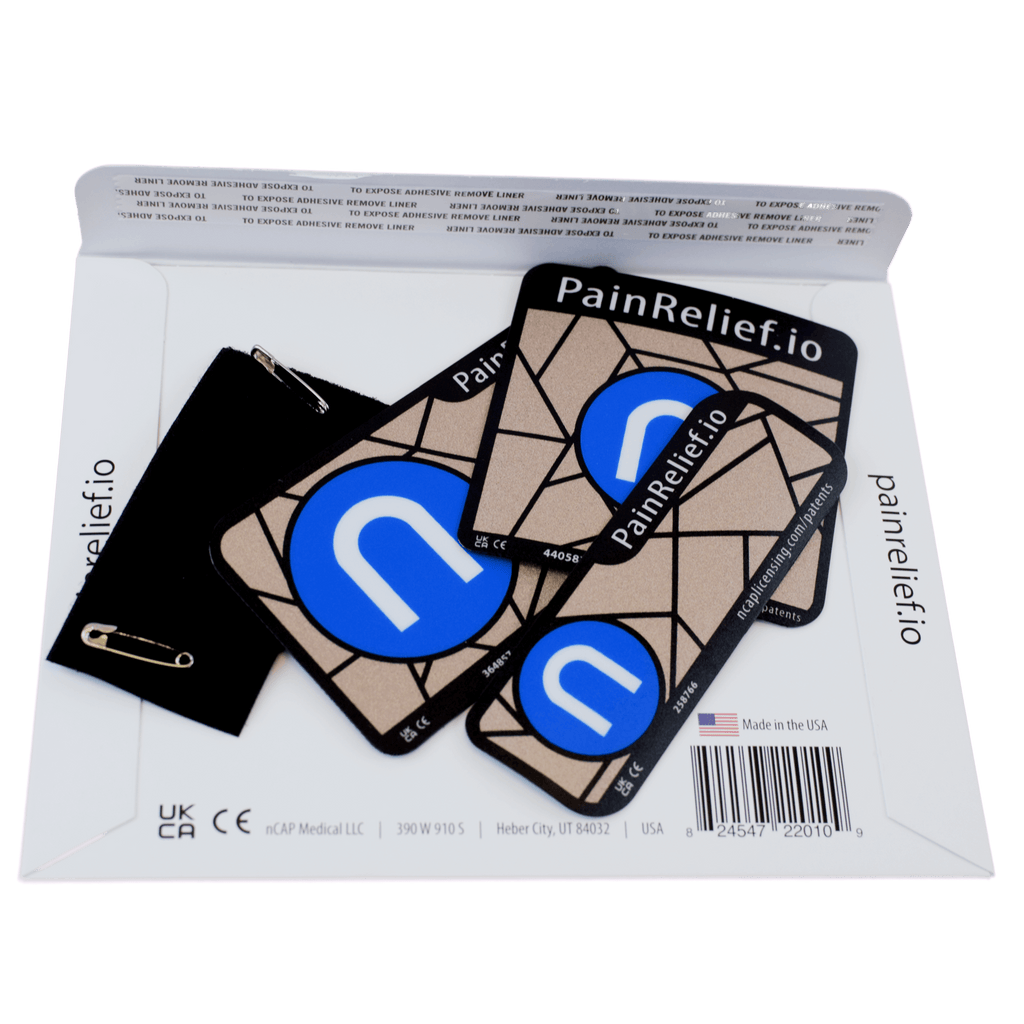
PainRelief.io® focuses on this kind of approach with reusable, battery-free, wire-free devices powered by patented NeuroCuple® nanocapacitive technology. The appeal for many users is straightforward - it offers a drug-free, noninvasive option that does not need creams, pills, or constant replacement.
The most effective choice often comes down to matching the tool to the pattern of your discomfort.
If your joint stiffness is worst first thing in the morning, heat and gentle movement may help you loosen up. If discomfort shows up during activity, a wearable support or brace may be more practical because it can be used while you move. If you are dealing with repeated flare-ups and want to avoid frequent medication use, reusable drug-free options become more attractive because they are built for repeat use rather than occasional rescue.
It also helps to think in terms of friction. The more complicated a solution is, the less likely most people are to keep using it. A plan that sounds good but never fits your actual day is not much of a plan. Relief tools work best when they are easy to reach for at the moment you need them.
Recurring joint pain is frustrating because it can make you second-guess basic activities. You start wondering whether to skip the workout, avoid the stairs, cancel the walk, or brace for another bad night of sleep. That uncertainty wears on people just as much as the discomfort itself.
When pain returns again and again, it is worth looking beyond symptom timing and asking what triggers it. Is it repetitive strain? Too much sitting? A specific movement pattern? A lack of support during activity? The answer can shape which alternative makes the most sense.
This is where a long-term mindset matters. Quick relief still has value, but if discomfort is part of your weekly life, you usually need something sustainable. Reusable tools, movement strategies, and practical daily support often outperform one-time fixes simply because they are easier to stick with.
The phrase “natural” or “drug-free” can make very different products sound similar, but they are not the same in how they fit into daily life. A heating pad, a menthol cream, a compression sleeve, and a wearable pain relief device may all sit under the same broad umbrella, yet each solves a different problem.
A heating pad is good when you can sit still. A cream may help for short bursts. A brace can support structure but may feel restrictive. A reusable wearable device may be better when you want targeted support without wires, batteries, or repeated applications. None of these is universally best. The better question is which option matches the way your pain behaves.
That is often what separates a purchase from a solution. A real solution accounts for recurrence, convenience, comfort, and whether you will still be using it a month from now.
Not every joint issue should be handled at home. If pain is severe, follows a significant injury, comes with major swelling, redness, fever, joint instability, or progressive loss of function, medical evaluation is important. The same is true if discomfort keeps worsening or starts interfering with everyday movement in a serious way.
Drug-free relief alternatives can be valuable, but they are not a substitute for diagnosis when something more significant may be going on.
The goal is not to chase every new remedy. It is to find support that respects your body, fits your routine, and helps you keep doing the things your joints have been making harder than they should be.
Recherche
Terms of Service
Refund Policy
Contact Us
Ne pas vendre ou partager mes informations personnelles
Affiliates: Join or Log In
PATENTS
C'est simple à utiliser ! Placez simplement l'appareil au-dessus de votre douleur - Entre la douleur et le cerveau (tm) - et votre douleur commencera à s'estomper en quelques minutes. Le tout dans un appareil portable fin, réutilisable. Pas de piles, pas de fils, pas d'huiles malodorantes, pas de médicaments et ça agit rapidement !!
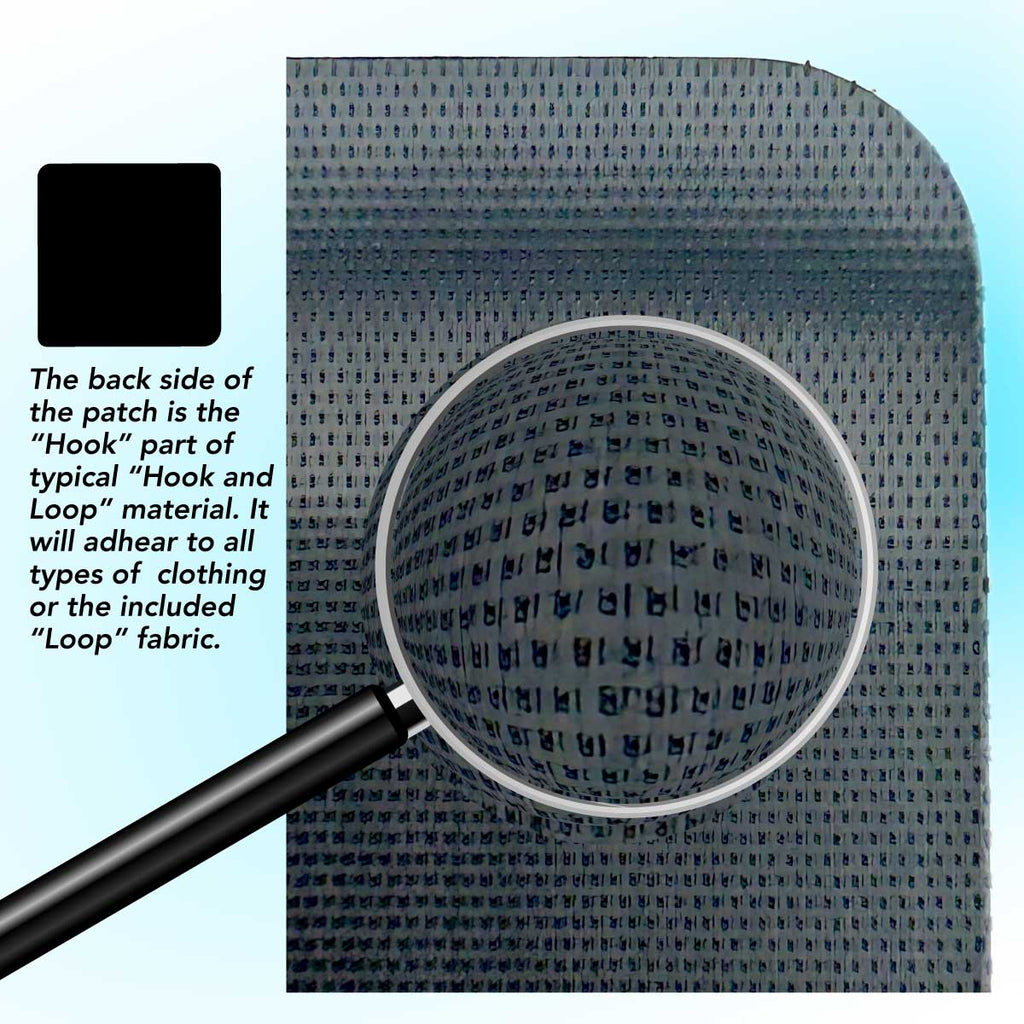
L'appareil est construit avec notre couche brevetée Neurocuple® scellée entre deux couches imperméables. Une fois placée au bon endroit, la couche Neurocuple® est activée directement par l'énergie du corps de l'utilisateur. Après quelques minutes, une sensation de chaud, de froid ou de picotement est ressentie par l'utilisateur à mesure que la douleur s'estompe.
L'appareil PainRelief.io® est un produit de bien-être général qui aide à promouvoir l'activité physique chez les utilisateurs souffrant de douleurs chroniques et intermittentes, ce qui, dans le cadre d'un mode de vie sain, peut aider à vivre avec ces conditions et peut retarder l'apparition des handicaps associés.