
Livraison et retours gratuits au-dessus de 100 $ !
Shoulder pain rarely stays in one neat spot. It can sit on the top of the shoulder, spread into the upper arm, creep toward the neck, or settle behind the shoulder blade. That is why learning how to place patch for shoulder pain matters so much. Good placement can make the difference between broad, useful coverage and a patch that misses the area driving your discomfort.
The first step is simple - do not place the patch based only on the name of the body part. Place it based on the actual pain pattern.
If your pain is on the rounded outer part of the shoulder, center the patch over that most tender area. For many people, this is the deltoid region - the cap of the shoulder where lifting, reaching, and sleeping on that side can feel especially irritating.
If your pain sits more toward the front of the shoulder, move the patch slightly forward so it covers the area near the front joint line and upper biceps attachment. This is common with strain from pushing, carrying, repetitive overhead movement, or gym overuse.
If the pain is more on the back of the shoulder, the best placement is usually slightly behind the shoulder cap, especially if discomfort shows up during pulling motions or when reaching behind your body. When pain wraps toward the shoulder blade, placement may need to shift farther back than people expect.
If your shoulder tension blends into the base of your neck or upper trapezius, placing the patch only on the side of the arm may not be enough. In that case, the better target is often the upper shoulder ridge where the neck and shoulder meet.
A common mistake is placing a patch next to the pain instead of over it. People often avoid the most sensitive spot and apply the patch just outside it. That can still help in some cases, but it is usually better to begin by centering the patch over the area that feels most active.
Think of your shoulder pain in terms of its main source and spread. If there is one distinct hotspot, start there. If the pain is broad and diffuse, place the patch so it covers the middle of the painful zone rather than chasing every edge.
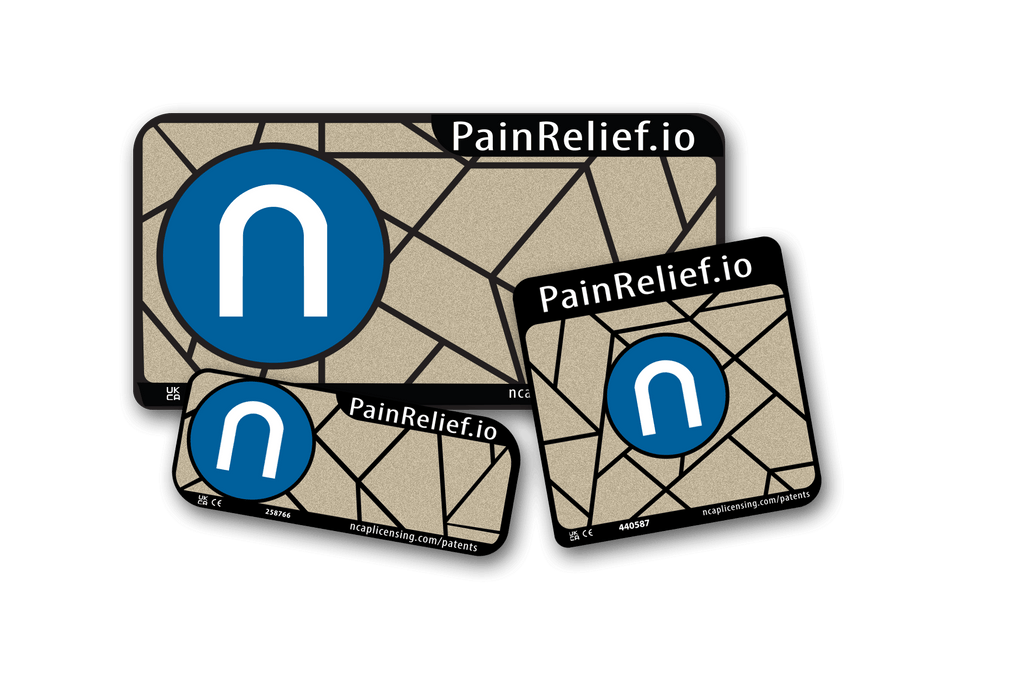
For larger shoulders or wider pain patterns, coverage matters. A patch that is too small may still help, but it may need more precise placement. A larger reusable pain relief patch or multi-piece setup can make shoulder application easier when pain extends from the upper trap into the deltoid or from the shoulder joint toward the shoulder blade.
When pain is concentrated on the top of the shoulder, place the patch flat over the uppermost point of the shoulder cap. This area is often irritated by lifting, poor posture, carrying a bag on one side, or sleeping in a position that compresses the shoulder.
The patch should sit comfortably without folding into the neck too much or dropping too far down the arm. If your pain climbs toward the neck, a slight upward adjustment may work better.
For pain in the front of the shoulder, place the patch over the front-facing part of the joint where the arm meets the torso. This is often the right area for discomfort related to pressing exercises, reaching forward repeatedly, or tendon irritation.
Do not place it too low on the biceps unless that is where the pain truly is. Many people feel front shoulder pain and accidentally chase it down the arm, missing the shoulder structure itself.
For pain behind the shoulder, place the patch on the rear shoulder area, just behind the shoulder cap. This can be a little awkward to apply on your own, so using a mirror or asking for help can improve accuracy.
If the pain sits between the shoulder and shoulder blade, move the patch inward slightly. If it is clearly on the outer back shoulder, keep it more lateral.
When tightness runs from the neck into the shoulder, place the patch along the upper trapezius area - the sloped muscle from the side of the neck to the shoulder. In this case, placing the patch directly on the shoulder joint may not address the main problem.
This pattern is common in desk work, stress-related tension, and long hours spent driving or looking down at a screen.
Shoulder pain is often dynamic. It can change with posture, activity, and time of day. A patch placement that works well while sitting at your desk may not be the best one when pain flares during sleep or after exercise.
That is why some trial and adjustment are normal. Start with the strongest pain point. Wear it as directed, then notice whether relief feels centered, partial, or off-target. If it helps but seems slightly misplaced, move it an inch or two the next time rather than making a dramatic change.
The goal is not perfect anatomical precision. It is practical placement that lines up with your real pain pattern.
Placement is not just about anatomy. It is also about making sure the patch sits flat and stays where you need it.
Apply it to clean, dry skin. If the area is damp from sweat, lotion, or body oil, adhesion and contact may be reduced. Try to place it while the shoulder is in a neutral, relaxed position. If you apply it while your arm is raised or twisted, the patch may wrinkle or pull once you return to normal posture.
For areas with a lot of motion, smooth the patch down firmly so the edges are secure. The shoulder is one of the harder spots on the body because the skin and underlying muscles move constantly through daily activity.
If body hair affects adhesion, that can influence performance too. You do not need to overthink it, but a flatter surface usually helps the patch stay put.
Most shoulder patch problems come down to a few fixable issues.
One is treating all shoulder pain as the same. Front shoulder pain, trap tension, and pain near the shoulder blade can all feel like "shoulder pain," but they may need different placement.
Another is placing the patch too low. If the pain starts in the shoulder joint or upper shoulder muscles, dropping the patch halfway down the upper arm usually misses the best target.
The third is expecting one position to work for every situation. If your pain shifts with activity, your ideal placement may shift too.
And finally, some people give up too quickly after one imperfect try. Minor adjustments often improve results.
Some shoulder pain is very localized. Some is not. If discomfort spreads across the top of the shoulder, down the deltoid, and toward the upper back, one small patch may not fully cover the area.
That is where larger formats or multi-piece wearable options can be more practical than single-use pain patches or creams. A reusable, drug-free approach can also make more sense for people dealing with recurring shoulder strain from work, workouts, or long-standing tension. PainRelief.io® focuses on this kind of everyday usability - simple placement, no medication, and repeat use instead of one-and-done relief.
Sometimes patch placement is only part of the picture. If your shoulder pain is tied to poor workstation setup, repetitive overhead movement, heavy training volume, or sleep position, those factors may keep feeding the problem.
That does not mean a patch cannot help. It means the best results often come when you also reduce the trigger, even temporarily. Shoulder pain that comes with major weakness, loss of motion, numbness, swelling, or pain after a significant injury should also be evaluated by a medical professional.
A patch is a practical support tool, not a substitute for diagnosis when something more serious may be going on.
If you are not sure where to begin, use this quick method. Touch the area that feels most tender. Then move your arm in the way that usually triggers pain - reaching up, across, behind, or lifting. Notice whether the painful spot stays in one place or shifts.
Place the patch over the spot that feels most consistently involved. If the pain spreads, aim for the center of that pattern. After wearing it, assess whether the area under the patch matches where relief is needed. If not, adjust slightly next time.
Shoulder pain can be stubborn, but placement does not need to be complicated. Start with the real pain pattern, make small corrections, and let comfort guide the next move.

Recherche
Terms of Service
Refund Policy
Contact Us
Ne pas vendre ou partager mes informations personnelles
Affiliates: Join or Log In
PATENTS
C'est simple à utiliser ! Placez simplement l'appareil au-dessus de votre douleur - Entre la douleur et le cerveau (tm) - et votre douleur commencera à s'estomper en quelques minutes. Le tout dans un appareil portable fin, réutilisable. Pas de piles, pas de fils, pas d'huiles malodorantes, pas de médicaments et ça agit rapidement !!
L'appareil est construit avec notre couche brevetée Neurocuple® scellée entre deux couches imperméables. Une fois placée au bon endroit, la couche Neurocuple® est activée directement par l'énergie du corps de l'utilisateur. Après quelques minutes, une sensation de chaud, de froid ou de picotement est ressentie par l'utilisateur à mesure que la douleur s'estompe.
L'appareil PainRelief.io® est un produit de bien-être général qui aide à promouvoir l'activité physique chez les utilisateurs souffrant de douleurs chroniques et intermittentes, ce qui, dans le cadre d'un mode de vie sain, peut aider à vivre avec ces conditions et peut retarder l'apparition des handicaps associés.